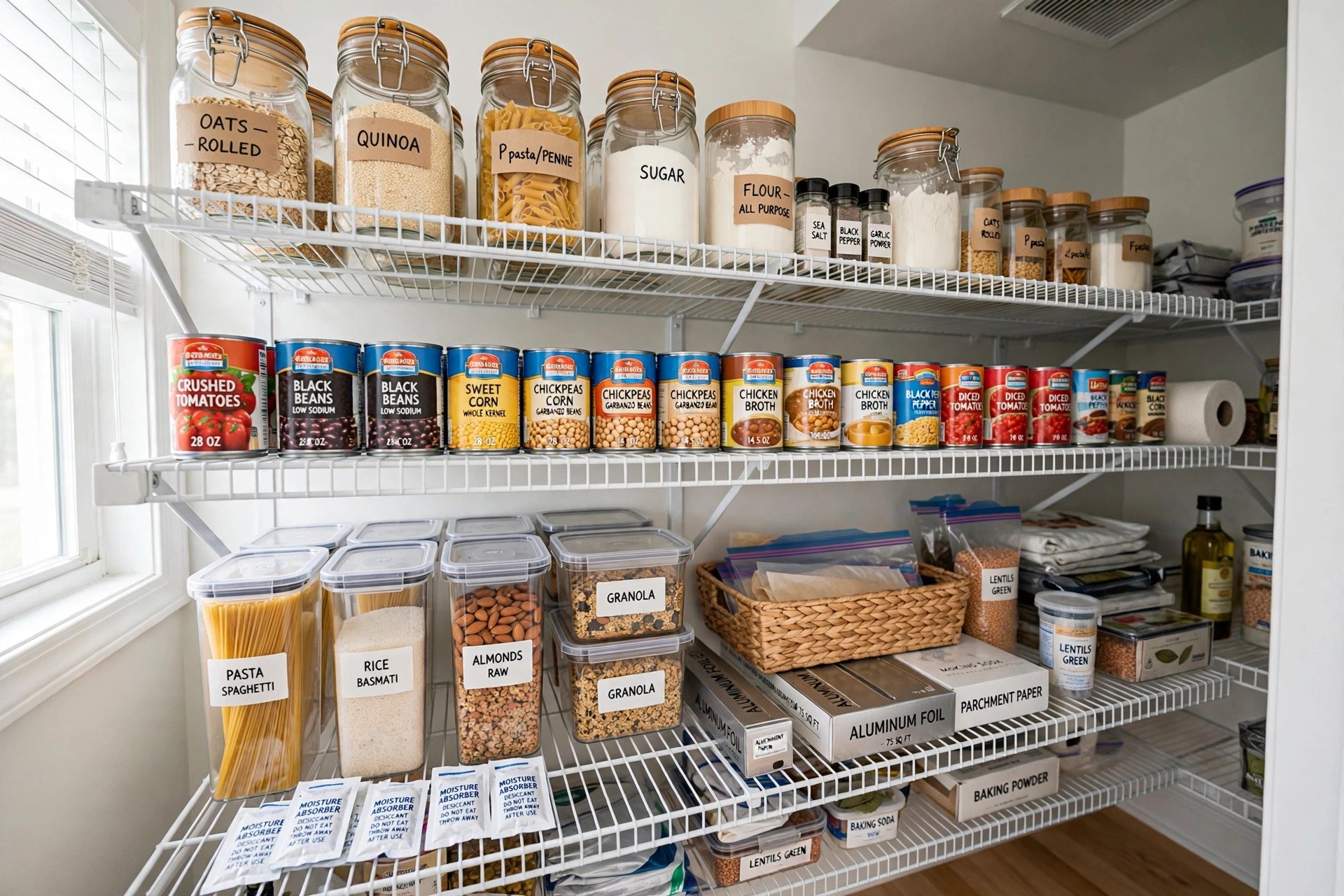

A pantry shelf holds more than cans and boxes. It holds the food a family trusts to be safe. When you search for the best pantry shelving units for humid climates, you are not just shopping for storage. You are looking for a way to keep dry goods dry, metal free of rust, and wood free of mold in a room where the air feels heavy for much of the year.
Humid climates test every surface in a home. In the Gulf Coast, Florida, and the Southeast, indoor air can hold enough moisture to warp bare wood and pit uncoated steel. Pantries suffer more than most rooms because they are often small, dark, and closed off from air flow. The shelves inside work in the worst conditions in the house. That is why a unit that looks fine in a dry climate can fail fast in a damp one.
This guide walks through what matters when you choose pantry shelving for a humid home. It covers the materials that hold up, the designs that let air move, and the prices you can expect. It also covers simple care habits that add years to the life of any shelf. By the end, you will know exactly what to look for on the store shelf or in the catalog.
Why Humid Climates Change the Rules
Moisture is the enemy of most storage materials. Wood absorbs it, swells, and can grow mold. Bare steel or iron rusts where the air sits still. Painted shelves may look sealed, but a chip or a scratch opens a path for damp air to reach the metal under the paint. Even particle board, the core of many low-cost shelves, can crumble when it drinks in enough humidity.
Food storage makes the stakes higher. A pantry is not a garage. Spices, grains, and canned goods sit close to the shelves for months. Mold on a shelf edge can drift to the food nearby. Rust flakes can fall onto items stored below. A shelf that bends or sags under damp air can dump its load at the worst time. These are real risks, and they explain why the right material choice is not a luxury. It is plain good sense.
There is another factor many buyers miss: condensation. Warm, moist air meets a cool shelf or wall, and water forms on the surface. This happens in homes with strong air conditioning in summer. A solid metal shelf can collect this film and trap it. A well ventilated shelf lets it dry. Airflow is not just a comfort issue. It is a preservation issue.
What to Look for When You Choose: Best Pantry Shelving Units for Humid Climates
Rust-Proof and Moisture-Resistant Materials
The first thing to check is the coating. Epoxy-coated wire shelving has long been the standard for damp storage rooms. The thick vinyl or epoxy layer seals the steel under it and resists chipping. Stainless steel resists rust on its own, though it costs more. Powder-coated metal also works well when the coat is thick and even.
For wood lovers, sealed hardwoods can survive a pantry, but the seal must be complete. Look for shelves with waterproof finishes on every face, including the ends and the backs that touch the wall. Unsealed or partly sealed wood is a poor bet in a humid home. High-density plastic and resin shelves are another strong option. They cannot rust, and they wash clean with ease.
Size, Fit, and Load Capacity
Measure before you buy. Pantries come in all shapes, and a unit that is an inch too wide is useless. Measure the width, depth, and height of the space. Leave at least two inches of clearance above the top shelf so air can move. Check the load rating for each shelf, not just the total for the unit. Canned goods are heavy. A shelf rated for 50 pounds per level will serve most families well.
Freestanding units suit renters and anyone who may rearrange later. Wall mounted options like waterproof wall mounted storage shelves can open floor space and improve air flow under the lowest shelf. Decide which style fits your kitchen before you compare brands.
Ventilation and Airflow Design
Open wire shelves dry faster than solid boards. Air moves through them from all sides, and condensation has little surface to cling to. This is the single best design trait for humid climates. If you prefer solid shelves, drill nothing on your own — instead look for units with gaps at the back or perforated panels that still allow some air movement.
Keep goods away from the walls when you stock the shelves. A small gap behind cans and boxes lets air circulate and keeps hidden mold from taking hold. This habit matters more than the shelf material itself.
Types of Pantry Shelving Units
Epoxy-Coated Wire Shelving
Wire shelving is the workhorse of humid-climate storage. The open grid lets air pass through, the coating blocks rust, and the shelves adjust up and down on most models. You can find these units at major home stores and specialty retailers alike. Look for thick gauge wire and a coating you cannot dent with a fingernail. Thin, cheap coating is the weak point of bargain models.
Stainless Steel Shelving
Stainless steel costs more, but it resists corrosion even without a coating. It suits kitchens where the pantry shares air with a cooking space, since grease and steam wash off with ease. Commercial-style stainless racks fit large walk-in pantries well. For small reach-in pantries, look for slimmer residential models.
Resin and Plastic Shelving
Heavy-duty plastic shelving units have come a long way. Modern resins resist UV light, hold serious weight, and never rust. They are light to move and easy to wipe down. Some models interlock to form taller towers. For a garage-adjacent pantry or a laundry room shelf, plastic is a fine and frugal choice.
Sealed Wood Shelving
Wood brings warmth that metal cannot match. In a humid home, choose only wood sealed with marine-grade or kitchen-grade waterproof finish. Teak and cedar resist moisture better than pine, but even they need a full seal. Home guides and design ideas often show how sealed wood can still look warm in a working pantry. Those hidden faces are where mold often starts.
Cost and Price
Pantry shelving for humid climates costs a little more than plain dry-climate shelving, but the gap is not large. Epoxy-coated wire units for a standard reach-in pantry run from modest prices to a few hundred dollars for tall, wide models with many shelves. Stainless steel commands a premium, often twice the price of coated wire for the same size. Plastic and resin units sit at the low end and offer good value for light loads.
Watch for hidden costs. Replacement liners, extra shelf clips, and wall-mount brackets add up. Check independent product ratings and buying guides before you commit to a brand. A unit that needs frequent repainting or resealing costs more over time than a better unit bought once. Think in terms of ten years, not ten months. A shelf that survives a decade of damp summers is cheap at twice the price of one that fails in two.
Sales cycles help. Home storage goes on sale in January, when stores clear holiday inventory, and again in late summer before the back-to-school season. Buying a floor model from a store can also cut the price, but inspect the coating for chips before you agree.
Care and Upkeep
Good care keeps any shelf working longer. Wipe shelves down with a dry cloth once a month. In summer, when humidity peaks, check for beads of moisture on metal surfaces and dry them off. Never store wet items. Let cans and jars dry fully before they go back on the shelf.
Leave space between stored goods and the wall. Rotate stock so nothing sits forgotten in a damp corner for a year. If you spot mold on wood, clean it with a mild soap solution, dry it fully, and reseal the spot. Small chips in a metal coating can be touched up with appliance epoxy paint before rust starts.
A small dehumidifier or a rechargeable moisture absorber in a closed pantry works wonders. It is the cheapest insurance for your shelves and your food alike. Check and empty it on a regular schedule through the damp months, as home maintenance guides often advise.
Safety
Heavy shelves need respect. Anchor any freestanding unit taller than your chest to the wall with the included straps. A loaded shelf can tip forward and injure a child or a pet. Put the heaviest items on the lowest shelves to keep the center of gravity low.
Check load ratings before you stack. Canned food is denser than it looks, and a shelf bowed under too much weight is a shelf about to fail. Spread heavy items across more than one shelf when you can.
Keep a clear path to the pantry door. In an emergency, no one should have to climb over fallen goods. And store cleaning chemicals on the lowest shelf or in a separate locked cabinet, well away from food.
Organizing Your Pantry Around the Shelves
The shelf is only half the story. How you arrange goods on it decides how long they stay fresh. Group items by type and date. New cans go behind old ones. Open packages go into airtight containers, especially in humid air where flour and sugar cake fast.
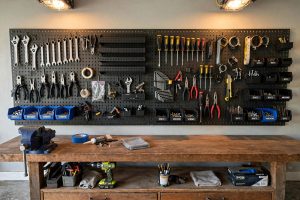
Small organizers multiply the value of good shelves. A spice rack organizer like those in a luxury spice rack organizers buying guide keeps tiny jars visible so none expire unseen. Pegboard wall organizers from a pegboard wall organizers price comparison can hang small tools and light items on the pantry door or a side wall, freeing shelf space for heavy goods.
Baskets and bins made of coated wire or plastic suit humid pantries better than wicker. Wicker traps moisture and can mold. Online home goods stores and modular storage lines sell bins in sizes that fit standard shelf depths. Label every bin. In a deep pantry, labels save you from pulling everything out to find one item, and less handling means less wear on the shelves.
Frequently Asked Questions
Do wire shelves work better than solid shelves in humid climates? Yes, in most cases. Open wire shelves let air move on all sides, which helps condensation dry and keeps mold from settling. Solid shelves work fine too if they are made from rust-proof or sealed materials, but they need more wiping and more space behind goods for air flow.
Will stainless steel shelves rust in a humid pantry? Good quality stainless steel resists rust very well, even in damp air. Cheap grades can spot or stain over time, but true stainless holds up far better than coated plain steel if the coating chips. Look for 304 grade or better for the best resistance.
Can I use wooden shelves in a humid pantry? You can, but only sealed wood. Every face must be sealed with a waterproof finish, including ends and backs. Check the seal once a year and touch up worn spots. Unsealed wood will absorb moisture, warp, and may grow mold.
How do I stop mold from growing on pantry shelves? Keep air moving, wipe shelves dry monthly, and never store wet items. Leave a gap between goods and the wall. A small dehumidifier or moisture absorber in the pantry lowers the humidity that mold needs to grow.
What weight should pantry shelves hold? For a family pantry, look for at least 50 pounds per shelf. Canned goods, juice bottles, and bulk grains add up fast. Freestanding units should state a per-shelf rating, not just a total. When in doubt, choose the stronger unit.
Are plastic shelves strong enough for a pantry? Heavy-duty resin shelves are strong enough for most pantry goods. Check the per-shelf rating and keep very heavy items, like large cans of cooking oil, on the bottom levels. They never rust, which makes them ideal for the dampest pantries.
A Final Word
The best pantry shelving units for humid climates are not the fanciest or the dearest. They are the ones that respect the air they live in. Rust-proof coatings, open wire designs, and sealed finishes all answer the same problem: damp air wants into everything. Choose a shelf that keeps it out, give it room to breathe, and care for it with a monthly wipe. Do these simple things and your pantry will serve you well for many damp summers to come.
References
Apartment Therapy. (n.d.). Home design ideas and inspiration. https://www.apartmenttherapy.com Bob Vila. (n.d.). Home improvement advice. https://www.bobvila.com Consumer Reports. (n.d.). Product reviews and ratings. https://www.consumerreports.org Family Handyman. (n.d.). DIY home repair and maintenance. https://www.familyhandyman.com IKEA. (n.d.). Home furnishings. https://www.ikea.com The Container Store. (n.d.). Storage and organization products. https://www.containerstore.com The Home Depot. (n.d.). Home improvement products. https://www.homedepot.com The Spruce. (n.d.). Home and garden advice. https://www.thespruce.com Wayfair. (n.d.). Furniture and home goods. https://www.wayfair.com
Was this guide helpful?

About Robert Taylor
The My Garden US editorial team writes practical, in-depth home and garden guides for American homeowners — tested advice, no fluff.
You May Also Like
Waterproof Entryway Coat Racks With Free Shipping: A Practical Guide
September 1, 2026 0 views
Kitchen Drawer Organizers Price Comparison USA
August 5, 2026 0 views
Slim Rolling Pantry Carts Price Comparison USA: A Plain Guide to Slim Kitchen Storage
June 26, 2026 0 views