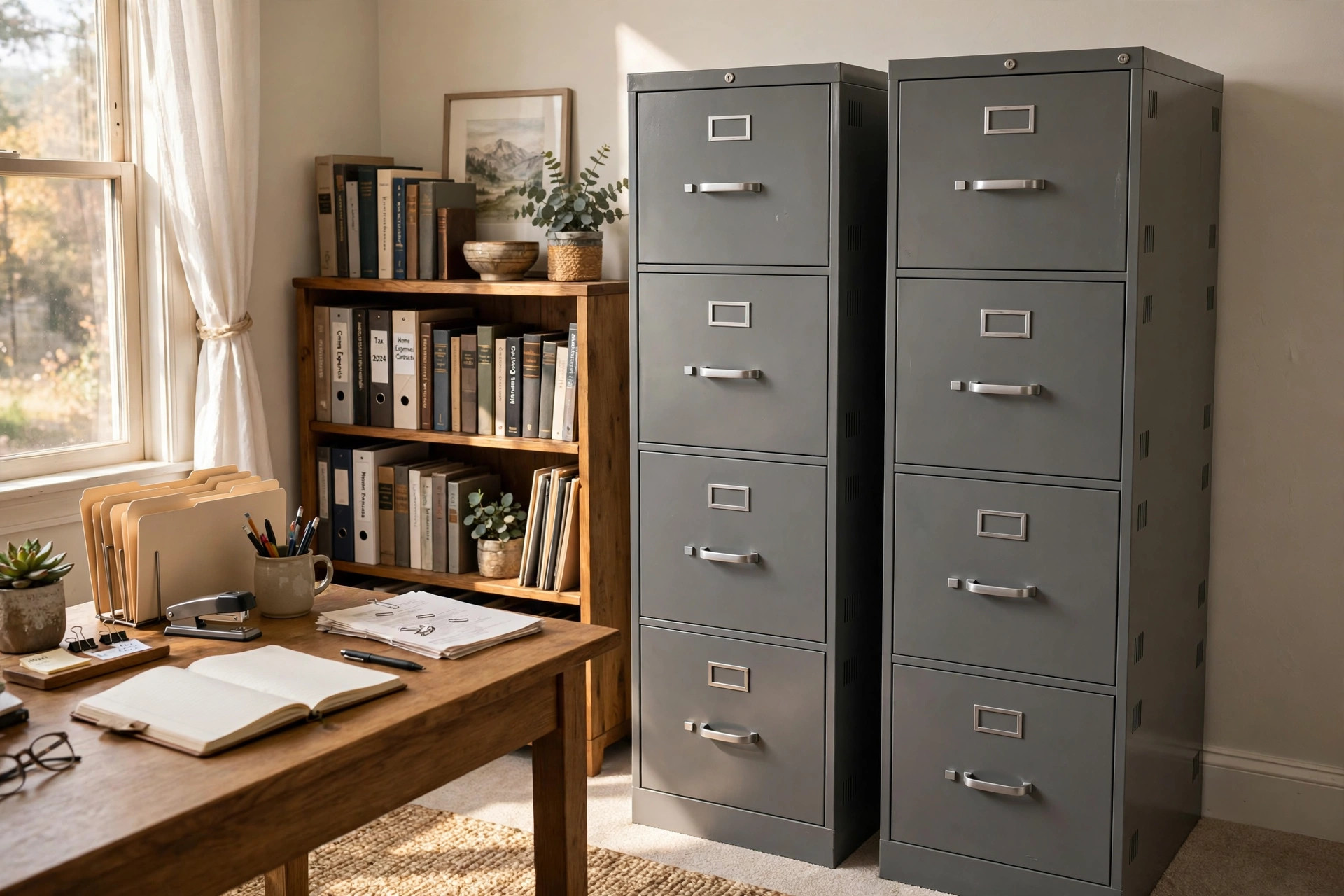

A good file cabinet is one of the quiet workhorses of the American home. It stands in the corner of the office, the den, or the garage, and it holds the records that keep a household and a small business running. Tax returns, insurance papers, medical files, deeds, warranties, and receipts all need a safe and orderly home. When you look at heavy duty vertical file cabinets for sale, you are not simply buying a box with drawers. You are buying long years of steady service, and the peace of mind that comes from knowing your papers are in good order.
The market is full of choices. Thin bargain cabinets sit beside rugged steel models that are built to last for decades. The price spread can confuse a buyer. A cabinet that looks fine in a store photograph may bend or jam after a year of daily use. This guide covers what to look for when you shop, the types and options on the shelves, what you can expect to pay, and how to keep your cabinet in good shape.
Why Heavy Duty Matters
Most people learn the value of a heavy duty cabinet the hard way. They buy a light, low cost cabinet, load it with files, and soon the drawers stick. The frame twists under the weight of paper. Paper is far heavier than it looks. A full letter size drawer can hold twenty to thirty pounds of files. A four drawer cabinet, fully loaded, may weigh more than three hundred pounds. That is more than many cheap cabinets are built to bear.
A heavy duty vertical file cabinet is built from thicker steel. Its drawers glide on ball bearing suspension instead of thin metal channels. Its frame keeps its shape when every drawer is full. The drawers open and close smoothly year after year. For a home office that grows over time, this strength is not a luxury. It is a need. Papers do not get lighter with the years. They gather. A cabinet that serves well in year one should still serve well in year twenty.
Heavy duty models also give better protection against daily accidents. They resist dents when a child bumps a toy into them or when they are moved across the room. They stand steady when drawers are opened, which matters for safety, as we shall see below. If you buy vertical file cabinets online or in a store, the duty rating tells you more about long term value than the price tag alone.
What to Look for Before You Buy: Heavy Duty Vertical File Cabinets for Sale
Shopping wisely starts with knowing which details matter and which are only window dressing. The points below are the ones that separate a cabinet that lasts from one that merely looks good on the showroom floor.
Steel Gauge and Build Quality
Steel thickness is measured in gauges, and the numbers run backwards. A lower number means thicker steel. Many light cabinets use 24 or 25 gauge steel, which is thin and bends easily. Heavy duty cabinets often use 22 gauge, and the best commercial models use 20 gauge or even 18 gauge in the frame. Look for the gauge in the product details before you buy. A thicker gauge means a longer life.
The finish matters too. A baked enamel or powder coat finish resists scratches and rust better than a thin painted coat. Check the corners and seams. They should feel solid, not wavy or loose. Pick up the cabinet if you can, or rock it gently. A well built cabinet feels planted. A flimsy one rattles. Organization guides at The Spruce often remind readers that construction quality matters more than style in storage furniture, and this is true here as well.
Drawer Suspension and Locks
The drawers are the moving heart of the cabinet. The best heavy duty models use full extension ball bearing slides. These let the drawer roll out fully so you can reach papers at the very back, and they carry heavy loads without sagging. Cheaper cabinets use friction slides or simple rollers, which wear out sooner and struggle under weight.
A lock is a must if you store tax records, bank papers, or medical files. Most heavy duty vertical file cabinets come with a central lock that secures every drawer with one key. Some add a separate lock on each drawer. Look for a solid lock housing, not a loose plastic plate. Two keys should come with the cabinet. Keep the second key in a safe place away from the office. Office supply retailers such as Office Depot and Staples list lock type in their product details, which makes online comparison easier.
Size, Capacity, and Drawer Count
Vertical file cabinets most often come with two, three, four, or five drawers. A two drawer cabinet fits under or beside a desk and works well for a small office. A four drawer cabinet is the classic choice for a household with years of records. Five drawer cabinets give the most storage in the smallest footprint, but the top drawer can be hard to reach for shorter users.
Measure your space before you shop. A standard four drawer vertical cabinet is about 52 inches tall, 15 inches wide, and 25 inches deep. Legal size models run deeper to hold legal folders. Note the difference between letter and legal. Letter size is the standard for most household papers. Legal size suits contracts and some court papers. Make sure the hanging file rails match the size you plan to use. If you are building a full home office filing system, decide on one size and stay with it, so folders move between drawers without trouble.
Types and Options
Not every vertical file cabinet is made the same, and the label “heavy duty” covers a range of designs. Knowing the main types helps you match the cabinet to your needs.
Fire resistant models are lined with insulation that protects paper for up to one hour in a fire. They cost more and weigh far more, but for irreplaceable papers such as birth certificates, titles, and wills, they are worth a look. A fire safe box can do the same job for a handful of documents, while a fire rated cabinet protects a whole archive.
Commercial grade cabinets are the classic tall steel units made for offices. They come in letter and legal sizes, in two to five drawers, and in many colors. Putty, black, gray, and charcoal are the most common. Some makers now offer wood grain finishes that sit better in a home study. Storage specialists at the Container Store and big home stores such as Home Depot and Lowe’s carry both classic steel and home friendly styles.
Rolling or mobile cabinets sit on casters so they can move under a desk or into a closet. They are lighter by nature and are not true heavy duty models, but they suit a small work corner. Wall hung and lateral cabinets are other choices, but the vertical style remains the king of small footprints. When you compare the heavy duty vertical file cabinets for sale at Amazon, use the filter tools to narrow by drawer count, material, and size, and read the questions from other buyers. Those answers often reveal details the listing does not.
Cost and Price
Prices for heavy duty vertical file cabinets for sale span a wide range. A small two drawer steel model may start near one hundred dollars. A four drawer commercial grade cabinet from a known maker often costs between two hundred and four hundred dollars. Fire rated and high end models can pass five hundred dollars or more. The price reflects the steel gauge, the drawer slides, the lock, and the brand name.
Think in terms of cost per year. A two hundred dollar cabinet that lasts twenty years costs ten dollars a year. A ninety dollar cabinet that bends and jams after three years costs thirty dollars a year and brings daily annoyance. The heavy duty model is the better bargain in the long run. Watch for seasonal sales. Late summer, when home offices are set up before the fall, and January, when tax season begins, often bring good prices on filing furniture. If you also need smaller organizers for the drawers, guides on where to buy dresser drawer dividers can point you to handy add ons that keep small items in order.
Shipping can add a fair sum to the price of a heavy cabinet. Some stores offer free delivery over a set amount. Others charge by weight, and a four drawer cabinet is no light parcel. Check the total with shipping before you compare prices. A store price that looks high may beat an online price once freight is added. Design minded shoppers sometimes browse IKEA and Apartment Therapy for home office ideas that pair a steel cabinet with warmer furniture, so the office looks less like a back room and more like a study.
Care and Upkeep
A heavy duty file cabinet asks for little care, but a few simple habits keep it working like new. Wipe the outside with a damp cloth and mild soap when dust gathers. Dry it at once so no water sits on the steel. Home maintenance advice from Family Handyman stresses that gentle, regular cleaning beats harsh yearly scrubbing for metal furniture, and that rule holds here.
Oil the drawer slides once a year with a light machine oil or a silicone spray. Open each drawer fully, wipe the tracks clean with a dry cloth, and apply a thin coat. The drawers will glide as they did on the first day. Do not overload a single drawer beyond its rated weight. Even a strong cabinet wears faster when one drawer carries far more than the others. Spread the load. Use hanging file frames to spread weight evenly across the drawer. Keep the cabinet in a dry room. Steel and damp air are poor company, and rust can start in a basement that floods in spring.
Safety
File cabinets are heavy, and respect for their weight keeps everyone safe. A four drawer steel cabinet can tip forward if the top drawer is opened while the lower drawers are empty, especially when the cabinet is not loaded from the bottom up. Fill the bottom drawer first when you set up a new cabinet. Many heavy duty models include an interlock that stops more than one drawer from opening at a time. This is a fine safety feature, and worth asking about.
Anchor tall cabinets to the wall in homes with small children. A simple anti tip strap or L bracket costs little and stops a climbing child from pulling the cabinet down. Moving a loaded cabinet strains the frame, scratches floors, and can injure the back of anyone who lifts it. Two people and a hand truck make the job safe and easy.
Frequently Asked Questions
How long should a heavy duty vertical file cabinet last? A well built steel cabinet can last twenty years or more with normal home use. Thicker steel, ball bearing slides, and a good lock are the signs of a long lived model. Keep it dry, oil the slides yearly, and do not overload the drawers, and it will likely outlast the desk beside it.
What is the difference between letter and legal size? Letter size holds the standard 8.5 by 11 inch paper used for most household and business records. Legal size holds 8.5 by 14 inch paper, which some lawyers and courts use. The cabinets differ in depth. Choose the size that matches the papers you keep, because hanging folders made for one size will not fit the other.
Do I need a fire rated cabinet? It depends on what you store. If the cabinet will hold papers that cannot be replaced, such as deeds, wills, and birth certificates, a fire rated model gives real protection. If most of your papers are copies of records held elsewhere, such as bank statements you can download, a standard heavy duty cabinet is enough.
Can I put a heavy duty file cabinet on carpet? Yes, but with care. Thick soft carpet lets the cabinet rock, which can strain the frame and make drawers stick. Set the cabinet on a firm mat or a piece of plywood under the carpet pile if it rocks. On hard floors, stick felt pads under the feet to guard against scratches.
How much weight can each drawer hold? Most heavy duty drawers are rated for fifty to seventy five pounds each. Check the maker’s rating in the product details. A full drawer of paper often weighs twenty to thirty pounds, so the rating gives a fair margin. Stay within it and the slides will last.
A Final Word
Buying heavy duty vertical file cabinets for sale is a purchase you make once and enjoy for decades. The strongest choice is not the cheapest one on the shelf, but the one built from thick steel, fitted with smooth ball bearing drawers and a solid lock, and sized to the papers you keep. Measure your space, read the gauge and slide details, compare the full delivered price, and anchor the cabinet when children are near. Do these simple things, and the plain steel cabinet in the corner of your office will quietly do its job for many years to come.
References
Amazon. (n.d.). Online shopping. https://www.amazon.com Apartment Therapy. (n.d.). Home design ideas and inspiration. https://www.apartmenttherapy.com Family Handyman. (n.d.). DIY home repair and maintenance. https://www.familyhandyman.com IKEA. (n.d.). Home furnishings. https://www.ikea.com Lowe’s. (n.d.). Home improvement products. https://www.lowes.com Office Depot. (n.d.). Office supplies and furniture. https://www.officedepot.com Staples. (n.d.). Office supplies and furniture. https://www.staples.com The Container Store. (n.d.). Storage and organization products. https://www.containerstore.com The Home Depot. (n.d.). Home improvement products. https://www.homedepot.com The Spruce. (n.d.). Home and garden advice. https://www.thespruce.com
Was this guide helpful?

About Robert Taylor
The My Garden US editorial team writes practical, in-depth home and garden guides for American homeowners — tested advice, no fluff.
You May Also Like

Space Saving Corner Closet Organizers for Southern States: A Practical Guide
March 19, 2026 0 views
Craft Room Storage Cabinets Reviews and Buying Guide
June 1, 2026 0 views
Stackable Wall Mounted Storage Shelves With Free Shipping: A Practical Guide
March 10, 2026 0 views