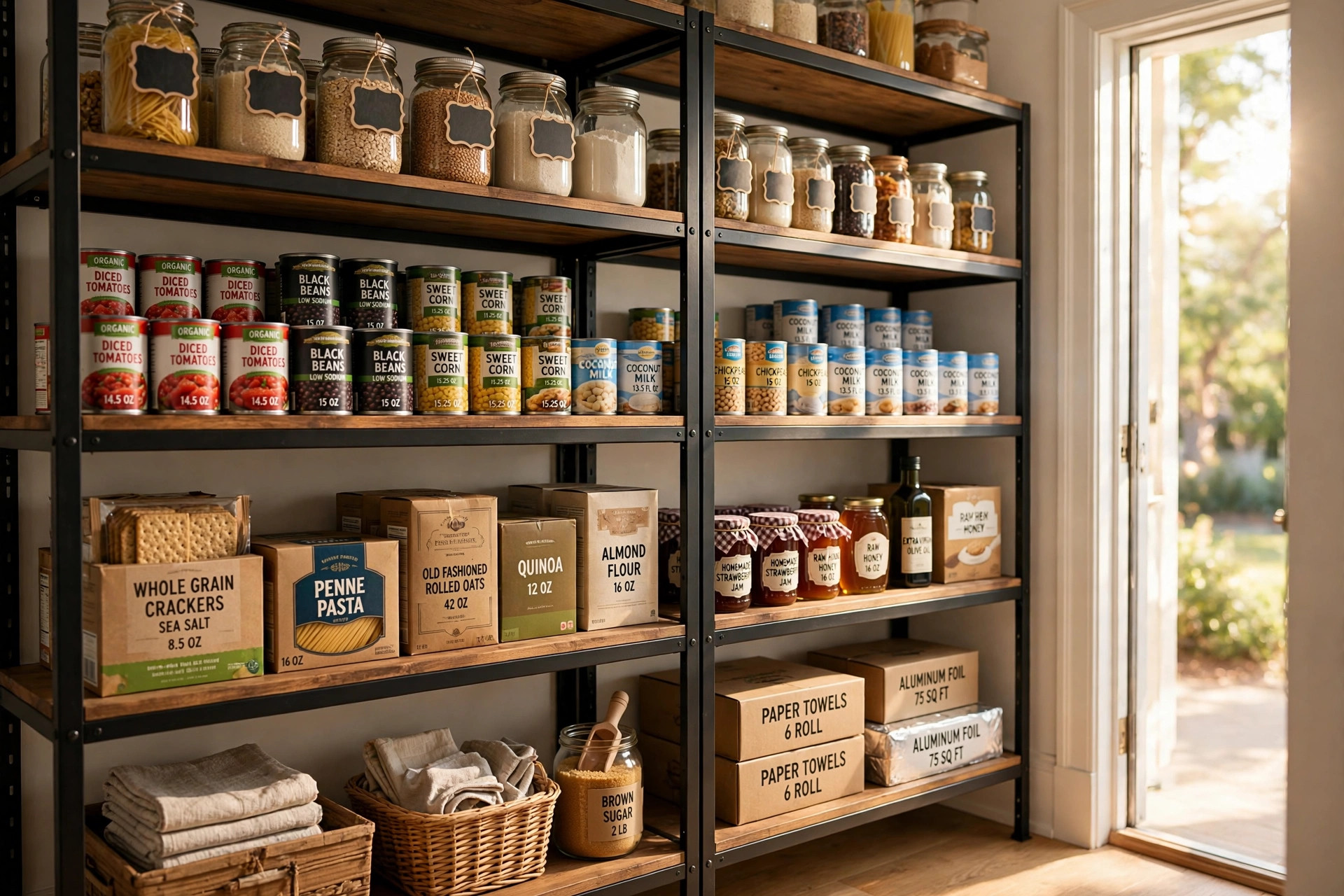

This pantry shelving units reviews and buying guide will help you choose shelves for your food storage. A pantry is one of the hardest-working rooms in an American home. Cans, jars, boxes, and bags all need a safe place. The right shelving unit keeps them off the floor and within reach. It also helps you see what you own. That simple fact cuts waste and saves money. A bad shelf, on the other hand, bends under heavy cans. It can even fall and cause injury. This guide walks through the main types, the features that matter, and the prices you can expect. By the end, you will know how to pick a unit that fits your space and your budget.
Why a Good Pantry Shelving Unit Matters
A pantry shelving unit does more than hold food. It shapes how your kitchen works every day. When shelves are strong and well placed, cooking takes less time. You can find the flour without moving five boxes. You can see which cans are near their date. Small children stay safe because heavy items sit low and light items sit high.
The pantry shelf organizers sold today come in many sizes and styles. Some stand on the floor. Some bolt to the wall. Some hang over the door. Each type suits a different home. A walk-in pantry can hold a tall freestanding rack. A small apartment kitchen may need a slim over-the-door rack instead.
Good storage also protects food. Cans stored on damp floors can rust. Bags left in corners attract pests. Raised shelves keep food dry and clean. Wire shelves let air move around the food, which helps in warm climates. Solid shelves stop small items from falling through. The right choice depends on what you store.
There is also the question of value. A sturdy unit can serve a family for twenty years or more. A weak one may need replacement in two. Spending a little more at the start often saves money over time. As the team at The Home Depot notes in its storage guides, matching the shelf to the load is the first rule of any storage project.
What to Look for When You Choose: Pantry Shelving Units Reviews and Buying Guide
Buying pantry shelving is not hard if you know the four facts that matter: size, weight limit, material, and adjustability. Check each one before you pay.
Measure Your Space First
Take a tape measure to the pantry before you shop. Write down the width, depth, and height of the open space. Leave at least two inches of clearance on each side for air and cleaning. In a walk-in pantry, leave room for the door to swing open. Note where the wall studs are if you plan to mount shelves.
Height matters more than most people think. A unit that is too tall will not fit under a low ceiling. A unit that is too short wastes space above it. Many freestanding pantry shelves stand between 60 and 72 inches tall. Measure twice and buy once.
Check the Weight Limit
Every shelving unit has a rated weight limit. This number tells you how much the shelf can hold without bending or breaking. Kitchen pantry storage shelves must carry heavy loads. A case of canned tomatoes can weigh more than 30 pounds. Flour, sugar, and cooking oil add up fast.
Look for the weight limit per shelf, not just for the whole unit. A rack may hold 600 pounds in total but only 100 pounds per shelf. If one shelf carries your heaviest cans, that per-shelf number is the one that counts. Choose a limit well above what you plan to store. A margin of fifty percent is wise.
Pick the Right Material
Pantry shelves are made from wire steel, solid wood, plastic, or particle board with a veneer. Each has strengths.
Wire steel shelves are strong and light. They let air flow, which keeps the pantry fresh. They resist rust if coated well. Many restaurant kitchens use them for this reason.
Solid wood shelves look warm and hold heavy loads well. They cost more. They need sealing against moisture. A damp pantry can warp bare wood over time.
Plastic shelves are light and cheap. They suit dry goods and light boxes. They can bend under heavy cans.
Particle board shelves are common in low-cost kits. They work for light loads. They fail fast if they get wet. Keep them away from sinks and leaky pipes.
Look for Adjustable Shelves
Adjustable pantry shelving is worth the extra cost. Food packages come in odd sizes. Cereal boxes are tall. Soup cans are short. Shelves that move up or down let you use every inch. Look for units with slots every inch or so. The adjustment should be simple and should lock firmly in place.
Types of Pantry Shelving Units
Four types cover nearly every home. The best one for you depends on your space, your budget, and how much food you store.
Freestanding Shelving Units
Freestanding units stand on the floor with no wall bolts. They are the most common choice. You can buy them at stores like Lowe’s or IKEA and assemble them at home in under an hour. Most have three to six shelves.
Freestanding pantry shelves work well in walk-in pantries and large closets. They are easy to move. You can take them with you if you move to a new home. The best models have leveling feet for uneven floors. Look for a unit at least 18 inches deep. Shallow units waste the back of the pantry.
Wall-Mounted Shelves
Wall-mounted shelves bolt directly to the wall studs. They hold heavy loads with no floor space lost. They are a fine choice for narrow pantries where a floor unit would block the aisle. Installation takes more work. You need a drill, a level, and a stud finder. Renters should ask the landlord first, since mounting leaves holes in the wall.
The main limit is weight. A wall shelf is only as strong as its brackets and the studs behind them. Spread heavy cans across several brackets. Do not load one long shelf from end to end with nothing but cans.
Over-the-Door Racks
Over-the-door racks hang from hooks on the back of a pantry door. They cost little and need no tools. They are ideal for spices, small jars, and packets. The Container Store carries several models designed for pantry doors.
These racks cannot carry heavy loads. A door hinge is not built for 100 pounds of cans. Keep the weight low and balanced. Check that the door still closes and latches with the rack in place.
Built-In and Custom Shelves
Built-in shelves are cut and fixed to fit your exact pantry. A carpenter or a skilled homeowner can build them from lumber or plywood. They use every inch of space. They look clean and permanent. They also cost the most and take the most time. For tips on planning a built-in project, Family Handyman offers step-by-step shelving guides.
Custom shelves make sense if you own the home and plan to stay. They add value to the kitchen. They let you set shelf heights exactly where you want them. Solid plywood, three quarters of an inch thick, is a common choice for long spans.
Cost and Price
Pantry shelving units cover a wide price range. A simple over-the-door rack can cost under 30 dollars. A basic wire freestanding unit often runs 60 to 120 dollars. A sturdy wood or heavy steel unit can cost 150 to 300 dollars. Custom built-in shelves can run 500 dollars or more with labor.
Price alone does not tell you quality. Check the weight rating and the material first. A 60-dollar wire rack with a 150-pound per-shelf rating may beat a 120-dollar wood-look kit rated for only 40 pounds. Read the label, not the price tag.
Sales happen often at large retailers. Both Amazon and Wayfair run regular storage sales. Buying in sets can save money if you need more than one unit. Watch for shipping costs on heavy items. A free-shipping offer can make a big difference on a 60-pound rack.
Think about cost per year of service. A 200-dollar steel unit that lasts twenty years costs 10 dollars a year. A 50-dollar kit that sags after two years costs 25 dollars a year and risks a spill. The dearer shelf is the cheaper one in the long run.
Care and Upkeep
Good shelves need little care, but they do need some. Wipe shelves down every few months. Crumbs and spills attract ants and mice. A damp cloth and mild soap are enough for most units. Dry wire shelves well after washing to stop rust.
Check bolts and clips once a year. Vibration and heavy loads can loosen them. Tighten what is loose. Replace cracked plastic clips at once. A clip that gives way can drop a whole shelf of jars.
Keep the pantry dry. Fix leaks near the pantry fast. Move shelves away from steam and splashes. If you store food in a garage pantry, watch for damp in summer. A small fan can keep air moving.
Rotate stock as you clean. Put new cans behind old ones. This simple habit, called first in, first out, cuts waste. It also reminds you to check dates while the shelves are clear.
Pair your shelves with kitchen cabinet organizers and wicker storage baskets for small items that roll off open shelves. Small groups of like items are easier to find and easier to dust around.
Safety in the Pantry
Heavy shelves demand respect. Anchor tall freestanding units to the wall with an anti-tip strap. Children climb. A shelf full of cans can crush a small child if it tips. Straps cost a few dollars and take minutes to fit. The advice pages at The Spruce list anchoring as a top home safety step.
Store heavy items low. Put cans, jars, and large bottles on the bottom two shelves. Keep light boxes and paper goods up high. This lowers the center of gravity and makes the unit stable.
Do not overload. The weight rating is a limit, not a goal. If a shelf bows in the middle, it is telling you to lighten the load. Move cans to a lower shelf or a second unit.
Mind glass. Jars break when they fall. Keep glass jars away from shelf edges. A small lip or rail on the front of a shelf can stop a jar from sliding off. In earthquake areas, add museum putty under jars for extra hold.
Ventilate. A pantry with no air flow can grow mold on cardboard and wood. Leave a small gap behind the unit. Crack the door now and then. Fresh air is free insurance.
Frequently Asked Questions
How deep should pantry shelves be?
Twelve to sixteen inches is the common range. Twelve inches suits cans and jars in a reach-in pantry. Sixteen inches holds boxes and bulk bags in a walk-in. Go deeper only if you can reach the back. Food lost in the back of a deep shelf is food wasted.
Are wire shelves or solid shelves better for a pantry?
Both work. Wire shelves allow air flow and resist spills pooling. Solid shelves stop small items from tipping through the gaps. Many families use wire for canned goods and add solid shelf liners for small packets. Liners are cheap and cut to fit.
Can I use a garage shelving unit in the pantry?
You can, if it is rated for food storage areas. Garage units are often strong and cheap. Check that the coating is safe for indoor use and will not flake onto food. Make sure the unit fits through the pantry door. Some garage racks are too wide.
How much weight can a typical pantry shelf hold?
A good freestanding unit holds 100 to 200 pounds per shelf. Light-duty kits hold 25 to 50 pounds. Always read the rating on the box. When in doubt, choose the stronger unit. The same care applies to laundry room shelving, where detergent bottles add up fast.
Should pantry shelves be anchored to the wall?
Yes. Any unit taller than 48 inches should be anchored. Anti-tip straps or L-brackets cost little. They protect children and pets. Even short units can tip if a child climbs them. Anchoring is a five-minute job.
How do I stop cans from sliding off wire shelves?
Shelf liners are the simple fix. Cut a plastic or rubber liner to fit each shelf. It gives cans a flat, grippy surface. A front rail or lip also helps. Some wire units sell matching rails as an add-on.
A Final Word
Choosing pantry shelving is a small job with a large payoff. Measure your space. Pick a weight rating with room to spare. Choose a material that suits your pantry. Anchor tall units. Keep the shelves clean and dry. These simple steps give you a pantry that works hard for years. For more ideas on keeping the whole home in order, browse the storage guides at Apartment Therapy. A well-shelved pantry saves time, cuts waste, and makes the kitchen a calmer place to work.
References
Amazon. (n.d.). Online shopping. https://www.amazon.com Apartment Therapy. (n.d.). Home design ideas and inspiration. https://www.apartmenttherapy.com Family Handyman. (n.d.). DIY home repair and maintenance. https://www.familyhandyman.com IKEA. (n.d.). Home furnishings. https://www.ikea.com Lowe’s. (n.d.). Home improvement products. https://www.lowes.com The Container Store. (n.d.). Storage and organization products. https://www.containerstore.com The Home Depot. (n.d.). Home improvement products. https://www.homedepot.com The Spruce. (n.d.). Home and garden advice. https://www.thespruce.com Wayfair. (n.d.). Furniture and home goods. https://www.wayfair.com
Was this guide helpful?

About Sarah Mitchell
The My Garden US editorial team writes practical, in-depth home and garden guides for American homeowners — tested advice, no fluff.
You May Also Like
Affordable Under Bed Storage Containers Buying Guide
September 15, 2026 0 views
Budget Friendly Vertical File Cabinets: A Practical Buying Guide
January 22, 2026 0 views
Lockable Sports Equipment Organizers for Sale: A Practical Buying Guide
April 1, 2026 0 views