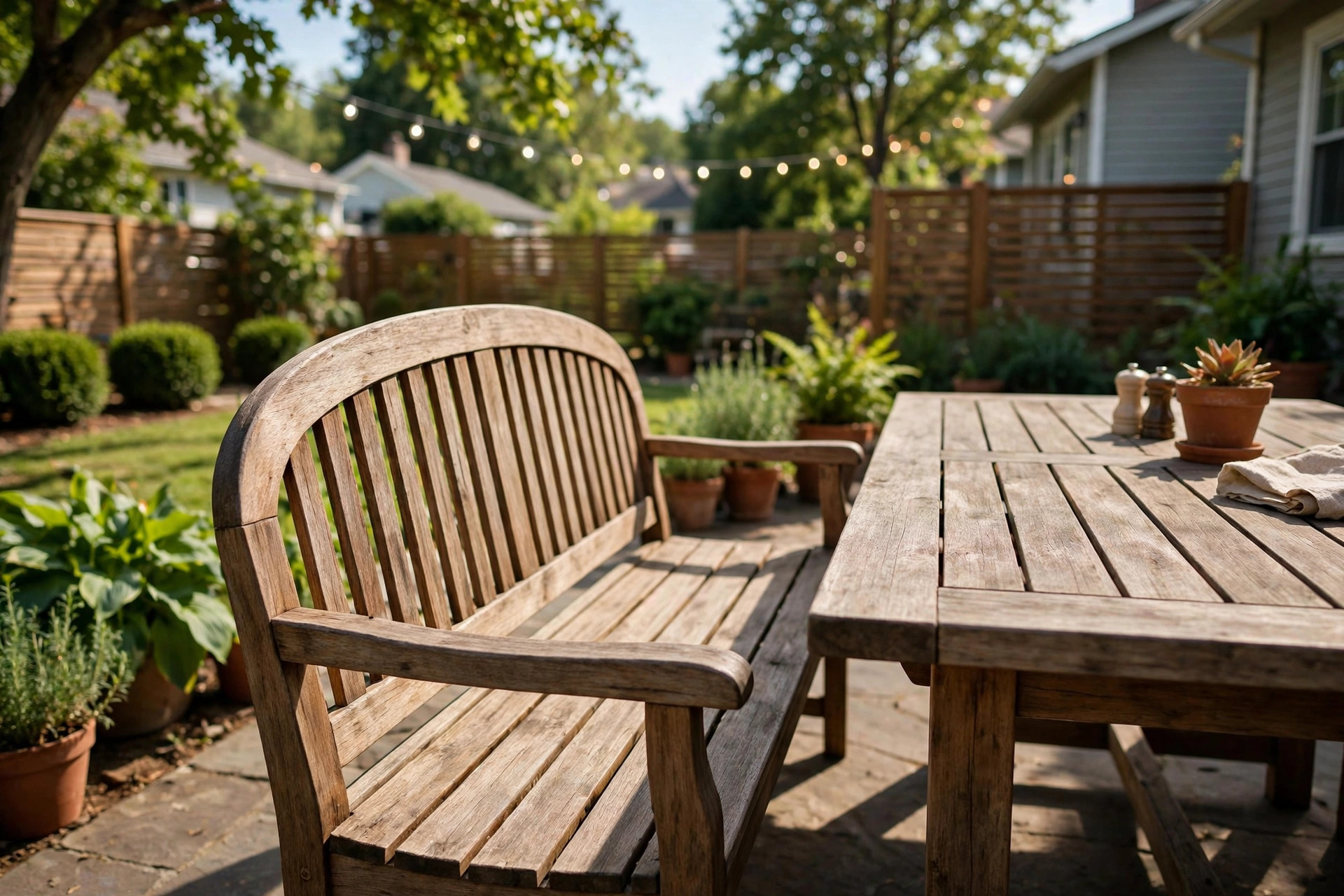

When you read outdoor dining bench with back reviews, one thing stands out. Many people love the extra seats. A bench can hold three or four people where two chairs once stood. The back makes it feel like a real chair. It gives support for long talks and long meals. That is why these benches are a smart pick for patios, decks, and back yards.
A bench with a back is not hard to find. Stores sell them in wood, metal, and plastic. Some are cheap. Some cost a lot. The trick is to find one that lasts. Reviews help with that. Real buyers tell you what the pictures do not. They say if the bench wobbles. They say if it rusts in the rain. They say if it hurts your back after an hour. This guide walks you through those reviews and shows you how to pick the right bench for your home.
Why a Bench With a Back Matters
A dining bench is not a new idea. People have used long benches for hundreds of years. The back is what makes the modern version special. It turns a simple plank into a seat you can rest on.
First, a bench with a back seats more people. A standard bench is about four to five feet long. Two or three adults can sit on it with ease. That makes it good for large families and parties. You can seat six people at a table with two benches. You would need four chairs to do the same. Benches take up less space too. You can push a bench under the table when no one sits on it.
Second, the back gives comfort. A backless bench works for a quick lunch. For a long evening meal, you want to lean back. A well shaped back supports the lower back. It lets you sit for an hour or two without pain. Reviews praise benches with curved or slanted backs. A straight board at a sharp angle can feel stiff.
Third, a bench adds style. A matched pair of benches along a long table looks clean and calm. Wood benches suit a farmhouse yard. Metal benches suit a modern deck. A bench can tie a whole patio set together in a way that mixed chairs do not.
What the Reviews Say: Outdoor Dining Bench with Back Reviews
Reviews of outdoor dining benches with backs point to a few clear lessons. The first is that build quality matters more than looks. Many buyers warn against thin slats and weak screws. A good bench feels solid when you push it. A weak one shakes from side to side.
Wood gets high marks for looks but mixed marks for care. Buyers love cedar and teak benches. They say the wood weathers to a soft gray. They also say you must oil it each year to keep the color. Some buyers report cracks after two summers. They blame thin boards and poor drying. Look for reviews that mention the bench after one full year of use. Those are the honest ones.
Metal benches get praise for strength. Steel benches hold heavy loads without bending. The main complaint is rust. Reviews often say rust starts at the joints. Buyers suggest checking that the bench has sealed welds and a good powder coat. Aluminum benches do not rust, but some feel light. A light bench can tip or blow over in strong wind.
Resin and plastic benches get good marks for price and easy care. Buyers like that they need no paint or oil. The complaints are about heat and sag. Dark plastic seats get hot in the sun. Cheap resin can sag in the middle after a season or two. Reviews suggest looking for benches with a steel frame inside the plastic shell.
Across all types, buyers agree on one point. Seat depth and back height matter most for comfort. A seat that is too shallow feels like a stool. A back that is too low gives no support. Reviews often give the seat depth in inches. Look for that number.
Types of Outdoor Dining Benches With Backs
Wooden Benches
Wood is the classic choice. Cedar, teak, acacia, and eucalyptus are common. Cedar resists rot and insects. Teak holds up in rain and sun for many years. Acacia is hard and cheap but needs oil to stay dark. Eucalyptus is close to teak in strength and costs less.
Reviews of wooden benches with backs praise the warm look. Buyers say a wood bench ages well if you care for it. The back on a wood bench is often made of three or four curved slats. That shape feels good against the back. Look for stainless steel hardware. Plain steel screws will bleed rust onto the wood.
Metal Benches
Metal benches are built from steel, aluminum, or cast iron. Steel is the strongest and the heaviest. A steel bench stays put in the wind. Aluminum is light and never rusts. Cast iron looks old and fine but is very heavy and can rust if the paint chips.
Reviewers like metal benches for long life. A well coated steel bench can last a decade. The downside is heat. Metal seats get hot in full sun and cold in the evening. Many buyers add outdoor cushions. Check the welds in the photos. Clean, smooth welds hold better than rough ones.
Plastic and Resin Benches
Plastic and resin benches are the budget pick. They cost less than wood or metal. They need no paint, no oil, and no stain. You can hose them off in minutes. Reviews say the best ones look like real wood from a few feet away.
The weak point is sag and sun damage. Cheap plastic can fade in strong sun. Thin seats can dip in the middle under a heavy load. Look for benches rated for high weight. Some have a metal frame hidden inside. Those get better reviews.
Cushioned and Upholstered Benches
Some benches come with thick outdoor cushions. Others have a soft seat built in. Buyers rate these as the most comfortable. They are also the most work. Cushions must dry after rain. Sun fades the fabric over time. Reviews suggest buying a bench whose cushions have removable, washable covers. Keep a dry box or shed nearby for storage.
How to Choose the Right Bench
Start with size. Measure your table and your space. A bench should be a few inches shorter than the table so it slides under. Standard dining height is about 18 inches for the seat. Dining tables run 28 to 30 inches high. A bench seat at 17 to 19 inches pairs well with most tables.
Next, check the seat depth. A good dining seat is 15 to 18 inches deep. Shallow seats push you forward. Deep seats let you sit back against the backrest. For the back itself, look for a height of 16 to 20 inches above the seat. A curved or tilted back feels better than a flat board.
Check the weight limit. A four foot bench should hold at least 400 pounds. Better ones hold 500 or more. If large adults will use it, look for a high rating. Reviews often test this by having two or three people sit at once.
Look at the frame and joints. Screws should be stainless steel or brass. Bolts should have caps that do not catch on clothes. If the bench folds, test the hinge. A weak hinge is a common failure point in reviews.
Finally, think about who sits on it. For tall people, a high back helps. If you are matching the bench to other seats, compare styles. A rustic wood bench may look odd next to a glass table. Many buyers pair a bench with an affordable outdoor dining table for eight for big family meals. Others mix a bench with a single lounge seat like the best adirondack chair for tall people at the head of the table.
Cost and Price
Prices for outdoor dining benches with backs vary a lot. A basic resin bench can cost 60 to 120 dollars. A mid range wood or steel bench runs 150 to 350 dollars. A large teak bench can cost 500 to 900 dollars or more.
What drives the price? Wood type is the biggest factor. Teak costs far more than pine. Size matters too. A six foot bench costs more than a four foot one. Brand and build quality add to the price. A bench with mortise and tenon joints costs more than one held together with simple screws.
Reviews suggest a sweet spot. Benches in the 150 to 300 dollar range get the best mix of praise and value. Cheaper benches often fail in a year or two. Very costly ones do not always last longer. Read the one star and two star reviews before you buy. They show the real flaws.
Also count the extra costs. You may need a cover. You may need wood oil or a sealant. You may want cushions. A 200 dollar bench can turn into a 300 dollar project. Plan for that before you order.
Care and Upkeep
Care depends on the material. Wood benches need the most work. Oil or seal them once a year. Clean them with mild soap and water in the spring. Sand small rough spots with fine sandpaper. Keep wood benches off wet soil. Use feet pads or place them on a deck or stone.
Metal benches need less work. Wash them twice a year. Touch up paint chips with outdoor paint before rust starts. Check bolts each spring and tighten them. Store steel benches under cover in harsh winters if you can.
Plastic and resin benches need the least care. Hose them down when dirty. A mix of dish soap and water removes most stains. Avoid harsh cleaners. They can dull the finish. Bring light plastic benches inside during storms so they do not blow away.
Cushions need their own routine. Shake them out each week. Wash covers by hand or on a gentle cycle. Let them dry in the sun. Never store damp cushions in a box. Mold grows fast in a closed, wet space. Some buyers pair their bench with an outdoor loveseat with storage box so cushions have a dry home near the patio.
For all benches, a cover helps. A good cover keeps off rain, sun, and bird droppings. It can add years to the life of the bench. Make sure the cover fits. A loose cover flaps and wears the finish.
Safety Tips
Safety is simple but worth a note. Place the bench on flat, firm ground. A bench on soft grass can sink on one side and tip. If the bench is light, anchor it or store it in high wind.
Check the weight limit and respect it. Do not let children stand or jump on the bench. Teach kids to sit, not climb. Splinters are a real risk with old wood. Sand the bench each spring and check for loose slats.
Watch for pinch points on folding benches. Keep fingers clear of the hinge when you open or close it. If a bench wobbles, stop using it. Tighten the bolts or replace the part. A broken bench can fail without warning.
For homes with small children, the U.S. Consumer Product Safety Commission offers general outdoor product safety guidance worth a look. It covers safe play and safe furniture use around the home.
Frequently Asked Questions
How long is a standard outdoor dining bench? Most dining benches run four to five feet long. That seats two to three adults. Six foot benches seat three to four. Match the bench length to your table so it can slide underneath.
What seat height works with a standard dining table? A seat height of 17 to 19 inches pairs with tables that are 28 to 30 inches high. This is the standard dining range. If your table is taller, like a counter height table, you need a taller bench.
Is a bench with a back better than a backless bench? For comfort, yes. A back gives support for long meals. For space, a backless bench wins. It slides fully under the table and doubles as extra seating elsewhere. Many buyers own both.
Which material lasts longest outdoors? Teak and powder coated aluminum last the longest with the least care. Teak can last decades. Aluminum never rusts. Steel lasts long too if the coating stays intact. Cheap pine and thin plastic last the shortest.
How do I stop my bench from wobbling? First, place it on flat ground. Then check every bolt and screw. Tighten them. If the legs are uneven, add felt or rubber pads under the short leg. If the frame is bent, it may be time to replace the bench.
Should I buy cushions for my bench? Cushions add comfort, but they add work. If you eat outside often, cushions are worth it. Buy outdoor rated fabric with removable covers. Store them dry. If you want low care, pick a bench with a curved wooden back and skip the cushions.
A Final Word
Outdoor dining bench with back reviews tell a plain story. Comfort and build quality beat looks. Measure your space. Pick a material that fits your weather. Read the low reviews before the high ones. Spend a fair amount, but do not assume the costliest bench is the best.
A good bench turns a patio into a place where people stay. Meals run long. Talks run longer. Pick a bench with a back you can lean on, and you will use it for years. For more ideas on patio seating, browse the outdoor furniture ranges at IKEA or compare patio seating styles at Wayfair. Independent product reviews can also help you compare build quality before you buy.
References
IKEA. (n.d.). Home furniture and outdoor living. https://www.ikea.com Wayfair. (n.d.). Patio furniture and outdoor seating. https://www.wayfair.com Consumer Reports. (n.d.). Product ratings and reviews. https://www.consumerreports.org U.S. Consumer Product Safety Commission. (n.d.). Outdoor product safety. https://www.cpsc.gov
Was this guide helpful?

About Lisa Anderson
The My Garden US editorial team writes practical, in-depth home and garden guides for American homeowners — tested advice, no fluff.
You May Also Like
Outdoor Patio Heater Cover Waterproof Reviews: A Plain Buying Guide
February 2, 2026 0 views
Outdoor Bar Stools for Patio Counter Height: A Practical Buying Guide
June 22, 2026 0 views
Patio Furniture for Airbnb Backyard Ideas
April 15, 2026 0 views