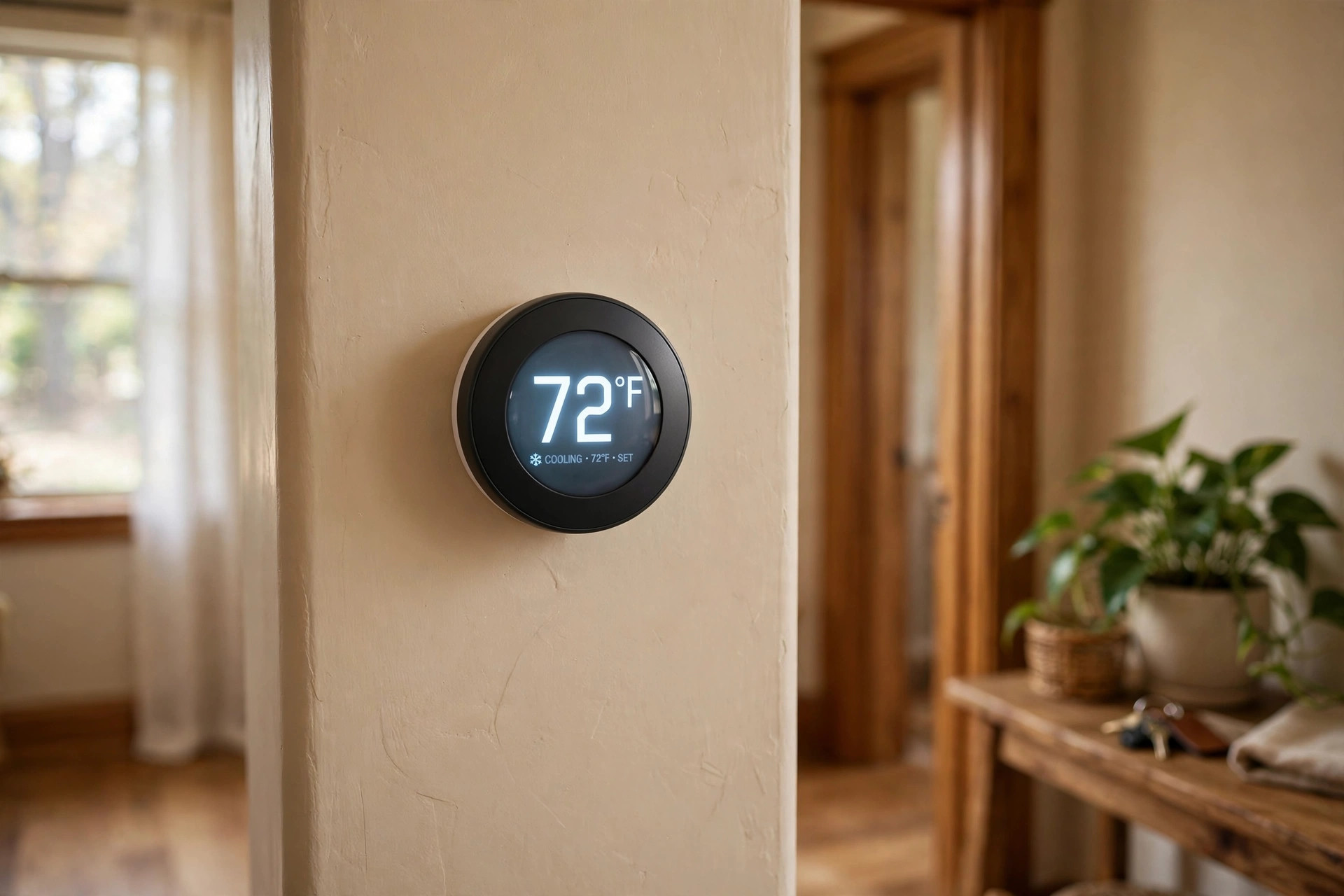

A thermostat is a small box with a big job. It keeps the house warm in winter and cool in summer. A learning thermostat does this job with less work. It watches the daily pattern of the house. Then it builds a schedule on its own.
Many older Americans find these devices hard to trust at first. The small screens look confusing. The phone apps feel like too much. But the best learning thermostat for seniors in the USA is not a gadget for the young. It is a quiet helper for the older home. It needs fewer touches, not more.
This guide explains what matters, what to buy, and how to set it up. The language is plain. The advice is practical.
Why a Learning Thermostat Matters for Senior Homes
Comfort matters more with age. Older bodies feel cold faster. They also overheat faster. A steady indoor temperature protects health. Doctors have long warned that cold homes raise blood pressure and that hot rooms strain the heart. The U.S. Consumer Product Safety Commission reminds households each year that safe heating practices start with control equipment that works.
A learning thermostat keeps that steady temperature without daily work. A senior does not need to walk to the wall and push buttons four times a day. The device learns the rhythm. It learns that the bedroom should warm at seven in the morning. It learns that the living room can cool down after ten at night.
Family members gain peace of mind too. Many models let a son or daughter check the home temperature from a phone. If a parent forgets to turn on the heat before a cold night, the family can adjust it from miles away. For families comparing this idea with other aids, our smart home for elderly parents checklist usa covers door sensors, lights, and cameras that pair well with a thermostat.
Energy bills also fall. The federal ENERGY STAR program notes that heating and cooling make up a large share of the home energy bill. A learning schedule trims waste. The heat does not run while the house is empty. The air conditioner does not blast on a mild day.
What to Look for in a Learning Thermostat for Seniors: Best Learning Thermostat for Seniors Usa
Not every learning thermostat suits an older user. Some models hide the controls inside a phone app. A senior who does not use a smartphone would be left with nothing. Look for these features first.
A large, clear display
The screen should show the current temperature in big digits. It should be readable from six or eight feet away. The set point should stand out. Color screens that glow softly in a dark hall help at night. A device with a tiny display and fine print is the wrong choice.
A physical way to change the temperature
The thermostat should change the setting with a simple turn or a big up-and-down button. Many seniors trust a dial they can feel. Models like the Google Nest line use a ring that turns around the face of the device. This keeps the habit of the old round thermostat alive. Reviewers at CNET often praise this simple control style for less tech-savvy users.
A true learning mode
The point of a learning model is self-scheduling. After one or two weeks of normal use, it should set the daily schedule by itself. Ask whether the model builds its schedule on its own, or whether the owner must program times and days by hand. True learning saves effort. Manual programming brings back the old clock thermostat.
Remote sensors for uneven homes
Many American homes have one warm room and one cold room. A remote sensor sits in the bedroom and tells the thermostat the real temperature there. This matters for seniors who spend most of the day in one room. The system then heats to that room’s need, not the hallway’s.
Voice control as a backup
A thermostat that works with Alexa or Google Assistant lets a senior say, “Set the heat to 72.” No walking, no buttons. This helps people with sore hands or poor balance. It is a backup, not the main control. The wall device must still work on its own.
Simple app for the family, not for the senior
The phone app should be simple enough for an adult child to set up in twenty minutes. Look for apps with plain screens and few menus. PCMag tests smart home apps for clarity and rates ease of setup highly for senior-friendly picks.
No required monthly fee
Some smart home gear needs a paid plan. A thermostat should not. The best learning thermostats for seniors charge nothing extra per month. Avoid any model that locks core features behind a subscription. As with our review of the best smart thermostat for vacation rental usa, ownership costs should end at the purchase price.
Types of Learning Thermostats on the Market
Three styles dominate the American market. Each suits a different home.
Dial-style learners
The Google Nest Learning Thermostat is the best-known example. A metal ring around the face turns to change the temperature. Press it once to open the menu. The Farsight feature lights the display as a person walks near. For many seniors, this feels like the round Honeywell dial of the past, made smarter. Detailed specs and compatibility tools sit on the Google Store page for Nest thermostats.
Touchscreen learners
Ecobee models use a glass touchscreen with large touch targets. They ship with a room sensor in the box. The screen shows weather, time, and temperature in plain layout. Seniors who read well and like clear screens often prefer this style. Our ecobee vs honeywell thermostat comparison usa breaks down how these two approaches differ in daily use.
Brand-kit thermostats
Honeywell Home (Resideo) and Sensi make thermostats that look plain and feel familiar. Some learn schedules; others run simple programs. Their strength is the plain wall unit. Their weakness is a less polished app. They suit seniors who want the wall device to do almost everything. Consumer Reports tests all these brands side by side and scores reliability from owner surveys.
Cost and Price: What to Expect in 2026
Learning thermostats cost more than basic models. Prices in the United States run as follows.
– Basic learning thermostats: 130 to 180 dollars. – Mid-range models with room sensors: 170 to 250 dollars. – Premium models with large color displays: 250 to 330 dollars.
The Google Store lists the latest Nest prices and often runs seasonal sales. Watch for deals in fall, when heating season begins.
Rebates cut the real price. Many electric and gas utilities offer 50 to 100 dollar rebates for smart thermostats. Some utilities give the device free through energy-saving programs. Check the local utility website before buying. The federal government also backs efficiency: the U.S. Department of Energy keeps guidance on home energy savings that covers thermostat upgrades.
Installation adds cost if a pro is hired. A standard install runs 100 to 200 dollars. Most homes with a C-wire need no new wiring. The box usually fits where the old thermostat sat. Family members with basic tool skills often finish the job in under an hour. Reviews at The Verge note that newer models ship with clearer wiring labels than early ones.
Running cost is nearly zero. The device draws little power. There is no monthly fee. Savings on the bill often repay the purchase within two years. ENERGY STAR certified models must prove real savings in testing.
How to Set Up a Learning Thermostat for a Senior
Setup decides whether the device is loved or ignored. Follow these steps.
1. Mount it where the old one sat. The hallway or living room wall works. Keep it away from direct sun and drafts. 2. Turn on learning mode. The device will ask. Say yes. Do not try to program a schedule by hand. 3. Set the temperature by hand for the first two weeks. Turn it up when cold. Turn it down when warm. The thermostat records each change. 4. Let the schedule form. After about ten to fourteen days, the device builds its daily plan. Check it once in the app. Fix anything odd. 5. Add the family to the app. Install the app on one adult child’s phone. Share the home. Turn on alerts for extreme cold. 6. Write down the basics. Put a small card near the thermostat: “Turn the ring to change the heat. The screen shows the current temperature.” A written note beats a manual nobody reads.
Seniors who live alone benefit from temperature alerts. If the house drops below 55 degrees, the app can warn the family. This catches a failed furnace before pipes freeze. Home safety services like SimpliSafe and ADT also offer temperature sensors, but a thermostat’s own alert is simpler and cheaper.
Care and Upkeep
A learning thermostat needs little care. Wipe the face with a dry cloth now and then. Dust on the sensor can skew the reading. Keep the area around the wall unit clear of furniture.
Check the schedule twice a year. Spring and fall are good times. Look at the planned temperatures for each part of the day. Adjust for the season. A schedule built in winter may not suit summer.
Watch the batteries if the model uses them. Most learning thermostats draw power from the heating system. Some older homes lack a C-wire. In those homes, the battery drains faster. If the screen dims or the device restarts, check the wiring. A pro can add a C-wire or install a power adapter.
Software updates arrive on their own. The device restarts at night. Nothing needs doing. If the screen freezes, hold the device or press its reset button for ten seconds. It returns within a minute.
Safety Notes for Senior Households
Heat and cold are health matters for older people. Set sane limits. Most doctors suggest 68 to 72 degrees in winter for seniors. In summer, 75 to 78 degrees keeps the body safe without a shocking bill.
Never let the heat drop below 55 degrees in winter, even when away. Pipes freeze. The house suffers. Set an away minimum in the app.
Carbon monoxide alarms matter in homes with gas heat. The thermostat is not an alarm. Keep a working CO alarm on each floor. The U.S. Consumer Product Safety Commission publishes guidance on alarm placement and replacement.
Keep the thermostat out of reach of small grandchildren only if settings are a problem. Some models lock the screen with a PIN. Turn the lock on if curious hands keep changing the temperature.
Vent the home well when using gas or oil heat. The thermostat controls the furnace, not the air quality. Change the furnace filter every two to three months. A clogged filter makes the system work harder and heats the house unevenly.
Frequently Asked Questions
Do learning thermostats work without a smartphone?
Yes, for daily use. The wall unit shows the temperature and changes it by touch or dial. A smartphone is needed only for setup and for the family’s remote checks. The senior never has to open an app.
What is a C-wire, and does my home need one?
A C-wire is a small wire that gives the thermostat steady power. Many homes built after 1980 have one. Older homes may not. Without it, some models use batteries or a power adapter. Check the wires before buying. The product page on the Google Store includes a compatibility checker.
Will a learning thermostat work with my old furnace?
Most work with gas furnaces, heat pumps, and central air. Very old two-wire systems and some high-voltage baseboard heaters need special models. Read the compatibility list. When in doubt, call the maker or a local HVAC pro.
Can the family see and control the temperature from far away?
Yes. Once the app is set up and shared, an adult child can view the home temperature and change the setting from any phone. Alerts warn of extreme cold or heat. This is one of the main reasons families choose these devices for aging parents.
How long does it take to learn the schedule?
About one to two weeks of normal use. The more the senior adjusts the temperature by hand during this time, the better the schedule becomes. After that, hand changes are rare. The device follows the learned plan.
Are learning thermostats safe from hackers?
No connected device is risk-free, but the risk is low with basic care. Use a strong home Wi-Fi password. Turn on two-step sign-in for the thermostat account. Buy from known makers. PCMag security reviews advise against cheap no-name smart home gear for exactly this reason.
A Short Final Word
The best learning thermostat for seniors in the USA is the one the senior will actually use. A big screen, a simple dial, and a schedule that builds itself beat a wall of features. The family gets remote peace of mind. The energy bill drops. The house stays steady.
Start with the compatibility check. Look for a model with a physical control and a room sensor. Set it up with patience. Write the small card. After two weeks, the device takes over the routine, and the senior can go back to simply living in a comfortable home.
References
ADT. (n.d.). Home security and automation. https://www.adt.com CNET. (n.d.). Technology news and reviews. https://www.cnet.com Consumer Reports. (n.d.). Product reviews and ratings. https://www.consumerreports.org ENERGY STAR. (n.d.). Energy efficient products. https://www.energystar.gov Google Store. (n.d.). Smart home devices. https://store.google.com PCMag. (n.d.). Technology product reviews. https://www.pcmag.com SimpliSafe. (n.d.). Home security systems. https://www.simplisafe.com The Verge. (n.d.). Technology news and reviews. https://www.theverge.com U.S. Consumer Product Safety Commission. (n.d.). Product safety information. https://www.cpsc.gov U.S. Department of Energy. (n.d.). Energy efficiency and renewable energy. https://www.energy.gov
Was this guide helpful?

About Jennifer Lee
The My Garden US editorial team writes practical, in-depth home and garden guides for American homeowners — tested advice, no fluff.
You May Also Like
Best Home Safe for Documents Reviews USA
February 5, 2026 0 views
Home Security System Installation Cost USA: A Plain Guide for Homeowners
January 10, 2026 0 views
Basement Window Security Bars Reviews USA: A Plain Buyer’s Guide
January 14, 2026 0 views