
Introduction
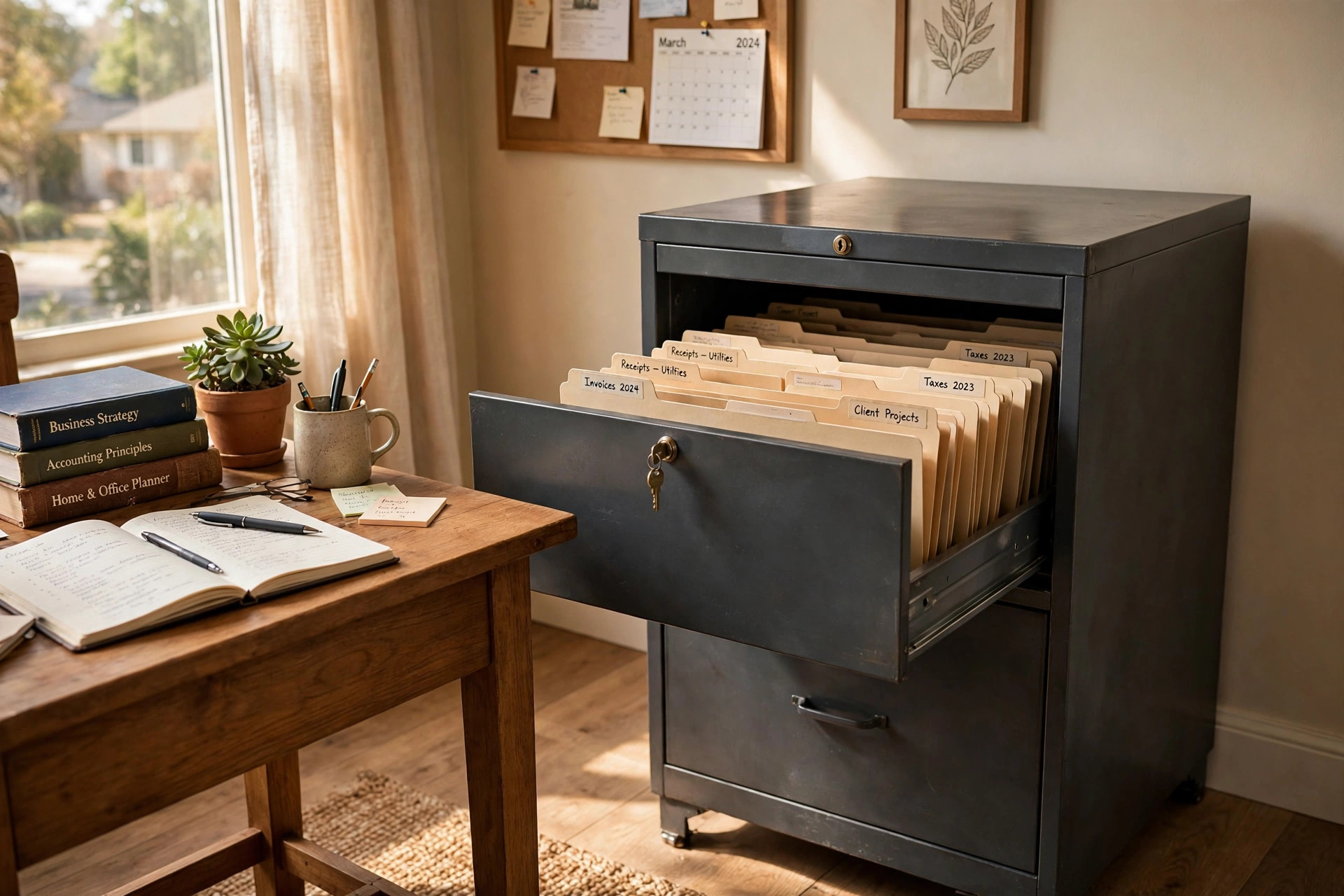
A lockable filing cabinet for home business documents is one of the most useful pieces of furniture a person can buy for a home office. Every small business creates paper. Tax forms arrive in the mail. Contracts need a signature and a safe place. Client records grow month by month. Without a system, this paper spreads across the desk, the shelves, and the kitchen table. Important papers get lost. Deadlines are missed. A locked cabinet solves this problem in a simple way. It gives every document a fixed home. It keeps records out of sight of visitors, children, and strangers. And the lock adds real security. Many small business owners keep cash deposits, signed checks, and personal data at home. A good lock keeps these items safe.
Why It Matters: Lockable Filing Cabinet for Home Business Documents
Paper still runs much of business life. The tax office may ask for proof of a purchase from three years ago. A client may question a line in an old invoice. Insurance claims require written records. In each case, the person who can find the paper in minutes wins. The person who must dig through boxes loses time and calm.
A lockable filing cabinet does more than hold paper. It creates order. Each drawer can serve a separate purpose. One drawer can hold tax records. Another can hold contracts. A third can hold receipts. When the system is clear, filing takes seconds. Research from office furniture makers such as Steelcase shows that a tidy workspace helps people focus. Less clutter means less stress.
Security is the second reason. Home offices are not commercial buildings. Family members, guests, and service workers pass through. A cabinet with a lock protects business papers from prying eyes. It also protects against theft. A locked drawer will not stop a determined thief with tools, but it stops casual theft and curious hands. For a home business, that is often enough. Reviews and guides at Wirecutter often note that simple locks suit most home offices well.
What to Look For
Size and Drawer Count
Most home business owners do well with a two-drawer cabinet. Two drawers fit a decade of tax files and current contracts. A four-drawer cabinet suits a busier business. Before buying, count the file boxes you already own. Then add room for growth. A cabinet that is too small will force you back to boxes within a year.
Lock Type
Common lock types include key locks, combination locks, and push-button locks. Key locks are simple and cheap. Combination locks remove the risk of a lost key. Many cabinets let one key lock all drawers at once. Check this feature. It saves time at the end of each day.
Build Material
Steel is the classic choice. It resists dents and wear. Wood and wood-look cabinets match home furniture better. Fire-resistant models add a layer of safety for vital records. Home office guides at The Spruce compare materials in plain terms for new buyers.
Drawer Slides
Full-extension slides let a drawer open all the way. This matters. Deep files at the back of a shallow-opening drawer are hard to reach. Ball-bearing slides move smooth and last longer than cheap roller slides. If you open drawers many times a day, pay for better slides.
Weight and Floor Load
A full cabinet is heavy. Four drawers of paper can weigh over two hundred pounds. Check that your floor can bear it. Upper floors and attics need care. Spread the load if the floor feels weak. A wide lateral cabinet spreads weight better than a tall narrow one.
File Size Fit
Check that the drawers take letter or legal size hanging folders. Most American cabinets fit letter size. Legal size needs deeper drawers. Measure your longest papers before you shop. Product pages at Wayfair list exact drawer depth, so compare the numbers to your files.
Types and Options
Vertical cabinets are tall and narrow. They take little floor space. They suit small rooms and closets. Two-drawer and four-drawer models are the standard forms.
Lateral cabinets are wide and short. The drawers open sideways. One lateral drawer can hold as much as two vertical drawers. The flat top works as a shelf for a printer or scanner. A best printer stand with storage for home office pairs well with a lateral cabinet, since the cabinet top can serve the same role.
Mobile cabinets sit on wheels. They roll under a desk or into a closet. They suit people who rearrange often. Look for locking wheels so the cabinet stays put when you need it still.
Fire-resistant cabinets carry a rating, often one hour. They cost more. They protect vital papers such as deeds, licenses, and signed contracts from fire damage. For irreplaceable documents, the extra cost is worth it.
Wood and laminate cabinets blend with home decor. They look less like office equipment. Brands known for home design, such as IKEA, sell storage lines that pair a locking cabinet with matching shelves and desks.
Lockable credenzas and storage cupboards are another option. They hold files behind doors rather than in drawers. They look like living room furniture. The lock works the same way. They suit owners who want storage that does not look like an office.
Cost and Price
Prices vary wide. A basic two-drawer steel cabinet costs about forty to ninety dollars. A sturdy four-drawer model runs one hundred to two hundred fifty dollars. Fire-resistant models start near three hundred dollars and rise with the fire rating. Wood and designer cabinets can cost more than steel for the same storage.
The lock adds little to the price. A cabinet with a lock costs only slightly more than the same cabinet without one. That makes the lock an easy choice. When you compare prices, add the cost of hanging folders and labels. These small items complete the system. Office supply guides at PCMag note that total setup cost stays low even with good accessories. Buy the cabinet first. Add folders, labels, and a shredder in the weeks after. Spreading the cost over two months makes a full setup easy on the budget.
Care and Upkeep
A filing cabinet needs little care. Dust the top once a month. Wipe the body with a damp cloth. Do not use harsh cleaners on painted steel. They strip the finish.
Oil the drawer slides once a year with a light machine oil or silicone spray. This keeps drawers moving smooth. If a drawer sticks, check for bent rails before forcing it. A bent rail can often be straightened with care.
Keep a spare key in a safe place away from the office. Many locks are cheap to replace, but a lost key at tax time is a poor surprise. Write the lock code, if any, in a password manager rather than on a sticky note on the cabinet.
Review your files once a year. Shred papers past their legal keep time. Old tax records can go after seven years in most cases. Old receipts can go sooner. Purging keeps drawers roomy and the system fast. A related long-tail idea, a standing desk anti fatigue mat for hardwood floors, may matter for comfort during long filing sessions at a standing desk anti fatigue mat for hardwood floors workstation nearby.
Safety
Place the cabinet on level ground. A tall cabinet can tip if top drawers are full and bottom drawers are empty. Fill bottom drawers with heavy files first. Anchor a tall cabinet to the wall with a strap or bracket, especially if children are in the home.
Do not store flammable liquids or strong chemicals in a filing cabinet. Paper and heat do not mix. Keep the cabinet away from heaters and direct sun.
If your business handles client data, such as medical or financial records, a locked cabinet may be part of your legal duty. Rules differ by field and state. A lockable filing cabinet for home business documents is a sound first step toward data care. Digital backups add another layer. Scan key papers and store copies offsite or on an encrypted drive. Then the paper copy and the scan protect each other. If one is lost, the other remains. When you set up the whole room, a small desk with built in bookshelf for students is not the right model for business use, but its space-saving idea shows how a compact office can still hold a secure cabinet, a desk, and supplies in one corner.
FAQ
What size filing cabinet does a small home business need? A two-drawer vertical cabinet suits most solo owners. It holds several years of tax files, contracts, and receipts. Busy firms with staff may need four drawers or a wide lateral model. Count your current boxes first, then buy one size up.
Are locking filing cabinets worth the extra cost? Yes. The lock adds only a small amount to the price. It protects tax forms, signed checks, and client data from guests, children, and casual theft. For a home business, this small cost buys real peace of mind.
Can a filing cabinet go in a closet? Yes, if the closet is dry and has room for the drawers to open. A vertical two-drawer cabinet fits most closets. Leave a few inches of clearance above for the lock and drawer movement. Keep the closet door able to close without pressing on the cabinet.
What is the difference between vertical and lateral filing cabinets? Vertical cabinets are tall and narrow, with drawers that pull toward you. Lateral cabinets are wide and short, with drawers that open sideways. Lateral drawers hold more per drawer, and the flat top serves as a shelf. Vertical models take less floor space. Ergonomic furniture makers like Herman Miller and UPLIFT Desk plan office layouts around both forms.
How do I organize files inside the cabinet? Give each drawer a theme: taxes, contracts, receipts, clients. Use hanging folders with clear labels. Put the most-used files in the top drawer. Purge once a year. A simple system you keep is better than a perfect system you abandon.
Should I buy a fire-resistant model? Buy one if you keep papers that cannot be replaced: deeds, licenses, signed originals, wills. One-hour fire-rated cabinets cost more but protect vital records. If all your key papers also exist as scans or copies offsite, a standard steel cabinet with a lock is enough.
Final Word
A lockable filing cabinet for home business documents is a quiet worker. It asks for little space and little money. In return, it brings order, speed, and safety to the paper side of a home business. Choose the right size, check the lock and the slides, and set up a simple filing system on day one. Years from now, when the tax letter arrives or the client calls with a question, you will open the right drawer and find the right paper in seconds. That is the whole value of the cabinet, and it is worth every cent.
References
Herman Miller. (n.d.). Office furniture and ergonomic seating. https://www.hermanmiller.com IKEA. (n.d.). Home furnishings. https://www.ikea.com PCMag. (n.d.). Technology product reviews. https://www.pcmag.com Steelcase. (n.d.). Office furniture and workplace research. https://www.steelcase.com The Spruce. (n.d.). Home and garden advice. https://www.thespruce.com UPLIFT Desk. (n.d.). Standing desks and ergonomic office furniture. https://www.uplift-desk.com Wayfair. (n.d.). Furniture and home goods. https://www.wayfair.com Wirecutter. (n.d.). Product reviews from The New York Times. https://www.nytimes.com/wirecutter
Was this guide helpful?

About Jennifer Lee
The My Garden US editorial team writes practical, in-depth home and garden guides for American homeowners — tested advice, no fluff.
You May Also Like
Compact Bookshelf for Home Office Closet Setup: A Small-Space Guide
July 28, 2026 0 views
Ergonomic Seat Cushion for Wooden Office Chair: A Plain Guide to Sitting in Comfort
September 19, 2026 0 views
Best L Shaped Standing Desk for Corner Office: A Buyer’s Guide
May 30, 2026 0 views