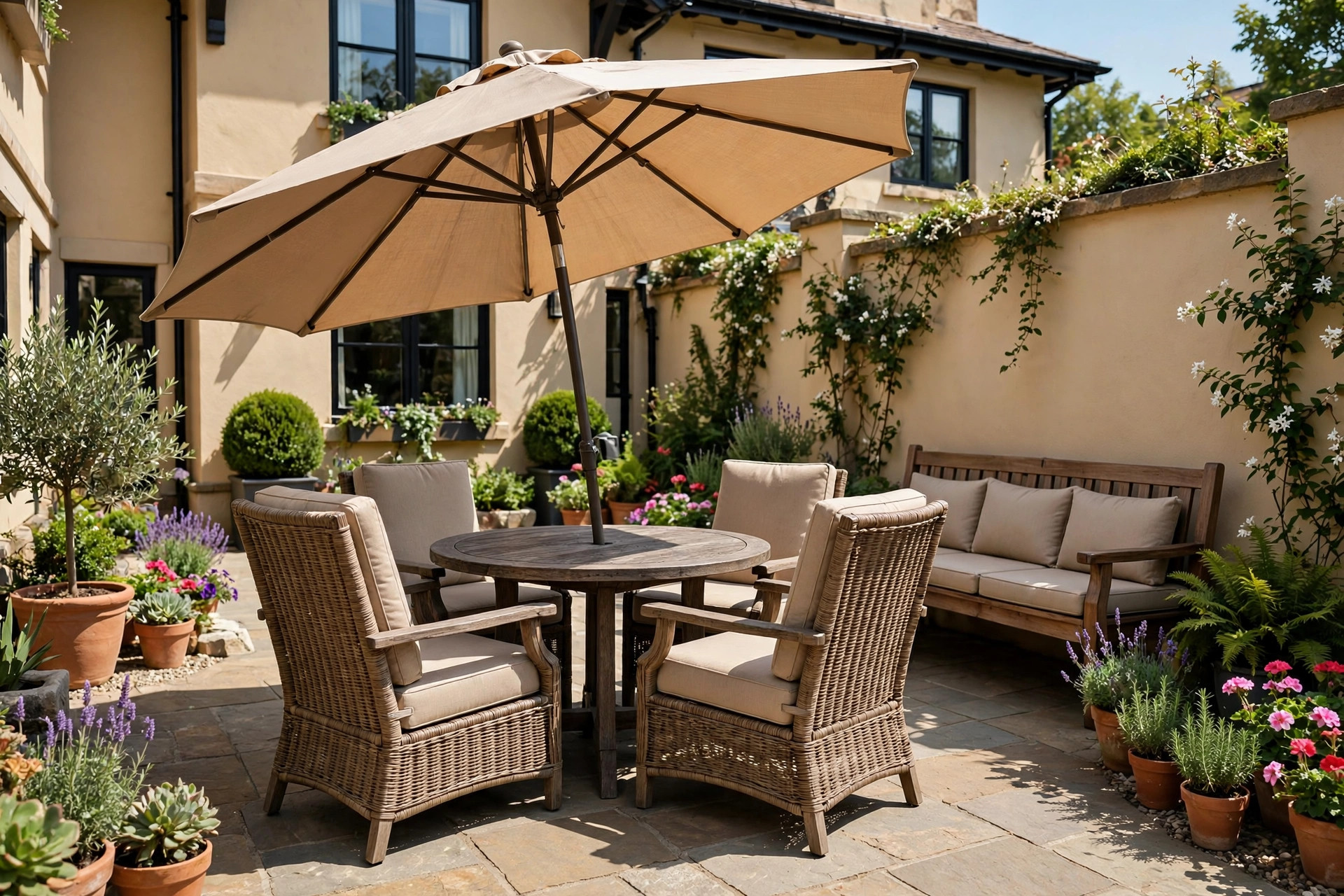

Patio furniture for senior living communities serves a purpose that goes far beyond simple decoration. A patio, a courtyard, or a garden terrace gives residents a reason to step outside, feel the sun, and share time with friends. The right chairs, tables, and benches can make those spaces welcoming and safe. The wrong ones can turn a pleasant courtyard into a place residents avoid. This guide explains what matters most when choosing outdoor furniture for retirement communities, assisted living homes, and other senior residences.
Why Good Outdoor Furniture Matters for Seniors
Older adults benefit from time spent outside. Fresh air and daylight lift the mood. A short walk to the patio can break up a long day indoors. Studies over the years have shown that gentle outdoor activity supports both body and mind in the later years of life.
But the furniture must earn the trust of the people who use it. A chair that tips, wobbles, or sits too low can cause a fall. A table with sharp corners can cause bruises. For many residents, joints are stiff and balance is poor. The design of every piece must respect those limits.
Good patio furniture for senior living communities also serves the staff. Light maintenance saves labor. Easy cleaning keeps the area tidy. Durable materials mean fewer repairs and fewer replacements. When the furniture works well, the whole outdoor program works better.
What to Look for When Choosing Furniture: Patio Furniture for Senior Living Communities
Comfort comes first, but comfort for seniors has a special meaning. Seat height is the key detail. A chair that sits 17 to 19 inches from the ground lets most adults rise without a hard push. Chairs that sit lower, like many deep lounge seats, can trap a resident and make standing hard.
Armrests matter a great deal. Sturdy armrests give residents something to grip when they sit down and stand up. The best designs place the armrests at a height that supports the elbow without forcing the shoulder to lift. Wide, flat armrests work better than thin rails.
Stability is next. The base of the chair should be wide. Four solid legs beat a single swivel post in most cases. Rockers and gliders can be pleasant, but they must have a locking feature or a design that will not tip backward. Test any rocker by leaning back firmly before it goes into a shared space.
Weight deserves thought. Furniture should be heavy enough to resist wind and to feel solid when a resident leans on it. Yet it should not be so heavy that staff cannot move it for cleaning or events. Many communities use pieces in the 20 to 40 pound range for chairs.
Types and Options Worth Considering
Dining Sets
Dining tables with matching chairs form the core of most patios. Round tables work well because they have no sharp corners and let wheelchairs pull up close. A 42-inch round table seats four comfortably. Chairs with firm seats and upright backs support good posture during meals.
Conversation Groups
A small group of armchairs around a low table gives residents a place to talk, read, or play cards. Choose chairs with higher seats and firm cushions. Low, soft club chairs look inviting but can be a trap for stiff hips and knees.
Benches
A long bench along a walkway or wall gives resting spots between buildings. A best outdoor bench with backrest reviews list can help you compare models with proper back support. Benches should have a backrest and armrests at each end. Without armrests, a bench becomes a fall risk for someone with weak balance.
Rockers and Gliders
Many residents love a gentle rocking motion. A best outdoor rocking chair for porch guide shows models built for porches and patios. Choose rockers with a wide runner base and a seat that does not sit too low. Avoid rockers that lean far back.
Porch Swings
Swings suit sheltered porches more than open patios. A best porch swing for two people guide compares options sized for two adults. The frame must be rated for the combined weight of two large adults plus a margin. Chains and hangers should be checked twice a year.
Shade Pieces
Umbrellas protect residents from strong sun. Table umbrellas that tilt are useful because the shade can follow the sun. A heavy base, at least 50 pounds, keeps the umbrella upright in wind. Retractable awnings cost more but shade a large area without poles that block wheelchairs.
Materials That Hold Up
Aluminum
Powder-coated aluminum is a favorite for senior living. It is light enough to move, strong enough to hold heavy adults, and it does not rust. The powder coat resists chipping and comes in many colors. Look for welded joints rather than bolted ones.
Wrought Iron and Steel
Iron and steel feel solid and look classic. They are heavy, which helps stability. The drawback is rust. In damp climates, rust can appear within two years if the finish chips. Choose galvanized steel with a thick powder coat, and touch up chips promptly.
Resin Wicker
All-weather resin wicker gives a warm look without the rot of natural wicker. Good resin wicker is woven over an aluminum frame. Cheap versions use a steel frame that rusts from inside the weave. Check the underside before buying.
Teak and Other Woods
Teak resists weather and looks rich. It costs more and needs oiling to keep its color. Other hardwoods, such as eucalyptus and acacia, cost less but need more care. Wood can splinter with age, so sand and seal it each year.
Recycled Plastic Lumber
Furniture made from recycled plastic lumber, sold by makers such as Polywood, never rots, splinters, or needs paint. It is heavy and stable, which suits senior use. Colors run through the material, so scratches show less. The higher weight can be a plus for shared courtyards.
Cost and Price
Prices vary widely. A basic aluminum dining chair costs 80 to 150 dollars. A quality armchair in resin wicker or recycled plastic lumber costs 250 to 500 dollars. Full dining sets for four run 600 to 2,000 dollars. Benches cost 200 to 800 dollars depending on size and material.
For a whole community, budget by zone. A courtyard with two dining sets and one conversation group may cost 3,000 to 8,000 dollars. Premium collections from brands like Frontgate sit at the high end but often last a decade or more.
Labor matters in the total cost. Furniture that needs oiling, painting, or frequent tightening raises the yearly expense. A low-maintenance set can pay for its higher price within three years. Ask suppliers about bulk pricing. Many offer discounts of 10 to 20 percent for orders of 20 pieces or more. Big retailers such as Lowe’s and Home Depot carry commercial-grade lines, and design-focused shops like Article offer simple sturdy styles that fit smaller patios.
Safety Rules to Follow
Safety is the heart of patio furniture for senior living communities. Follow these rules when planning any outdoor space.
First, keep walkways clear. Leave at least 36 inches of open path between furniture groups so walkers and wheelchairs pass freely. Never block the path to a door or a handrail.
Second, fasten or weight everything. Umbrellas need heavy bases. Light tables should sit against a wall or be bolted to the patio. In storm season, stack and store loose pieces.
Third, round the edges. Choose tables and benches with rounded or bullnose edges. Cover any sharp metal corner with a guard if the design cannot change.
Fourth, check heat. Dark metal furniture in full sun can burn skin. Light colors stay cooler. Test seat temperature on a hot afternoon before residents use the area.
Fifth, inspect often. Set a monthly checklist. Look for loose bolts, cracked welds, wobbly legs, and torn fabric. Tighten, repair, or remove damaged pieces at once. Guidance from Bob Vila offers practical maintenance checklists for outdoor furniture.
Sixth, think about glare and vision. Many older adults have weak eyesight. Use cushions and tabletops in contrasting colors so edges are easy to see. Avoid glass tabletops, which can confuse depth perception and break into shards.
Care and Upkeep
A simple routine keeps furniture safe and attractive. Hose down frames monthly during the season. Wash fabric with mild soap and water, then rinse fully so no soap remains to attract dirt. Let cushions dry in the sun before storing them, since trapped dampness breeds mildew.
Store cushions indoors or in deck boxes during rain and winter. In cold regions, bring the whole set into a garage or shed for the winter. If storage is short, use fitted covers that breathe. Cheap plastic tarps trap moisture and cause mildew.
Tighten bolts each spring. Oil moving parts on gliders and folding chairs. Touch up paint chips on metal frames before rust spreads. A yearly deep clean, described in guides like those on The Spruce, keeps the furniture looking fresh for residents and visiting families.
Plan replacements on a cycle. Even the best outdoor furniture lasts 7 to 12 years in daily shared use. Replace a few pieces each year rather than facing one large bill. Keep a record of purchase dates and warranties for every set.
Designing the Outdoor Space
Furniture is only part of the picture. The layout of the patio matters just as much. Group seating in small clusters of four to six seats. Large rows of chairs feel like a waiting room, not a garden.
Place at least one seating cluster near each main door so residents with limited mobility can reach it. Add shade over every cluster. A mix of umbrellas, pergolas, and trees gives choice between sun and shade.
Level the ground. Even a small lip between patio stones can trip a resident. Repair cracks promptly. Choose pavers with a rough surface that grips shoes when wet.
Add small comforts. Side tables at armrest height hold drinks and books. A few planters with bright flowers add color and scent. Soft outdoor lighting lets residents use the patio in the early evening, when the air is cool. Design ideas from HGTV can spark simple, safe layouts for shared courtyards.
Consider sound as well. A small fountain adds pleasant background noise and masks traffic. Keep the pump where staff can reach it for cleaning. Avoid speakers that play loud music, since hearing aids pick up distortion.
Involving Residents in the Choice
The people who will use the furniture should have a voice in the choice. Set up two or three sample chairs in a common room and invite residents to try them. Ask simple questions. Can you sit down and stand up without help? Do the armrests feel right? Is the seat too soft or too hard?
Staff who work the patio daily also have useful views. Ask which pieces are easy to clean and move. Their answers often differ from the catalog promises.
A trial period helps too. Buy a small set first and watch how residents use it for a month. If the chairs sit empty, ask why. The answer may point to a better choice for the full order.
FAQ
What seat height is best for seniors? A seat height of 17 to 19 inches suits most older adults. This range lets residents sit and stand with less strain on knees and hips. Measure from the ground to the top of the seat cushion, not just the frame.
Is wicker or metal better for senior living patios? Both work when chosen well. Metal frames, especially aluminum, are light and strong. Resin wicker over aluminum gives a softer look and feel. Avoid natural wicker outdoors, since it breaks down in rain. Reviews from groups like Consumer Reports compare durability across materials.
How many pieces does a small community courtyard need? Plan for one seat per eight to ten residents in a courtyard that sees daily use. A 40-resident wing might need two dining sets of four plus one conversation group of four. Add one or two benches along paths for resting.
Should we buy furniture with cushions? Firm, thin cushions add comfort without the trap of a deep soft seat. Choose quick-dry foam with removable, washable covers. Avoid loose throw pillows, which slide around and can cause a resident to shift and lose balance.
How do we keep furniture from being stolen? Choose heavy pieces. Bolt benches and tables to the patio where possible. Use cable locks through chair legs at night in open areas. Keep an inventory list with photos so missing items are noticed fast.
Where can we buy commercial-grade patio furniture? Many mainstream stores carry suitable lines. IKEA offers simple affordable sets, while home improvement stores stock heavier duty options. For large orders, ask a commercial furniture dealer for a quote and a warranty in writing.
A Short Final Word
Patio furniture for senior living communities is a small choice with a large effect. The right chair gives a resident the confidence to sit outside on a fine morning. The right table gives two old friends a place to share lunch. Choose pieces that are safe, steady, and easy to use. Keep them clean and in good repair. Ask the residents what they like. Do these simple things, and the patio will become one of the best-loved rooms in the whole community, even though it has no roof at all.
References
Article. (n.d.). Modern furniture. https://www.article.com Bob Vila. (n.d.). Home improvement advice. https://www.bobvila.com Consumer Reports. (n.d.). Product reviews and ratings. https://www.consumerreports.org Frontgate. (n.d.). Outdoor furniture and decor. https://www.frontgate.com HGTV. (n.d.). Home and garden ideas. https://www.hgtv.com IKEA. (n.d.). Home furnishings. https://www.ikea.com Lowe’s. (n.d.). Home improvement products. https://www.lowes.com Polywood. (n.d.). Outdoor furniture. https://www.polywood.com The Home Depot. (n.d.). Home improvement products. https://www.homedepot.com The Spruce. (n.d.). Home and garden advice. https://www.thespruce.com
Was this guide helpful?

About David Wilson
The My Garden US editorial team writes practical, in-depth home and garden guides for American homeowners — tested advice, no fluff.
You May Also Like
How to Find a Patio Furniture Assembly Service Near Me
July 7, 2026 0 views
How to Clean Outdoor Furniture Cushions: A Plain Guide
February 3, 2026 0 views
Patio Furniture for Rooftop Deck Ideas: A Complete Guide
September 29, 2026 0 views