
Introduction
A rain shower head turns an ordinary shower into a calm, steady rain. This rain shower heads reviews buying guide usa will help you read product reviews with a clear eye and pick the right head for your bathroom. You do not need to be a plumber to make a good choice. You only need to know what the reviews mean, what sizes work for your water pressure, and which features are worth the extra money. Many buyers spend too much on looks and too little on water flow. This guide will help you avoid that mistake.
Why a Rain Shower Head Changes Your Morning: Rain Shower Heads Reviews Buying Guide Usa
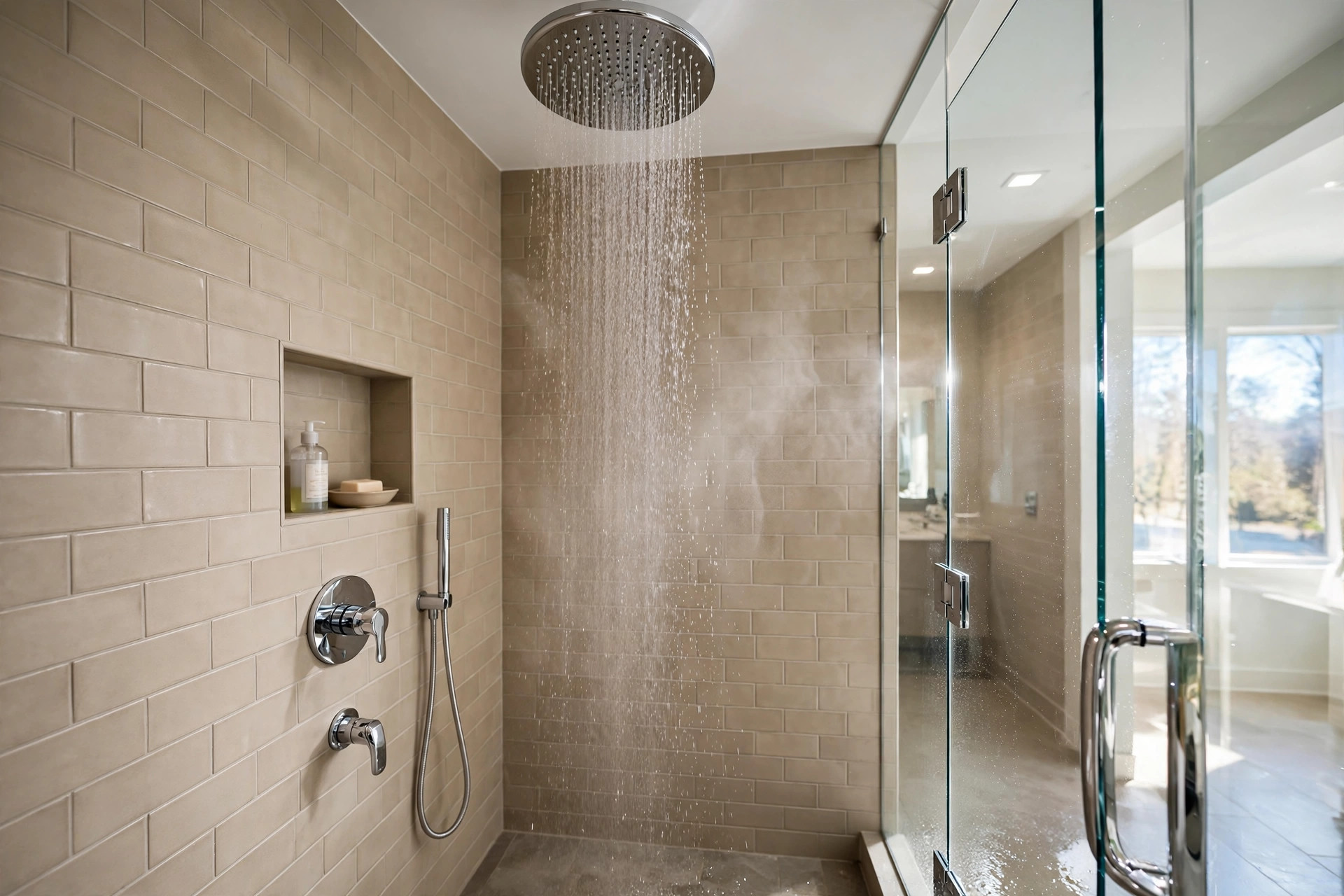
A normal shower head sends out a narrow jet of water. A rain head spreads water across a wide, flat face, so the flow falls down like warm summer rain. Many people say this style feels more gentle on the skin and easier on sore shoulders. It also covers your whole body at once, so you spend less time moving back and forth under the spray.
There are real limits. A rain head will not raise your water pressure. It works best with the pressure you already have. If your home has weak pressure, the wide face can make the flow feel softer still. Reviews are full of buyers who learned this too late. Read them before you buy, not after.
How to Read Rain Shower Heads Reviews the Right Way
Reviews are the most useful part of this buying guide, but only if you read them with care. Five-star ratings can hide poor facts. Here is a simple method that works.
First, sort reviews by the lowest rating. One-star and two-star reviews often tell you the real problems: low pressure, leaking joints, plastic parts that break in a year. If many buyers report the same flaw, believe them.
Second, look at how long people have owned the head. A review written on the first day only tells you about the box and the look. A review written after one year tells you about rust, clogs, and wear. Trust the old reviews more.
Third, check what kind of home the reviewer has. Some buyers praise a head because they have strong well water. Others complain because their city water is weak. Your result will match the reviewers whose water sounds like yours.
Fourth, watch for paid or fake reviews. If every review is short, glowing, and full of the same phrases, treat them with doubt. Consumer Reports tests shower heads in labs instead of relying on buyer comments, and their results often differ from store ratings.
Fifth, read the questions section, not just the ratings. Buyers ask about pipe size, water use, and ceiling height. The answers often come from real owners who have already solved the problem you face.
What to Look for Before You Buy
Head Size and Shape
Rain heads run from 6 inches to 20 inches across. A 10-inch or 12-inch round head suits most homes. It is wide enough to feel like rain but not so wide that it drowns a weak water line. Very large heads, 16 inches and up, need strong pressure and a tall ceiling, or the water will fall in thin, cold streams.
Shape is mostly a matter of taste. Round heads match classic bathrooms. Square heads match modern tile and straight lines. The shape does not change the shower much. The size and the number of nozzles matter more.
Water Pressure and Flow Rate
In the United States, federal rules cap shower heads at 2.5 gallons per minute. Many states, including California, cap them at 1.8. A lower flow rate saves water and energy, but it can make a wide rain head feel weak. This is why so many buyers in the USA search for the best rain shower head for low water pressure.
Pressure-boosting heads use air mixed into the water to make the spray feel stronger. They help in older homes with weak lines. Look for heads marked with the WaterSense label. The WaterSense program marks products that use at least 20 percent less water while still meeting strict spray tests. That mark is a good sign in reviews too.
If your pressure is truly poor, test it first. A five-dollar gauge from a hardware store will tell you your pounds per square inch. Most rain heads feel best between 45 and 80 psi. Below 40 psi, pick a smaller head or a pressure-boost model.
Material and Finish
Solid brass arms and metal heads last longer than plastic. Plastic heads are lighter, which helps on wall mounts, but cheap plastic cracks and fades. Reviews often mention the material in the first year of use. Search a review page for words like “crack,” “peel,” and “rust” before you decide.
The finish should match your other fixtures. Chrome is easy to clean and fits most bathrooms. Brushed nickel hides water spots. Matte black looks modern but shows soap marks. Oil-rubbed bronze can fade in hard water. Major fixture makers such as Kohler and Moen publish finish guides that explain which coatings resist spots and wear.
Spray Settings
Some rain heads offer only one gentle rain. Others add massage, mist, or power rinse settings. More settings cost more and add parts that can fail. If you want a true rain feel, a single-setting head with good nozzles often pleases buyers more than a cheap multi-setting head. Delta Faucet makes several rain models with two or three settings, and reviews of those models often note which setting owners actually use after the first month.
Self-cleaning silicone nozzles are worth seeking. You can rub them with a finger to clear mineral buildup. Hard rubber nozzles clog faster and are harder to clean.
Main Types of Rain Shower Heads
Ceiling-Mounted Heads
A ceiling mount gives the truest rain. The water falls straight down from above, which feels natural and covers you evenly. It needs a pipe through the ceiling, so it suits remodels and new builds more than quick upgrades. In a low ceiling, a big head can hang too close to your head. Measure from the finished ceiling to the shower floor before you buy.
Wall-Mounted Heads
A wall mount screws onto the existing shower arm, the same pipe that held your old head. Most buyers choose this type because no plumber is needed. An adjustable arm lets you tilt the head and set the height. Reviews of wall-mounted models often focus on whether the arm holds the head steady without drooping.
Handheld and Combo Sets
A combo set pairs a rain head with a small handheld wand. The wand helps you rinse the tub, wash pets, and clean corners. It adds a hose and a holder, so there are more parts to maintain. Lowe’s and The Home Depot both carry wide ranges of combo sets, and their review pages let you filter by the number of stars to find the honest complaints.
Cost and Price in the USA
Prices vary a great deal. A basic plastic rain head costs 25 to 60 dollars. A mid-range metal head from a known brand runs 80 to 200 dollars. High-end models with thermostatic valves, LED lights, or very large faces can pass 400 dollars.
Price does not always track quality. Many reviewers say a 90-dollar head outlasted a 250-dollar one. Pay for metal build, a trusted brand, and a real warranty. A five-year or lifetime warranty tells you the maker expects the head to last. Read the warranty terms, not just the headline. Some warranties cover the finish only, not the moving parts.
If you are planning a full shower remodel, think about the whole space. A rain head pairs well with clear glass, and many buyers read our frameless shower doors buying guide at the same time. The door choice affects where water lands and how the room feels.
Care and Upkeep
A rain head needs little care, but it does need some. Hard water leaves mineral crust on the nozzles. Once every few months, fill a plastic bag with white vinegar, tie it over the head, and leave it for one hour. Then run the shower to flush it. This simple step keeps the spray even for years.
Wipe the face with a soft cloth, not a scouring pad. Harsh cleaners can dull the finish. If one nozzle stays blocked after the vinegar soak, rub it gently with a soft brush. Do not poke it with a pin. That can widen the hole and spoil the spray pattern.
Check the washer and the thread tape once a year. A slow drip at the arm wastes water and stains the ceiling below. A new rubber washer costs pennies and takes five minutes to fit.
Safety Notes
Hot water can scald. A rain head covers more skin at once, so a sudden burst of hot water reaches more of your body. Set your water heater to 120 degrees Fahrenheit. This is the level most safety guides advise for homes.
Grab bars are a smart add near any shower, rain head or not. Wet tile is slippery, and a wide rain spray wets more of the floor. Our shower grab bars buying guide explains how to pick bars that hold real weight.
Check local rules before you buy a high-flow head. Some cities and states limit shower flow to less than the federal cap. A head that is legal in one state may not pass inspection in another. The box or the listing should state the flow rate in gallons per minute.
If you mount a head from the ceiling, make sure the pipe is braced inside the ceiling. A heavy 12-inch metal head can pull a weak pipe loose over time. This Old House publishes step-by-step plumbing guides that show how to brace a shower arm the right way.
Frequently Asked Questions
Will a rain shower head work with low water pressure?
It can, if you choose well. Pick a smaller head, eight inches or less, and look for models marked as pressure-boosting. Read reviews from buyers who say they have weak pressure. Avoid heads wider than 12 inches unless your pressure is strong.
Do I need a plumber to install one?
For a wall-mounted head, no. You unscrew the old head and screw on the new one. Use thread tape and hand-tighten, then a gentle turn with a wrench. For a ceiling mount or a new valve, most owners hire a plumber. Water lines behind tile are not a good place to learn.
How much water does a rain shower head use?
It uses the same as any legal shower head in the USA: no more than 2.5 gallons per minute, and less in strict states. A wide head spreads that water over a larger area, so it can feel softer than a narrow head using the same amount. WaterSense models use even less.
Can a rain head replace my normal shower head?
Yes, in most cases. The pipe thread is a standard half-inch size in American homes. If your current head fits, a rain head will fit. Check the arm angle, though. Some rain heads sit best on a straight arm rather than a bent one.
How long should a good rain shower head last?
A well-made metal head can last 10 years or more with basic care. Cheap plastic heads often fail in two to four years. Reviews written after long use are the best guide to real life. Bob Vila and similar guides often rank heads by build quality as well as comfort.
Are LED rain shower heads safe?
The LEDs run on the water flow itself, with no batteries or wires, so they are generally safe. They change color with water temperature, which some families find useful. Reviews suggest they are a novelty more than a need, and the extra parts give the head more ways to fail.
A Short Final Word
The best rain shower head is not the biggest or the dearest. It is the one that fits your water pressure, your ceiling height, and your budget, and that earns good long-term reviews from owners like you. Read the low-star reviews first. Check the flow rate. Choose metal over plastic when you can. Do those three things, and this rain shower heads reviews buying guide usa will have done its job: a calmer, kinder shower every morning, bought once and bought right.
Related guides on this site include walk in shower kits buying guide usa.
References
Bob Vila. (n.d.). Home improvement advice. https://www.bobvila.com Consumer Reports. (n.d.). Product reviews and ratings. https://www.consumerreports.org Delta Faucet. (n.d.). Kitchen and bathroom faucets. https://www.deltafaucet.com Kohler. (n.d.). Bathroom and kitchen fixtures. https://www.kohler.com Lowe’s. (n.d.). Home improvement products. https://www.lowes.com Moen. (n.d.). Faucets and plumbing fixtures. https://www.moen.com Rain shower heads buying guide usa. (n.d.). Home and garden information. https://www.rain-shower-heads-buying-guide-usa/ The Home Depot. (n.d.). Home improvement products. https://www.homedepot.com This Old House. (n.d.). Home renovation guidance. https://www.thisoldhouse.com U.S. Environmental Protection Agency. (n.d.). WaterSense water-efficient products. https://www.epa.gov/watersense
Was this guide helpful?

About Emily Rodriguez
The My Garden US editorial team writes practical, in-depth home and garden guides for American homeowners — tested advice, no fluff.
You May Also Like

Brushed Towel Holders for Sale in the USA: A Buyer’s Guide
March 13, 2026 0 views
Walk In Shower Kits Deals Near Me: A Buyer Guide
February 7, 2026 0 views
Bathroom Vanity Light Bars USA Online Deals: A Complete Buying Guide
April 6, 2026 0 views