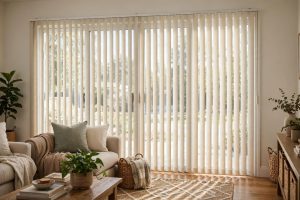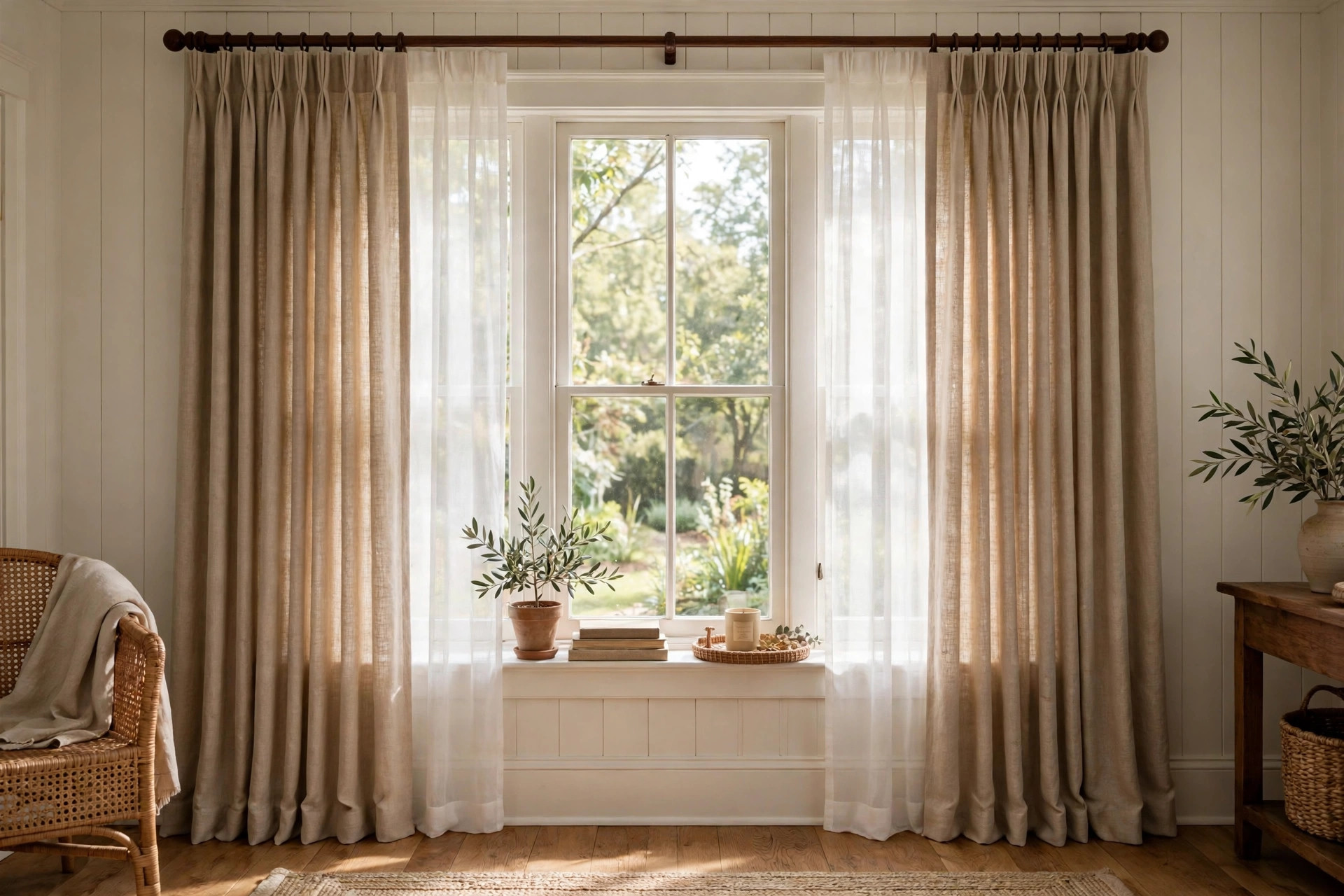

Most people who search for the best custom drapery services near me want the same thing. They want windows that look finished. They want fabric that fits the room. They want the work done right the first time. Custom drapery is not the same as ready made curtains. It is sewn to your window size. It is chosen to match your home. It hangs better and lasts longer. The hard part is finding a shop near you that does good work at a fair price. This guide walks through the full process. It explains what to look for, what the options are, what the job should cost, and how to keep your drapes in good shape for years.
Why Custom Drapery Is Worth the Effort
Store bought curtains come in a few standard sizes. They fit some windows well and many windows poorly. Panels that are too short look unfinished. Panels that are too narrow do not close when you need them to. Custom drapery is measured for your exact window. The width matches the rod. The length ends exactly where you want it. The result looks calm and put together.
Fabric choice is the second gain. Stores carry a small set of colors and weights. A custom shop works from swatch books with hundreds of fabrics. You can pick a linen for a bright kitchen or a thick velvet for a dark bedroom. You can add a lining that blocks light or one that holds in heat. The Spruce offers clear guides on how fabric weight changes the way a room feels, and the difference is easy to see once the panels hang.
Quality of sewing is the third gain. Good drapery shops press every seam. They set pleats by hand. They line panels so the color looks even from the street. This kind of work costs more at the start. It also holds up for ten to fifteen years. Cheap curtains need replacing in two or three years.
Custom work also solves odd windows. Arched windows, bay windows, wide sliding doors, and very tall windows all cause trouble for ready made sizes. A local shop measures these shapes and builds panels that fit them. HGTV has many examples of rooms where odd windows were turned into a strong design point with the right drapery.
How to Judge a Local Drapery Service: Best Custom Drapery Services near Me
When you look for the best custom drapery services near me, start with the workroom. Ask where the drapes are sewn. A true custom shop sews in house or works with a known local workroom. Some stores sell custom orders but ship the sewing to a large factory far away. The factory may do fine work. But you lose the back and forth with the person who measured your windows. For tricky windows, that back and forth matters.
Ask about the first visit. A good service sends someone to your home with fabric samples. The visit should be free or the fee should be applied to your order. During the visit, the designer should measure each window. They should ask how you use the room. They should note which way the windows face and how much sun comes in. If a shop quotes a price without seeing your windows, treat that as a warning sign.
Ask to see finished work. Shops that take pride in their sewing will show you photos of real homes. They may also keep a small sample panel in the store so you can feel the stitching and lining. Run your hand along a pleat. It should lie flat and even. Turn the panel over. The lining should be smooth with no loose threads.
Check reviews from other homeowners. Look for comments about fit and finish. Pay special attention to reviews that mention problems. A shop that fixed a mistake fast is often a better bet than a shop with only perfect reviews.
Ask about the lead time. Custom drapery usually takes four to eight weeks from order to hanging. Ask what happens if the panels arrive and do not fit. A good shop reworks them at no charge.
Finally, ask who hangs the panels. The best services include professional installation in the price. The rods must be level and the brackets must hit wall studs.
Types of Custom Drapery Work
Pinch Pleat Panels
Pinch pleat is the classic style. The top of the panel is gathered into small pinches at regular gaps. It looks formal and neat. It works well in living rooms and dining rooms. It needs a traverse rod or rings that let the pleats move freely.
Grommet Top Panels
Grommets are metal rings set into the top of the panel. The rod slides through the rings. The look is clean and modern. Grommet panels are easy to open and close by hand.
Rod Pocket Panels
In rod pocket style, the panel has a sewn sleeve at the top. The rod slides through the sleeve. The fabric gathers in soft ripples. This style is simple and costs less to sew. It is harder to pull across a wide window, so it works best for panels that stay in place.
Roman Shades and Sheers
Many drapery shops also make roman shades. These fold up in flat pleats when raised. Sheer panels are another common add on. They sit behind the main drapes and soften daylight while keeping some privacy. Some homeowners prefer shutters instead of fabric in certain rooms, often mixing the two across the house.
Fabrics, Linings, and Hardware
Fabric is the heart of the job. Cotton and linen give a relaxed, natural look. They wrinkle a bit, which suits casual rooms. Silk and velvet give a rich, formal look. They cost more and need more care. Blended fabrics offer a middle path. They hold their shape and resist wrinkles better than pure natural fibers.
Lining changes how the drapery works. A standard lining protects the face fabric from sun damage. A blackout lining blocks almost all light and helps darken a bedroom. A thermal lining adds a thin layer that cuts drafts at the window. Many homeowners who compare blackout roller shades price comparison usa find that lined drapery gives similar light control with a softer look.
Hardware matters more than most people expect. A thin cheap rod will bow under heavy panels. A good shop sizes the rod to the weight of the fabric and adds center supports for wide spans. Bring a paint chip or a photo of the room so the designer can match the metal tone to the rest of the house.
What Custom Drapery Costs
Prices vary by city and by fabric. As a rough guide, expect custom pinch pleat panels to start around 300 to 600 dollars per window for a simple fabric with standard lining. Fancy fabrics, blackout lining, and special pleats push the price toward 800 to 1,500 dollars per window. Wide windows and tall windows cost more because they use more fabric and more labor.
Ask for a written quote that breaks out the parts. The quote should show the fabric cost per yard, the yardage needed, the lining cost, the labor cost, and the hardware cost. Installation should be listed as its own line. This breakdown lets you compare two shops fairly. A low total price may hide thin fabric or missing installation.
Watch for common extras. Some shops charge extra for pattern matching, which lines up a printed design across panel seams. For patterned fabric, this step is worth the fee.
If budget is tight, consider mixing custom and ready made. Many homeowners order custom panels for the main living areas and use store bought options in guest rooms.
The Ordering Process Step by Step
First, gather ideas. Look at photos and note what you like. These notes give the designer a clear starting point.
Second, book two or three home visits. Treat these like job interviews. Compare how each designer listens and measures.
Third, compare written quotes. Make sure each quote covers the same windows and the same scope.
Fourth, pick the fabric in daylight. Colors look different under store lights. Ask the shop to leave swatches with you overnight. Look at them in morning light and evening light.
Fifth, sign off on the measurements. The shop should give you a written list of finished sizes for each panel. Floor length usually means the hem just touches the floor or breaks slightly.
Sixth, be present for installation. Walk each room with the installer after the panels hang. Check that both panels of a pair match in length. Check that the pleats fall evenly. Speak up about anything that looks off. Small fixes are easy on install day and harder later.
Care and Upkeep
Custom drapery lasts longer when it is cleaned the right way. Most shops recommend dry cleaning every two to three years. Between cleanings, vacuum the panels gently with a brush attachment. Work from the top down. This lifts dust before it grinds into the fibers.
Rotate sun exposure where you can. In a room with strong afternoon sun, close a sheer layer during the peak hours. The sheer takes the worst of the ultraviolet light and protects the face fabric.
Train the pleats after cleaning. When panels come back from the cleaner, the folds may be flat. Tie the panels loosely with soft fabric ties for a day or two. Do not use rubber bands or string, which can mark the fabric.
Check the hardware once a year. Tighten any loose brackets. Oil the rings or carriers if the panels stick. A small amount of silicone spray on a cloth wiped along the rod keeps grommet panels sliding smoothly.
Safety Notes
Long drapery near floor vents needs care. Keep hems clear of heating vents so warm air flows freely. Panels that sit over a vent trap heat and can fade or scorch over time.
Cord safety is a must in homes with small children. Many custom drapery systems use cords to draw the panels. Ask the shop for cord cleats or cordless options. Tie up any loose cords well out of a childs reach. Bob Vila covers cord safety standards in detail, and the rules are worth following in every room a child uses.
Fireplaces and candles call for distance. Keep open flame well away from drapery panels. Even fabrics sold as flame resistant should never sit near a lit candle or an open hearth.
Questions People Ask
How long does custom drapery take from order to installation?
Most orders take four to eight weeks. The workroom needs time to cut, sew, press, and line each panel. Busy seasons around the holidays can stretch the wait. Ask your shop for a written date and check in once midway.
Can a local shop match my existing paint and furniture?
Yes. Bring paint chips, cushion covers, or clear photos of the room. A good designer works from these samples and pulls fabrics that sit well with them.
Is custom drapery worth it for a rental home?
It can be, if you plan to stay for several years. Choose a neutral fabric and standard sizes so the panels can move with you. Keep the rods too.
What is the difference between custom drapery and custom curtains?
The terms overlap. In the trade, drapery usually means lined, pleated panels made to measure. Curtains often means simpler unlined panels. When you call a shop, describe what you want rather than relying on the word alone.
Should I get blackout lining or separate shades?
It depends on the room. Bedrooms often need full dark for sleep. Blackout lining in the drapery handles this in one layer. Some people prefer a separate shade behind the panels so they can raise the shade for daylight and close the drapes at night. If you are weighing the two, our note on custom thermal insulated curtains for small apartments explains how lining choices change both light and heat.
Do I need an interior designer, or can the drapery shop handle the design?
Most drapery shops handle the design as part of the service. Their designers think about windows all day. You need a separate interior designer only if the room needs a full new plan beyond the windows. For most homes, the shop is enough.
A Short Final Word
Finding the best custom drapery services near me comes down to a few plain steps. Meet more than one shop. Ask where the sewing happens. Read a written quote with all the parts shown. Pick fabric in your own light. Be there on install day. A shop that welcomes these steps is a shop that stands behind its work. The panels you get will fit the windows, suit the room, and serve the house for many years. That is what the search was for in the first place. If you want to compare stock panels before you order, IKEA and Wayfair both show plain fabrics at real scale.
Large home stores can also be part of the plan. Home Depot and Lowe’s both sell drapery hardware, rods, and ready made panels that pair well with custom work in other rooms. For basic how to guides on measuring and hanging, Blinds.com keeps a clear library of articles that many first time buyers find useful.
References
Blinds.com. (n.d.). Window blinds, shades, and shutters. https://www.blinds.com Bob Vila. (n.d.). Home improvement advice. https://www.bobvila.com HGTV. (n.d.). Home and garden ideas. https://www.hgtv.com IKEA. (n.d.). Home furnishings. https://www.ikea.com Lowe’s. (n.d.). Home improvement products. https://www.lowes.com The Home Depot. (n.d.). Home improvement products. https://www.homedepot.com The Spruce. (n.d.). Home and garden advice. https://www.thespruce.com Wayfair. (n.d.). Furniture and home goods. https://www.wayfair.com
Was this guide helpful?

About Jennifer Lee
The My Garden US editorial team writes practical, in-depth home and garden guides for American homeowners — tested advice, no fluff.
You May Also Like

Affordable Machine Washable Curtains for Sale: A Plain Guide
March 27, 2026 0 views
Custom Cafe Curtains for Kitchens for Sale: A Complete Buying Guide
May 27, 2026 0 views
Best Plantation Shutters for Sale: A Simple Buying Guide
August 22, 2026 0 views