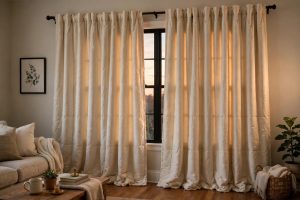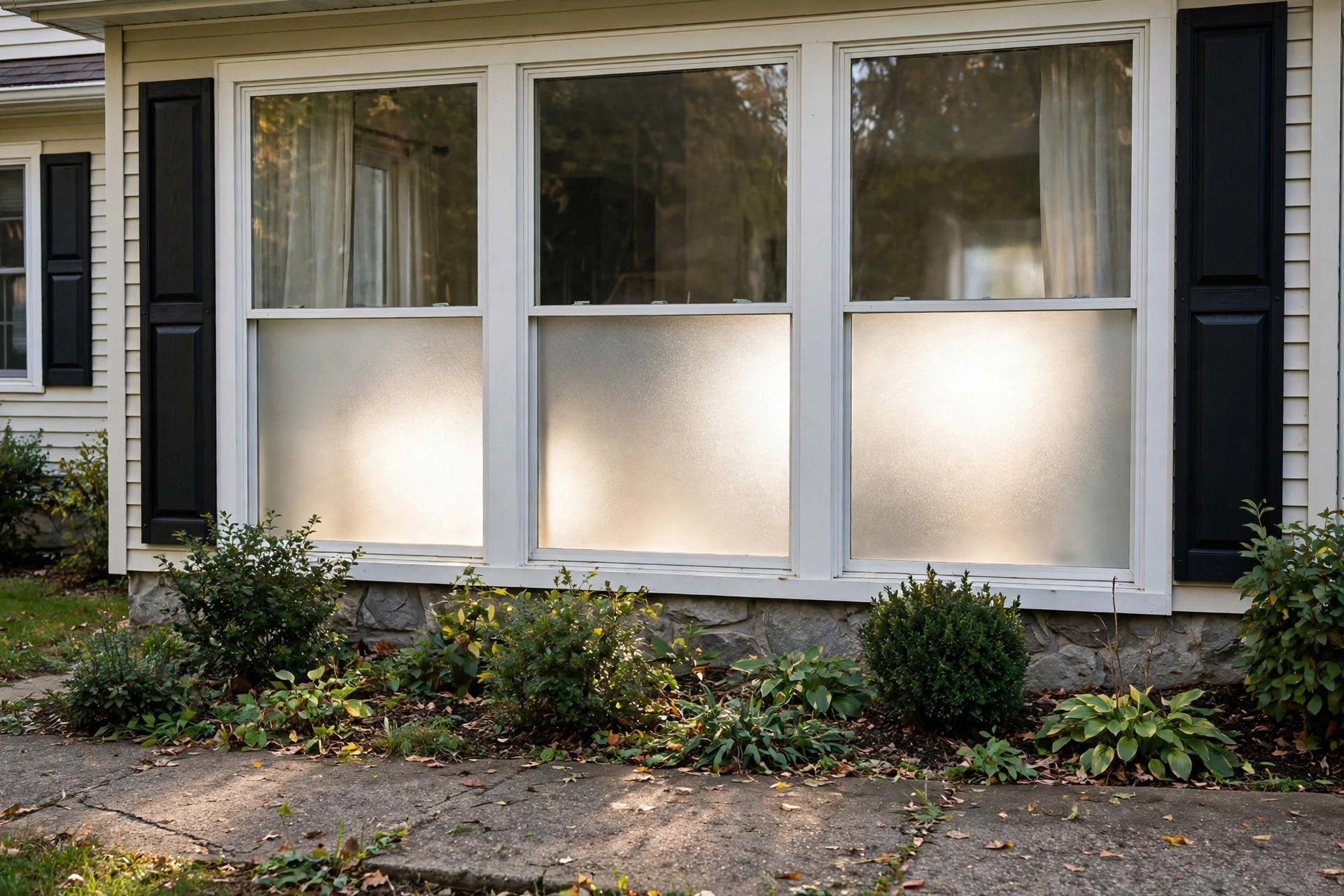

Most people first notice privacy window film at a neighbor’s house. From the sidewalk, the front windows look soft and frosted. The curtains are gone, the light still comes in, and no one can see the living room. Then comes the natural question: what does this cost, and why do prices range from a few dollars to several hundred? This window film privacy tint price comparison USA guide answers that question in plain terms. It covers the main film types, the price of doing it yourself against the price of hiring a worker, and what each dollar buys. It does not sell you a brand. It gives you numbers you can use at the store or on the phone with an installer.
Why Window Film Privacy Tint Matters
A clear window is an open view in both directions. You see out, and others see in. In a busy street, in a ground-floor apartment, or in a house with close neighbors, that open view becomes a daily worry. Curtains solve it, but they also block the light you bought the windows for. Privacy tint is the middle road. It softens or blocks the view from outside while letting daylight pass through. The room stays bright. The plants still grow. The people on the sidewalk can no longer see your dinner table.
There are other gains. Many privacy films also block heat and glare. A south-facing living room runs cooler with a good solar film, and the couch fades more slowly because the film cuts the harsh rays. Some films hold broken glass together if a storm throws a branch through the pane. And compared with new windows, the cost is small. A full set of replacement windows can run into the thousands. A full house of window film often costs a few hundred. That gap is why more American homes use film each year.
What to Look For When You Compare: Window Film Privacy Tint Price Comparison Usa
Before you compare prices, learn what the prices cover. Films are not all the same thing. The main points that set price are listed below.
Privacy level. Films are rated by how much they hide. Frosted films blur shapes. Dark tints hide more at night when the lamps are on. Mirror films look like a mirror from outside in the day and turn clear from the inside looking out. The stronger the privacy effect, the more the film usually costs.
Heat and UV block. Cheap static cling films give privacy and little else. Mid-range films block most UV rays and a fair share of heat. High-end ceramic and spectrally selective films block much more heat while staying clear. If you want lower cooling bills, this number matters as much as privacy.
Material and warranty. Basic dyed films are the cheapest and can turn purple or bubble in three to five years. Carbon films last longer. Ceramic films cost the most and often carry a lifetime warranty for home use. The warranty is part of the price.
DIY or professional install. The film itself is one cost. The work is another. A careful do-it-yourself job on a few flat windows costs only the film. A pro brings cutting tools, a ladder, and experience with curved or tall panes, and charges for that skill.
Keep these four points in mind as you read the price bands below. Two films that look the same in the store can sit at very different prices because of them.
Types of Privacy Window Film and Their Prices
Static Cling Frosted Film
This is the cheapest way in. It is a thin vinyl sheet that sticks with water and peels off with no glue. A roll that covers about 100 square feet sells for $20 to $40 in most stores. Per window, that is often $5 to $15 of film. It gives solid privacy in daylight, is easy to remove when you move out, and suits renters. It does not block much heat, and on large panes it can look wavy if the water was not smoothed well. For a single bathroom window, this is the best value in the country.
Dyed Tint Film
Dyed film uses color in the glue to darken the glass. It is the classic car-window look brought indoors. Rolls run $30 to $80 for a standard roll, or about $8 to $20 per window in material. It gives good privacy day and night on darker shades, and it cuts glare. The weak point is life. Sun breaks the dye down, and after three to five years the film can bubble or turn purple. Many shoppers start here, then move up a tier when they replace it. If you plan to stay in the house for a decade, count the cost of doing it twice.
Carbon and Metalized Film
Carbon film uses tiny carbon parts instead of dye, so the color stays true far longer. Metalized film adds thin metal layers that bounce heat away. Both sit in the middle: $50 to $150 per roll, roughly $15 to $40 of film per window. They block more heat than dyed film, and carbon film does not fade. Metalized film can slightly cut cell phone signals near the glass in some homes, a small point to test before you cover every window. For many owners, this tier is the sweet spot between price and life.
Ceramic and Spectrally Selective Film
This is the top shelf. Ceramic films use non-metal parts to block heat and UV while staying almost clear. Spectrally selective films go further and are made to block the most heat per unit of darkness. Rolls run $150 to $400 or more, which is $40 to $120 of film per window. The payoff is real: cooler rooms, less glare, and warranties that often run for the life of the home. If your summer power bill is high, this tier can pay back through lower cooling costs. Homeowners who want hard numbers on energy savings can look at the rating programs listed by Energy Star before they buy.
DIY Against Professional Installation
The film price is only half the story. The other half is the labor, and here the numbers split wide.
Doing it yourself costs the film plus about $15 to $30 of tools: a spray bottle, a squeegee, a sharp blade, and a lint-free cloth. A small kit with film for one window can cost as little as $10 total. A full set of flat windows in a one-story home may take $60 to $200 of film and a weekend of careful work. The risk is waste. A bad cut or a dusty pane ruins a sheet, and curved or high panes test even patient hands. Watch how-to videos first and buy ten percent more film than you measure.
Hiring a professional moves the cost up and the risk down. Typical home installs in the USA run $6 to $14 per square foot for film and labor together, depending on the film tier and the market. A standard home with ten windows often lands between $400 and $1,200 installed. Large homes, tall panes, or hard-to-reach windows run higher. Most installers give free quotes, and the good ones show you samples of the exact film on your own glass before you agree. If you shop installers, get three quotes and ask each one what brand and line of film the price covers, since that changes the number more than the labor does.
| Approach | Typical cost per window | Best for | |—|—|—| | Static cling DIY | $5-$15 | Renters, one or two windows | | Dyed film DIY | $8-$20 | Budget jobs, short-term plans | | Carbon film DIY or pro | $15-$40 film; $60-$120 installed | Most homes, long-term value | | Ceramic film, pro install | $40-$120 film; $100-$250 installed | Hot climates, big cooling bills |
Cost and Price: What the Full Job Looks Like
Let us put real numbers on three common cases.
One bathroom window, DIY. A frosted cling roll for $25, tools you already own, one hour of work. Total: about $25. This is the cheapest privacy job in the house.
A ground-floor flat, ten windows, DIY with carbon film. About $200 of film and $25 of tools, one weekend. Total: about $225. Add a few dollars of extra film for practice cuts on your first window.
The same ten windows, pro install with ceramic film. About $800 to $1,400 for film and labor in most American markets. The installer measures, cuts, and guarantees the work, and the film carries a long warranty. Over ten years, the yearly cost is lower than it looks, and the cooling savings help.
Prices move with your state. Labor costs more on the coasts and less in the middle of the country. Big-box stores like Lowe’s and The Home Depot set the floor for DIY film prices, while online marketplaces like Wayfair run frequent sales. Specialty shops like Blinds.com also carry film and shade lines side by side, which helps when you are choosing between film and another covering.
Shoppers who want a second look at window film basics before they spend can read our affordable window film privacy tint buying guide, and those watching every dollar may prefer our budget friendly window film privacy tint buying guide. If looks matter as much as privacy, our top rated decorative window film buying guide covers the prettier side of the shelf.
Care and Upkeep
Privacy film asks for little, but a few rules keep it clean and tight for years. Wait at least a month after install before you clean the film, so the glue fully sets. Clean with a soft cloth, plain water, and a drop of mild soap. Never use ammonia-based cleaners like blue glass spray on most films; ammonia attacks the glue and causes bubbles. Never use razor blades or rough scrub pads on the film. Lift one corner with a fingernail and peel slowly if you need to remove it, and warm the film with a hair dryer to loosen old glue.
Check the edges once a year. If a corner starts to lift, press it down with a soft squeegee before dust gets under it. Most quality films last 10 to 15 years indoors when treated this gently. Keep your warranty card and receipt, since claims need proof of which film was used.
Safety and House Rules
Window film is simple, but a few safety points deserve a read.
First, heat. Dark films on double-pane glass can trap heat between the panes and, in rare cases, crack the glass or break the seal. Check with the film maker before you put dark tint on insulated glass. Lighter frosted and ceramic films are usually safe.
Second, fire escape. Bedrooms need windows you can open and climb through in a fire. Film does not lock a window, but make sure the window still opens and the film does not make you slow to find the latch. Keep bedroom windows workable.
Third, home rules. Some neighborhoods and apartment leases ban window changes that show from the street. Renters should get written permission from the landlord before any glued film goes on. Static cling film, which peels off clean, is usually the safe pick for rentals.
Fourth, lead paint. Old homes may have lead paint on the window frames. Sanding or scraping frames during a film job can spread lead dust. The Consumer Product Safety Commission gives free guidance on lead paint safety in older homes.
Brands also publish care and safety notes for their own films. The 3M home window film pages and the LLumar residential pages both list which films suit which glass types, and Gila offers do-it-yourself lines with plain-English install guides. For general how-to articles on window projects, The Spruce and HGTV both carry step-by-step pieces worth a read.
Frequently Asked Questions
How much does window film privacy tint cost per window? DIY film costs $5 to $40 per window in material, depending on the film tier. Professional install adds labor and runs $60 to $250 per window all in, with ceramic films at the top of that range.
Is DIY window film worth it? Yes for flat, reachable windows if you are patient. The savings are large. For tall panes, bay windows, or expensive ceramic film, a pro wastes less film and backs the work with a warranty.
How long does privacy window film last? Cheap dyed film lasts 3 to 5 years before it may bubble or fade. Carbon and metalized films last 7 to 12 years. Quality ceramic films often last 15 years or more indoors, and many carry a lifetime home warranty.
Does window film work at night? It depends on the film. Frosted films blur shapes day and night. Dark tints hide the room only when it is brighter outside than inside; at night with lamps on, a dark tint alone shows shadows. For night privacy, pick frosted film or pair tint with curtains.
Will window film lower my energy bill? Good solar films can cut cooling costs in hot months by blocking a share of the sun’s heat. The savings depend on your climate, your glass, and the film grade. Check the film’s solar specs rather than the marketing words.
Can I remove window film later? Yes. Static cling film peels off by hand. Glued film comes off with steam or warm soapy water and a soft scraper, though old film can take time. A pro can remove it for a fee if the glue has hardened.
Final Word
A window film privacy tint price comparison in the USA comes down to two choices: which film tier, and who does the work. A $25 roll gives a renter privacy by the weekend. A $200 DIY carbon job covers a flat for years. A $1,000 professional ceramic job cools a house and lasts a decade or more. Measure your windows, price the film, get three install quotes, and check the warranty in writing. Then enjoy the light with the curtains gone.
References
3M. (n.d.). Home window film. https://www.3m.com Blinds.com. (n.d.). Window blinds, shades, and shutters. https://www.blinds.com ENERGY STAR. (n.d.). Energy efficient products. https://www.energystar.gov Gila. (n.d.). Do-it-yourself window film. https://www.gilafilms.com HGTV. (n.d.). Home and garden ideas. https://www.hgtv.com LLumar. (n.d.). Residential window film. https://www.llumar.com Lowe’s. (n.d.). Home improvement products. https://www.lowes.com The Home Depot. (n.d.). Home improvement products. https://www.homedepot.com The Spruce. (n.d.). Home and garden advice. https://www.thespruce.com U.S. Consumer Product Safety Commission. (n.d.). Product safety information. https://www.cpsc.gov Wayfair. (n.d.). Furniture and home goods. https://www.wayfair.com
Was this guide helpful?

About Lisa Anderson
The My Garden US editorial team writes practical, in-depth home and garden guides for American homeowners — tested advice, no fluff.
You May Also Like
A Practical Guide to Window Treatment Installation Services Cost in the USA
February 12, 2026 0 views
Best Pinch Pleat Drapes With Free Shipping
September 15, 2026 0 views
Sheer Linen Curtains Price Comparison USA: A Shopper’s Guide to Cost and Value
January 27, 2026 0 views