
Most homes have at least one window that faces the wrong way. It may look straight into a neighbor’s kitchen. It may sit beside a busy sidewalk. It may stand so close to the street that every passerby can see the living room couch. Curtains solve the problem, but they also block the light. This affordable window film privacy tint buying guide shows a middle path. Window film adds privacy without shutting out the day. It costs far less than new blinds or custom drapes, and many types can be installed in a single afternoon.
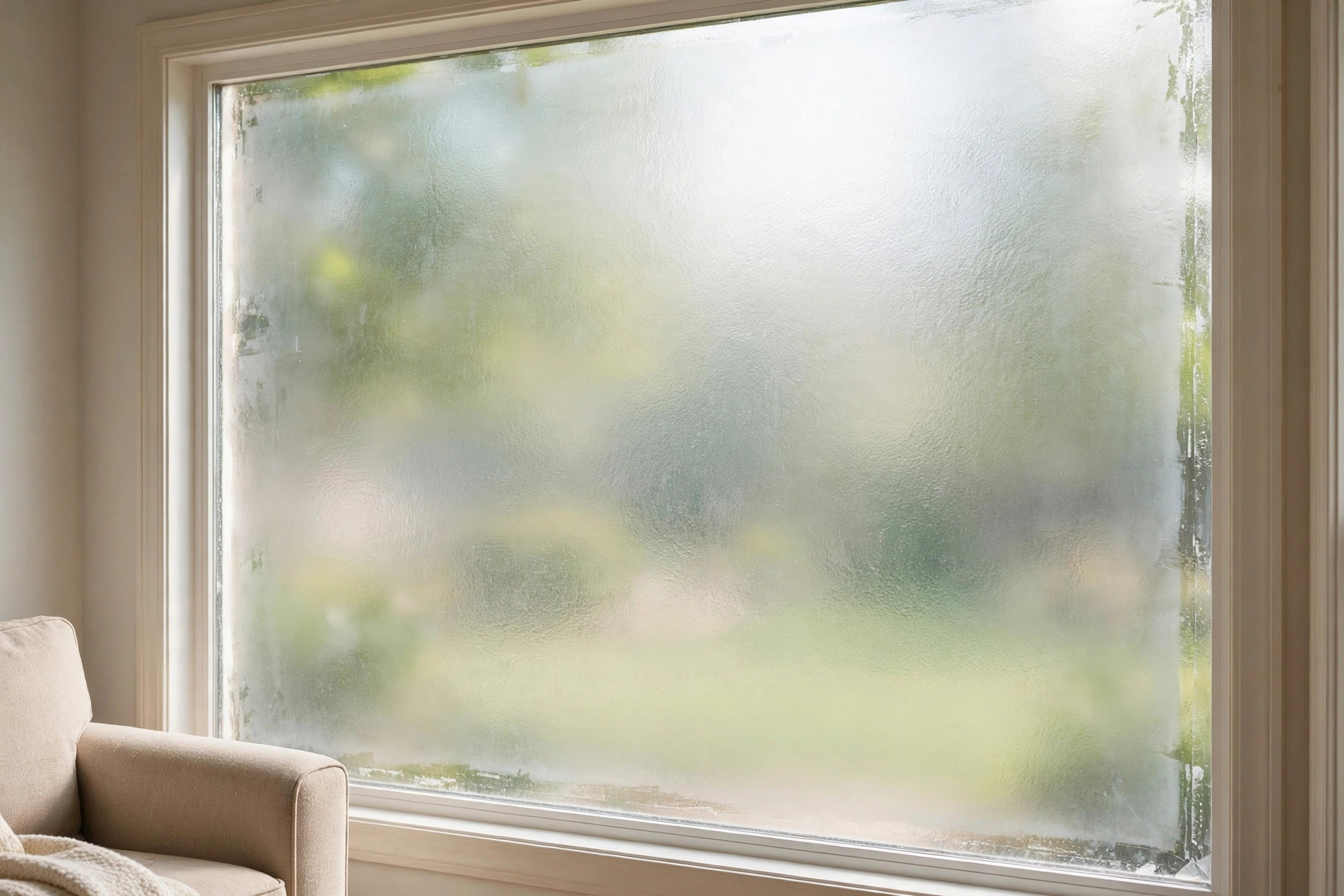
The idea is old and simple. A thin sheet of plastic film sticks to the inside of the glass. It blurs the view, darkens the glass, or changes how the window looks from the outside. Light still passes through, but shapes and details fade. A figure walking past sees a soft glow instead of your furniture. You, from the inside, keep your view of the yard and the sky. When the budget is tight, this is one of the cheapest ways to fix a privacy problem.
Why Privacy Tint Matters
Privacy is not only about comfort. It is about peace of mind. A ground floor window near a door can feel like a stage. People in the room may feel watched even when no one is watching. Over time that feeling changes how the room is used. The couch moves to the back wall. The reading chair sits in a dark corner. A simple film can put the room back into use.
Cost is the other reason this affordable window film privacy tint buying guide matters. New plantation shutters can run into hundreds of dollars per window. Custom curtains with rods and hardware cost less but still add up across a whole house. A roll of window film often costs less than a single lunch for two, and one roll can cover several panes. For renters the case is even stronger. Many films peel off cleanly when the lease ends, so there is no damage to argue about with a landlord.
There is also a practical side. Some films cut glare on a television screen. Some block a share of the sun’s heat, which can make a west-facing room cooler in July. Others block ultraviolet light, which slows the fading of wood floors and upholstery.
What to Look for When You Choose: Affordable Window Film Privacy Tint Buying Guide
A good purchase starts with a clear picture of the job. Walk to the window in question and ask three questions. Who can see in, and from where? How much light do you want to keep? What does the window look like today?
Light Control and Glare
Every film reduces some light. The question is how much. Frosted films scatter light in all directions. The room stays bright, but the view turns milky. Tinted films absorb or reflect light. They darken the room a little and give the glass a gray, bronze, or blue cast. If the room is already dark, a light frosted film is usually the safer pick. If the room bakes in afternoon sun, a darker tint can be a blessing.
Glare is a separate problem from brightness. A desk near a window can catch a white sheet of reflection that makes a computer screen hard to read. Films with a matte or frosted finish break up that reflection. Glare control is one of the main reasons people try film on office windows, and the same logic works at home. You can find honest product comparisons and reader reviews on home advice sites before you buy.
Privacy Level, Day and Night
This is the point most buyers miss. Many films give strong privacy during the day but lose it at night. The cause is simple. Privacy tint works by balancing light on both sides of the glass. When the sun is bright outside and the room is dim inside, outsiders see mostly their own reflection. After dark the balance flips. Lamps inside make the room brighter than the street, and the film turns nearly clear from the outside.
Frosted and etched-look films are the exception. They blur the view in both directions at all hours. If the window needs privacy at night, choose a frosted style or plan to pair a daytime tint with curtains for the evening. Do not trust a package claim of “total privacy” until you understand whether it means day, night, or both.
Fit, Finish, and Looks
A film job lives or dies on the details. Cheap film with bubbles and wrinkles looks worse than bare glass. Before you buy, measure each pane in inches and write the numbers down. Buy a roll wider than the tallest pane so you can trim cleanly. Look for film with a clear, even finish in the sample swatch. Hold the swatch against the window before you cut the full roll. Many window treatment retailers sell small sample swatches for a dollar or two, and a sample saves a bad guess. Patterns that look fine on a card can look busy on a six-foot slider.
Color matters too. A deep bronze tint on one window and clear glass on the next can make the front of the house look patched.
Types of Window Film
The market splits into a few clear groups. Each has a price range, a skill level, and a best use. This affordable window film privacy tint buying guide walks through them one by one.
Static Cling Film
Static cling film has no glue. It holds to the glass by static charge and a film of soapy water. Press it on, smooth it out, and it stays. Peel it off, and the glass is clean. This is the favorite of renters and beginners. It costs little, forgives mistakes, and can be moved from window to window. For most bedrooms and bathrooms it works well.
Adhesive Film
Adhesive film sticks with a true glue layer. Once it cures, it holds for years. It handles heat, doors, and high-traffic rooms better than static cling. The price is still low, but the work is harder. You get one clean shot at placement. A crooked start means peeling back a sticky sheet and fighting wrinkles. Many first-time buyers do better with static cling, then move to adhesive film once they know the smoothing routine.
Decorative and Frosted Film
Decorative films mimic etched glass, rice paper, stained glass, or cut patterns. They give full privacy at any hour because they blur light rather than darken it. They are popular on bathroom windows, front door sidelights, and kitchen windows over the sink. Budget-friendly stores and online home stores carry wide ranges of these patterns.
One-Way Mirror Film
One-way mirror film gives a bright silvered look from the outside. During the day it hides the room almost completely while keeping the view clear from inside. At night the effect reverses, as explained above. It also reflects heat, which helps hot rooms. The mirror look is not for every house or every neighborhood rule, so check how it looks from the street before you commit to the whole front of the home.
Cost and Price
Window film is one of the cheapest window treatments per square foot. A basic static cling privacy roll often sells for a few dollars per roll at big home improvement stores, and one roll can cover two or three average windows. Decorative frosted rolls cost more, but still far less than fabric. Adhesive films sit in the middle.
Watch for three hidden costs. The first is tools. A good kit with a spray bottle, a squeegee, and a sharp trimming knife costs a few dollars and saves an hour of trouble. The second is waste. Beginners should buy ten to twenty percent more film than the raw measurements, because the first cut is rarely the best. The third is time. A small bathroom window takes twenty minutes. A large sliding door can take an hour.
Major home centers and large online marketplaces both sell film, and prices move up and down with sales. Compare the price per square foot, not the price per roll, because roll sizes differ. A long roll that looks pricey can be the cheapest per window. Read the review count as well. A film with thousands of reviews and a steady rating is usually a safer bet than a no-name roll with five perfect stars.
Shoppers comparing soft treatments may also want to read up on related options, such as our guide to top rated sheer linen curtains for usa homes, which covers a light fabric choice that pairs well with film on the same window.
Care and Upkeep
Window film asks for little care, but the wrong cleaner can ruin it. Skip ammonia-based glass sprays on adhesive films. Ammonia can cloud the glue layer and loosen edges over time. Use a mild soap and water mix with a soft cloth or a rubber squeegee. Static cling film is more forgiving and can handle most glass cleaners, but gentle soap still works fine.
Dust and fingerprints show most on dark tint. A quick wipe every month or two keeps it clear. Keep sharp objects away from the surface. A ring, a key, or a pet claw can scratch the film, and scratches catch the light. If one pane gets badly scratched, the fix is simple. Peel that pane and redo it. The low cost of film is also the low cost of repair.
Heat and sun age every film. Cheap films may purple or bubble after a few summers on a south-facing window. Better films carry a warranty against fading and bubbling. Keep the receipt and the product name in a drawer. When a film does reach the end of its life, removal is easy. Warm the film with a hair dryer, peel from a corner, and clean the glass with soapy water. Adhesive residue comes off with a plastic scraper and a little rubbing alcohol.
Safety and Legal Points
Window film is a mild product, but a few safety points belong in any honest guide. First, follow the maker’s heat rules. Some films are not rated for double-pane or low-e coated glass. The wrong film on the wrong glass can trap heat between panes and stress the seal. Check the package for a line about insulated or coated glass before you buy.
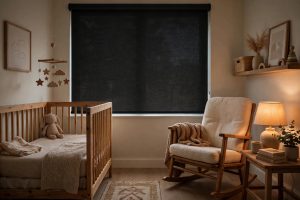
Second, think about cords and children. Film itself has no cords, which is one reason parents like it for nurseries and playrooms. The federal safety agency has long warned about corded window coverings, and film sidesteps that risk entirely. If you pair film with curtains or shades on the same window, choose cordless styles to keep the room safe.
Third, check local rules. Some homeowner groups limit mirror or reflective finishes on street-facing windows. A few cities have rules about how windows look from the sidewalk. Static cling film is usually fine, but adhesive film may count as a change that needs written approval.
For a natural woven look on windows where film feels too plain, see our affordable bamboo roman shades buying guide for another low-cost option.
Frequently Asked Questions
How long does window privacy film last?
Most indoor films last three to five years on a sunny window and longer on shaded glass. Better adhesive films can last seven to ten years. Heat, direct sun, and rough cleaning shorten the life. When edges lift or the finish clouds, replacement is cheap and fast.
Can I install window film myself?
Yes. Most people can do it with no special skill. Clean the glass well, spray a soap and water mix, lay the film, and smooth out bubbles with a squeegee. Start with a small bathroom window to learn the steps before you try a big slider.
Will window film damage my glass?
No, not when you use the right film. Static cling film leaves no mark at all. Adhesive film leaves a thin glue layer that comes off with warm soapy water and a plastic scraper. Do not use a razor blade on coated or tempered glass, since the blade can scratch the surface.
Does privacy tint work at night?
Frosted and decorative films work at night because they blur light in both directions. Dark tint and mirror films do not. At night, interior lamps make the room brighter than the outside, and the film turns clear from the street. Plan for curtains or shades if you need night privacy with a dark tint.
Can window film go on double-pane windows?
Many films can, but check the package first. Some dark or reflective films trap heat and can stress the seal between panes on insulated glass. Look for film rated for double-pane or low-e windows, and follow the maker’s guide.
Is window film cheaper than curtains?
In almost every case, yes. A roll of film costs a fraction of curtains with rods and hardware, and one roll covers several windows. Curtains still win on style and night privacy, which is why many homes use both. Readers weighing fabric choices can compare notes in our top rated cordless cellular shades for american homes write-up.
A Short Final Word
An affordable window film privacy tint buying guide comes down to one lesson. Match the film to the real problem. Frosted film for bathrooms and night privacy. Light tint for glare and heat. Mirror film for daytime street windows. Measure twice, buy a little extra, and take your time with the squeegee. For a few dollars and an afternoon, you can turn an exposed window into a private one and keep the daylight you love. Even budget-friendly furniture stores now carry window films alongside their curtain lines, which shows how mainstream this small fix has become.
References
Amazon. (n.d.). Online shopping. https://www.amazon.com Blinds.com. (n.d.). Window blinds, shades, and shutters. https://www.blinds.com IKEA. (n.d.). Home furnishings. https://www.ikea.com Lowe’s. (n.d.). Home improvement products. https://www.lowes.com The Home Depot. (n.d.). Home improvement products. https://www.homedepot.com The Spruce. (n.d.). Home and garden advice. https://www.thespruce.com U.S. Consumer Product Safety Commission. (n.d.). Product safety information. https://www.cpsc.gov Wayfair. (n.d.). Furniture and home goods. https://www.wayfair.com
Was this guide helpful?

About Jennifer Lee
The My Garden US editorial team writes practical, in-depth home and garden guides for American homeowners — tested advice, no fluff.
You May Also Like

Bay Window Curtain Rods Reviews and Buying Guide
September 20, 2026 0 views
Top Rated Plantation Shutters for Midwest Homes: A Complete Guide
September 22, 2026 0 views
Energy Efficient Custom Made Curtains Online for Sale
June 29, 2026 0 views