
Introduction
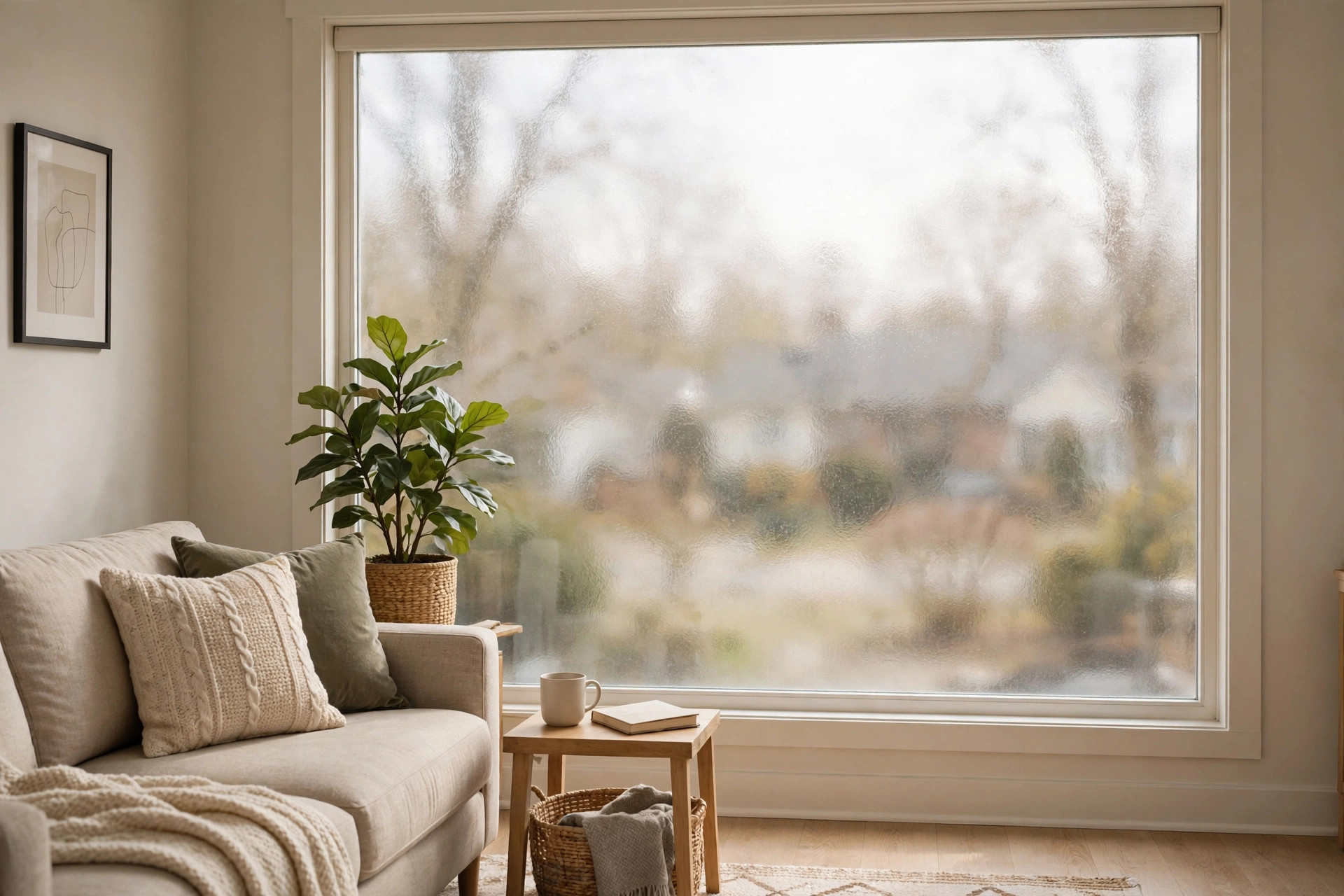
This budget friendly window film privacy tint buying guide will help you add privacy to your windows without spending a lot of money. Window film is a thin sheet that sticks to glass. It blocks the view from outside while still letting light come in. Many homeowners use it on bathroom windows, street-facing windows, and glass doors.
You do not need to hire a worker for most types of window film. Many films are made for people to install at home with a few simple tools. The cost is often far lower than new blinds or curtains. A single roll can cover several windows in one afternoon.
This guide explains why privacy window film matters, what kinds are sold, what to look for when you shop, what it costs, how to keep it in good shape, and how to use it safely. By the end, you will know exactly which product fits your home and your budget.
Why Privacy Window Film Matters: Budget Friendly Window Film Privacy Tint Buying Guide
Windows let light into a home. They also let the outside world look in. If your home sits close to a street or a neighbor, this can feel uneasy. Privacy film solves the problem at low cost. It keeps your rooms open to daylight while blocking clear views from outside.
Privacy film is also useful in rooms where curtains feel heavy. A bathroom window is a good example. Curtains in a bathroom can hold moisture and grow mold. Film does not. It stays flat on the glass and does not trap water in fabric.
Glass doors are another common use. Sliding patio doors and front doors with glass panels often face walkways. Film on these doors gives you privacy without making the room dark. Many renters use it too, because it can be removed when they move out. This makes it a smart pick for apartments.
Types of Privacy Window Film
Not all window film works the same way. Each type has its own look and level of privacy. The main types are described below.
Frosted Film
Frosted film makes glass look cloudy, like the glass in a bathroom door. Light passes through, but shapes and faces cannot be seen clearly. It is the most common pick for bathrooms and entry doors. It comes in plain white frost and in patterned designs.
One-Way Mirror Film
One-way mirror film is reflective on one side. In daylight, people outside see a mirror-like surface. People inside see out as usual. It works only when it is brighter outside than inside. At night, with indoor lights on, the effect flips. Outsiders can then see in. Many buyers learn this too late, so keep it in mind.
Blackout Film
Blackout film blocks almost all light. It is best for bedrooms where people need full darkness to sleep. It is also used in home offices to cut glare on screens. The room will feel dark during the day, so it is not a good pick for living areas.
Decorative Stained Glass Film
Decorative film mimics stained glass or etched designs. It gives privacy and also adds beauty. Many patterns are sold, from simple borders to full window scenes. It costs a little more than plain frosted film, but it still costs far less than real stained glass.
Static Cling Versus Adhesive Film
Film is held to glass in two ways. Static cling film sticks with water and static. It has no glue. You can peel it off and reuse it. Adhesive film has a sticky back. It holds longer and handles heat better, but it is harder to remove. For renters, static cling is often the better choice.
What to Look for When You Shop
Privacy Level
Check how much the film hides. Most boxes show a privacy rating or a sample view. Daytime privacy is common in all types. Nighttime privacy is harder to get. If you need privacy after dark, pick frosted or blackout film, not one-way mirror film.
Light Transmission
Light transmission tells you how much daylight still comes through. A rating of 70 percent means 70 percent of light passes. Frosted films often pass 60 to 80 percent. Blackout films pass almost none. Pick a level that fits the room. A kitchen needs more light than a bedroom.
Size and Coverage
Measure each window before you shop. Write down the width and height of the glass, not the frame. Buy a roll that is a little larger than you need. Extra material lets you trim the film to fit exactly. Running short in the middle of the job is a common mistake.
Ease of Install
Look for words like “easy install” or “DIY friendly” on the package. Static cling films are the easiest. Some kits include a squeegee and a spray bottle. If the kit does not include tools, you can use a credit card wrapped in cloth and a simple spray of soapy water.
UV Blocking
Many films block ultraviolet rays. UV rays fade furniture, floors, and rugs. A film with 90 percent or higher UV blocking helps protect your things. This is a useful bonus in sunny rooms, even if privacy is your main goal.
Glue or Cling
As noted above, static cling suits renters and people who like to change decor. Adhesive film suits long-term homes and windows that face strong sun, since glue holds up better in heat. Read the package to know which kind you are buying.
Pattern and Color
Privacy film comes in plain frost, gray tint, and many patterns. Plain frost looks clean and fits most homes. Patterns add style but can look busy on large windows. Dark tints cut more heat but also cut more light. Match the film to the room and to your taste.
Cost and Price
Privacy window film is one of the cheapest ways to cover windows. A basic roll of static cling frosted film often costs between 10 and 25 dollars. One roll usually covers two to four standard windows, depending on the size of the roll and the size of the glass.
Decorative and patterned films cost a bit more, often 20 to 40 dollars per roll. One-way mirror and heat-control films sit in the same range. Large rolls for sliding doors can cost 30 to 60 dollars. Even at the high end, the price per window stays low compared with blinds or curtains. For a full price picture, you can compare options across broad home improvement retailers like Home Depot and Lowe’s, and check decor-focused stores such as Wayfair and IKEA.
Professional install is rarely needed. If you hire someone, expect to pay 5 to 15 dollars per square foot, which can double or triple the total cost. Doing it yourself keeps the whole project in the budget range. Many shoppers look for free or low-cost shipping deals to keep the price down, a trick often used when buying affordable outdoor patio curtains with free shipping.
To save money, buy film in larger rolls rather than small sheets. Larger rolls cost less per square foot. Also, measure twice and cut once. Wasted film is wasted money. Start with one small window to practice before you cut pieces for the large ones.
How to Install Privacy Window Film
You can install most static cling films in under an hour per window. Follow these steps for a clean result.
1. Clean the glass well. Use glass cleaner and a lint-free cloth. Remove all dust, grease, and old stickers. Dirt under the film shows through and weakens the hold. 2. Measure the glass and cut the film about one inch larger on each side. You will trim the extra later. 3. Fill a spray bottle with water and a few drops of dish soap. Spray the glass until it is fully wet. 4. Peel the backing off the film and spray the sticky or cling side too. 5. Place the film on the wet glass. Slide it into position while the surface is still wet. 6. Push water and air bubbles out from the center to the edges with a squeegee or a wrapped card. 7. Trim the extra film along the glass edge with a sharp blade. Wipe the edges dry.
Work slowly and keep the film wet until it sits flat. If a bubble will not move, lift the nearest edge, spray more water, and smooth it again. Most small bubbles vanish as the film dries over one or two days.
For detailed install walkthroughs with photos, The Spruce and HGTV both publish helpful DIY window treatment guides. Window specialists like blinds.com also explain film versus shade options clearly.
Care and Upkeep
Privacy window film needs little care. Wipe it with a soft cloth and plain water or a mild soap mix. Do not use rough scrubbers or strong chemical cleaners. Harsh products can scratch the surface or dull the frost.
Check the edges now and then. Edges can lift in rooms with steam, such as bathrooms. If an edge lifts, press it back down with a damp cloth. For static cling film, you can re-wet the edge and smooth it again.
Keep sharp objects away from the film. Keys, rings, and pet claws can scratch it. Most scratches cannot be fixed, so gentle handling matters. With normal care, good film lasts five to ten years indoors.
If the film starts to peel or yellow with age, replace it. Removal is simple for static cling film: peel it off by hand. For adhesive film, warm the edge with a hair dryer to soften the glue, then peel slowly. Clean off any glue marks with warm soapy water.
Safety Notes
Window film is safe for most home glass, but a few points deserve care. First, check the rules if you rent. Some landlords do not allow film on windows. Ask first to avoid losing a deposit.
Second, the U.S. Consumer Product Safety Commission (CPSC) advises care with window coverings around children. Film itself has no cords, which makes it safer than corded blinds in homes with small children. Still, keep sharp trimming blades out of reach during install.
Third, some films should not go on certain glass. Very dark films can trap heat and stress old or double-pane windows. If your windows are old or have special coatings, check with the maker before you buy. When in doubt, pick a light frosted film, which runs cooler than dark tints.
Finally, one-way mirror film has limits. It gives privacy only in daylight. Do not trust it at night with the lights on. If night privacy matters, add curtains or pick a different film type. This point is worth repeating, because many buyers miss it. Shoppers comparing film with other options may also want to read a blackout roller shades price comparison usa before they decide.
FAQ
How long does budget window film last?
Most indoor window film lasts five to ten years. Static cling film may need re-smoothing sooner in hot or steamy rooms. Adhesive film usually lasts longer. Keep it clean and out of harsh sun to get the most life from it.
Can I remove window film without damage?
Yes. Static cling film peels off by hand and leaves no marks. Adhesive film needs gentle heat from a hair dryer and some patience. Clean the glass with warm soapy water after removal. This is one reason film is popular with renters.
Does privacy film work at night?
Frosted and blackout films work day and night. One-way mirror film does not work at night when indoor lights are on. If you need round-the-clock privacy, avoid mirror film or pair it with curtains for the evening hours.
Will window film make my room too dark?
It depends on the type. Frosted film still lets in most daylight. Tinted and blackout films cut much more light. If you want a bright room, pick a light frosted film with high light transmission.
Can I put film on a bathroom window?
Yes. Bathrooms are one of the best places for privacy film. Pick a waterproof film and press the edges down firmly. Wipe the film dry after hot showers to stop edges from lifting. Many people use frosted film on bathroom windows instead of curtains.
Is window film cheaper than curtains?
In most cases, yes. A roll of film that covers several windows often costs less than one set of curtains. There is also no rod or hardware to buy. For bedrooms where full darkness is wanted, many shoppers also check top rated blackout curtains for bedrooms for sale to compare prices before choosing.
Do I need tools to install window film?
You need only simple tools: a spray bottle, dish soap, a cloth, a squeegee or card, and a sharp blade for trimming. Many kits include a squeegee. No drill or special skills are needed.
A Short Final Word
Privacy window film gives you a simple, low-cost way to keep your home private while keeping your daylight. Measure your windows, pick the right type for each room, and take your time with the install. A careful one-hour job can serve you well for years.
Shop with a clear budget in mind. Start with frosted static cling film if you are new to this. It is cheap, easy to install, and easy to remove. Once you see how well it works, you can try patterned or heat-control films on other windows. Your home stays bright, your rooms stay private, and your wallet stays full.
References
Blinds.com. (n.d.). Window blinds, shades, and shutters. https://www.blinds.com HGTV. (n.d.). Home and garden ideas. https://www.hgtv.com IKEA. (n.d.). Home furnishings. https://www.ikea.com Lowe’s. (n.d.). Home improvement products. https://www.lowes.com The Home Depot. (n.d.). Home improvement products. https://www.homedepot.com The Spruce. (n.d.). Home and garden advice. https://www.thespruce.com U.S. Consumer Product Safety Commission. (n.d.). Product safety information. https://www.cpsc.gov Wayfair. (n.d.). Furniture and home goods. https://www.wayfair.com
Was this guide helpful?

About Jennifer Lee
The My Garden US editorial team writes practical, in-depth home and garden guides for American homeowners — tested advice, no fluff.
You May Also Like

Custom Valances for Windows for Sale: A Practical Buying Guide
August 23, 2026 0 views
Best Waterproof Outdoor Shades for First Time Homeowners
March 12, 2026 0 views
Best Real Wood Blinds for American Homes
September 12, 2026 0 views