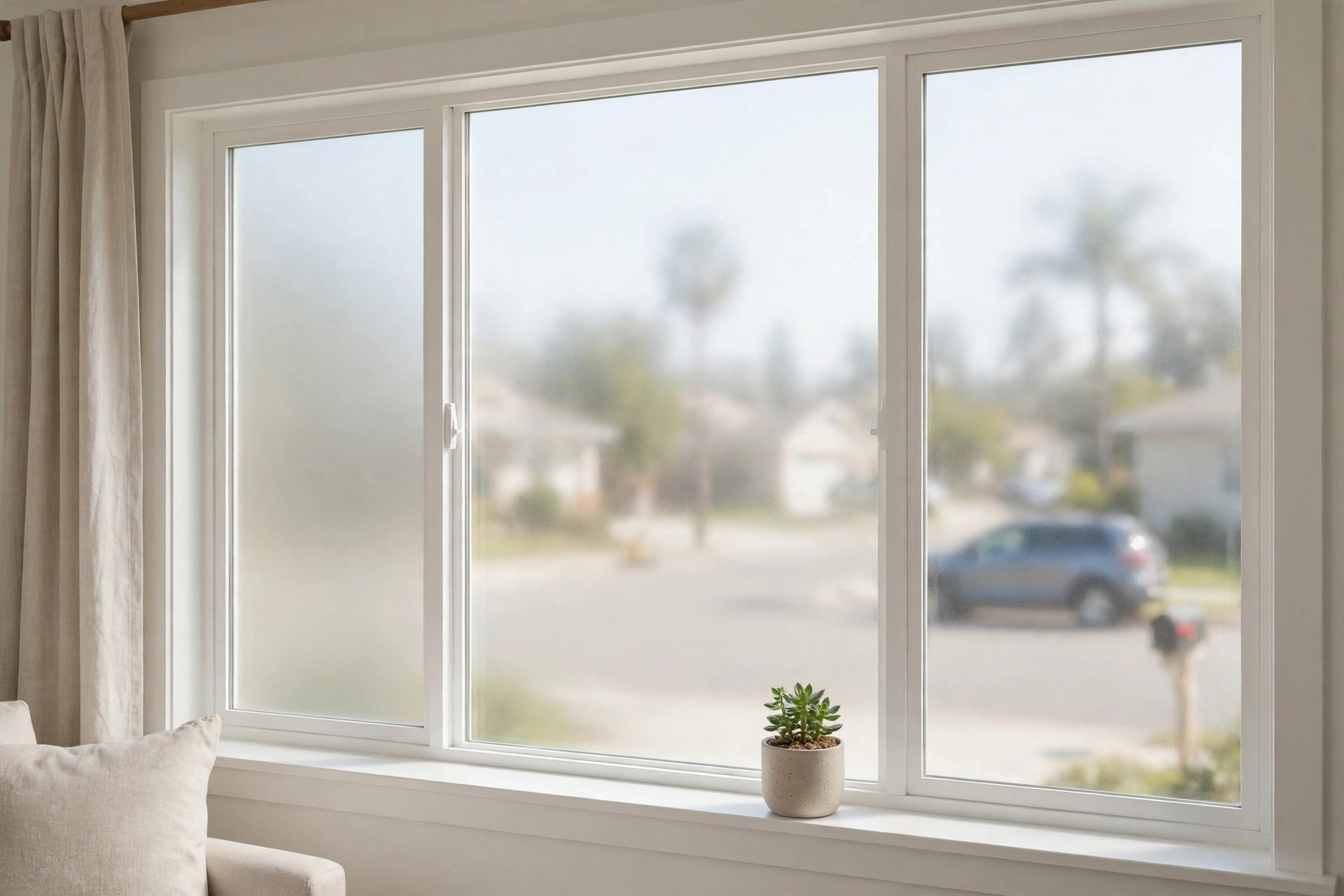

If you want to buy window film privacy tint online in California, you are making a smart choice for your home. Window film is a thin sheet that sticks to glass. It blocks the view from outside. It still lets daylight in. Many California homes use it on street facing windows. It costs less than new curtains or blinds. You can order it online and put it up yourself. This guide walks you through the whole task. It explains the types, the costs, the state rules, and the care the film needs.
Why Privacy Tint Matters in California
California homes face a privacy problem. Streets are busy. Houses sit close together. Ground floor rooms face sidewalks and neighbors. Many people do not want drapes that block all light. Window film solves this well. It gives day time privacy. A one way film shows a mirror look from outside during the day. At night, with lights on inside, it becomes less private. Other films give full cover both day and night. You pick the one that fits your room.
The sun is strong in California. Film cuts glare. It cuts heat. It helps keep a room cool in summer. That can lower air conditioning bills. Many films block most of the sun’s ultraviolet rays. That protects furniture, floors, and rugs from fading. These facts make film a good pick for west and south facing windows.
Privacy film also fits rented homes. A landlord may not allow new blinds or paint. Most films peel off with no damage. A static cling film needs no glue at all. When you move out, you take it down. The glass stays clean. This makes film a favorite for renters in cities like Los Angeles, San Francisco, and San Diego.
How to Choose the Right Film: Buy Window Film Privacy Tint Online in California
Measure Your Windows First
Before you buy, measure each window. Measure the width and height of the glass only. Leave out the frame. Write the numbers down. Order film a few inches larger than the glass. You trim the extra after you apply it. This is safer than ordering a piece that is too small. A roll works well when you have many windows. Pre cut sheets work well for one or two windows. Many retailers such as Wayfair list the exact roll sizes on the product page. Check those numbers before you check out.
What to Look for Before You Buy
Look at the visible light transmission number. This is the VLT rating. It tells how much light passes through the film. A VLT of 5 percent is very dark. A VLT of 35 percent is medium. Higher numbers let in more light. For home windows, a medium VLT often works best. It gives privacy and still keeps the room bright.
Check the film type. Static cling film sticks with water only. It is easy to remove and reuse. Adhesive film sticks with glue. It lasts longer but is harder to take off. Frosted film gives full privacy day and night. Mirror film gives one way day time privacy. Tinted film lowers heat and glare. Read the product title and the details with care. The title should name the type and the VLT rating. If it does not, pick another seller.
Read buyer reviews. Look for reviews that talk about the same use as yours. A review about a car window may not help a home buyer. Look for words like bubbles, peeling, and clarity. Many bubbles mean hard application. Peeling edges mean weak stick. Clear reviews tell you the film is worth the price. Window covering guides on Blinds.com also explain film basics in plain terms.
Check the return policy. Film cut to size may not be returnable. Full rolls often are. Know this before you pay. Also check the shipping time to California. Most online stores ship in a few days. Some charge extra for fast delivery.
Types of Window Film Privacy Tint
Frosted film. This film turns glass into a soft white surface. No one can see through it. It still lets in much light. Bathrooms and entry doors use it most. It comes in full frost and in patterns. Some patterns look like etched glass. This type costs a bit more than plain tint. It gives the best all day privacy.
One way mirror film. This film reflects light during the day. From the street it looks like a mirror. From inside you see out clearly. It works when the outside is brighter than the inside. At night it loses its mirror effect. When indoor lights are on, people outside may see in. This film suits living rooms and offices used mostly in day time.
Blackout film. This film blocks nearly all light. It is best for bedrooms and media rooms. It gives full privacy at all hours. Rooms will get dark in the day. Many buyers pair it with lamps for day time use. Check an affordable window film privacy tint buying guide if you want to compare budget blackout rolls.
Decorative film. This film adds a pattern to plain glass. Stained glass looks, bamboo prints, and geometric designs are common. It gives medium privacy. It also adds style. It is a good pick for kitchen doors and small bath windows. Design tips from HGTV show how patterned film can lift a plain room.
Solar control film. This film targets heat and glare. It often has a light tint. It does not always give full privacy. It pairs well with light curtains. ENERGY STAR guidance on window efficiency explains how films and shades can cut cooling costs in sunny states.
Cost and Price: What to Expect
Price depends on the type, the size, and the brand. A small static cling roll for one window can cost under twenty dollars. A large premium roll for many windows can cost over one hundred dollars. Frosted and decorative films cost more than plain tint. Adhesive films cost more than static cling films. A full home job for ten windows often runs between eighty and two hundred dollars in film alone.
Compare prices across stores. Home improvement stores like Home Depot and Lowe’s product listings carry many film brands. Online marketplaces may offer lower prices on bulk rolls. Watch for free shipping deals. Shipping cost can eat the savings on a cheap roll.
Think about tools too. You will need a spray bottle, a squeegee, a utility knife, and a lint free cloth. A kit with these tools costs ten to twenty dollars. Some film rolls include a small squeegee. If you hire help, labor adds cost. A pro installer may charge per window. For most homes, self install saves the most money. Reliable window treatment installation services in California can help if you prefer a pro job for large or high windows.
Do not buy on price alone. Very cheap film may peel in the heat. California sun is harsh. A film that fails in six months costs more in the end. Look for a warranty of at least three years. Read the warranty terms. Some cover peeling and bubbling. Some cover color change too.
Buying Online: Step by Step
Step one: list your windows. Walk through your home. Note which windows need privacy. Note which face the street or a neighbor. Mark the sizes you measured.
Step two: pick the film type. Bath windows want frosted film. Street facing living room windows often want one way mirror film. Bedrooms may want blackout film. Pick one type per room need.
Step three: choose a seller. Use a known store with clear return terms. Check the film width against your window width. A 36 inch wide roll covers most home windows. Wide patio doors may need a 48 inch roll.
Step four: read the listing. Confirm the VLT rating. Confirm static cling or adhesive. Confirm the roll length and width. Confirm that it is made for home glass, not car glass. Car film and home film are different products.
Step five: order and track. Order a little extra. Mistakes happen on the first window. Most buyers need one extra sheet for practice. Track the package. Film rolls can bend in shipping. Check the roll when it arrives. A bent roll may still work, but a creased roll will not.
Step six: plan the install day. Pick a cool, cloudy day if you can. Direct hot sun dries the water too fast. That makes bubbles hard to push out. Clean the glass well the night before. Dust and grease cause bubbles and peeling.
Care and Upkeep
Window film needs little care. Wait at least a week after install before you clean it. The film needs time to set. Clean with a soft cloth and a mild soap and water mix. Do not use ammonia based cleaners. Ammonia can break down the film and dull the finish. Do not use rough pads. They scratch the surface.
Check the edges once a year. Heat can lift edges over time. If an edge lifts, press it back with a damp cloth. A hair dryer on low heat can help a stubborn edge stick again. Keep the dryer moving. Do not hold it in one spot. Too much heat can warp the film.
Replace film that turns purple or peels wide. Cheap dyed films can change color in strong sun. This is normal wear for low grade film. Better films keep their color for many years. When you replace old film, peel it off slowly. Use warm soapy water to loosen glue from adhesive film. A plastic scraper helps. Never use a metal blade on the glass with force. It can scratch.
Safety Notes
Film on glass is safe when used right. Keep film away from single pane glass near high heat sources. A stove or a heater close to filmed glass can cause stress cracks. Check the product guide for heat limits. Safety standards listed by the U.S. Consumer Product Safety Commission cover window covering cords and child safety, which matter if you pair film with blinds.
Use care with the utility knife during install. Cut away from your body. Keep fingers clear of the blade path. Wear gloves when you trim. The film edge can be sharp.
Check California rules for any film on glass doors near exits. Some local codes ask for safety glass markings to stay visible. If your door has a tempered glass stamp, do not cover it. If you are unsure, ask your city building office. This takes one phone call and avoids trouble later.
Keep small children and pets away during install. The spray water makes floors slick. Wipe drips as you go. Store the utility knife out of reach when you finish.
Frequently Asked Questions
Is window film legal on home windows in California? Yes. Home windows have no state tint limit like cars do. You can use dark film on house glass. Local rules may cover glass doors and fire exits. Check with your city if you film a door.
How long does privacy window film last? Good film lasts five to ten years indoors. Cheap film may last two to three years in strong sun. South and west windows wear faster. A warranty tells you what the maker expects.
Can I remove the film without damage? Static cling film peels off clean. Adhesive film needs warm soapy water and patience. Most glass comes clean with no marks. Test a corner first to see how your film behaves.
Will film make my room too dark? It depends on the VLT rating. A 35 percent VLT film keeps rooms bright. A 5 percent VLT film makes a room quite dark. Frosted film spreads light softly. Read the rating before you buy. Home guides from The Spruce compare light levels for common film types.
Can I put film over double pane windows? Yes, in most cases. Use film made for home glass. Some dark films can trap heat between panes. Pick a film rated safe for double pane glass. The product page should state this.
Should I choose film or curtains for privacy? Film costs less and keeps the view. Curtains add softness and style. Many homes use both. A light film plus sheer curtains gives day privacy with a soft look. For full night cover, add blackout curtains. A blackout roller shades price comparison USA can help you weigh shade costs against film.
A Final Word
To buy window film privacy tint online in California is a simple project with a big payoff. Measure with care. Pick the right type for each room. Order from a trusted seller. Install on a cool day. Keep the film clean with mild soap. In return you get privacy, less glare, and lower heat. Start with one window to learn the steps. Then finish the rest of the house with ease. Your rooms will feel calmer, and your view stays yours.
References
Blinds.com. (n.d.). Window blinds, shades, and shutters. https://www.blinds.com ENERGY STAR. (n.d.). Energy efficient products. https://www.energystar.gov HGTV. (n.d.). Home and garden ideas. https://www.hgtv.com Lowe’s. (n.d.). Home improvement products. https://www.lowes.com The Home Depot. (n.d.). Home improvement products. https://www.homedepot.com The Spruce. (n.d.). Home and garden advice. https://www.thespruce.com U.S. Consumer Product Safety Commission. (n.d.). Product safety information. https://www.cpsc.gov Wayfair. (n.d.). Furniture and home goods. https://www.wayfair.com
Was this guide helpful?

About Sarah Mitchell
The My Garden US editorial team writes practical, in-depth home and garden guides for American homeowners — tested advice, no fluff.
You May Also Like

Luxury Bay Window Curtain Rods Buying Guide
August 4, 2026 0 views
Best Curtain Cleaning Services Near Me: A Plain Guide
March 29, 2026 0 views
Custom Sliding Panel Track Blinds for Midwest Homes
July 14, 2026 0 views