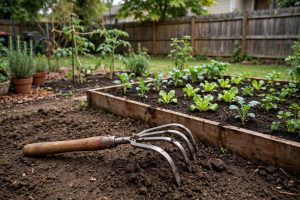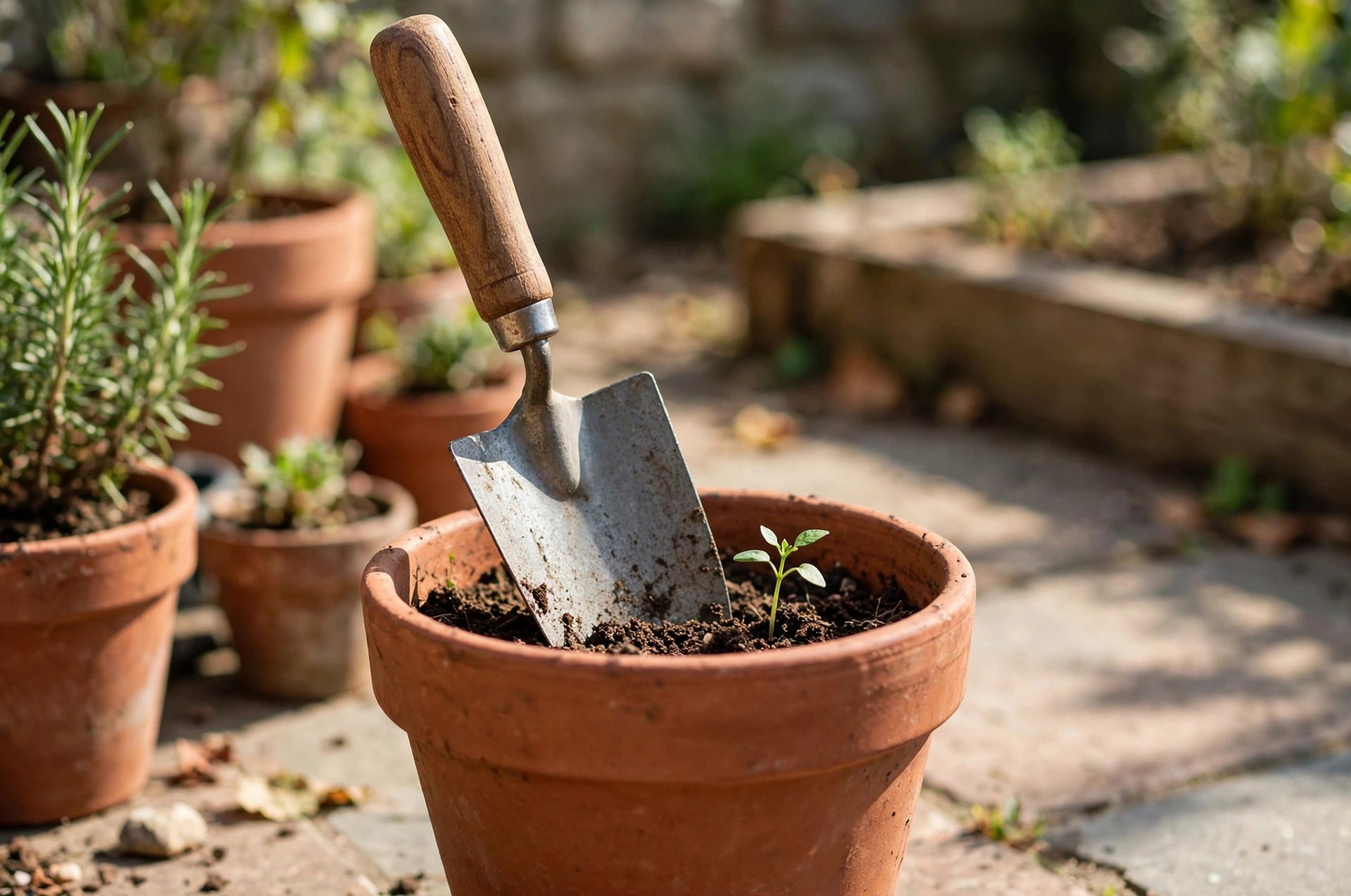
If you are starting a container garden, you need exactly one tool above all others: a hand trowel. It digs planting holes. It scoops potting mix. It transplants seedlings. It weeds around tight roots. A good hand trowel for container gardening does the work of three bigger tools in spaces where bigger tools cannot fit. This guide covers hand trowel for container gardening in plain steps.
Table of Contents
Table of Contents
- Hand Trowel for Container Gardening: Why the Trowel Is a Beginner's Best Friend
- Blade Materials: What Lasts
- Blade Shape and Size
- Handle Comfort: Try Before You Buy
- One-Piece vs. Assembled Construction
- What Beginners Actually Need: A Short List
- Using Your Trowel Right
- Care: Make It Last
- Common Beginner Mistakes
- When to Add a Second Trowel
- References
But walk into any garden center and you face a wall of trowels. Plastic, steel, aluminum, wooden handles, rubber grips, wide blades, narrow blades. This guide cuts through the noise. It explains what matters in a beginner's trowel, which types suit container work, and how to pick one that lasts.
Hand Trowel for Container Gardening: Why the Trowel Is a Beginner's Best Friend
When it comes to hand trowel for container gardening, getting the details right makes all the difference.
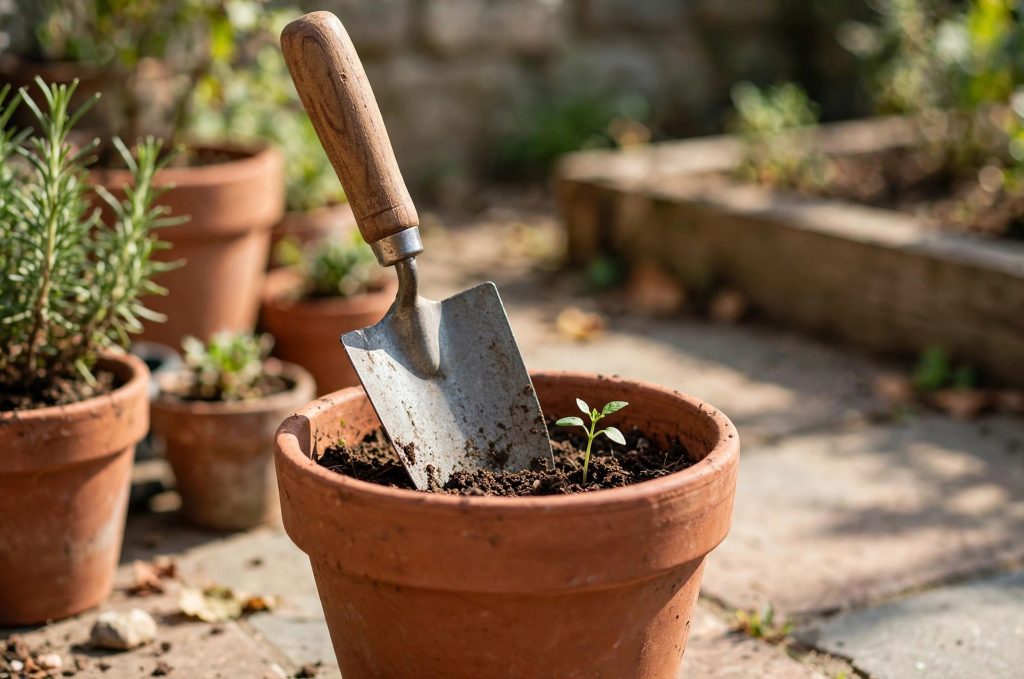
Many homeowners find that hand trowel for container gardening is easier than they expected once they know the basics.
Container gardening happens in tight spaces. A twelve-inch pot does not leave room for a full-size shovel. The hand trowel is sized for exactly this work. Its blade is small enough to dig between established plants without wrecking their roots, and strong enough to break up compacted potting mix.
One trowel handles the core container tasks:
- Digging planting holes for seedlings and transplants.
- Scooping and moving potting mix when filling pots.
- Loosening the soil surface so water soaks in instead of running off.
- Lifting out weeds with their roots intact.
- Mixing fertilizer or compost into the top layer of mix.
Buy a decent one and it will serve for years. Buy a flimsy one and it will bend on the first hard root. The difference is usually a few dollars. The container tool rundown at Xroci puts the hand trowel at the top of the must-have list for exactly these reasons.
Blade Materials: What Lasts
Many homeowners find that hand trowel for container gardening is easier than they expected once they know the basics.
The key to hand trowel for container gardening is choosing the right approach for your space and budget.
The blade is the working end, and the material decides how long it keeps working.
Stainless steel. The best choice for most beginners. It resists rust, stays strong, and slides through soil easily. A stainless blade still needs cleaning, but it forgives the occasional forgotten rinse. Many reviewers rank stainless blades as the top pick for longevity (Backyard Style).
Carbon steel. Strong and sharp, but it rusts if neglected. Gardeners who clean and oil their tools love carbon steel. Beginners who might leave the trowel out overnight should pick stainless instead.
Cast aluminum. Light and rust-proof. Good for scooping loose potting mix. Less good for prying or digging into compacted soil, where aluminum can bend.
Plastic. Fine for kids' tools and for scooping dry mix. Not a real digging tool. A plastic trowel will flex and crack under any serious load.
For a first trowel, stainless steel is the safe bet. It handles every container task and survives beginner mistakes. The trowel buying guide at Pro Garden Review recommends thick polished stainless with a full-tang design, meaning the metal runs all the way through the handle for strength.
Blade Shape and Size
The key to hand trowel for container gardening is choosing the right approach for your space and budget.
With a little planning, hand trowel for container gardening can fit even a busy schedule.
Trowel blades come in a few shapes, and each suits different work:
- Standard wide blade. The all-rounder. Good for digging, scooping, and moving mix. The blade is usually about three inches wide. If you buy only one trowel, make it this one.
- Narrow transplanting trowel. A slim blade for digging deep, narrow holes. Ideal for bulbs, seedlings, and working between crowded plants. The long blade reaches down without disturbing neighbors.
- Scoop blade. Deep and curved like a spoon. Built for moving lots of potting mix fast. Less precise for planting holes.
- Serrated edge. Some blades have a toothed edge on one side for sawing through small roots and opening bags of mix. Handy, not essential.
Blade width matters in containers. A wide blade moves mix fast but cannot fit between tight plantings. A narrow blade fits anywhere but scoops slowly. Beginners do well with a medium blade around two and a half to three inches wide. The classic description from Gardening Know How notes that widths run from one to five inches, and the right width depends on the job.
Depth markings on the blade are a nice bonus. Lines etched every inch help you dig to the right planting depth without guessing. Bulb planting especially benefits from this.
Handle Comfort: Try Before You Buy
With a little planning, hand trowel for container gardening can fit even a busy schedule.
Before you start, it helps to understand how hand trowel for container gardening works in real homes.
You will grip this tool for hours across a season. The handle matters more than most beginners expect.
Wooden handles feel warm and classic. They look good and grip well when dry. But wood can crack or swell if left in the rain, and cheap wood handles loosen over time. A well-made hardwood handle with a solid ferrule lasts well.
Rubber or soft-grip handles are the comfort kings. They cushion the hand, grip well when wet, and reduce blisters. Many beginner-friendly trowels use ergonomic rubber handles shaped to fit the palm. The JetFire hand-tool guide highlights cushioned grips as a key feature for anyone new to garden work.
Plastic handles vary wildly. Hard cheap plastic is uncomfortable and cracks. Quality molded plastic with texture can be fine, but test it in your hand first.
The best test is simple: hold the trowel in the store and mime digging. Does the handle fill your hand without sharp edges? Can you grip it firmly without your fingers cramping? A handle that feels good for thirty seconds will feel good for thirty minutes. One that pinches will blister you by the second pot.
Look for a hanging hole in the handle end. It lets you hang the trowel on a hook instead of losing it in the potting mix. Small detail, big difference over a season.
One-Piece vs. Assembled Construction
Before you start, it helps to understand how hand trowel for container gardening works in real homes.
A good plan for hand trowel for container gardening saves time, money, and frustration.
How the blade meets the handle decides whether the trowel survives real work.
One-piece construction means the blade and handle core are a single piece of metal. Nothing can loosen or break at the joint. These are the toughest trowels made. The trade-off is usually a higher price and sometimes a less cushioned handle.
Tang construction runs a metal tang from the blade into the handle. Full tang is strong. Partial tang is weaker but cheaper.
Socket or welded joints attach the blade to a separate handle. Quality varies. Good welds hold for years. Bad ones snap the first time you pry a root.
For container gardening, a full-tang or one-piece stainless trowel is worth the money. Containers often hold compacted mix that needs real force to break up. A weak joint fails exactly when you lean on it hardest.
What Beginners Actually Need: A Short List
A good plan for hand trowel for container gardening saves time, money, and frustration.
For most people, hand trowel for container gardening comes down to a few smart choices.
Strip away the marketing and a beginner's trowel needs five things:
1. A stainless steel blade, medium width, with a pointed or rounded tip. 2. A comfortable handle that fits your hand, rubber or quality wood. 3. Strong construction: one-piece or full tang. 4. A hanging hole for storage. 5. A price that does not hurt if you are still learning.
Depth markings and a serrated edge are welcome extras. Everything else is decoration.
Compare a few models against this list and the choice gets easy. The Garden Gate trowel review walks through the two main blade styles and matches them to common garden tasks, which helps if you are deciding between a standard and a transplanting blade.
Using Your Trowel Right
For most people, hand trowel for container gardening comes down to a few smart choices.
If you are new to hand trowel for container gardening, start with the simplest option and build from there.
A good trowel still needs good technique. A few habits:
- Push straight down, then lever. For planting holes, drive the blade vertically into the mix, then pull the handle toward you to open the hole. Do not twist side to side. Twisting bends blades.
- Do not pry rocks. Trowels are not pry bars. If you hit a stone or a thick root in a container, work around it or switch to a hand fork.
- Scoop with the curve up. The blade's curve holds mix like a spoon. Keep the curve facing up when carrying soil across the patio.
- Work the edges. In containers, run the trowel around the inside edge of the pot to loosen mix that has pulled away from the sides. This helps water soak in evenly.
- Mind the roots. The trowel's precision is its strength. Dig close to plants without fear, but go slow near stems you want to keep.
For rocky or heavy soils, consider a heavier-duty option like the models in our garden trowel for rocky soil guide. For full sets, see trowel sets for beginners.
Care: Make It Last
If you are new to hand trowel for container gardening, start with the simplest option and build from there.
A stainless trowel is tough but not immortal. Clean it after each use. Knock off the mix, rinse with water, and wipe dry. A quick wipe with an oily rag now and then keeps the blade slick and rust-free. Store it hanging or in a dry spot, never sitting in a puddle on the patio.
The Homes and Gardens container guide lists the trowel alongside pots, mix, and fertilizer as core beginner gear, which says something about how central this simple tool is.
Sharpening is rarely needed for trowels, but if the edge gets battered, a few strokes with a file restore it. Check the handle yearly. Tighten any loose ferrule, sand down splinters on wooden handles, and rub in a little linseed oil to keep the wood from drying out.
Common Beginner Mistakes
When it comes to hand trowel for container gardening, getting the details right makes all the difference.
- Buying the cheapest trowel. A three-dollar trowel bends on day one. Spend a little more once instead of buying twice.
- Using it as a hammer or pry bar. Trowels dig. They do not hammer stakes or lever pavers.
- Leaving it in the pot. A trowel left buried in wet mix rusts and gets forgotten. Hang it up.
- Digging with a twisting motion. Straight in, lever out. Twisting is how blades bend.
- Ignoring the handle. Blisters come from bad grips and long sessions. Wear gloves for big planting days.
When to Add a Second Trowel
Many homeowners find that hand trowel for container gardening is easier than they expected once they know the basics.
One trowel covers the basics. As your container garden grows, a second trowel earns its place. A narrow transplanting trowel is the usual next buy. It slips between crowded plants and digs precise holes for seedlings. Some gardeners also add a small hand fork for loosening mix and weeding. Our trowel planting guide covers models suited to detailed planting work.
Start with one good all-rounder. Learn what it does well and where you wish for something narrower or deeper. Then buy the second trowel with purpose instead of guessing.
The hand trowel is a humble tool. It does not roar or shine. But on a sunny morning, with a tray of seedlings and a row of waiting pots, it is the tool in your hand for nearly every task. Choose well, treat it right, and it will be the tool in your hand for many seasons to come. With these steps, hand trowel for container gardening stays simple and safe.
References
The key to hand trowel for container gardening is choosing the right approach for your space and budget.
Backyard Style. (n.d.). 9 best garden trowels reviewed. https://www.backyardstyle.com/best-garden-trowel/
Country Life. (n.d.). The 10 tools no gardener should be without. https://www.countrylife.co.uk/gardens/gardening-tips/10-tools-no-gardener-without-148511
Garden Gate Magazine. (n.d.). The best garden trowels. https://www.gardengatemagazine.com/review/garden-trowel/
Gardening Know How. (n.d.). Using gardening trowels - When and how to use a trowel in the garden. https://www.gardeningknowhow.com/garden-how-to/tools/garden-trowel-information.htm
Homes and Gardens. (n.d.). Container gardening for beginners - how to get the best pots. https://www.homesandgardens.com/gardens/container-gardening-for-beginners
JetFire Tools. (n.d.). Best hand tools for terrace gardening. https://jetfiretools.com/best-hand-tools-for-terrace-gardening/
Pro Garden Review. (n.d.). Best stainless garden trowel buying guide. https://progardenreview.com/best-stainless-garden-trowel/
Xroci. (n.d.). Best tools for container gardening. https://www.xroci.com/blogs/xroci-guide-and-tips/best-tools-for-container-gardening
Was this guide helpful?

About My Garden US
The My Garden US editorial team writes practical, in-depth home and garden guides for American homeowners — tested advice, no fluff.
You May Also Like
The Best Garden Snips for Deadheading Flowers
June 28, 2026 16 views
Seed Starting Supplies Checklist for Beginners
January 9, 2026 18 views
Cold Frame for Winter Gardening Reviews: What to Buy and How to Use It
July 3, 2026 20 views