---
Table of Contents
Table of Contents
- Short Cycling in an Air Conditioner: What a Normal Cooling Cycle Looks Like
- The Most Common Cause: A Dirty Air Filter
- An Oversized Unit: Too Much Power, Too Little Comfort
- Low Refrigerant: The Closed Loop That Should Never Run Low
- Thermostat Problems: Bad Location, Weak Batteries, Wrong Settings
- Electrical and Control Faults
- What Short Cycling Does to Your System
- A Step-by-Step Troubleshooting Order
- Preventing Short Cycling
- Frequently Asked Questions
- References
A healthy air conditioner runs in long, steady stretches. It turns on, cools the house for ten to twenty minutes, then rests. An air conditioner that is short cycling breaks that rhythm. It starts, runs for a few minutes, shuts off, and starts again, sometimes a dozen times an hour. The house never quite gets comfortable, the power bill climbs, and the equipment takes a beating. Here is what to know about short cycling in an air conditioner before you start.
Short cycling is not a disease. It is a symptom. Something is making the system quit each cooling cycle early. Finding that something is the whole job. This guide explains what short cycling is, why it happens, what it costs you, and how to fix it, from the simple checks you can do yourself to the problems that need a licensed technician. If you suspect your unit may be the wrong size for your home, our guide on how to size a central AC unit explains what proper sizing looks like.
Short Cycling in an Air Conditioner: What a Normal Cooling Cycle Looks Like
When it comes to short cycling in an air conditioner, getting the details right makes all the difference.
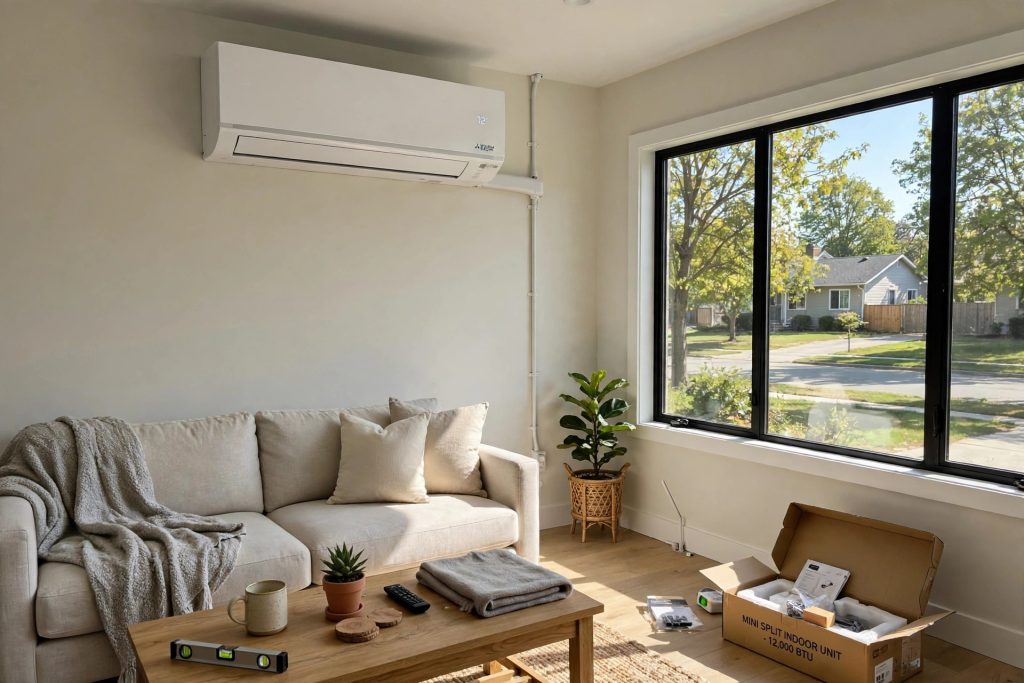
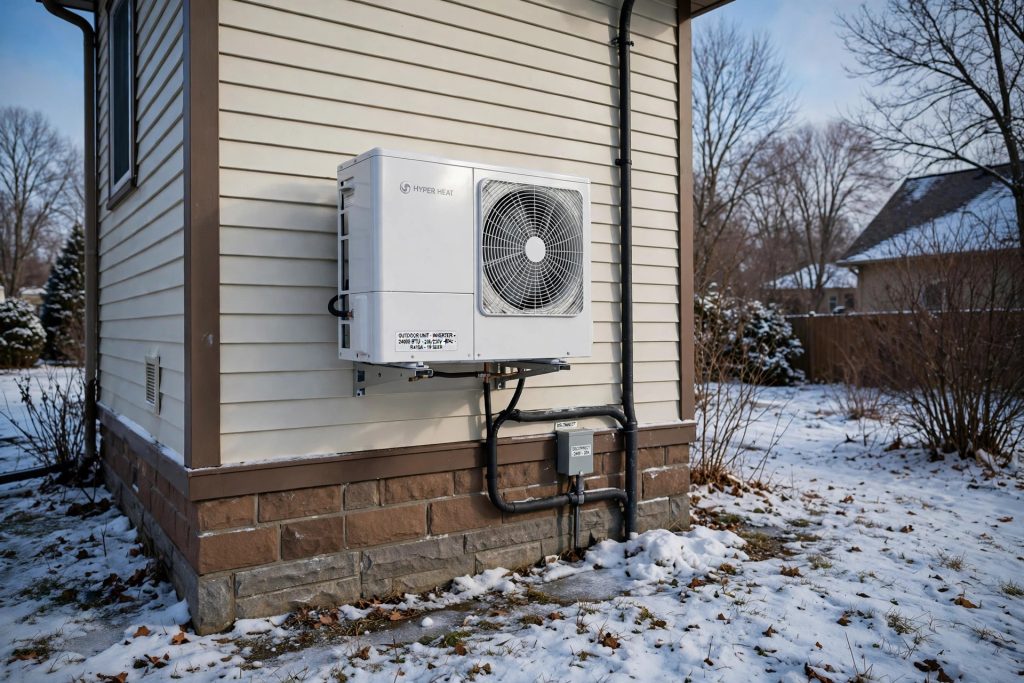
Many homeowners find that short cycling in an air conditioner is easier than they expected once they know the basics.
A normal cycle starts when the indoor temperature rises above the thermostat setting. The compressor and fan kick on. Cool air flows through the vents. The system runs for a good while, pulling heat and moisture out of the air. When the thermostat is satisfied, the system shuts off and stays off until the house warms up again.
Lennox describes the difference this way: a normal cycle runs ten minutes or more, while a short-cycling unit runs for just a few minutes, shuts off before reaching the set temperature, and repeats the pattern all day.
Why does cycle length matter? Cooling is only half the job. The other half is dehumidification. Moisture only condenses on the cold indoor coil when the coil stays cold for a while. A unit that quits after three minutes leaves the air cool but damp. The house feels clammy even when the thermostat reads the right number.
The Most Common Cause: A Dirty Air Filter
Many homeowners find that short cycling in an air conditioner is easier than they expected once they know the basics.
The key to short cycling in an air conditioner is choosing the right approach for your space and budget.
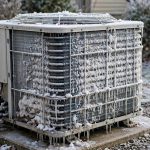
The first thing to check costs almost nothing. A clogged air filter chokes airflow across the indoor coil. With too little warm air crossing it, the coil gets colder than it should. Ice forms on the coil. Safety controls sense the freeze-up or the pressure drop and shut the system down early. The ice melts, the system restarts, and the whole loop repeats.
Carrier lists restricted airflow from dirty filters first among the common causes of short cycling, and their advice is simple: check the filter and replace it if it looks dirty. Hold the filter up to a light. If you cannot see light through it, it is done.
Most homes need a new filter every one to three months, more often with pets or heavy dust. Our guide on how often to change your HVAC filter breaks down the schedule by filter type and household. If you want stronger filtration without starving the system of air, read our look at the best MERV 13 filters for HVAC, because a filter that is too restrictive for your blower can cause the same airflow problems as a dirty one.
An Oversized Unit: Too Much Power, Too Little Comfort
The key to short cycling in an air conditioner is choosing the right approach for your space and budget.
With a little planning, short cycling in an air conditioner can fit even a busy schedule.
This one surprises people. A bigger air conditioner sounds better. It is not. An oversized unit blasts the air near the thermostat down to the set temperature in minutes and shuts off, long before it has cooled the far rooms or wrung moisture from the air. Then the house warms right back up and the cycle starts again.
Bigger is not better with air conditioning. Proper sizing comes from a load calculation that accounts for square footage, insulation, windows, and climate. A rule of thumb or a guess based on the old unit's size is how oversized systems get installed. If your system has short cycled since the day it was installed, oversizing is the prime suspect, and replacing it with a correctly sized unit is the only lasting fix.
When shopping for a replacement, compare equipment with our reviews of Lennox vs Rheem and Trane vs Carrier, and look at the cost difference between 16 and 18 SEER systems so you size for efficiency as well as capacity.
Low Refrigerant: The Closed Loop That Should Never Run Low
With a little planning, short cycling in an air conditioner can fit even a busy schedule.
Before you start, it helps to understand how short cycling in an air conditioner works in real homes.
Refrigerant is the working fluid that carries heat out of your home. It runs in a sealed loop. It does not get used up like fuel. So if the charge is low, there is a leak somewhere: a cracked flare fitting, a pinhole in the coil, a worn valve.
Low refrigerant drops the pressure in the system. The indoor coil runs too cold and ices over. Ice blocks airflow, pressures swing, and the low-pressure safety switch cuts the compressor off early. You may hear a faint hissing near the lines, see ice on the copper tubing, or notice the system struggling to cool at all.
This one is strictly for a licensed technician. Handling refrigerant requires EPA certification, and just topping off the charge without finding the leak is a temporary patch that wastes money and risks the compressor. This overview of HVAC short cycling causes explains why low refrigerant always means a leak and why a proper repair finds and seals it.
Thermostat Problems: Bad Location, Weak Batteries, Wrong Settings
Before you start, it helps to understand how short cycling in an air conditioner works in real homes.
A good plan for short cycling in an air conditioner saves time, money, and frustration.
The thermostat is the brain of the system, and a confused brain sends confused orders. The most common thermostat cause is bad placement. A thermostat in direct sun, above a heat-producing appliance, or right under a supply vent reads the wrong temperature. It thinks the house is cool when it is not, or warm when it is not, and cycles the system on bad information.
Weak batteries can make a thermostat reboot or drop its call for cooling mid-cycle. An old thermostat with a worn anticipator or a failing sensor does the same. If your thermostat sits in a poor spot, move it to an interior wall away from heat sources and drafts. If it is old, upgrading to a modern model is cheap insurance. Heating News Journal's troubleshooting table lists thermostat placement and batteries among the first checks, with clear guidance on when the fix is DIY and when to call a pro.
A little planning makes short cycling in an air conditioner much easier.
Electrical and Control Faults
A good plan for short cycling in an air conditioner saves time, money, and frustration.
For most people, short cycling in an air conditioner comes down to a few smart choices.
Loose wiring, a weak start capacitor, or a failing control board can interrupt power to the compressor and cause erratic on-off behavior. You might hear clicking at the outdoor unit, see the lights dim when the compressor tries to start, or find the breaker tripped.
You can safely reset a tripped breaker once. If it trips again, stop and call a technician. Capacitors hold a dangerous charge even with the power off, and control boards are not a DIY repair. This is the point where homeowner troubleshooting ends.
What Short Cycling Does to Your System
For most people, short cycling in an air conditioner comes down to a few smart choices.
If you are new to short cycling in an air conditioner, start with the simplest option and build from there.
Every compressor startup draws a surge of current and slams moving parts from a dead stop to full speed. Doing that a few times a day is normal. Doing it dozens of times an hour wears the compressor out fast. The compressor is the most expensive part in the system, and Remember The Filter explains how sustained short cycling overheats it, often to the point where replacing the whole unit makes more sense than repairing it.
The costs show up before the breakdown. Startups are the hungriest part of any cycle, so a short-cycling system uses far more electricity per degree of cooling. Humidity stays high, which can feed mold in damp corners. And comfort suffers: some rooms freeze while others stay warm, because no cycle lasts long enough to even things out.
A Step-by-Step Troubleshooting Order
If you are new to short cycling in an air conditioner, start with the simplest option and build from there.
Work from cheapest to most expensive.
1. Check and replace the air filter. Do this first, every time. 2. Open all supply and return vents. Closed vents in unused rooms raise pressure and can trip safety cutoffs. 3. Check the thermostat. Fresh batteries, correct mode and settings, and a sensible location on an interior wall. 4. Look at the outdoor unit. Clear leaves and debris from around it, and make sure nothing blocks airflow through the coil. A basic noise and maintenance check covers the same cleaning steps that help cycling problems too, and this troubleshooting walkthrough for noisy air conditioners doubles as a good general inspection routine.
5. Watch the indoor coil for ice. If you see frost on the lines or the coil, turn the system off and let it thaw completely before running it again. If it ices up again, call a technician. 6. Reset the breaker once. If it trips again, do not keep resetting it.
If none of this stops the cycling, the problem is likely refrigerant, electrical, or sizing, and all three need a professional with gauges, meters, and a load calculation.
Preventing Short Cycling
When it comes to short cycling in an air conditioner, getting the details right makes all the difference.
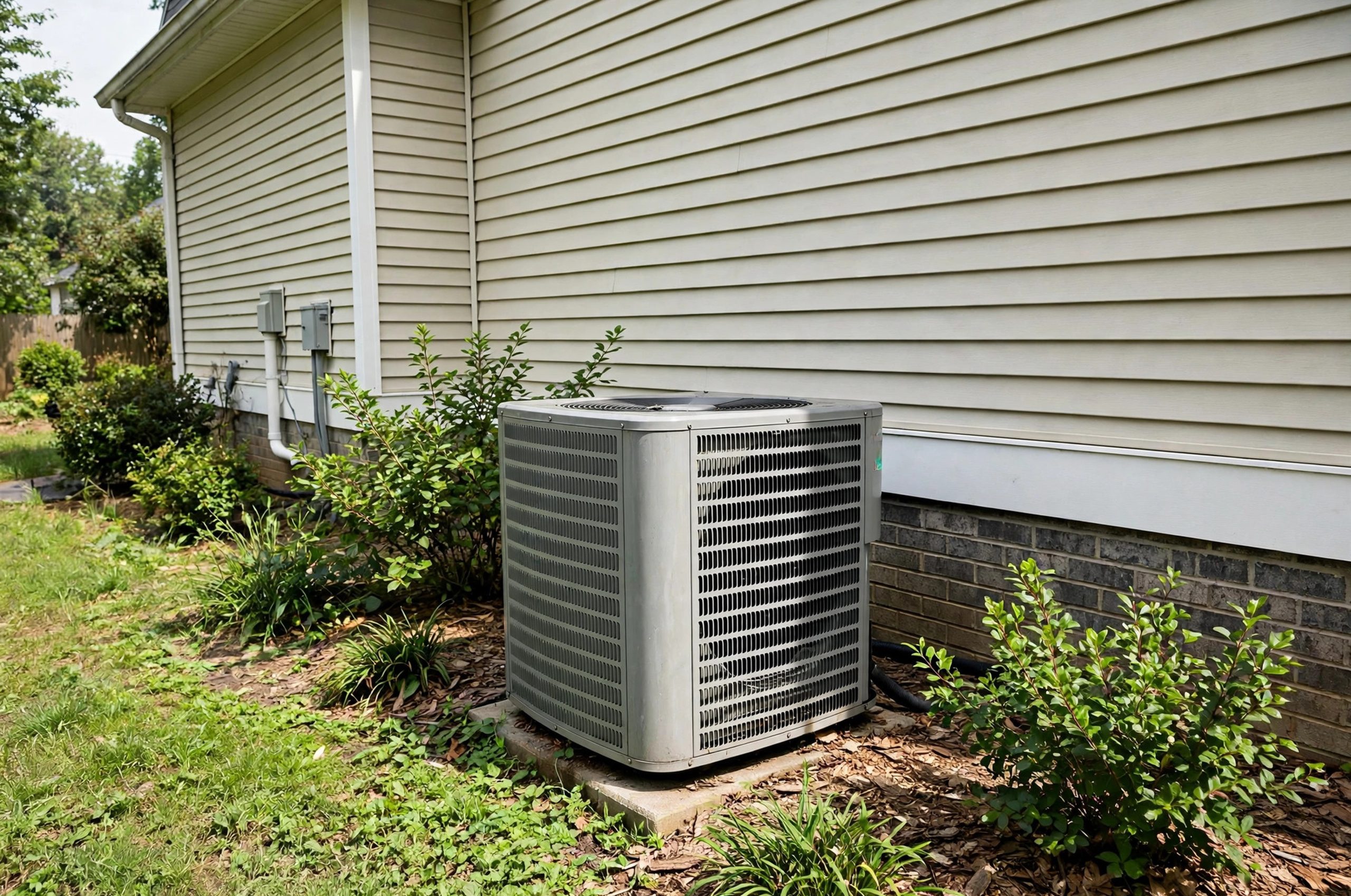
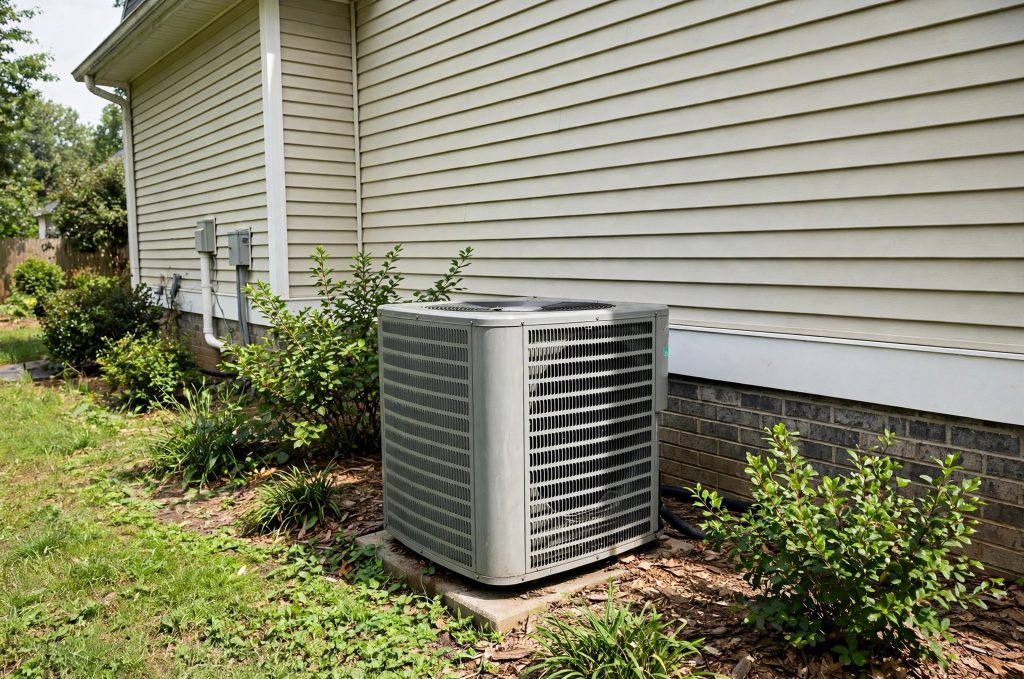
Prevention is mostly maintenance. Change filters on schedule. Keep the outdoor unit clear of plants and debris. Get a yearly tune-up: a technician checks the refrigerant charge, tests the capacitor and contactor, cleans the coils, and verifies the thermostat calibration. The DOE's home energy checklist is a good reminder of the small monthly jobs that keep cooling systems healthy.
If your system is old and short cycles constantly, consider that modern equipment handles part-load conditions far better. A variable-speed AC ramps its output up and down instead of slamming on and off, which nearly eliminates the short-cycling pattern by design.
Frequently Asked Questions
Many homeowners find that short cycling in an air conditioner is easier than they expected once they know the basics.
Is it normal for an AC to cycle every ten minutes? No. A healthy system runs for longer stretches. Ten-minute cycles point to oversizing or a mechanical issue worth investigating.
Can I keep running a short-cycling AC? You can, but every week of short cycling shortens the compressor's life and inflates your power bill. Fix it soon rather than later.
Will a bigger AC fix a house that cools unevenly? Usually the opposite. Uneven cooling with short cycles is a classic sign the unit is already too big. A load calculation tells the true story.
How long should a cooling cycle last? In typical summer weather, fifteen to twenty minutes per cycle is normal. Very hot days bring longer runs, which is fine. Once you try it, short cycling in an air conditioner gets easier each time.
References
The key to short cycling in an air conditioner is choosing the right approach for your space and budget.
- Carrier Corporation. (n.d.). What is AC short cycling? Causes and troubleshooting. https://carrier.com/us/en/residential/hvac-resources/air-conditioners/ac-short-cycling/
- Lennox Industries. (n.d.). Air conditioner short cycling: What you need to know. https://www.lennox.com/residential/lennox-life/consumer/air-conditioner-short-cycling
- Heating News Journal. (n.d.). Why your air conditioner keeps turning off and on by itself. http://heatingnewsjournal.com/my-air-conditioner-keeps-turning-off-and-on-by-itself/
- Remember The Filter. (n.d.). Short-cycling AC: Causes, costs, and fixes. https://www.rememberthefilter.com/blogs/news/the-consequences-of-a-short-cycling-air-conditioner
- RHC HVAC. (n.d.). Why is my HVAC system short-cycling? http://rhcchvac.com/why-is-my-hvac-system-short-cycling/
- The Chill Brothers. (n.d.). How to quiet a noisy air conditioner: 7 practical tips. http://thechillbrothers.com/7-tips-for-eliminating-air-conditioner-noise-in-your-home-or-office/
- Air Techs Heating and Cooling. (n.d.). How to troubleshoot a noisy air conditioner. https://airtechsheatingcooling.com/blog/how-to-troubleshoot-a-noisy-air-conditioner/
- U.S. Department of Energy. (n.d.). Home energy checklist. https://www.energy.gov/cmei/femp/home-energy-checklist
Was this guide helpful?

About My Garden US
The My Garden US editorial team writes practical, in-depth home and garden guides for American homeowners — tested advice, no fluff.