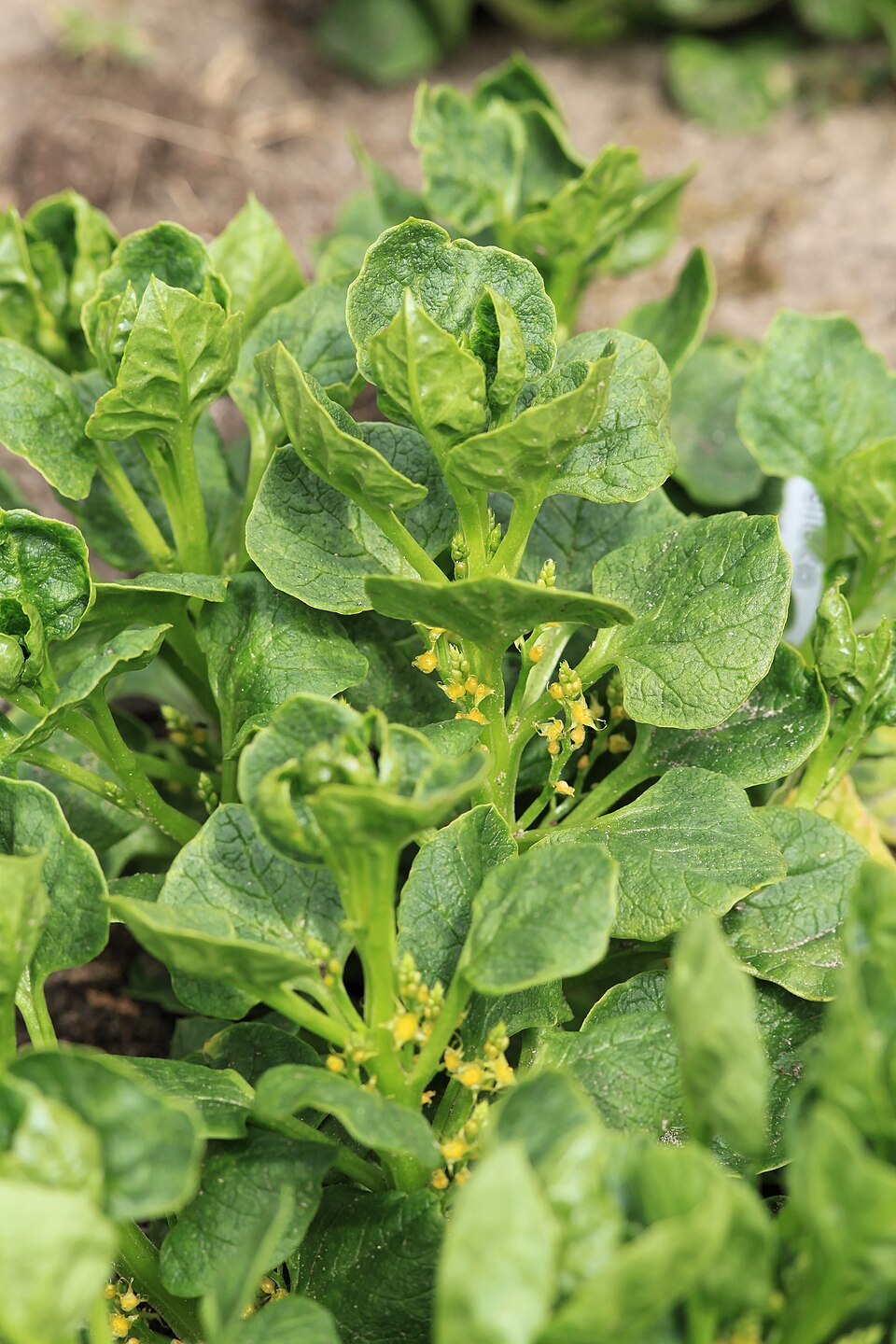
Ulluco is one of the prettiest tubers you will ever pull from the ground. These small, waxy, jewel-toned tubers come in yellows, pinks, reds, and purples, and they hold a crisp bite even after cooking. In the high Andes, ulluco is second only to the potato as a staple crop. In American gardens, it is a curiosity, but a rewarding one. Learning how to grow ulluco comes down to one thing above all: keeping it cool.
Table of Contents
Table of Contents
Ulluco is fussy in exactly one way. It needs cool weather and shortening days to form its tubers. Where summers stay long and hot, the plants sulk, grow leaves, and make few tubers. But in regions with mild summers, cool nights, or a gentle fall season, ulluco thrives with very little fuss. Gardeners in the Pacific Northwest, the Northeast, and high elevations have the natural advantage here.

Photo: Wikimedia Commons
Quick facts: Sun: part shade. Soil: cool, moist, well-drained. Water: steady moisture. Plant tubers 1 to 2 inches deep, 12 inches apart. Days to maturity: 180 to 210. Hardy in zones 8 to 11; treat as an annual elsewhere.
Choosing a Variety and Getting Started
When it comes to how to grow ulluco, getting the details right makes all the difference.

Many homeowners find that how to grow ulluco is easier than they expected once they know the basics.
Ulluco grows from small seed tubers, not true seed. You plant the tubers the way you plant potatoes, and each one sprouts into a low, spreading plant. Seed tubers are a specialty item in the United States, sold by a handful of heirloom and Andean crop suppliers. Order early, because stock is limited and sells out.
There are many colors and shapes, from round yellow types to elongated red ones, but suppliers rarely offer named varieties to home gardeners. Buy whatever healthy, firm tubers you can find. Size matters less than firmness. A small firm tuber outgrows a large soft one every time. Before you order, check your USDA zone planting dates on the planting calendar and be honest about your summer heat. Ulluco is a cool-season lover in a warm-season disguise.
If you have grown potatoes or beets, the planting rhythm will feel familiar: tubers in the ground after frost danger, steady water, and a fall harvest. The difference is that ulluco wants the coolest corner of the garden, not the sunniest.
When and How to Plant
Many homeowners find that how to grow ulluco is easier than they expected once they know the basics.
The key to how to grow ulluco is choosing the right approach for your space and budget.
Plant ulluco tubers once frost risk has passed in spring, about two weeks after your last spring frost. The soil should be workable and cool, not cold and soggy. Ulluco is not in a hurry to sprout. It emerges slowly, and the plants stay modest for weeks. Do not panic. This is normal. The crop does its real work late in the season, when the days shorten and the nights cool.
Set the small tubers 1 to 2 inches deep and 8 to 12 inches apart. They do not need deep planting. In warm regions, the smartest move is to time ulluco as a fall crop: plant in late summer so the plants mature through the cool weeks of autumn, when tuber formation kicks in. The Old Farmer's Almanac planting calendar can help you work backward from your first fall frost to find your planting window.
Give the planting a gentle watering after setting the tubers. Then mulch. Mulch is not optional for ulluco; it is the crop's air conditioning. A thick layer of straw or shredded leaves keeps the root zone cool and moist, which is exactly what tuber formation demands.
Soil and Sun
The key to how to grow ulluco is choosing the right approach for your space and budget.
With a little planning, how to grow ulluco can fit even a busy schedule.
Ulluco wants cool, moist, well-drained soil and a little shade. Full blazing sun in a hot climate is the fastest way to fail with this crop. Part shade, especially afternoon shade, keeps the plants happier and the soil cooler. In mild coastal or northern climates, full sun is fine because the air itself stays cool.
Work compost into the bed before planting. Ulluco likes rich soil, the kind that holds moisture without staying soggy. Heavy clay that bakes in summer heat is a poor home; lighten it with compost or grow in a raised bed filled with a loose, humusy mix. The Clemson Home & Garden Information Center has practical guidance on building the kind of rich, moisture-holding soil ulluco loves.
Keep the pH near neutral. Ulluco is not picky about exact numbers, but it does poorly in very acidic, sour soil. A routine liming based on a soil test keeps things in range. You can look up its botanical background under Ullucus tuberosus in the USDA PLANTS Database.
Watering and Feeding
With a little planning, how to grow ulluco can fit even a busy schedule.
Before you start, it helps to understand how how to grow ulluco works in real homes.
Water steadily all season. Ulluco needs consistent moisture from planting to harvest. Letting the bed dry out in summer heat stresses the plants and cuts tuber set. Drip irrigation or soaker hoses work beautifully, delivering water to the roots without wetting the leaves. Water in the morning so foliage dries during the day.
The heavy mulch you laid at planting does half the watering work for you. Check under it now and then. If the soil feels dry an inch down, water. If it feels cool and damp, leave it alone. In a rainy climate, you might barely need to water at all, which is one reason ulluco suits the Pacific Northwest so well.
Feed lightly. Compost at planting is usually enough. A midseason side dressing of compost helps in thin soil, but heavy feeding is unnecessary and can push soft, leafy growth that flops. Ulluco is a modest feeder for a tuber crop.
Care Through the Season
Before you start, it helps to understand how how to grow ulluco works in real homes.
A good plan for how to grow ulluco saves time, money, and frustration.
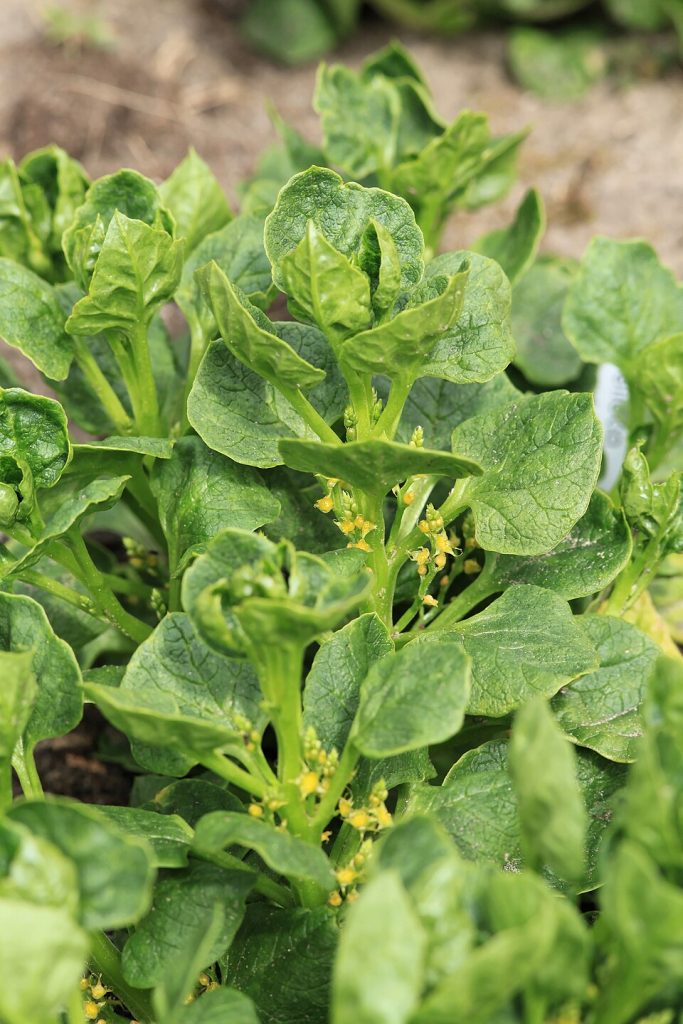
Ulluco is a slow, compact grower, and that is fine. Do not compare it to potatoes. Potato plants explode out of the ground; ulluco creeps. The plants stay low, with rounded, slightly succulent leaves on sprawling stems. Weed gently around them, because the shallow roots and low stems are easy to damage with a hoe. Hand pulling is safest.
Few pests trouble ulluco. Slugs might nibble in damp weather, and that is about it. The crop's obscurity is its protection; most American garden pests have never met it. Keep the mulch fresh through summer, adding more if it packs down. In a heat wave, an extra-deep watering and a shade cloth over the bed can carry the plants through.
One more thing: do not expect tubers early. Ulluco waits for shortening days. The plants might look like they are doing nothing all summer, then start swelling tubers as the nights lengthen. Patience is the whole game. Background on day-length-sensitive Andean crops is available through the USDA National Agricultural Library.
Harvest
A good plan for how to grow ulluco saves time, money, and frustration.
For most people, how to grow ulluco comes down to a few smart choices.
Harvest after the vines die back. Like potatoes, ulluco tells you it is ready when the tops yellow and collapse. Dig carefully with a fork, because the tubers are small and easy to spear. Sift through the soil with your hands. The tubers are bright and waxy, hard to miss once you see them.
Wash them well and let them dry in the shade. Their crisp texture is the star of the show: unlike potatoes, ulluco stays firm and slightly crunchy when cooked, which makes it excellent in soups and stews. It does not fall apart in the pot. Store the tubers for weeks in the refrigerator in a breathable bag. They keep better than you would expect from something so fresh-tasting.
Save the smallest, firmest tubers as next year's seed stock. Kept cool and dark, they hold until spring planting. In zones 8 to 11, where ulluco is perennial, you can also leave a few tubers in the ground under mulch, and they will sprout on their own.
Troubleshooting
For most people, how to grow ulluco comes down to a few smart choices.
If you are new to how to grow ulluco, start with the simplest option and build from there.
Plants grow leaves but no tubers. Heat is the usual culprit. Ulluco needs cool nights and shortening days to tuberize. In hot-summer regions, try the fall-crop timing, the shadiest cool spot, and extra-heavy mulch. If your summers are long and relentlessly hot, this might simply not be your crop.
Tubers are tiny. The season was too short or too warm at the end. Give fall plantings the maximum cool finish, and make sure the plants were never drought-stressed during tuber formation.
Seed tubers rot after planting. The soil was too wet and cold. Wait until the ground has warmed a little and drains well. Planting in a raised bed helps enormously in soggy spring soil.
Slugs chew the leaves. Standard slug defenses apply: keep the bed tidy, water in the morning, and set out traps or barriers. Damage is usually cosmetic.
Ulluco asks for cool soil, steady water, and patience, and it pays back with the most colorful harvest in the root cellar. For gardeners who enjoy unusual tubers, carrots make a fine cool-season companion in the same bed, since both crops appreciate loose soil and even moisture. And if you want to read more about uncommon vegetables, Gardenia.net's plant profiles are a good next stop, with growing notes on hundreds of lesser-known edibles worth trying.
References
If you are new to how to grow ulluco, start with the simplest option and build from there.
When it comes to how to grow ulluco, getting the details right makes all the difference.
Old Farmer's Almanac. (n.d.). Growing vegetables in home gardens. https://www.almanac.com/
Clemson Cooperative Extension. (n.d.). Home & Garden Information Center. https://hgic.clemson.edu/
University of Minnesota Extension. (n.d.). Growing vegetables in Minnesota home gardens. https://extension.umn.edu/
Missouri Botanical Garden. (n.d.). Plant finder. https://www.missouribotanicalgarden.org/
Many homeowners find that how to grow ulluco is easier than they expected once they know the basics.
When it comes to how to grow ulluco, getting the details right makes all the difference.
Was this guide helpful?

About My Garden US
The My Garden US editorial team writes practical, in-depth home and garden guides for American homeowners — tested advice, no fluff.