
Where to Find Tulip Bulbs in the Fall in America
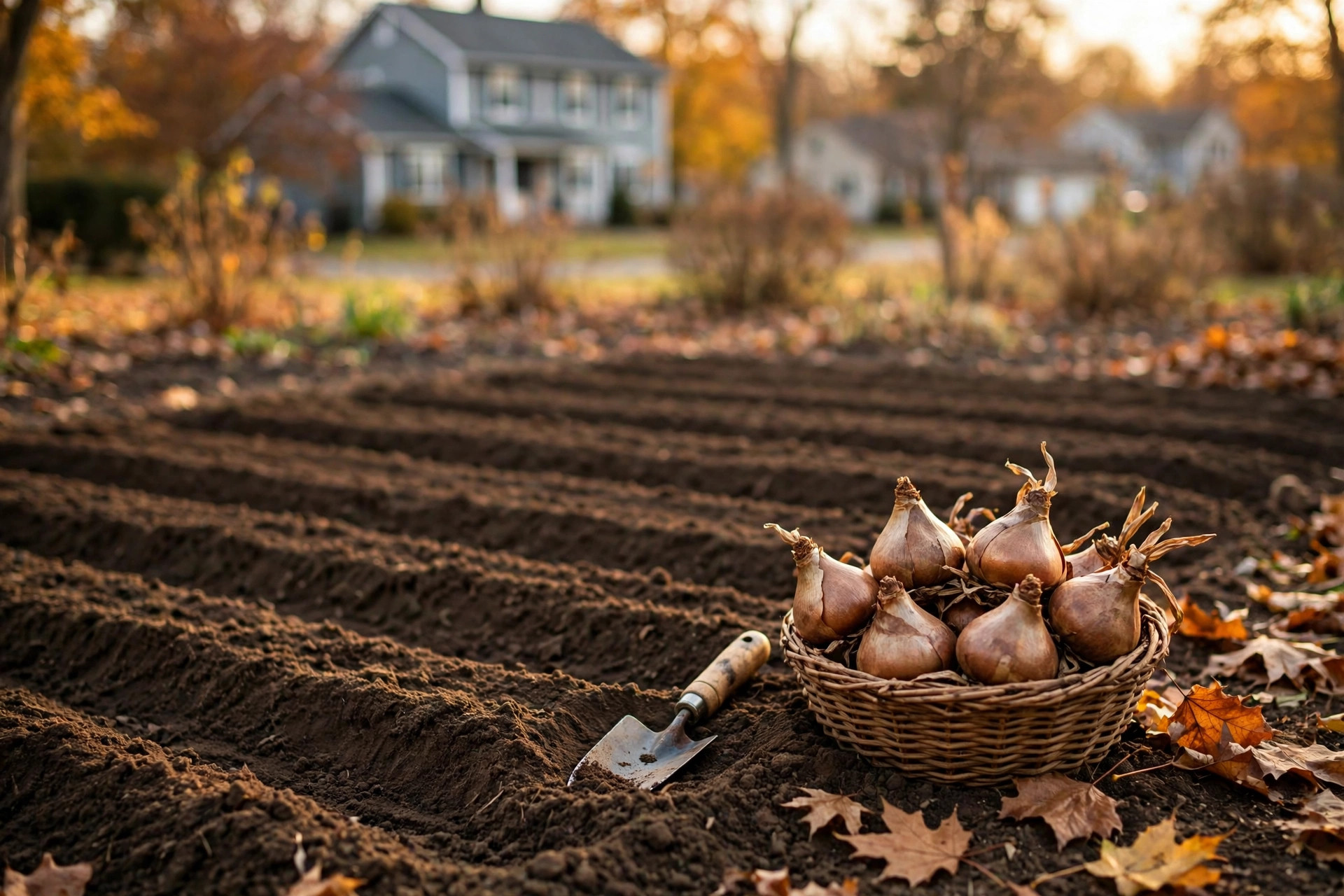
The question of tulip bulbs fall where to buy usa comes up every year when the leaves start to turn. Tulips must be planted in autumn to bloom in spring. The bulbs need a long period of winter cold, and that cold is what wakes them up in time for the new year. If you wait until spring to buy, the good stock is gone. So the smart move is to know your sources before the fall rush, and to buy early enough that you get firm, healthy bulbs at a fair price.
Many gardeners are surprised by how many places sell tulip bulbs in the fall. You can buy them from mail order houses, garden centers, big hardware chains, and small local nurseries. Each has its own strength. This guide walks through the best places to buy, what to look for, what to pay, and how to plant once the bulbs are in your hands.
Why Fall Is the Only Time to Buy: Tulip Bulbs Fall Where to Buy Usa
Tulips are spring bloomers, but they are fall planters. The bulb must go into cold soil in October or November in most of the country. In warm southern states, gardeners sometimes plant in December. The cold of winter is not the enemy of the tulip. It is the requirement. A tulip bulb that never feels the chill will grow leaves but no flower.
That is why stores and seed houses sell tulip bulbs in the fall and not in the spring. By the time April comes, the bulbs have already been planted by the thousands in backyards across the nation. Buyers who shop early get the largest bulbs and the widest choice of colors. Buyers who wait get leftovers, and leftovers are often soft, small, or dried out.
What to Look for in a Good Tulip Bulb
A good tulip bulb feels heavy in the hand. It should be firm all the way around, with no soft spots and no mold. The outer skin, called the tunic, should be dry and papery, not wet or torn away. Size matters too. Bulbs are often sold by circumference, and a bigger bulb usually means a bigger flower. A bulb that measures eleven or twelve centimeters around will give you a strong stem and a full bloom.
Avoid bulbs that feel light or hollow. Avoid bulbs that show green shoots already poking out unless you plan to plant them at once. And be wary of bulbs with no variety name on the package. A bag labeled only “mixed tulips” will give you flowers, but you will not know the colors or the bloom time, and you cannot plan a border with mystery flowers.
Where to Buy: Mail Order Houses
Mail order houses are the backbone of tulip bulb buying in the United States. They ship in the fall, and they often grow or import their bulbs from the same Dutch fields that supply the great spring shows. Buying by mail gives you the largest choice of named varieties, and prices drop when you buy in bags of twenty-five, fifty, or one hundred.
One of the best-known names is Burpee, a company that has served American gardeners for generations. Another long-standing house is Park Seed, which carries a wide range of fall-planted bulbs in its catalog each year. Gurney’s is another trusted name with a long history of shipping bulbs to all parts of the country. If you want garden-tested stock and clear growing notes, White Flower Farm is worth a look, though it sits outside our linked list this time.
Two more strong mail sources worth knowing are Proven Winners for new plant lines and Monrovia for nursery-grown stock. Both carry sound reputations, and both ship at the right time for fall planting.
Where to Buy: Garden Centers and Big Stores
Not everyone wants to order by mail. Local garden centers carry tulip bulbs in the fall, and they have a real advantage: you can hold the bulb in your hand before you pay. Independent nurseries often choose varieties that do well in the local soil and weather, and the staff can tell you which tulips come back year after year in your area.
Big chain stores are worth checking too. They buy in huge lots, so prices can be very low. The risk is quality. Bulbs that sit too long in a warm store can dry out or break dormancy too early. If you buy from a chain, pick bags that are freshly stocked, feel the bulbs through the mesh, and pass on any bag that has many soft ones.
Where to Buy: Online Marketplaces and Direct Sellers
Online marketplaces have made it easy to buy tulip bulbs from small growers, but they demand a careful eye. Read the seller’s record. Look for clear photos of the actual bulbs, a named variety, and a stated size. Avoid sellers who cannot tell you when the bulbs will ship, because bulbs that arrive in late December in the north may never get planted.
For general growing advice before you buy, The Spruce carries a large library of plain, tested garden articles, and Gardening Know How answers many of the small questions that come up when you are new to bulbs. For plant research with a scientific bent, the USDA National Institute of Food and Agriculture offers public resources on horticulture across the states.
Types of Tulips to Choose
Tulips are not all alike. Early single tulips bloom first, often in March in the south and April in the north. Triumph tulips follow, and they are the classic workhorse of the spring border: strong stems, clean colors, good return. Darwin hybrids are the giants, with tall stems and large flowers that carry well in wind. Parrot tulips have frilled, feathered petals for gardeners who like drama. Lily-flowered tulips are slender and elegant, and double tulips look like small peonies.
For beds that you want to last more than one spring, Darwin hybrids and single early tulips tend to come back best. Double and parrot types are lovely but often fade after one strong year. If your goal is a tulip bulbs fall for sale usa bargain that also returns, stick with the hardy classes and plant them deep.
How Much Tulip Bulbs Cost
Prices for tulip bulbs in the fall are modest when you buy in bulk. Common varieties often sell for one to three dollars per bulb in small bags of ten. When you step up to bags of fifty, the per-bulb price can fall below a dollar. Rare or new varieties cost more, sometimes four to six dollars a bulb.
Do not judge a deal by the bag price alone. Count the bulbs and check the size. Fifty small bulbs at a low price may give a weaker show than twenty-five large ones at a higher price. Shipping adds to mail order cost, so compare the landed price per bulb before you choose a seller. Fall clearance sales in November can bring deep cuts, but the choice narrows fast, and late planting in cold ground is hard work.
How to Plant After You Buy
Buy your bulbs, then plant them promptly. Keep them cool and dry until planting day. Choose a spot with full sun and soil that drains well. Tulips rot in standing water. Dig a trench or individual holes about six to eight inches deep. In warmer climates, plant a little deeper, up to ten inches, to keep the bulb cool.
Set each bulb with the pointed end up. Space them about four to six inches apart for a full look. Cover with soil, water well, and add a layer of mulch two or three inches deep. The mulch keeps the soil temperature steady and holds in moisture through the winter. Mark the bed so you do not dig into it by mistake. Then wait. Nature does the rest.
If you want a broader plan for your fall bulb order, our tulip bulbs fall buying guide usa walks through sizing, colors, and bloom times in more depth.
Care and Upkeep Through the Seasons
Once planted, tulips ask for little. In a normal winter with rain or snow, you need not water them again. In a very dry winter, a deep drink once a month helps. When the leaves come up in spring, let them grow. The leaves feed the bulb for next year, so do not cut them off while they are green. Wait until they turn yellow and pull away with a gentle tug.
After bloom, snap off the spent flower head but leave the stem and leaves. A light feeding with bulb fertilizer at planting time is enough for most soils. In beds where tulips return each year, a handful of fertilizer each fall keeps them strong. Gardeners who want to mix in other fall bulbs might also enjoy dahlia bulbs bulk for sale usa as a companion order, since dahlias are bought in spring and fill the bed after tulips fade.
Safety Notes for Households
Tulip bulbs are not safe to eat. They contain compounds that can cause mouth and stomach upset in people and animals. Keep stored bulbs away from food and out of reach of small children. Dogs and cats may dig up newly planted bulbs, so cover the bed or fence it during the planting season if your pets are diggers.
Wear gloves if your skin is sensitive. The bulb dust can irritate some people, and repeated handling of large lots of bulbs can cause a rash in rare cases. This is not common, but gloves make the work more pleasant anyway. For planting dates and moon-phase lore that many gardeners still follow, the Old Farmer’s Almanac is a cheerful old standby.
Frequently Asked Questions
When should I buy tulip bulbs in the USA?
Buy in September or October. Mail order houses start shipping in early fall, and garden centers stock up around the same time. By late November, the choice is thin. Early buying gets you the largest bulbs and the best prices per bulb.
How many tulip bulbs do I need for a good show?
For a bold bed, plant in groups of at least twenty-five. A single row of ten looks thin. Drift plantings of fifty or more give the natural sweep of color you see in fine spring gardens. If the budget is tight, fewer large bulbs beat many small ones.
Can I plant tulip bulbs in spring instead of fall?
You can, but you will likely get leaves and no flowers that year. The bulb needs winter cold to set a bloom. Pre-chilled bulbs sold in pots are the exception: those were chilled by the grower and can bloom the same season. For garden beds, fall planting is the rule.
How long do tulip bulbs last in the ground?
Many tulips bloom strongly for one to three years. Darwin hybrids and single early types often come back longest. Most gardeners in cold climates treat tulips as a fall ritual: plant fresh bulbs each autumn for a sure spring show, and enjoy the returners as a bonus.
Are expensive tulip bulbs worth it?
Sometimes. New or rare varieties cost more because stock is small. For common colors like red, yellow, and pink, the low-priced standard varieties are excellent. Spend the extra money on form you love, such as parrots or fringed types, not on the promise of a bigger flower.
Can I grow tulips in containers?
Yes. Plant bulbs in pots in fall, pack them close, and keep the pots in a cold garage or buried spot through winter. Bring them into the light in spring. Containers need good drainage, so use a light potting mix and make sure the pots have holes.
A Short Final Word
The search for tulip bulbs fall where to buy usa ends with a simple plan. Buy early in the fall. Choose firm, named, large bulbs from a source you trust. Compare the price per bulb, not the price per bag. Plant deep in well-drained soil, mulch the bed, and let winter do its quiet work. Come spring, when the first green spears push through the cold ground, you will be glad you bought on time.
References
Burpee. (n.d.). Seeds, plants, and gardening supplies. https://www.burpee.com Gardening Know How. (n.d.). Gardening guides and plant care. https://www.gardeningknowhow.com Gurney’s Seed & Nursery Co. (n.d.). Seeds, plants, and garden supplies. https://www.gurneys.com Monrovia. (n.d.). Plants for home gardens. https://www.monrovia.com National Institute of Food and Agriculture. (n.d.). Agricultural research and extension. https://www.nifa.usda.gov Park Seed. (n.d.). Seeds, plants, and gardening supplies. https://www.parkseed.com Proven Winners. (n.d.). Plants and gardening inspiration. https://www.provenwinners.com The Old Farmer’s Almanac. (n.d.). Gardening calendars and advice. https://www.almanac.com The Spruce. (n.d.). Home and garden advice. https://www.thespruce.com White Flower Farm. (n.d.). Plants, bulbs, and garden supplies. https://www.whiteflowerfarm.com
Was this guide helpful?

About Jennifer Lee
The My Garden US editorial team writes practical, in-depth home and garden guides for American homeowners — tested advice, no fluff.
You May Also Like

How to Grow Tomatoes: Complete USA Guide
October 6, 2026 19 views
Dahlia Bulbs Bulk USA Online Deals: How to Buy More Tubers for Less Money
February 3, 2026 0 views
Snake Plants Indoor for Sale USA: A Plain Guide to Buying
January 17, 2026 0 views