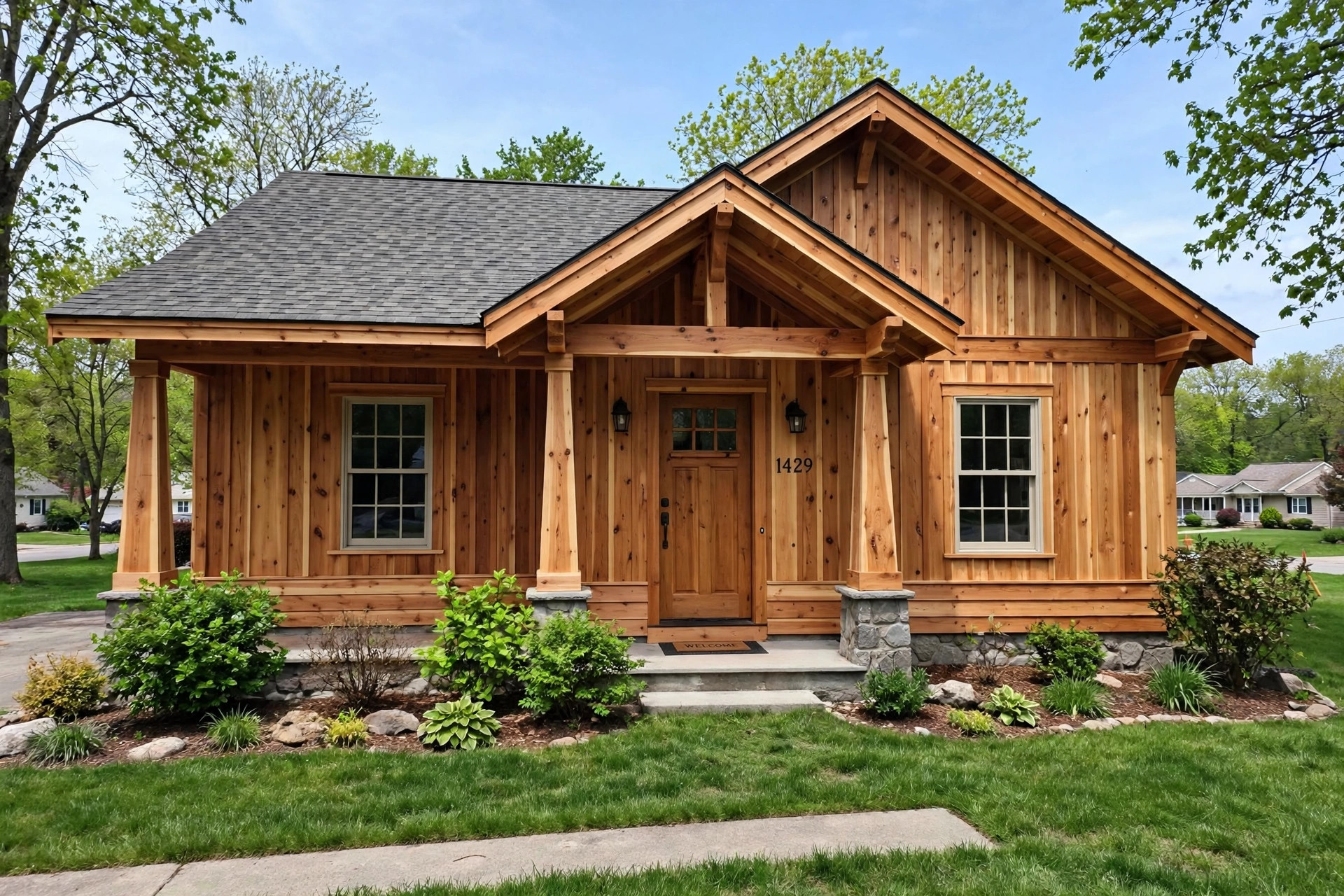

The walls outside your home do more than keep out the wind. They give the house its face. When paint peels, boards crack, or rot sets in, premium wood siding replacement for homeowners is one of the surest ways to bring a tired home back to life. New wood siding can raise the value of a house, cut drafty air leaks, and give rooms a warmer feel from the street.
This guide walks through the whole subject in plain terms. You will learn why wood siding matters, which types are worth the money, what a job costs, and how to keep the new boards in fine shape for years.
Why New Wood Siding Matters for a Home
Siding is the skin of a house. When the skin fails, water finds its way in. Wet wood rots. Rotted wood invites insects. Small holes grow into big bills. A full replacement stops that chain before it starts.
Good wood siding also pays back at sale time. Buyers notice a clean, even exterior before they step inside. Real wood has a grain and warmth that plain plastic boards cannot copy. Many buyers will pay more for a home that looks solid and cared for.
There is also the comfort side. Old siding often hides thin or missing insulation. A replacement job is the natural time to add house wrap and rigid foam under the boards. That cuts heat loss in winter and heat gain in summer, which shows up on the power bill.
What Premium Wood Siding Replacement for Homeowners Involves
A replacement project has several clear steps. First, a crew removes the old siding down to the sheathing. Next, they repair any bad spots in the sheathing or framing. Then they lay down a weather barrier. Finally, they hang the new boards, caulk the joints, and paint or stain the surface.
Most jobs take one to three weeks, depending on the size of the house. A small ranch might take ten days. A two-story home with many corners can take longer. Good crews work in a steady order around the house so the home is never left open to rain for long.
Signs It Is Time to Replace
Look at your walls closely once a year. These signs mean the siding is near the end of its life:
– Soft or crumbly boards that give when you press them – Cracked, warped, or missing pieces – Peeling paint that comes back soon after each paint job – Water stains on inside walls near the outside – Bubbles under the paint, which point to trapped water – Sawdust piles near the base, a sign of insects
One or two bad boards can be swapped out. Widespread damage across many walls is a strong case for full replacement.
Types of Wood Siding Worth the Premium Price
Not all wood boards are the same. The “premium” in premium wood siding replacement for homeowners usually points to top grades of proven species.
Cedar
Cedar is the most loved choice. It resists rot and insects on its own. It holds stain well and weathers to a soft gray if left bare. Western red cedar is the standard for high-end jobs. Clear grades have almost no knots and cost the most. Knotty grades look rustic and cost less.
Redwood
Redwood shares cedar’s natural resistance. It has a rich color and straight grain. It is harder to find in some regions, and the price runs high. Where it is common, it is a fine pick for a lasting exterior.
Pine and Fir
Treated pine costs less than cedar or redwood. Pressure treatment pushes preservatives deep into the wood, which fights rot. Fir is strong and paints well. These woods need more care over time, but the lower price appeals to many owners.
Engineered Wood
Some products blend real wood fibers with resin to make panels and boards. They look much like solid wood but resist warping better. They carry long warranties. They are worth a look if your climate swings hard between wet and dry.
If you favor a rugged, shingled look, read our guide on best cedar shake siding for southern states. And when the walls are done, fresh best exterior trim replacement near me work can complete the new look.
How to Choose the Right Profile and Grade
Siding boards come in shapes. Bevel or clapboard is the classic: each board overlaps the one below it, shedding water down the wall. Tongue and groove fits tight for a flat, modern face. Board and batten gives a farmhouse feel with wide boards and thin strips over the seams. Shingles and shakes give texture and charm on gables and full walls alike.
Grade matters as much as shape. Clear or “A” grade wood has few defects and takes finish evenly. Common grades show knots and color shifts. For a premium result, spend the extra money on the clear grade for the front of the house at least. Knotty boards can serve on the less seen sides.
Thickness counts too. Thicker boards cup and split less. They also take fasteners better, which keeps them flat against the wall for decades.
Cost and Price: What to Budget
Premium wood siding replacement for homeowners is not cheap, and honest numbers help with planning. Installed cost for quality cedar siding often runs from twelve to twenty-five dollars per square foot, depending on the region, the grade, and the shape of the house. A two-thousand-square-foot home can thus run twenty-four thousand to fifty thousand dollars.
Several things push the price up or down:
– House size and shape. More corners, dormers, and tall walls mean more labor. – Tear-off. Stripping old siding and fixing hidden rot adds cost but protects the new job. – Wood species and grade. Clear cedar costs more than knotty pine. – Finish. Factory priming and two coats of stain or paint add to the bid but extend life. – Region. Labor rates in coastal cities run higher than in rural areas.
Get at least three written bids. Each should list the species, grade, profile, underlayment, and finish. Bids that skip these details are not worth comparing. For a side-by-side sense of how other exterior bids are structured, see our professional grade exterior door replacement for homeowners guide.
Plan a cushion of ten to fifteen percent for surprises behind the old siding. Rot and bad sheathing show up often once the old boards come off.
Finding a Good Contractor
The crew matters as much as the wood. Ask for proof of license and insurance. Ask how many full siding jobs they did last year. Ask for addresses of past jobs you can drive past. A good contractor will also explain the wall layers: sheathing, weather barrier, flashing, and siding, each in its proper order.
Red flags include a price far below the rest, pressure to sign the same day, and no written warranty. A fair contract names the materials, the start date, the payment schedule, and the cleanup plan. Never pay the full sum before the work starts.
Homeowners can learn more about planning exterior projects from resources like This Old House and Bob Vila, which publish plain guides on siding and trim work.
Care and Upkeep After Installation
New siding lasts longest when it gets steady, simple care. Wood is a natural material, and it rewards attention.
Cleaning
Wash the walls once a year with a garden hose and a soft brush. A mild soap and water mix takes off dirt and mildew. Skip the hard pressure washer blast; strong jets can force water behind the boards and rough up the grain. For repair techniques around the wall system, Family Handyman offers step-by-step guidance.
Refinishing
Stained wood needs a fresh coat every three to five years in harsh sun, longer in mild shade. Painted wood can go five to eight years between coats. Watch the south and west walls first; sun eats finish fastest there. Scrape loose finish, sand lightly, and recoat before bare wood shows.
Caulk and Fasteners
Check caulk lines around windows, doors, and corners each spring. Re-caulk gaps before rain works in. Look for popped nails and drive them back or swap them for stainless screws. Stainless or hot-dipped galvanized fasteners resist rust stains on wood.
Vegetation and Water
Keep shrubs a foot or more from the walls so air moves and leaves dry fast. Make sure gutters carry water well away from the base of the siding. Splash-back from bare ground is a common cause of early rot at the bottom boards.
Safety on the Job
Siding work runs high and involves sharp tools. Homeowners who help or watch should keep a few rules in mind. Ladders must stand firm and extend three feet past the roof edge. Scaffolds need level ground and guard rails. Crews should wear eye and ear protection when cutting boards and driving fasteners.
Old homes may hold lead paint on the siding being removed. If your house dates before 1978, hire a crew trained in lead-safe work practices and confirm they test before they strip. Dust control keeps the yard safe for kids and pets during the job. For safety standards on home products, the Consumer Product Safety Commission is a useful reference.
Ways to Save Without Cutting Corners
A premium job does not have to break the bank. Use clear grade on the street-facing walls and a lower grade on the sides and back. Pick stain over paint if you like the wood look; stain recoats faster and cheaper. Schedule the job in the contractor’s slower season, often late fall or early spring, when bids run lower.
Also ask about factory-finished boards. They arrive primed or stained on all six sides, which seals the wood fully and adds years to the finish. The up-front cost is higher, but the long-term math often favors it. Major retailers like The Home Depot and Lowe’s stock a wide range of siding options and finish products for price checks.
FAQ
How long does premium wood siding last? With proper finish and care, cedar and redwood siding can serve thirty to fifty years. Lesser woods last less. The finish is the key; neglected stain or paint shortens the life of any species.
Is wood siding better than vinyl or fiber cement? Each has its place. Wood looks richest and can be refinished many times. Vinyl costs less and needs little care but can crack and fade. Fiber cement is tough and fire-resistant but heavier to install. For the product side of the debate, manufacturers such as James Hardie and CertainTeed publish detailed comparisons.
Can new siding go over old siding? Some crews do it, but removal is the better path. Taking the old boards off lets the crew fix rot, add a proper weather barrier, and check flashing. Covering old siding hides problems that grow worse in the dark.
Does wood siding attract termites? All wood can draw insects, but cedar and redwood resist them better than soft pine. Keep soil and mulch away from the bottom boards, fix leaks fast, and have the home checked yearly in termite country. General home care advice from The Spruce covers prevention routines well.
When is the best season to replace siding? Mild, dry weather is ideal: late spring and early fall in most regions. Crews can work in summer heat and light winter cold too, but rain and freezing slow the job and hurt caulk and paint curing.
Will new siding raise my home value? A fresh, quality exterior is one of the most visible upgrades a buyer sees. Appraisers and agents report strong returns on siding replacement, especially when the old siding was clearly worn. The exact gain depends on the local market.
A Short Final Word
Premium wood siding replacement for homeowners is a big project with a big payoff. Choose the right wood, hire a careful crew, and keep up with simple care. Do that, and the new walls will guard your home and please your eye for decades.
References
Bob Vila. (n.d.). Home improvement advice. https://www.bobvila.com CertainTeed. (n.d.). Building materials and exterior products. https://www.certainteed.com Family Handyman. (n.d.). DIY home repair and maintenance. https://www.familyhandyman.com James Hardie. (n.d.). Fiber cement siding and exterior products. https://www.jameshardie.com Lowe’s. (n.d.). Home improvement products. https://www.lowes.com The Home Depot. (n.d.). Home improvement products. https://www.homedepot.com The Spruce. (n.d.). Home and garden advice. https://www.thespruce.com This Old House. (n.d.). Home renovation guidance. https://www.thisoldhouse.com U.S. Consumer Product Safety Commission. (n.d.). Product safety information. https://www.cpsc.gov
Was this guide helpful?

About David Wilson
The My Garden US editorial team writes practical, in-depth home and garden guides for American homeowners — tested advice, no fluff.
You May Also Like

Top Rated Insulated Garage Doors for USA Homes
April 6, 2026 0 views
Best Replacement Window Installation Near Me: A Simple Guide for Homeowners
August 25, 2026 0 views
Premium Seamless Gutter Guards With Free Shipping: A Practical Buying Guide
January 26, 2026 0 views