
Table of Contents
Table of Contents
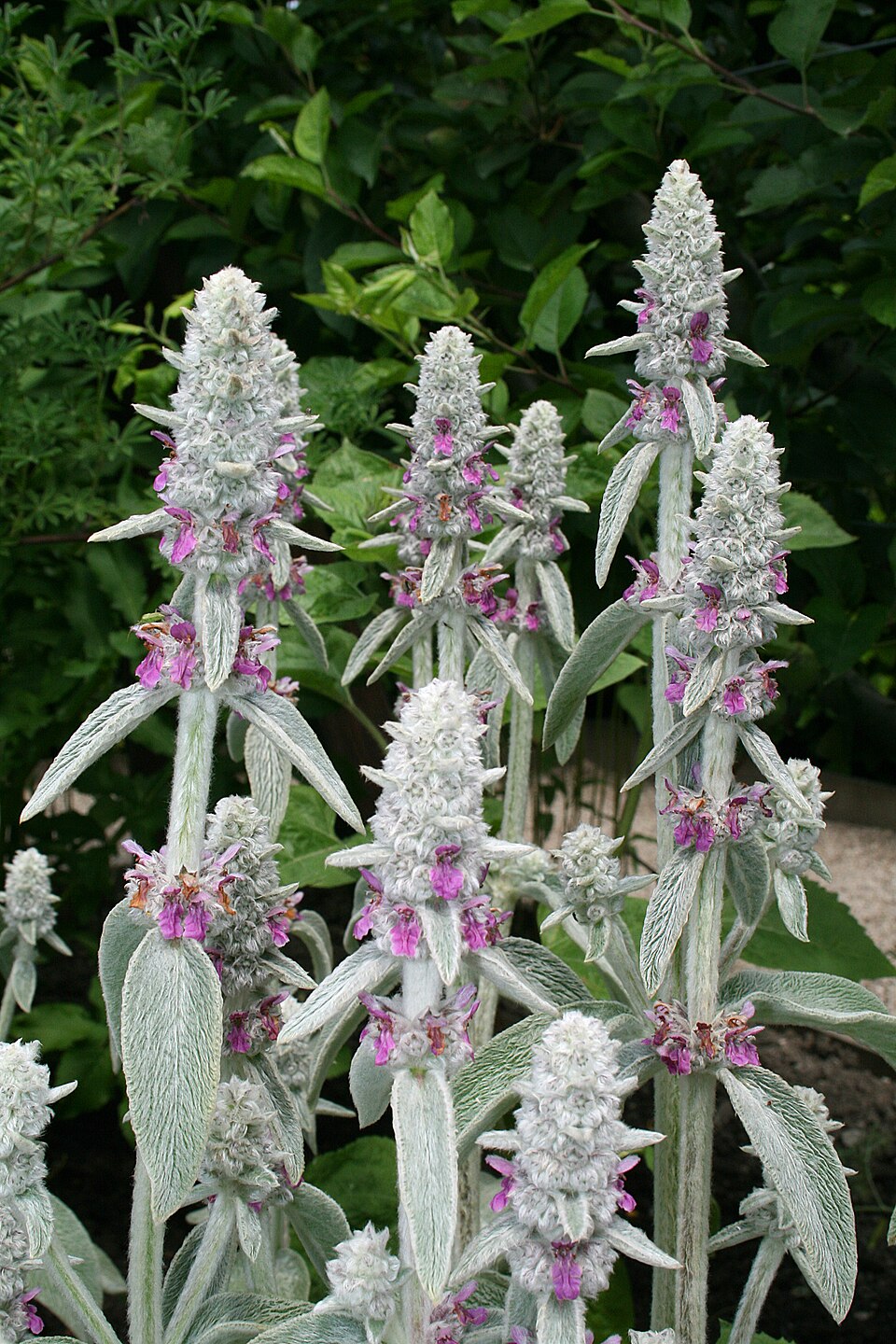
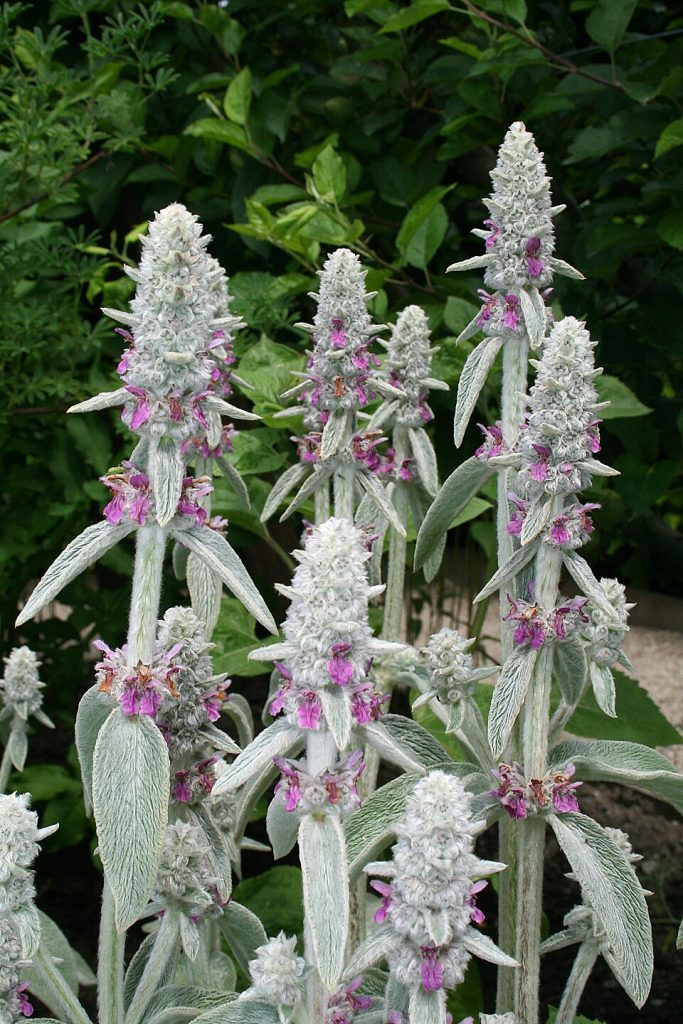
Photo: Wikimedia Commons
Introduction
When it comes to how to grow lamb's ear, getting the details right makes all the difference.

Many homeowners find that how to grow lamb's ear is easier than they expected once they know the basics.
Ask a child to name a favorite garden plant and lamb's ear often wins. The leaves are thick and soft, covered in silvery fuzz that feels like flannel. Grown mostly for that foliage, it spreads into a low silver carpet that lights up the edge of a border. This guide covers how to grow lamb's ear from seed to harvest, with timing based on your frost dates and USDA zones 4 to 8, so you can plan with confidence.
The short version: Lamb's Ear suits full sun and well-drained average soil. Give each plant around 18 inches of room, and plan on about 120 to 150 days before harvest. It is a perennial, so plant it where it can do its thing undisturbed. Once settled in, it handles dry spells without complaint.
Below you will find everything the home gardener needs: which types to buy, when and how to plant, what soil and water it likes, how to tend it through the season, when to harvest, and what to do when trouble shows up. It is worth the small effort for soft silver foliage that looks good from spring to frost and asks for almost no care.
If you are new to this plant, relax. Gardeners have grown it with simple tools and plain methods for generations. Follow the timing, give it the soil and water described below, and you will harvest a crop you can be proud of.
Choosing a Variety
Many homeowners find that how to grow lamb's ear is easier than they expected once they know the basics.
The key to how to grow lamb's ear is choosing the right approach for your space and budget.
The common type, Stachys byzantina, is what most nurseries sell, and it is all most gardeners need. 'Silver Carpet' is a non-flowering form grown purely for foliage, which suits gardeners who dislike the tall flower spikes. 'Helene von Stein', also sold as 'Big Ears', makes extra-large leaves for a bolder look.
It grows fine from seed sown indoors or sown where it is to grow. Starting indoors buys you a few extra weeks in short seasons.
Two things matter most on the label: days to maturity and disease resistance. Pick a type that finishes comfortably inside your growing season, and favor resistant strains if you have battled plant diseases before. Beyond that, choose for flavor and size, not for fancy names. For variety details and photos, browse Missouri Botanical Garden resources.
When and How to Plant
The key to how to grow lamb's ear is choosing the right approach for your space and budget.
With a little planning, how to grow lamb's ear can fit even a busy schedule.
Start seeds indoors eight weeks after your last spring frost; set the young plants out right around your last spring frost; or sow directly outdoors right around your last spring frost. To pin down the exact week for your town, check your USDA zone planting dates at our planting calendar on our planting calendar.
Plant divisions or nursery transplants in full sun and dry, even poor soil, spacing 12 to 18 inches apart. Lamb's ear rots in wet, heavy soil, so drainage matters more than fertility. It spreads into a soft silver carpet.
Starting Seeds Indoors
Use small pots or cell trays filled with damp seed-starting mix. Sow, cover lightly, and keep the mix moist but not soggy. A warm spot speeds germination; a sunny windowsill or a simple shop light works fine. Harden seedlings off for a week before they move outside.
Direct Sowing
Rake the bed smooth, sow at the right depth, and water gently so seed does not wash away. Keep the top inch of soil moist until germination. A light row cover holds moisture in and keeps birds and flea beetles off the young seedlings.
1. Time it by frost. Work out your last spring frost date first, then count back or forward the weeks given above. A week of patience beats a month of nursing chilled seedlings.
2. Prepare the bed. Clear weeds, loosen the soil, and work in compost. Rake it level so water does not pool.
3. Sow or plant. Place seed an eighth of an inch deep, spacing plants about 18 inches apart. Firm the soil gently so seed meets soil.
4. Water in well. Soak the bed after planting, then keep it evenly moist until seedlings are up and growing.
5. Thin or space. If seedlings crowd, thin to the final spacing. Crowded plants compete and stay small.
6. Label and mulch. Mark the row so you do not hoe it by accident, and mulch once plants are a few inches tall.
Get the timing and spacing right and the plants largely take care of themselves from here. Most failures trace back to sowing too early or too deep, so honor the frost dates and the depth. Compare notes with the Old Farmer's Almanac if you want a second opinion.
Soil and Sun
With a little planning, how to grow lamb's ear can fit even a busy schedule.
Before you start, it helps to understand how how to grow lamb's ear works in real homes.
Light is the first decision. Full sun is the requirement, so choose an open bed and avoid the shadow of fences, walls, and trees. Plants starved of light grow leggy, flower poorly, and invite disease.
Soil prep pays off all season. The target is well-drained average soil, so loosen the bed well and mix in rotted compost or leaf mold. A soil test through Clemson Cooperative Extension tells you exactly where your pH and nutrients stand, which beats guessing.
Once plants are up, a layer of organic mulch keeps roots cool and cuts watering chores. Replenish it as it breaks down; the rotted remains feed the soil for next season. For the botanical details on this species, the USDA PLANTS database lists its native range and needs, and the National Agricultural Library carries plain-language soil guidance.
Watering and Feeding
Before you start, it helps to understand how how to grow lamb's ear works in real homes.
A good plan for how to grow lamb's ear saves time, money, and frustration.
Plan on low. Water deeply so moisture reaches the root zone, then let the top inch dry before watering again. Shallow daily sprinkles train roots to stay near the surface, where heat and drought hit hardest.
Feed lightly. A side-dressing of compost mid-season is enough for most soils; heavy feeding pushes soft, leafy growth at the expense of flowers and flavor. If leaves turn pale yellow-green all over, a balanced organic fertilizer perks plants back up. Watering and feeding checklists from your state extension service are worth bookmarking.
Care Through the Season
A good plan for how to grow lamb's ear saves time, money, and frustration.
For most people, how to grow lamb's ear comes down to a few smart choices.
Water at the base and avoid overhead watering, which invites crown rot. Feed sparingly or not at all, since rich soil and excess water make the leaves soft and rot-prone. Remove spent flower stalks if you prefer a foliage-only look. Divide crowded patches as needed. Watch for slugs in damp spots.
> Grower's tip: Remove flower spikes to keep the silver foliage mat tidy. Divide crowded clumps in spring.
Watch the bed more than the calendar. Plants tell you what they need: wilting at midday means water, pale leaves mean food, and crowded stems mean it is time to thin or divide. A five-minute look each evening catches small problems before they grow.
Gardeners who grow lamb's ear often grow Catmint, Russian Sage, Sedum in the same bed or nearby - they share similar needs and the harvests complement each other.
Keep notes. Jot down sowing dates, what worked, and what failed. Next season that notebook is worth more than any gardening book. For pest ID photos and seasonal task lists, see Gardenia.net.
Harvest
For most people, how to grow lamb's ear comes down to a few smart choices.
If you are new to how to grow lamb's ear, start with the simplest option and build from there.
There is no real harvest; the reward is the velvety silver foliage all season. Cut a few leaves for dried crafts. Pro tip: plant it along path edges where children and visitors can touch it, since those irresistible fuzzy leaves invite handling.
Keep tools clean and sharp. A clean cut heals faster than a tear, whether you are snipping stems or digging roots. Rinse harvests, dry them, and store as directed below.
Store the harvest properly and it pays you for weeks. Cool, dark, and airy suits most crops; the exact setup depends on what you grew. Storage and curing charts at the HGIC gardening fact sheets are worth printing out.
Common Mistakes to Avoid
If you are new to how to grow lamb's ear, start with the simplest option and build from there.
When it comes to how to grow lamb's ear, getting the details right makes all the difference.
Most disappointing results with this plant come from the same handful of errors. Run through this list before you sow and you will dodge nearly all of them.
- Planting at the wrong time. Frost dates are not suggestions. Seed sown into cold soil rots or sits, and seedlings set out too early stall for weeks. Count your weeks from the last spring frost and trust the math.
- Sowing too deep. Small seed buried too far never emerges. Sow an eighth of an inch deep - barely covering tiny seed is usually right - and press it into firm contact with moist soil.
- Crowding the plants. It is tempting to squeeze in extra, but 18-inch spacing exists for a reason. Crowded plants compete for light and water, stay small, and catch disease faster.
- Watering wrong. Both extremes hurt: soggy soil rots roots and invites disease, while drought stress at the wrong moment ruins the harvest. low is the target - learn what that feels like in your soil.
- Skipping the mulch. Bare soil dries fast, heats up, and sprouts weeds. A few inches of mulch after planting prevents all three problems at once.
Troubleshooting
When it comes to how to grow lamb's ear, getting the details right makes all the difference.
Many homeowners find that how to grow lamb's ear is easier than they expected once they know the basics.
First, an honest limit: Rots in wet humid conditions; needs air circulation and drainage. Knowing where a plant will not thrive saves more disappointment than any trick.
Common Pests
Aphids, slugs, and flea beetles are the usual suspects on this plant. Blast aphids off with a strong jet of water, trap slugs with boards laid flat on the soil, and cover young seedlings with row fabric where flea beetles chew. Healthy, unstressed plants outgrow light damage on their own.
Common Problems
Rots start where water sits - improve drainage and keep mulch off crowns and stems. Leaf spots are mostly cosmetic; pick off bad leaves and give plants room to breathe. If a plant fails two seasons running, believe it: the site or climate is wrong, and your energy is better spent on something suited to your garden.
When in doubt, take a sample to Clemson Cooperative Extension or browse the diagnostic photos at the Lady Bird Johnson Center - a correct ID beats a guess every time.
References
Many homeowners find that how to grow lamb's ear is easier than they expected once they know the basics.
The key to how to grow lamb's ear is choosing the right approach for your space and budget.
Missouri Botanical Garden. (n.d.). Plant finder. https://www.missouribotanicalgarden.org/
Old Farmer's Almanac. (n.d.). Planting calendar. https://www.almanac.com/planting-calendar
Clemson University Cooperative Extension. (n.d.). Home and garden information. https://clemson.edu/extension/
Old Farmer's Almanac. (n.d.). Gardening advice and planting guides. https://www.almanac.com/
U.S. Department of Agriculture. (n.d.). PLANTS database. https://plants.usda.gov/home
Was this guide helpful?

About My Garden US
The My Garden US editorial team writes practical, in-depth home and garden guides for American homeowners — tested advice, no fluff.
You May Also Like

How to Grow Broccoli: Cool-Season USA Guide
October 9, 2026 30 views
Finding Heirloom Vegetable Seeds Deals Near Me: A Simple Guide
January 22, 2026 20 views
How to Grow Fenugreek: Easy Annual Herb
November 24, 2026 1 views