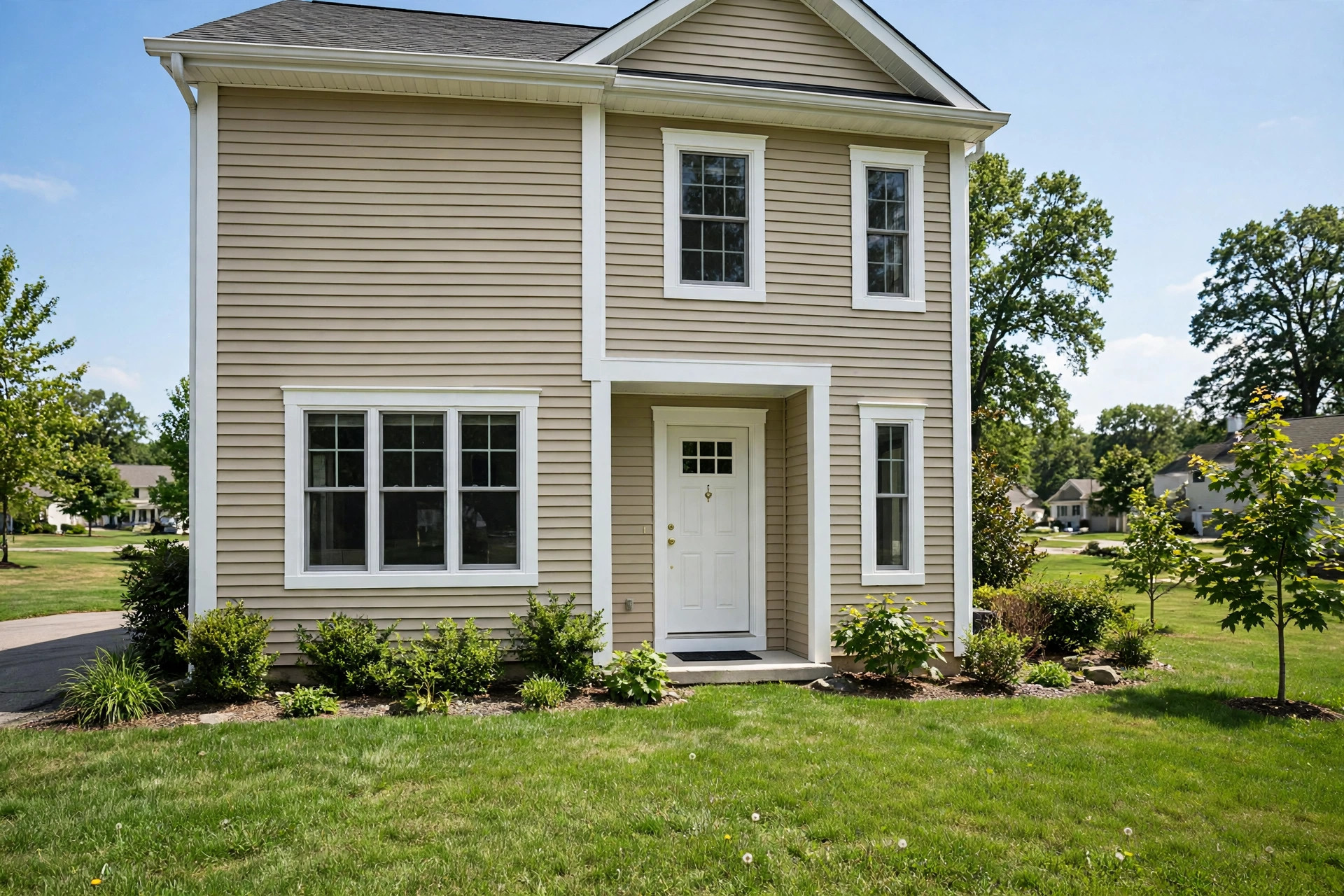

Exterior trim is the finishing edge of a home. It frames windows and doors. It lines roof edges and corners. It hides the joints where siding meets the rest of the house. When trim rots or peels, the whole house looks tired. Worse, water can slip behind it and damage the walls. If you are searching for the best exterior trim replacement near me, this guide will help you choose a contractor, pick the right material, and know what to pay.
Why Good Trim Matters
Trim does more than look nice. It protects the parts of a house that weather strikes first. Rain runs down walls and gathers at edges. Wind drives it into small cracks. Sun heats and cools boards until paint splits. Trim takes this abuse so the walls behind it do not.
Old or rotten trim lets water into the frame of a house. Once water gets in, wood studs can rot. Sheathing can soften. Mold can grow inside walls where you cannot see it. Repair of hidden rot costs far more than new trim. That is why trim replacement is not a small job. It is protection for the whole house.
Trim also shapes the look of a home. Clean, straight boards make a house look cared for. Peeling, warped boards make even a new paint job look old. Real estate agents often say that buyers judge a home in the first few seconds. Trim is part of that first look. Fresh trim can lift the value of a home without a full paint or siding job.
How to Choose a Trim Replacement Service Near You: Best Exterior Trim Replacement near Me
Finding the best exterior trim replacement near me starts with a short list of local contractors. Ask friends and neighbors who they used. Look for companies that focus on exterior work, not general handymen who do a little of everything. A crew that replaces trim every week knows the details. They know how to flash behind boards. They know how to seal joints so water stays out.
Get at least three written bids. Each bid should list the material, the number of feet of trim, the paint or finish plan, and the price. A good bid also states how long the work will take. Be wary of a bid that is far below the others. It may mean thin boards, poor caulk, or rushed work.
Check each contractor before you sign. Ask for proof of license and insurance. In most states, a contractor should carry liability insurance and workers compensation. Ask for two or three recent jobs you can drive past. A strong contractor will give you addresses without delay.
Ask about warranties. Many firms give a one or two year workmanship warranty. Material warranties come from the maker. For example, a contractor may offer fiber cement products from a maker like James Hardie, which publishes long product warranties on its site. Write the warranty terms into the contract.
Finally, talk through the plan. The crew should remove old trim, check the wood behind it, and replace any rot before new boards go on. They should prime all cut ends. They should caulk joints with a quality exterior caulk. If a contractor plans to nail new boards over old rot, find another contractor. Sites like This Old House and Family Handyman show the right order of steps and can help you ask smart questions.
Types of Exterior Trim
Trim comes in several materials. Each has strengths and costs. The best pick depends on your climate, your budget, and how much upkeep you want.
Wood Trim
Wood is the old standard. Cedar and redwood resist rot better than pine. Wood takes paint well and looks natural. It is also the most prone to rot and insects. In wet climates, wood trim may need paint every five to seven years. Boards should be primed on all six sides before they go up. This seals the wood against moisture from every direction.
PVC Trim
PVC trim is made of plastic cells. It will not rot. It will not draw insects. It holds paint well and can be cut and shaped like wood. It costs more than pine but less than cedar in many markets. PVC expands and contracts with heat, so it must be fastened the right way. Gaps at joints need flexible caulk. Many homeowners who want low upkeep choose PVC for window and corner boards.
Fiber Cement Trim
Fiber cement is a mix of cement, sand, and cellulose fiber. It is hard and heavy. It resists rot, fire, and insects. It holds paint for many years. It costs more than wood and PVC but lasts longer. It must be cut with special blades and dust must be controlled. Many siding makers, such as CertainTeed, offer trim lines that match their siding, which gives a clean look.
Aluminum and Steel
Metal trim, often called aluminum coil stock, wraps old wood boards. It is bent on site to fit. It is common on older homes as a quick cover. It hides peeling paint but can trap moisture if the wood under it is wet. Full replacement with new boards is usually better than wrapping rot. Metal is best for small areas like fascia and drip edges.
Cost and Price
The cost of trim replacement varies by material, house size, and region. Most contractors charge by the linear foot. As a rough guide, basic pine trim installed and painted may run a few dollars per foot. PVC trim may run several dollars more per foot. Fiber cement sits near the top of the range for material cost, but its long life can make it the better value.
A full trim job on a two story home often runs into the low thousands of dollars. Small jobs, such as trim around two windows, may cost a few hundred dollars. Rot repair adds to the bill. If the crew finds soft wood behind the trim, they must cut it out and replace it. This is normal on older homes. A good contractor will show you the rot and agree on a price before fixing it.
Paint is a large part of the cost. Two coats of quality exterior paint protect trim far longer than one cheap coat. Some contractors include paint in the bid. Others price it apart. Ask which is true. If you plan to paint the whole house soon, you may save money by doing trim and siding together. Guides at The Spruce and Bob Vila give useful ranges for exterior project costs.
To keep costs down, fix small problems early. A soft spot in one board is cheap to replace. A wall of rot is not. Walk around your house once a year. Press a screwdriver gently into the bottom of trim boards. If the wood feels soft, call a contractor before the next rainy season. You may also want to read our guide to weather resistant soffit and fascia repair for homeowners, since soffit and fascia often fail at the same time as trim.
Care and Upkeep
New trim needs little care, but it needs some. Wash it once a year with a garden hose and a soft brush. This clears dirt and mildew. Check caulk joints each spring. Caulk shrinks and cracks over time. A tube of exterior caulk and an hour of work can stop water from getting behind boards.
Keep bushes and mulch away from trim near the ground. Plants hold moisture against wood. Six inches of clear space is a good rule. Make sure gutters work. Water that pours off a broken gutter soaks trim and siding. Clean gutters twice a year or after heavy storms.
Watch paint. When paint starts to peel or crack, plan to repaint. Peeling paint is not just ugly. It means water can reach the board. Wood trim may need a new coat every five to eight years. PVC and fiber cement hold paint longer, often ten years or more.
Safety
Trim work looks simple, but it has real risks. Most of the work happens on ladders. Falls from ladders send many homeowners to the emergency room each year. Use a ladder that reaches the work without stretching. Set it on firm, level ground. Keep three points of contact at all times. Do not lean out to the side.
Older homes may have lead paint on old trim. If your house was built before 1978, test the paint before you scrape or sand it. Lead dust is a health risk, most of all to children and pregnant women. A certified lead test kit or a lab test will tell you the truth. If lead is present, hire a lead-safe certified firm for the work.
Power tools need care too. Saws that cut fiber cement make fine dust that harms lungs. A good mask and dust control are a must. If you do any of the work yourself, read tool guides first. Stores like The Home Depot and Lowe’s carry safety gear and have project guides that stress safe methods.
Frequently Asked Questions
How do I know my trim needs replacement and not just paint?
Press the boards with a screwdriver. If the wood is firm and the paint is the only problem, new paint will do. If the wood is soft, crumbles, or has holes from insects, the board must come off. Water stains on the wall under the trim are another warning sign. A contractor can confirm with a quick look.
Can I replace exterior trim myself?
A handy homeowner can replace a few small boards. You need a saw, a nail gun or hammer, caulk, and primer. For large jobs or work above one story, hire a pro. Crews work faster and safer on ladders and scaffolds. They also spot hidden rot that a first timer might miss.
How long does trim replacement take?
A small job takes a day. A full house may take three to five days, plus time for paint to dry. Rain can slow the work. Ask your contractor for a schedule in writing and what happens if weather delays the job.
Should trim match my siding color?
Trim is often painted white or a light color to frame the house. This is a classic look. Some homes use trim in the same color as the siding for a modern feel. If you replace doors at the same time, see our page on professional grade exterior door replacement for homeowners for ideas on a matched look.
What is the best trim material for rainy climates?
PVC and fiber cement do best in wet weather. Neither rots. Both hold paint well. Wood can work if it is cedar and kept painted, but it needs more care. Talk to local contractors about what lasts in your area. They see the results year after year.
Does new trim help with home value?
Yes. Fresh trim improves curb appeal, which helps a sale. It also shows buyers that the home is maintained. If your stucco walls also need work, our stucco exterior repair cost guide usa can help you plan the full project.
A Final Word
The best exterior trim replacement near me is not just the closest crew or the lowest bid. It is a licensed local firm with strong reviews, clear written bids, and a plan that starts with fixing what is behind the boards. Pick a material that fits your climate and budget. Keep up with small care each year. Your home will look sharp and stay dry for years to come.
References
Bob Vila. (n.d.). Home improvement advice. https://www.bobvila.com CertainTeed. (n.d.). Building materials and exterior products. https://www.certainteed.com Family Handyman. (n.d.). DIY home repair and maintenance. https://www.familyhandyman.com James Hardie. (n.d.). Fiber cement siding and exterior products. https://www.jameshardie.com Lowe’s. (n.d.). Home improvement products. https://www.lowes.com The Home Depot. (n.d.). Home improvement products. https://www.homedepot.com The Spruce. (n.d.). Home and garden advice. https://www.thespruce.com This Old House. (n.d.). Home renovation guidance. https://www.thisoldhouse.com
Was this guide helpful?

About Jennifer Lee
The My Garden US editorial team writes practical, in-depth home and garden guides for American homeowners — tested advice, no fluff.
You May Also Like
Affordable Motion Sensor Flood Lights for Sale: A Practical Buyer Guide
January 20, 2026 0 views
Brick Veneer Siding Reviews and Buying Guide
February 1, 2026 0 views
Premium House Number Plaques With Free Shipping: A Complete Guide
July 19, 2026 0 views