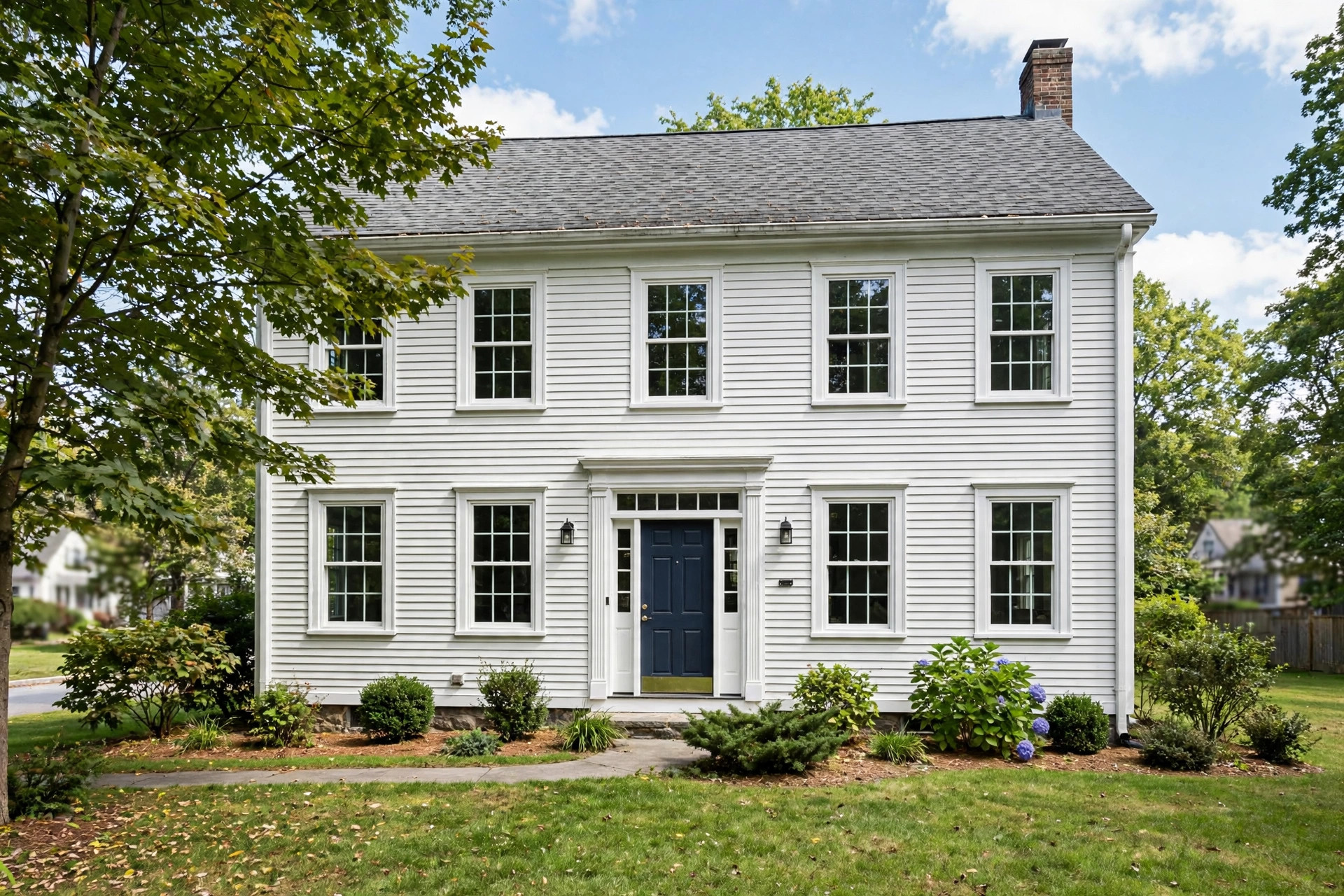

Winters in New England are long and cold. The air is damp. The wind finds every gap in an old house. If your windows are drafty, your heating bill will show it. The best vinyl replacement windows for New England homes solve this problem. They seal tight. They hold heat in. They need little care. This guide explains what to buy, what to pay, and how to choose for your house.
Why New Windows Matter in New England
New England homes face hard weather. Snow piles up. Ice forms on the frames. Nor’easters push rain sideways. Coastal homes face salt air. Inland homes face deep cold. Old single-pane windows cannot keep up. They leak heat. They fog over. They rattle in the wind.
Vinyl windows are a strong answer. Vinyl does not rot like wood. It does not rust like old metal. It does not peel. It stands up to rain, snow, and salt air with little work. For many New England homeowners, vinyl is the most practical choice. A full vinyl replacement windows buying guide can help you compare brands before you commit.
New windows also lift the value of your home. Buyers notice new frames and glass. Appraisers count them too. You may not get back every dollar you spend. But you will get most of it, plus the comfort and savings while you live there.
What to Look for When You Choose: Best Vinyl Replacement Windows for New England Homes
Not all vinyl windows are equal. Some are built for warm states. You need ones built for cold. Here is what matters most.
Energy Ratings
Look for the U-factor. It measures heat loss. A lower number is better. In New England, aim for 0.30 or lower. Look for the ENERGY STAR label for the Northern climate zone. That label means the window meets a strict standard for cold weather.
Also check the Solar Heat Gain Coefficient. This tells you how much sun heat comes through. A middle value works well in New England. You want some winter sun but not too much summer heat.
Glass
Double-pane glass is the minimum. Triple-pane glass is better for cold spots like Maine, Vermont, and New Hampshire. Between the panes, look for argon gas. It slows heat loss. A low-E coating is also key. It reflects heat back into the room in winter and out in summer.
Frame Quality
Quality vinyl frames have many chambers inside. More chambers mean better insulation. They also keep the frame stiff. Cheap frames have few chambers. They can sag or warp over time. Ask how many chambers the frame has. Five or more is a good sign.
Air Leakage
This rating tells you how much air leaks through the window. A lower number is better. Look for 0.30 or less. Good seals make a big difference on windy nights along the coast.
Warranty
A strong warranty shows the maker stands behind the product. Look for lifetime coverage on the frame and at least 20 years on the glass seal. Some brands also cover glass breakage. Read the fine print before you buy.
Types of Vinyl Replacement Windows
Vinyl windows come in several styles. Each fits a different room and need.
Double-Hung
Double-hung windows have two sashes that move up and down. They are the most common style in New England. They fit old colonial and cape houses well. You can clean the top sash from inside. This is handy on the second floor.
Single-Hung
Single-hung windows look like double-hung, but only the bottom sash moves. They cost less. They are fine for most rooms. But you cannot open the top sash for air.
Casement
Casement windows open like a door with a crank. They seal very tight when closed. That makes them a great pick for windy spots. They also give a clear view with no center rail. Many buyers on the coast choose them.
Slider
Slider windows move side to side on a track. They work well in rooms where you have little room to swing a sash. Kitchens and basements are common spots.
Picture and Bay
Picture windows do not open. They are for the view. Bay and bow windows push out from the wall. They add space and light. Pair a fixed center window with two opening sashes for air.
Basement Hopper
Hopper windows hinge at the bottom and tilt in at the top. They are small. They fit basement walls. They give air while keeping out rain.
For tips on finding help with the work itself, see our piece on replacement window installation.
Cost and Price in New England
Cost is a big part of the choice. In New England, a good vinyl replacement window runs from about 450 to 1,200 dollars per window, installed. Simple single-hung units sit at the low end. Large triple-pane casement units sit at the high end.
Labor costs in New England run higher than the national average. Expect to pay 150 to 300 dollars per window for installation. Old homes may need more work. Crews may find rotted wood around the frame. They may need to fix the opening. That adds to the bill.
Most whole-house jobs land between 8,000 and 20,000 dollars. The size of the house drives the total. So does the number of openings. A small cape with ten windows costs far less than a large colonial with thirty.
You can trim cost by planning well. Do all windows at once. Crews give a better rate for a full house than for one window at a time. Stick to stock sizes when you can. Custom sizes cost more. And do not skip the energy rating to save a few dollars. The savings on heat will pay you back.
Financing is worth a look for a whole-house job. Many dealers offer payment plans with low or no interest for a year or more. Home equity lines are another route. Compare the total cost with interest before you sign. A small loan at a fair rate can be smart if your old windows are driving up your heating bill by hundreds each winter.
Some states offer rebates for efficient windows. Check the U.S. Department of Energy site for current programs. Local utilities in Massachusetts, Connecticut, and Vermont also run rebate plans from time to time. Save all receipts and the product labels. You will need them when you claim the rebate.
Installation Tips
Good windows still fail if they are put in wrong. Installation matters as much as the product. Use a crew with New England experience. They know how to flash a window against ice and wind.
Ask if they will remove the old window fully or do an insert install. A full-frame replacement removes the whole old unit down to the studs. It costs more. It is the best choice for rotted frames. An insert install slides the new window into the old frame. It costs less. It works only if the old frame is sound.
Make sure the crew insulates around the window. Low-expansion foam is the standard. Then they should seal with flashing tape outside. This keeps water out. Good installers from Lowe’s or a local dealer follow these steps as a rule.
Care and Upkeep
One reason vinyl is so loved is how little care it needs. Still, a small routine keeps windows working well for decades.
Wash the frames once or twice a year. Use mild soap and water. A soft cloth is enough. Skip harsh chemicals. They can dull the vinyl. Wash the glass with a standard glass cleaner or a mix of water and vinegar.
Oil the moving parts once a year. A drop of silicone spray on hinges and locks keeps them smooth. Do not use oil-based sprays. They attract dirt.
Check the weatherstripping each fall. Look for cracks or flat spots. Most stripping snaps out and snaps in. Replacements cost little. They restore the seal.
Keep the weep holes clear. Vinyl windows have small drains at the bottom of the frame. They let water out. Dirt and paint can block them. Clear them with a small wire each spring.
Check the caulk around the outside once a year. If it cracks, cut it out and lay fresh bead. Good caulk stops drafts and leaks. The guides at Family Handyman and This Old House show the right way to do it.
Safety
Windows are also part of home safety. Every bedroom needs a window a person can climb through in a fire. Building codes set a minimum size for that opening. When you order, confirm your new windows meet the egress rule for each bedroom.
Keep cords short. Old blinds with long cords are a danger to small children. If you buy new shades with your windows, pick cordless styles. The Bob Vila site has a good overview of child-safe window coverings.
Second-floor windows need working locks. Check them twice a year. If you have casement windows, make sure the crank handle is in reach but not a hazard for toddlers.
For coastal homes, ask about impact glass. It resists high winds and flying debris. It costs more. It may lower insurance rates. It is worth asking your agent about.
Frequently Asked Questions
How long do vinyl replacement windows last?
A good vinyl window lasts 20 to 30 years in New England. Quality frames and glass last the longest. Harsh sun and salt air wear them faster. Warranties often run for the life of the home for the original buyer.
Are vinyl windows good for very cold winters?
Yes. Quality vinyl windows with triple-pane glass and argon fill are made for cold climates. They hold heat in and cut drafts. Look for a U-factor of 0.30 or lower and the ENERGY STAR Northern zone label.
Should I choose double-pane or triple-pane glass?
Double-pane is enough for most homes in southern New England. Triple-pane suits northern Vermont, New Hampshire, and Maine. It also suits homes on windy coasts. Triple-pane costs more but cuts noise and heat loss further.
What brands make the best vinyl windows?
Several brands earn strong reviews for cold climates. Pella, Marvin, and JELD-WEN all make vinyl lines rated for the Northeast. Compare ratings and warranties rather than ads. The reviews at The Spruce can help you weigh the options.
Can I install vinyl replacement windows myself?
A skilled do-it-yourselfer can handle an insert install in a sound frame. A full-frame replacement is best left to pros. Poor flashing lets water in. Water damage costs far more than a crew. For most New England homes, hire a licensed installer.
Do vinyl windows fade or yellow?
Cheap vinyl can yellow with age and strong sun. Quality vinyl has UV stabilizers mixed in. These slow fading. Lighter colors hold up best. Ask the maker about fade coverage in the warranty.
Final Word
The best vinyl replacement windows for New England homes are not the cheapest on the shelf. They are the ones built for cold, wet, windy weather. Pick a low U-factor. Pick good glass. Pick a strong frame. Then have them put in right.
Do your homework. Compare three quotes. Read the warranty. Ask about rebates. A good set of windows will serve your home for decades. They will keep the heat in on the coldest night in January. And on a stormy night by the coast, you will not hear the wind whistle through.
For the rest of your home’s exterior, a tight storm door adds another layer of protection. See our guide on storm door installation to finish the job.
References
Bob Vila. (n.d.). Home improvement advice. https://www.bobvila.com ENERGY STAR. (n.d.). Energy efficient products. https://www.energystar.gov Family Handyman. (n.d.). DIY home repair and maintenance. https://www.familyhandyman.com JELD-WEN. (n.d.). Windows and doors. https://www.jeld-wen.com Lowe’s. (n.d.). Home improvement products. https://www.lowes.com Marvin. (n.d.). Windows and doors. https://www.marvin.com Pella. (n.d.). Windows and doors. https://www.pella.com The Spruce. (n.d.). Home and garden advice. https://www.thespruce.com This Old House. (n.d.). Home renovation guidance. https://www.thisoldhouse.com U.S. Department of Energy. (n.d.). Energy efficiency and renewable energy. https://www.energy.gov
Was this guide helpful?

About James Carter
The My Garden US editorial team writes practical, in-depth home and garden guides for American homeowners — tested advice, no fluff.
You May Also Like
Professional Grade Exterior Stair Railings for Sale: A Complete Buying Guide
March 11, 2026 0 views
Foundation Crack Repair Cost Guide USA: What Homeowners Should Know
January 29, 2026 0 views
The Best Seamless Gutter Guards for Southern States
February 10, 2026 0 views