This siding color visualizer tools price comparison USA guide walks you through what these digital tools cost and what you get for the money. Choosing a new siding color is a big decision. The color stays on your house for decades. A visualizer lets you upload a photo of your own home and try out different siding colors on the screen before you commit.
Why Seeing Your Siding Color Before You Buy Matters
A siding job is one of the most visible projects a homeowner can take on. New siding can cost thousands of dollars. Once the boards go up, the color is there for twenty years or more. Picking a shade from a small paint chip in a store is risky. Store lighting is not the same as sunlight on your street. A color that looks warm in the aisle can look cold on your walls at noon.
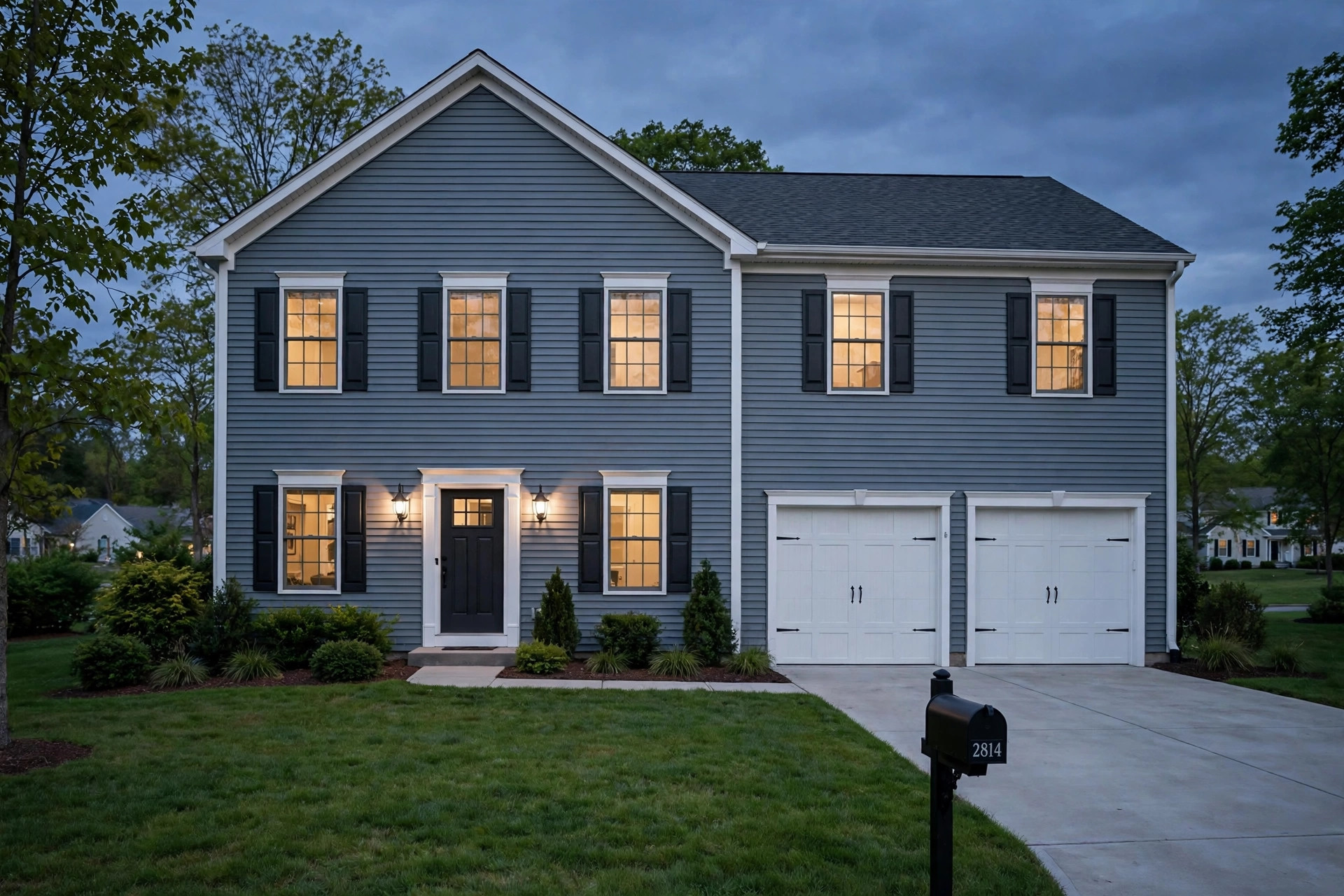
A siding color visualizer removes the guesswork. You upload a photo of your house. The tool applies siding colors to the walls in the photo. You can swap shades in seconds. You can try a soft gray, then a deep blue, then a warm beige. You can compare siding with your roof, your trim, and your shutters. Many homeowners catch bad color choices this way. They see that a dark color makes their small house look smaller. They see that a light color washes out next to their pale driveway. These lessons cost nothing to learn on a screen.
This step matters even more in the United States, where weather and sunlight vary by region. In Florida, bright sun can make colors look bleached at midday. In the Pacific Northwest, gray skies can make cool colors look darker. A visualizer cannot replace a real sample board on your wall, but it gets you close before you order materials or sign a contract.
What to Look for in a Siding Color Visualizer: Siding Color Visualizer Tools Price Comparison Usa
Not all visualizer tools work the same way. Some are simple color swatch viewers. Others let you paint your own home photo. Here is what to check when you compare them.
Photo Upload and Accuracy
The best tools let you upload your own photo. Look for a tool that lets you mask the siding area with care. A good masking tool follows the edges of your walls, windows, and doors. Poor tools fill the whole rectangle and paint over your trim and windows too. That makes the preview hard to trust. Some tools also offer sample house models you can use if you do not want to upload a photo. Sample homes are fine for a first look, but your own photo gives a truer result.
Color Library Size
Check how many colors the tool offers. Some visualizers only show the colors of one brand. That is fine if you already know which brand you want. Others let you browse wide color libraries across many shades. A larger library helps you compare tones side by side. Look for tools that show both siding colors and matching trim colors. Trim color matters as much as siding color for the final look.
Ease of Use
A good visualizer should work on a phone or tablet without a manual. If it takes twenty minutes to learn, most homeowners will quit. Look for drag-and-drop uploads and one-tap color swaps. Save and share features are useful too. You may want to email the preview to your spouse or your contractor. A tool that saves your work in the cloud lets you come back later without starting over.
Types of Siding Color Visualizer Tools
Siding color visualizer tools fall into three main groups. Each group has its own price range and its own strengths.
Free Manufacturer Tools
Many siding makers offer free visualizers on their websites. These tools focus on their own product lines. They show real colors the maker sells, which means the preview matches what you can actually buy. Design resources from fiber cement makers like James Hardie let you explore exterior styles and shades from the brand. Vinyl and polymer siding brands such as CertainTeed also provide color preview tools built around their own catalogs. These tools cost nothing and are a strong starting point if you have already narrowed your choice to a material. The drawback is that you only see that maker’s colors. You cannot compare one brand’s gray against another brand’s gray in the same photo.
Free Retailer and Media Tools
Big home improvement retailers and home media sites offer free visualizers too. These tools often cover a wider range of colors because they are not tied to one maker. You can browse project ideas at Home Depot and compare siding and paint options at Lowe’s while you shop for materials. Editorial sites like The Spruce publish exterior color ideas and curb appeal guides that pair well with a visualizer session. The advantage here is breadth. The drawback is that the color rendering may not match a specific brand’s real product. Use these tools for broad inspiration, then confirm your final shade with a real sample from the maker.
Paid Design Apps and Contractor Services
Some tools charge a fee. Paid apps may offer higher quality rendering, more house models, or 3D views that let you rotate the home. Some contractors include a professional color rendering in their quote. A pro rendering can cost from a small fee to several hundred dollars as part of a design package. Paid options make sense when you are stuck between two or three finalists and want the most lifelike preview possible. For many homeowners, though, the free tools are enough to narrow the field down to a few strong choices. If you want a deeper dive into visualizer features, our low maintenance siding color visualizer tools buying guide walks through the options in more detail.
Cost and Price Comparison
Here is the honest picture of what siding color visualizer tools cost in the USA.
Free manufacturer visualizers cost zero dollars. You can use them as much as you want. There is no account fee and no trial period. This is the best value for most homeowners. You get brand-accurate colors and you can save your designs.
Free retailer tools also cost zero dollars. They may ask for an email address to save your project. They sometimes show product ads, but the tools themselves are free. These are good for comparing many colors fast.
Paid standalone apps usually run between five and thirty dollars. Some are one-time purchases and some are monthly subscriptions. Read the reviews before you pay. Check whether the app works on your phone model and whether it lets you export your images.
Professional contractor renderings are the most expensive option. A standalone color rendering service can cost between one hundred and five hundred dollars. Many contractors fold this into the total project quote at no extra charge. Ask your contractor if a digital preview is included. If it is, use it. A pro rendering made from your home’s measurements can show shading and trim detail that free tools miss.
When you compare prices, think about what each tool gives you per dollar. A free tool that shows true brand colors beats a paid app with poor color accuracy. A paid rendering that settles a disagreement between family members can be worth every cent. Price alone does not decide value. Accuracy and ease of use matter more.
Keep in mind that the visualizer is a small part of the total project cost. For context on what the full job runs, see our vinyl siding installation cost guide USA. Knowing the whole budget helps you decide how much effort to put into the color choice.
Care and Upkeep of Your New Siding Color
Once you pick a color with a visualizer, you want it to look good for years. Care depends on the siding material.
Vinyl siding needs little care. Wash it once a year with a garden hose and mild soap. Avoid high pressure washers on old vinyl, since they can force water behind the panels. Dark vinyl colors can fade faster in strong sun, so ask your dealer about fade warranties.
Fiber cement siding holds color well. It comes with factory finishes that resist fading. Clean it with a soft brush and hose. Repainting is possible after many years if you want a fresh look. Touch up chips quickly so moisture does not get in.
Metal siding is tough and keeps its finish for a long time. Wash it yearly. Check for scratches after storms. Small scratches can be touched up with matching paint from the maker. If you are weighing metal against other materials, our budget friendly metal siding for homes buying guide covers costs and color choices.
Wood siding needs the most care. It must be stained or painted on schedule. In wet climates, check for rot each spring. A visualizer can help you preview a new stain color before you commit to gallons of product.
No matter the material, walk around your house twice a year and look at the siding up close. Catch small problems early. Sun, rain, and wind wear on every exterior over time. Good upkeep protects both the color and the structure.
Safety
Using a visualizer is safe, but the real project has safety rules worth noting.
Be careful with ladders when you take photos of your home for the tool. Use a stable ladder on level ground. Have someone hold it if you need to reach the second story. A phone on a selfie stick from the ground is safer for most shots.
If you climb up to wash siding later, wear non-slip shoes. Do not lean ladders against gutters. Keep the ladder base one foot out for every four feet of height.
When you order samples, some are heavy. Fiber cement samples can be sharp at the edges. Wear gloves when you handle them.
If your home was built before 1978, the old paint or siding may contain lead. Do not scrape or sand old siding without testing first. Hire a certified lead-safe contractor for any work that disturbs old paint. You can find safety guidance from housing and health agencies before you start.
Finally, never sign a contract based on a visualizer preview alone. The preview is a guide, not a guarantee. Confirm the final color with a physical sample held against your house in daylight. This one step prevents most color regrets.
Frequently Asked Questions
Are siding color visualizer tools free?
Many are free. Makers and retailers offer free tools on their websites. You can upload a photo and try colors at no cost. Paid apps exist, but most homeowners do fine with the free options. Contractor renderings may cost extra or may be included in a quote.
How accurate are online siding color previews?
They are close but not perfect. Screen colors vary by device. Sunlight changes how a color looks on a real wall. Use the visualizer to narrow your choices to three or four shades. Then get real samples and view them on your house at different times of day before you buy.
Can I use a visualizer for trim and shutter colors too?
Yes. Most good tools let you change trim, shutters, doors, and sometimes the roof. Try the trim in white, cream, and dark bronze to see how each one changes the feel of the house. Small trim changes can transform the whole look.
Do visualizers work with fiber cement, vinyl, and metal siding?
Most manufacturer tools focus on one material. General tools may let you pick a material type. For the truest preview, use the tool made by the maker of the siding you plan to buy. Brand tools show the exact colors that brand sells.
Can I share my visualizer design with my contractor?
Yes. Most tools let you save, print, or email your design. Share the image and the exact color names and codes. Color names can differ between brands, so include the code. Your contractor can then order the right product without confusion.
What if I cannot decide between two colors?
Get physical samples of both. Tape or prop them on your siding. Look at them in morning, noon, and evening light. Ask neighbors or friends for a second opinion. A paid pro rendering can also break the tie. Do not rush. The color will be there for decades.
Final Word
A siding color visualizer is one of the best free tools a homeowner can use. It turns a scary color decision into a low-risk experiment. This siding color visualizer tools price comparison USA roundup shows that you do not need to spend money to get a useful preview. Start with free maker and retailer tools. Narrow your list. Confirm with real samples in daylight. For more project planning help, browse renovation guides at This Old House, DIY advice at Family Handyman, and buying guides at Bob Vila. Your home deserves a color you will love for years.
References
Bob Vila. (n.d.). Home improvement advice. https://www.bobvila.com CertainTeed. (n.d.). Building materials and exterior products. https://www.certainteed.com Family Handyman. (n.d.). DIY home repair and maintenance. https://www.familyhandyman.com James Hardie. (n.d.). Fiber cement siding and exterior products. https://www.jameshardie.com Lowe’s. (n.d.). Home improvement products. https://www.lowes.com The Home Depot. (n.d.). Home improvement products. https://www.homedepot.com The Spruce. (n.d.). Home and garden advice. https://www.thespruce.com This Old House. (n.d.). Home renovation guidance. https://www.thisoldhouse.com
Was this guide helpful?

About Jennifer Lee
The My Garden US editorial team writes practical, in-depth home and garden guides for American homeowners — tested advice, no fluff.