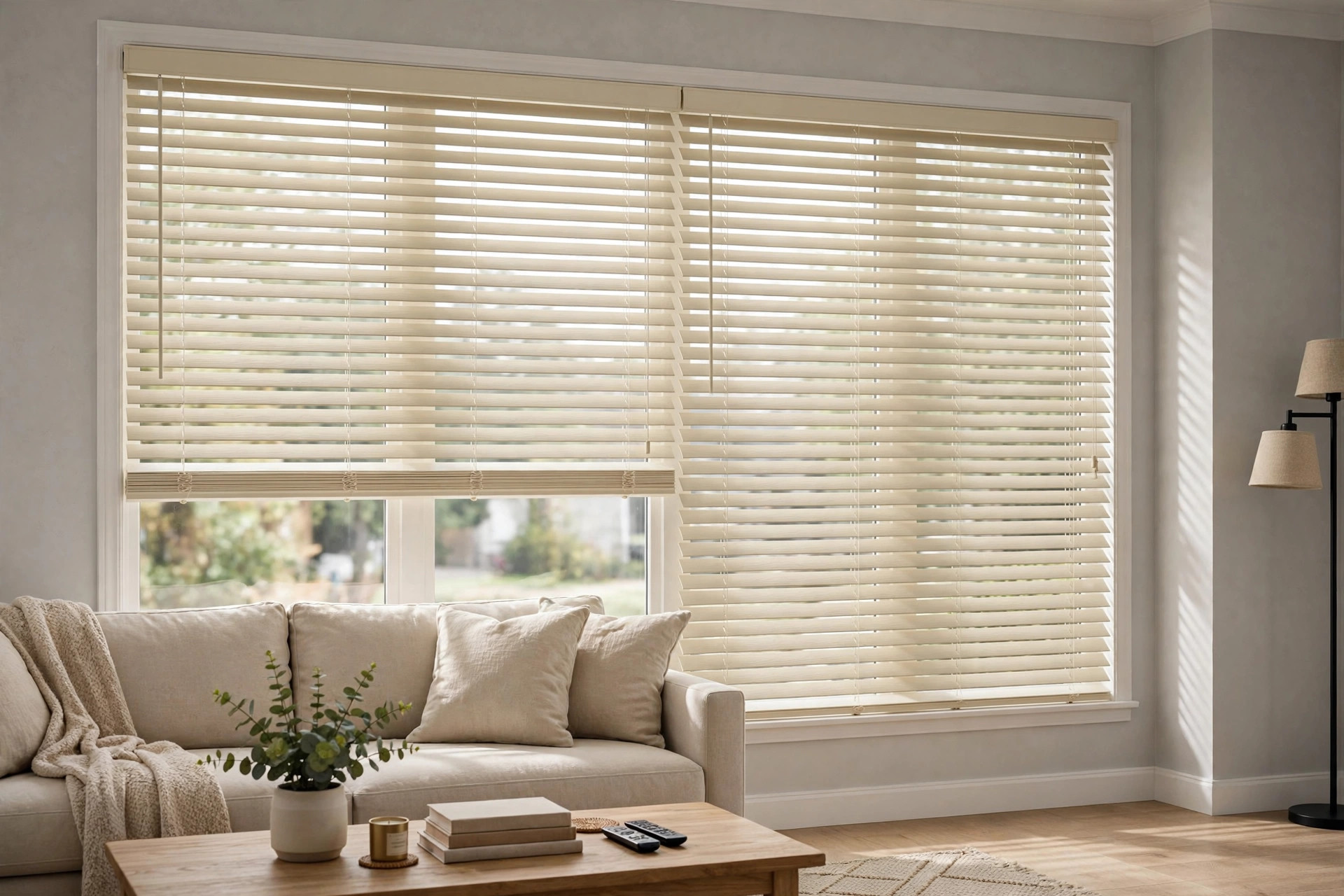

Many homeowners buy blinds and then ask a simple question. Who will put them up, and what will it cost? This blinds installation companies cost guide usa answers both. It shows the average price, the factors that move the price up or down, and how to pick a company you can trust. The facts here reflect common practice across the United States in 2026.
Professional installers do more than hang a blind. They measure each window, mount brackets level, fit inside or outside mounts, and test the cords and controls. A good job makes the blinds last longer. A poor job leaves gaps, crooked blinds, and extra holes in the wall. For that reason, many owners choose to pay for skilled work instead of doing it alone.
Why Hiring a Blinds Installation Company Matters
Blinds look simple, but the details matter. A window that is off by a quarter of an inch can ruin the fit. Wood trim, tile, and drywall each need different screws and anchors. Arched windows, sliding doors, and wide picture windows need special mounts. Professional installers carry the right tools and the right hardware for each case.
Time is another reason. A trained crew can finish six to ten windows in one visit. A first-time do-it-yourselfer may spend a full weekend on the same job. When the work is complex, the savings from hiring out can be real.
Warranty is a third reason. Many Blinds.com sellers and brands honor their product warranty only when the blinds were installed by an approved company. Ask about this before you sign anything. A company that stands behind its work should give you a written labor warranty of at least one year.
What Blinds Installation Companies Do: Blinds Installation Companies Cost Guide Usa
A full-service company handles the whole job from start to finish. The visit usually follows this order.
First comes the in-home measure. A technician visits, measures each window, and notes the frame type, depth, and obstructions such as handles or cranks. This step decides whether an inside mount or an outside mount will work best.
Next comes the quote. The company gives a written price that lists each window, the product, and the labor charge. Good quotes separate product cost from labor cost. They also list any extra charges for tall windows, motorized controls, or old hardware removal.
Then comes the install day. The crew mounts the brackets, hangs the blinds, tests each one, and cleans up. Most standard jobs take two to four hours.
How Blinds Installation Companies Set Their Prices
Most companies in the United States use one of three pricing models. Knowing the model helps you compare quotes.
The per-window model is the most common. The company charges a flat labor fee for each window, such as 40 to 75 dollars. Product cost is added on top. This model is easy to compare across companies.
The hourly model charges by the hour for the crew. Rates often run 60 to 120 dollars per hour for a one- or two-person team. This model is common for large or unusual jobs where the time is hard to predict.
The project model gives one total price for the whole home. Companies use it for ten or more windows. The total often works out to less per window than single-window pricing.
On top of labor, companies add fees for extras. Removing old blinds may add 10 to 25 dollars per window. Disposing of old hardware may cost a small trip fee. Motorized blinds need extra time for setup and testing, often 25 to 50 dollars per window more. Hard-to-reach windows, such as those above stairs or in two-story rooms, may carry a surcharge of 25 to 75 dollars each.
Regional rates vary. Large cities on the coasts tend to charge more than small towns in the Midwest. Material and fuel costs also push prices up and down from year to year. Always get a quote in writing for your own zip code.
Cost and Price: What You Can Expect to Pay
Labor-only installation is the baseline. If you already bought the blinds, most companies charge 30 to 80 dollars per window for standard installation. Small orders of one or two windows often carry a minimum trip charge of 75 to 150 dollars.
When the company supplies the blinds as well, the total per window is higher. Basic aluminum or vinyl blinds with installation often run 60 to 150 dollars per window. Faux wood blinds run 100 to 250 dollars per window installed. Real wood blinds run 150 to 350 dollars per window installed. Cellular shades and roller shades fall in the 120 to 300 dollar range per window with labor.
Motorized blinds are the top end. A single motorized shade with installation can cost 300 to 800 dollars per window. Battery models cost less than hardwired models. The installer must set up the remote or the smart-home link and test it with you present.
Custom shapes raise the price. Arches, angles, and trapezoids need custom-made blinds and longer install time. Expect 200 to 500 dollars per window for these shapes.
As a rough guide for a whole house, installing blinds on ten standard windows often costs 400 to 1,200 dollars in labor alone. With mid-range faux wood blinds supplied, the same job often totals 1,200 to 2,500 dollars. These ranges cover most markets in the United States. Your quote may sit outside them if you choose premium products or live in a high-cost area.
For more on finding trusted installers, see our guide on best blinds installation companies near me. If you are weighing cordless styles, read about top rated cordless cellular shades for American homes.
Types of Blinds and How They Affect Installation Cost
Not all blinds cost the same to install. The product you pick drives much of the price.
Venetian blinds in aluminum or vinyl are the simplest. They are light, the mounts are standard, and installers charge the base rate. Faux wood venetians cost a bit more because the slats are heavier and the headrail is larger.
Vertical blinds suit sliding doors and wide windows. They need a long track mounted level across a wide span. Installers charge 50 to 100 dollars per door unit for labor alone.
Cellular or honeycomb shades are light but need care. The fabric can crease if handled roughly. Installers take extra time to keep the folds clean. Labor often runs 50 to 90 dollars per window.
Roller shades are simple to hang but need exact level mounting. A crooked roller will not roll straight. Expect standard labor rates of 40 to 75 dollars per window.
Roman shades need careful mounting because the folds must hang even. Installers often charge the upper end of the standard range.
Wood and plantation shutters are a separate trade in many cases. True shutters need exact inside-mount fitting and often cost 150 to 300 dollars per window in labor alone. Some blinds companies handle shutters too, while others refer you to a shutter specialist.
Cordless blinds add little to labor but may cost more as a product. The CPSC has pushed the industry toward cordless designs for child safety, so most new installs are cordless by default. Motorized blinds add both product cost and setup time, as noted above.
How to Choose the Right Company
Start with three quotes. Call three local companies and ask each for a written quote on the same list of windows. A clear quote should name the product, the mount type, the labor charge per window, and any extra fees.
Check reviews and references. Read reviews on trusted sites such as Consumer Reports and retailer pages like Home Depot. Ask each company for two recent references and call them.
Check licenses and insurance. Many states require a home improvement license for installers. The company should carry general liability insurance and workers compensation. Ask for proof. This protects you if a worker is hurt in your home or if a wall is damaged.
Ask about measuring. Some companies measure for free when you buy from them. Others charge a measure fee of 25 to 75 dollars that they credit back when you order. A free measure with no obligation is a good sign.
Ask about the labor warranty. One year is standard. Some companies offer two years. Get the warranty in writing on the quote or the contract.
Watch for red flags. Be careful with companies that demand full payment up front. A deposit of 30 to 50 percent is normal; full payment before the work is done is not. Avoid companies that will not give a written quote, that pressure you to sign the same day, or that cannot show proof of insurance.
Big-box retailers also offer installation. Stores like IKEA and Wayfair sell window treatments and arrange local installers for many areas. Design sites such as HGTV and The Spruce offer planning guides that help you compare styles before you call for quotes.
Tips to Keep Your Installation Cost Down
Bundle your windows into one job. A single visit for ten windows costs far less per window than three small visits. Plan the whole house at once if you can.
Choose standard sizes where possible. Custom sizes add product cost and sometimes labor cost. If your windows accept stock sizes, you will save money on both.
Handle the small extras yourself. Removing old blinds and clearing the window sills before the crew arrives can save the removal fee. Just be careful not to damage the trim.
Ask about off-season discounts. Late fall and winter are slower months for installers in many regions. Some companies offer 10 to 15 percent off to fill their schedule.
Keep the controls simple. Manual cordless blinds cost less to buy and less to install than motorized ones.
Care and Upkeep After Installation
Blinds last longer with simple care. Dust the slats once a week with a dry cloth or a duster. For vinyl and faux wood blinds, wipe with a damp cloth when dust alone will not do. For real wood blinds, use a dry cloth only; water can warp the wood.
Check the brackets once a year. Open and close each blind and look for loose screws or tilting headrails. Tighten screws with a screwdriver before they work free. This small habit prevents most service calls.
Clean cords and controls gently. Pull cords should hang straight and move freely. If a cord frays, call the installer or the maker for a replacement part. Do not let children play with cords.
If you need a deeper clean for fabric shades or drapes, read our curtain cleaning services cost guide USA for price ranges and service tips.
Professional advice sites such as Bob Vila and This Old House publish maintenance checklists that include window treatments.
Safety
Cord safety is the top issue with blinds. Loose cords can strangle small children and pets. The CPSC advises parents to use cordless window coverings in homes with young children. When you order new blinds, choose cordless or motorized models.
Keep cribs, beds, and play areas away from windows with cords. If you have older blinds with looped cords, install cord cleats high on the wall and wrap the cords out of reach. Free retrofit kits are available from many makers.
Motorized blinds need safe battery handling. Use the charger or batteries the maker specifies. Keep button batteries away from children.
During installation day, keep children and pets out of the work area. Installers use drills, ladders, and small parts that can be hazards. A quick word with the crew lead at the start sets clear boundaries.
Frequently Asked Questions
How much does blinds installation cost per window in the USA? Labor-only installation for a standard window usually costs 30 to 80 dollars per window. With the blinds supplied by the company, expect 60 to 350 dollars per window depending on the product. Motorized and custom shapes cost more.
Do blinds installation companies charge a minimum fee? Most do. A trip charge of 75 to 150 dollars is common for small jobs of one or two windows. The fee is often waived or folded into the total when you order a full house of windows.
Is it cheaper to install blinds myself? Yes, you save the labor charge. But you take on the measuring risk. Wrong measurements are the top cause of wasted money on blinds. If your windows are standard and square, DIY is fair. If they are old, out of square, or oddly shaped, professional measuring pays for itself.
How long does professional blinds installation take? A crew can usually finish six to ten standard windows in two to four hours. Large homes, tall windows, or motorized systems can take a full day. The company should give you a time window when you book.
What should be in the written quote? The quote should list each window, the product name, the mount type, the labor charge per window, extra fees, the total, the payment terms, and the labor warranty. If any of these are missing, ask for them before you sign.
A Final Word
Good blinds change a room. They control light, add privacy, and give windows a finished look. The install cost is a small part of the total, but it decides how well the blinds work for years. Use this blinds installation companies cost guide usa to set a fair budget, gather three written quotes, and pick a company with solid reviews, proper insurance, and a clear warranty. A few hours of care at the start will save you trouble and money for a long time.
References
Blinds.com. (n.d.). Window blinds, shades, and shutters. https://www.blinds.com Bob Vila. (n.d.). Home improvement advice. https://www.bobvila.com Consumer Reports. (n.d.). Product reviews and ratings. https://www.consumerreports.org HGTV. (n.d.). Home and garden ideas. https://www.hgtv.com IKEA. (n.d.). Home furnishings. https://www.ikea.com The Home Depot. (n.d.). Home improvement products. https://www.homedepot.com The Spruce. (n.d.). Home and garden advice. https://www.thespruce.com This Old House. (n.d.). Home renovation guidance. https://www.thisoldhouse.com U.S. Consumer Product Safety Commission. (n.d.). Product safety information. https://www.cpsc.gov Wayfair. (n.d.). Furniture and home goods. https://www.wayfair.com
Was this guide helpful?

About Lisa Anderson
The My Garden US editorial team writes practical, in-depth home and garden guides for American homeowners — tested advice, no fluff.
You May Also Like

Woven Wood Shades: Reviews and Buying Guide for American Homes
February 11, 2026 0 views
Top Rated Faux Wood Blinds for USA Homes
February 7, 2026 0 views
Window Film Privacy Tint Price Comparison USA
April 1, 2026 0 views