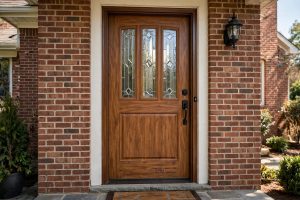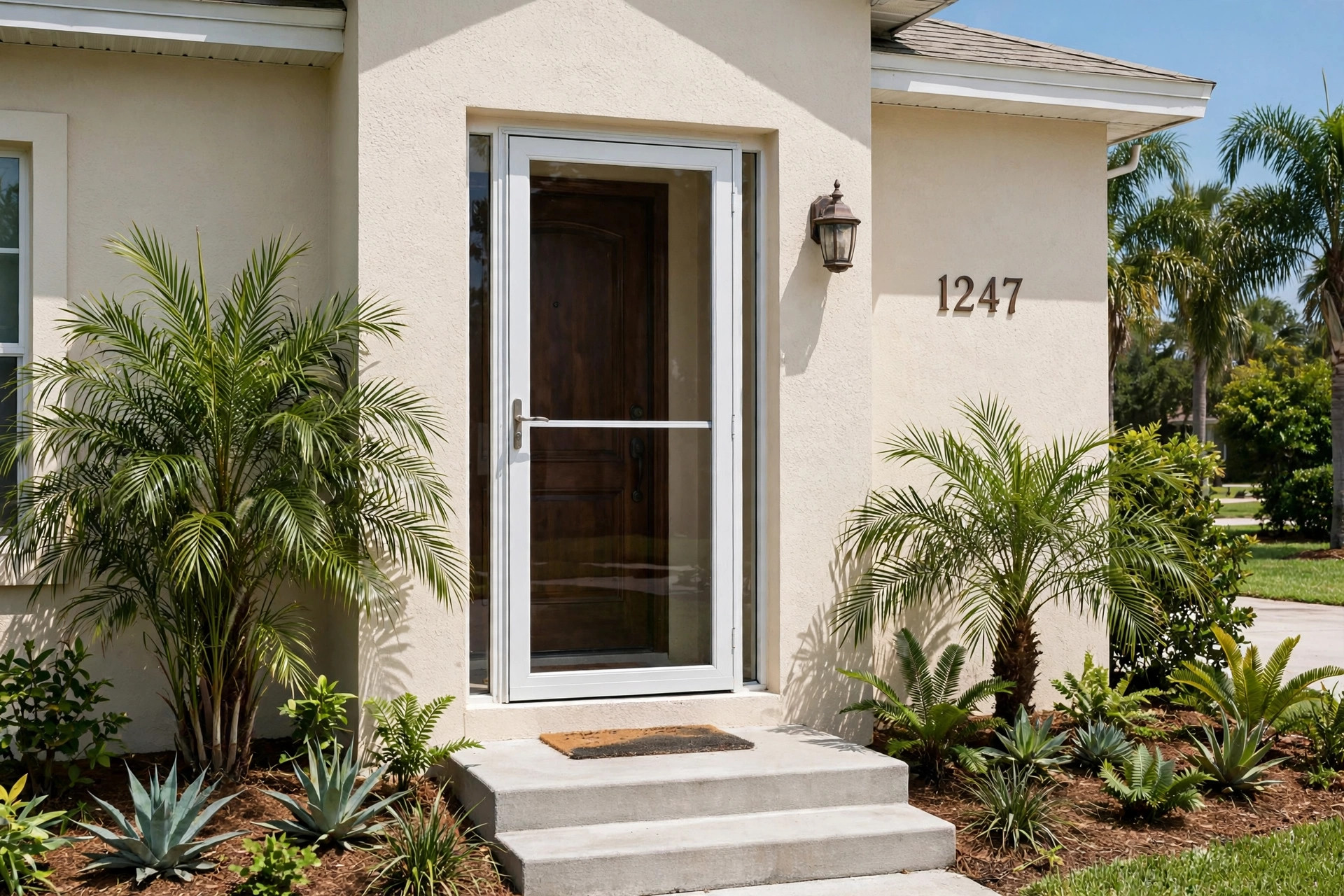

A storm door is a second door that sits in front of your main entry door. It lets in light and fresh air while it keeps out heat, rain, and bugs. For reliable storm door installation in florida, you need an installer who knows the local climate. Florida heat is strong. Summer storms are sudden. Hurricanes bring driving rain. A door that works well up north may fail fast in the South.
This guide explains why a storm door matters in Florida. It covers how to pick a good installer, what types of doors exist, what they cost, and how to care for them. It also answers common questions. Read it before you sign a contract or buy a door.
Why a Storm Door Matters in Florida
Florida homes face a mix of sun, heat, and rain. A storm door adds a layer of defense in front of your entry door. It shields the main door from the sun. This stops the finish from fading and the wood or fiberglass from warping.
A storm door also cuts energy waste. When you open your main door for air, cooled air rushes out. A storm door with a screen lets the breeze in while it keeps the cool air near the door. The air conditioner works less. The power bill drops a little.
Ventilation is a big plus. Many Florida days are mild in the morning and evening. You can open the main door and leave the storm door closed. Fresh air flows through the screen. Bugs stay out. Rain stays out. Pets stay in.
A storm door also adds light. Many entry doors are solid. The hallway stays dark. A full-view storm door lets sunlight into the entry. The home feels brighter and larger.
Protection is the main job. Wind-blown rain hits the entry first. The storm door takes that beating. The main door stays dry. Seals last longer. Paint lasts longer. Over years, the savings add up.
What to Look for in a Reliable Installer: Reliable Storm Door Installation in Florida
The installer matters as much as the door. A good door hung badly will leak air and swing wrong. A cheap door hung well still works fine. Start with the installer.
Ask for proof of license. Florida requires home improvement contractors to carry a state or local license. Ask for the license number. Check it with the state. Do not skip this step.
Ask for insurance. The installer should carry general liability insurance. It should also carry workers compensation for its crew. If a worker is hurt on your property, you do not want the bill.
Read reviews from Florida homeowners. Look at recent reviews, not ones from years ago. Look for comments about showing up on time, cleaning up, and honoring warranties. A pattern of late arrivals is a warning sign.
Get three written quotes. Each quote should list the door model, the frame material, the labor cost, and the warranty. Quotes that are vague about the door model are a red flag. You cannot compare quotes without the model name.
Ask about permits. Some Florida cities require a permit for door work. A reliable installer knows the local rules and pulls the permit for you. If the installer tells you to skip the permit, walk away.
Ask how the installer handles stucco and block walls. Many Florida homes have concrete block walls with stucco. Mounting a door frame on stucco needs care. The installer should explain how they seal and fasten the frame. Sloppy mounting lets water behind the stucco.
Types of Storm Doors for Florida Homes
Storm doors come in several styles. Each suits a different home.
Full-View Doors
A full-view door is mostly glass. One large panel covers the full height. It gives the most light. It shows off a nice entry door. Many homeowners choose this style for the front of the house.
Full-view doors work well when the main door is attractive. They also work well in dark hallways. The glass panel often lifts out in summer. A screen panel takes its place.
Ventilating or Self-Storing Doors
A ventilating door has two glass panels that slide up or down. Screens sit behind them. You slide the glass to let air in. You do not need to store panels in the garage.
This type is the most popular in Florida. It gives both light and airflow with no fuss. The trade-off is that the view is split by a center rail.
High-View and Mid-View Doors
These are a middle ground. A large glass panel sits on top. A solid kick panel sits on the bottom. The solid panel resists dents from feet and pets. High-view doors give more glass. Mid-view doors give more kick panel.
Security Screen Doors
A security storm door has a steel mesh screen instead of glass. The mesh is tough. It resists cuts and kicks. It adds a layer of protection at the entry. Air flows through it all day.
These doors cost more. They suit homes where security is a top concern. They do not keep rain out as well as glass doors.
Materials and Features Worth Paying For
Aluminum frames are the standard for storm doors. They resist rust. They hold up in salt air near the coast. Look for frames at least one inch thick. Thicker frames stay square longer.
Steel frames are stronger but heavier. They can rust in coastal air unless coated well. Wood frames look classic but need paint every few years. In Florida humidity, wood rots faster than in dry states.
Glass matters. Tempered glass is the safe choice. It breaks into small dull pieces instead of sharp shards. Double-pane glass insulates better than single pane. Low-E glass blocks some heat from the sun. In Florida, Low-E glass is worth the extra cost.
Screens come in fiberglass or aluminum. Aluminum screens resist tears from pets. Fiberglass screens are cheaper and fine for most homes.
Hardware should feel solid. Test the handle in the store. A wobbly handle will loosen more over time. Look for a solid deadbolt lock on the storm door itself. It adds a second lock to the entry.
Weatherstripping seals the gaps. Good weatherstripping is thick and flexible. Cheap weatherstripping cracks in Florida sun within a year or two.
Cost and Price of Storm Door Installation in Florida
A basic storm door costs about 150 to 300 dollars. A mid-range door costs 300 to 600 dollars. A high-end door with Low-E glass and heavy frame costs 600 to 1,000 dollars or more. Security screen doors often run 800 to 1,500 dollars.
Labor for installation runs about 100 to 300 dollars per door in most Florida markets. The price depends on the wall type and the condition of the frame opening. Block and stucco walls can add time. An old opening that is out of square adds time.
Watch for extra fees. Some installers charge extra to haul away the old door. Some charge extra for new trim or caulking. Ask what is included in the quote.
A full project for one door usually lands between 300 and 900 dollars. Two doors can run 600 to 1,700 dollars. Get the total in writing before work starts.
The exterior door replacement cost is much higher. A full entry door replacement can run several thousand dollars. A storm door is a low-cost way to improve the entry without replacing the main door.
Door prices vary by brand and store. Big retailers like Home Depot and Lowe’s carry a wide range. Their websites list prices for many models. Specialty makers such as Larson and Pella offer lines with more features.
The Installation Process
A standard install takes one to two hours per door. The installer starts by measuring the opening. They measure the width at the top, middle, and bottom. They measure the height on both sides. Openings are rarely perfect. The smallest measurement sets the door size.
Next, they fit the frame. The frame must sit plumb and square. They shim it into place. They fasten it to the wall with screws. On block walls, they use masonry anchors.
Then they seal the frame. Caulk goes around the outside edge. The caulk stops wind and rain from getting behind the frame. This step matters most in Florida. Skip it and water will find a way in.
The door slab goes on next. The installer hangs it on hinges. They adjust the closer so the door shuts at the right speed. Too fast and it slams. Too slow and it never latches.
Finally, they test everything. The door should open and close with one finger. The lock should turn smooth. The weatherstripping should touch the frame all the way around.
Watch the work if you can. A careful installer measures twice and moves slow. A rushed installer drills fast and caulks thin. You are paying for care.
Guides from This Old House and Family Handyman walk through the steps in detail. Reading them helps you spot sloppy work.
Care and Upkeep
A storm door needs little care. Wash the glass twice a year with mild soap and water. Avoid harsh cleaners that can harm the finish.
Oil the hinges once a year. A drop of household oil on each hinge keeps them quiet. Spray the lock with graphite now and then. It keeps the key turning smooth.
Check the weatherstripping each spring. Look for cracks or flat spots. Replacement strips cost little. They press into a channel in the frame. This small job keeps drafts out.
Check the caulk around the frame each year. Florida sun breaks caulk down. If you see gaps, cut out the old caulk and lay a fresh bead. Use exterior-grade silicone caulk.
Adjust the door closer as seasons change. Heat makes doors expand. Cold makes them shrink. The closer has a small screw for speed adjustment. A quarter turn is usually enough.
Screens need care too. Hose them down to remove dust. Patch small holes with a screen repair kit. Replace the screen if it is torn wide.
Safety and Building Codes
Florida building codes are strict about wind. The Florida Building Code sets rules for doors in wind zones. Storm doors themselves are not usually rated for hurricane winds. The main entry door carries the wind rating.
Do not trust a storm door to stop a hurricane. It is not a shutter. Before a storm, close and lock the storm door. It adds a bit of protection. But it is no substitute for real storm shutters or impact glass.
Glass safety matters every day. Make sure the glass is tempered. Tempered glass is required by code in doors. It breaks into blunt chunks. Regular glass in a door is a hazard.
Keep fingers clear of the closer. Door closers snap shut with force. Teach children not to ride the door. A door that slams can pinch fingers hard.
Locks add safety at night. A storm door with its own deadbolt gives two locks to defeat. It will not stop a determined break-in. But it adds time and noise.
For general exterior advice, Bob Vila and The Spruce publish solid how-to pieces. Siding makers like James Hardie and CertainTeed offer guides on keeping the whole exterior tight.
Frequently Asked Questions
How long does storm door installation take? One door takes one to two hours for a pro. Two doors take most of a morning. If the opening needs repair, add time.
Can I install a storm door myself? Yes, if you are handy and the opening is square. Most doors come with a kit and clear steps. But block and stucco walls are tricky. Many Florida homeowners hire a pro to get the seal right.
Do storm doors help with hurricanes? A little. They add a layer against wind-driven rain. But they are not rated for hurricane force. Use real shutters or impact windows for storm protection.
What is the best storm door for Florida heat? Look for an aluminum frame with Low-E double-pane glass. The Low-E coating cuts heat gain. A ventilating model lets you open the glass for airflow. Many homeowners pair the project with double-hung windows for Florida homes to cut cooling bills further.
How long does a storm door last in Florida? A quality aluminum storm door lasts 15 to 25 years. Sun and salt air shorten the life of cheap doors. Regular care adds years.
Should the storm door match the main door color? It looks best when the colors work together. White frames suit most homes. Bronze or black frames suit modern homes. Some makers offer custom colors for a fee.
A Short Final Word
A storm door is a small project with real returns. It cuts drafts. It adds light. It shields your entry door from Florida weather. The key is a good installer and a door built for the climate.
Take your time. Get three quotes. Check the license. Pick a door with tempered glass and a solid frame. Keep up with simple care. Your entry will look better and work better for years.
While you plan, it pays to look at the whole exterior. Fresh seamless gutter guards for southern states keep water away from the entry. Small upgrades add up to a drier, tougher home.
References
Bob Vila. (n.d.). Home improvement advice. https://www.bobvila.com CertainTeed. (n.d.). Building materials and exterior products. https://www.certainteed.com Family Handyman. (n.d.). DIY home repair and maintenance. https://www.familyhandyman.com James Hardie. (n.d.). Fiber cement siding and exterior products. https://www.jameshardie.com Larson. (n.d.). Storm doors. https://www.larsondoors.com Lowe’s. (n.d.). Home improvement products. https://www.lowes.com Pella. (n.d.). Windows and doors. https://www.pella.com The Home Depot. (n.d.). Home improvement products. https://www.homedepot.com The Spruce. (n.d.). Home and garden advice. https://www.thespruce.com This Old House. (n.d.). Home renovation guidance. https://www.thisoldhouse.com
Was this guide helpful?

About David Wilson
The My Garden US editorial team writes practical, in-depth home and garden guides for American homeowners — tested advice, no fluff.
You May Also Like
Top Rated Storm Door Installation Reviews: What Homeowners Need to Know
March 22, 2026 0 views
Weather Resistant Soffit and Fascia Repair for Homeowners
April 17, 2026 0 views
Reliable Vinyl Siding Installation in the USA: A Plain Guide for Homeowners
June 27, 2026 0 views