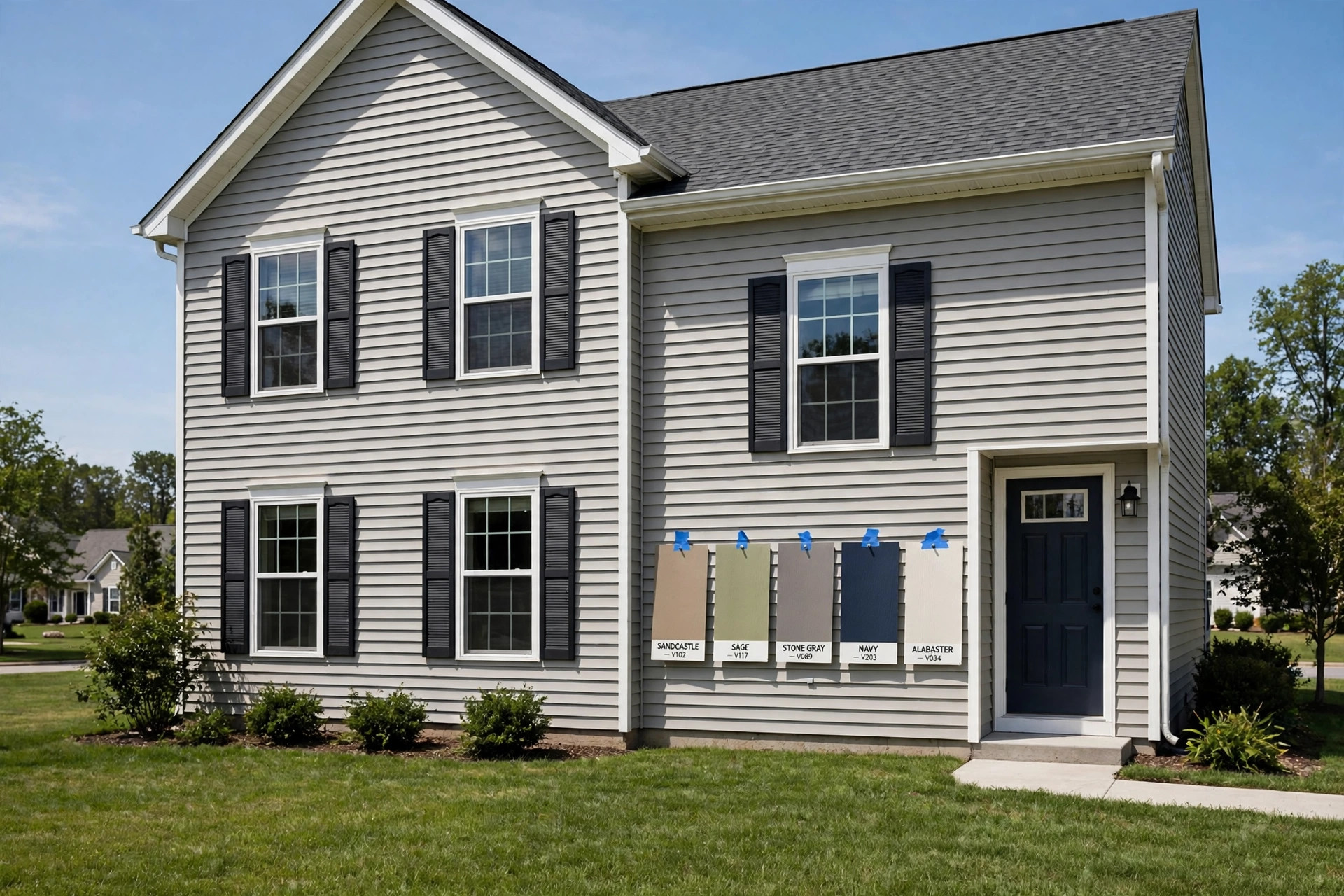

Picking a new siding color feels like a large decision. The color will stay on your home for many years. A low maintenance siding color visualizer tools buying guide can help you choose with care. These tools let you see colors on a photo of your own home before you buy. This article explains what these tools do, what features matter most, how the main types compare, and what they cost. By the end, you will know how to pick a visualizer tool that fits your needs and your budget.
Why Choosing the Right Siding Color Matters
Siding covers most of what people see when they look at your house. The color shapes the first impression. It also shapes how your home fits with the street and the land around it.
A good color can raise the value of your home. A poor color can make a fine house look dated. Paint color samples in the store often lie. Light in a store is not the same as light on your porch. A sample card is small. Your wall is large. Colors look darker and stronger on a large wall.
Low maintenance siding makes this choice even more important. Vinyl and fiber cement siding hold their color for decades. You will not repaint them soon. The shade you pick now is the shade you will live with for a long time. A visualizer tool helps you test colors on a real photo of your house. It takes the guesswork out of the choice.
What a Siding Color Visualizer Tool Does: Low Maintenance Siding Color Visualizer Tools Buying Guide
A siding color visualizer is a free or low-cost online tool. You upload a photo of your home, or you pick a model home from a library. Then you click through colors and see them on the walls at once. Some tools also let you change trim, shutters, doors, and roof colors to match.
These tools serve two groups of users. Homeowners use them to plan a remodel. Contractors use them to show clients options without ordering samples. Both groups save time and money with a good tool.
Most tools run in a web browser. You need no special skill to use them. You drag, click, and compare. Some tools also work on phones and tablets, which helps when you stand in the yard and look at real light on your house.
Key Features to Look For
Not every tool works the same. The list below shows the features that matter most when you shop.
Photo upload. The best tools let you upload a clear photo of your own home. Stock model homes are useful, but your own home gives the truest result. Check that the tool accepts common photo formats and lets you crop the image.
Accurate color library. A good tool shows the real colors sold by siding makers. Each brand has its own palette. James Hardie lists real fiber cement colors on James Hardie. CertainTeed shows its siding lines on CertainTeed. If a tool only shows generic colors, the match to real product will be weak.
Trim and accent options. Siding color alone does not finish a home. Trim, shutters, front doors, and corner boards all matter. Tools that let you change these parts give a fuller picture of the final look.
Side-by-side comparison. Look for a tool that saves two or three versions side by side. Memory plays tricks. A saved comparison lets you judge colors with a clear head.
Print and share. You will want to show options to family members or your contractor. A tool that saves, prints, or emails the design makes this easy.
Mobile support. Many buyers stand in front of the house and compare the screen to the real wall. A tool that works well on a phone helps at this stage.
For general advice on exterior projects, This Old House publishes clear guides on siding materials and methods. Bob Vila also covers exterior color planning in plain terms.
Types of Siding Color Visualizer Tools
Brand-Made Tools
Siding makers offer their own visualizers. These tools show only that brand’s colors, which is a strength and a limit. The colors match the product line exactly. You see the true names and numbers you will order. The limit is clear: you cannot compare one brand against another in the same view.
These tools suit buyers who have already chosen a brand. If you know you want fiber cement from a certain maker, the brand tool gives the most exact preview.
Retailer Tools
Large home stores offer design tools that cover many brands. You can find planning help on Home Depot and Lowes. These tools link color choices to products the store sells. That link is handy when you are ready to buy samples or book an installer.
Retailer tools often include project cost hints and links to local pros. They suit buyers who want one place to plan, price, and purchase.
General Design and App Tools
Some tools come from design sites rather than makers or stores. The Spruce offers color and design guidance that pairs well with any visualizer. HGTV shows many real home exteriors that can spark ideas before you open a tool. These sources help you learn which color families suit your home style.
App-based tools use your phone camera to paint colors onto a live view. They are fast and fun, but they are less exact than photo-based tools. Use them for early ideas, then confirm with a photo-based tool.
Consumer Reports tests and rates many home products, and its buying guidance can help you judge the claims that tool makers print.
Low Maintenance Siding Materials and Their Colors
Color choice links to material choice. Low maintenance siding comes in several main types. Each type holds color in its own way.
Vinyl siding. Vinyl is the most common low maintenance siding in America. Color runs through the panel, so scratches show less. Modern vinyl resists fading far better than old vinyl did. Dark colors are now safe on many lines because of heat-reflective technology. Vinyl suits buyers who want the lowest care of all.
Fiber cement siding. Fiber cement holds paint very well. It comes pre-finished in factory colors or ready for field paint. Factory finishes carry long warranties against fading. The material looks like wood but needs far less care. It suits buyers who want a rich, painted look without yearly work.
Engineered wood and composite siding. These products blend wood fiber with resins. They resist rot and insects better than plain wood. They take color well and hold it for years. They suit buyers who like the warm look of wood with less upkeep.
When you compare materials, a budget friendly vinyl siding installation near me search can show local pricing, and top rated vinyl siding installation reviews can point to trusted crews. For trim and decking that must match, look at weather resistant composite decking materials for sale.
Family Handyman explains siding repair and upkeep in step-by-step form, which helps you plan care after the color is set.
How to Use a Color Visualizer Step by Step
Follow these steps for the best result.
1. Take a good photo. Stand straight in front of your home. Shoot on a cloudy day or in soft morning light. Harsh noon sun washes out detail. Include the full front wall, the roof edge, and the trim.
2. Upload and mask the walls. Most tools ask you to trace or tap the wall areas. Take time here. A careful mask gives a clean preview. A sloppy mask lets color bleed onto windows and doors.
3. Start with three to five colors. Too many choices cause confusion. Pick a light, a mid-tone, and a dark option in the family you like. Add one or two wild cards if you feel bold.
4. Change trim and accents. White trim suits many colors, but not all. Try dark bronze or black trim with light siding. Try a bold door color, such as deep red or navy, to see how the whole front reads.
5. View at different times. Save your designs and look again in morning and evening. Screen color shifts with room light. A color that looks perfect at noon may feel cold at dusk.
6. Order real samples. No screen shows color perfectly. Once the tool narrows your list to two or three, order physical samples. Hold them against the wall in real light. This last step is the one step you must not skip.
Cost and Price
Most siding color visualizer tools are free. Brands offer them to sell siding. Retailers offer them to sell products and services. Free tools cover the needs of most homeowners.
Some pro design apps charge a monthly fee. These fees usually run from a few dollars to about thirty dollars per month. They add features such as 3D views, material lists, and client sharing. A homeowner doing one project rarely needs a paid app. A contractor who shows designs to clients each week may find the fee worth it.
The real cost sits in the siding itself, not the tool. Get quotes from two or three installers. Ask each one which colors and finishes they stock. A color that needs a special order can add weeks to the job. A stock color often ships faster and costs less.
Care and Upkeep After You Choose
Low maintenance does not mean no maintenance. Every siding type needs some care to keep its color fresh.
Wash the walls once a year with a garden hose and a soft brush. Mild soap lifts dirt and mildew. Avoid harsh pressure washers on vinyl, which can force water behind panels. On fiber cement, keep sprinklers from soaking the same spot each day, since constant wetness can stain the finish.
Check caulk lines around windows and doors each spring. Small gaps let water in and can stain the siding below. Trim back bushes so leaves do not rub the wall. Rubbing wears the finish and leaves green marks.
Light colors hide dust better than dark colors. If you hate washing, pick a mid-tone. Mid-tones also show less fading over the years. These small choices add up to years of good looks with little work.
Safety Notes
Exterior work brings real hazards. If you climb a ladder to hang samples or clean high walls, use a stable ladder on firm ground. Keep the ladder base one foot out for each four feet of height. Never lean past the side rails.
Wear gloves and eye protection when you wash siding with soap or mildew cleaner. Keep cleaners away from plants and pets. Rinse well so no film stays on the wall.
If your home was built before 1978, old paint under the siding may hold lead. Do not sand or scrape old paint without a test. Hire a certified pro for any work that disturbs old painted surfaces. Safe practice protects your family and your neighbors.
Frequently Asked Questions
Are siding color visualizer tools accurate? They are close but not perfect. Screens show color with light, while walls show color with sun and shade. Use the tool to narrow your list, then confirm with real samples held on the wall.
Do these tools cost money? Most are free. Brands and stores offer them to help you buy their products. A few pro apps charge a monthly fee for extra features such as 3D views.
Can I use a photo of my own house? Yes, in most tools. A straight-on photo in soft light works best. Trace the wall areas with care so color does not bleed onto windows or trim.
Which siding color needs the least care? Mid-tone colors hide dust and fading best. Light warm grays, tans, and soft greens are kind to owners. Very dark colors show dust, and pure white shows every mark.
How long will my chosen color last? Quality vinyl holds color for twenty years or more. Factory-finished fiber cement often carries a fifteen-year finish warranty. Sun, salt air, and shade all change how fast a color ages.
Should I match my neighbors? You do not need to copy them, but your color should sit well on the street. Drive the block and note which homes look best. A visualizer lets you test how your choice fits the whole scene.
A Final Word
A color visualizer tool will not pick your siding color for you. It will, however, take fear out of the choice. You can test bold ideas without risk. You can show your family real options instead of small cards. Follow the steps in this guide, narrow your list with the tool, and confirm with real samples in real light. The home you see on the screen can become the home you love on the street.
References
Bob Vila. (n.d.). Home improvement advice. https://www.bobvila.com CertainTeed. (n.d.). Building materials and exterior products. https://www.certainteed.com Consumer Reports. (n.d.). Product reviews and ratings. https://www.consumerreports.org Family Handyman. (n.d.). DIY home repair and maintenance. https://www.familyhandyman.com HGTV. (n.d.). Home and garden ideas. https://www.hgtv.com James Hardie. (n.d.). Fiber cement siding and exterior products. https://www.jameshardie.com Lowe’s. (n.d.). Home improvement products. https://www.lowes.com The Home Depot. (n.d.). Home improvement products. https://www.homedepot.com The Spruce. (n.d.). Home and garden advice. https://www.thespruce.com This Old House. (n.d.). Home renovation guidance. https://www.thisoldhouse.com
Was this guide helpful?

About Jennifer Lee
The My Garden US editorial team writes practical, in-depth home and garden guides for American homeowners — tested advice, no fluff.
You May Also Like

Best Garage Door Replacement for Homeowners: What to Know Before You Buy
February 16, 2026 0 views
Brick Veneer Siding Reviews and Buying Guide
February 1, 2026 0 views
Premium Basement Waterproofing Services for Homeowners
May 8, 2026 0 views