
A careful sheer linen curtains price comparison usa shoppers can trust begins with one simple fact. Prices for these light, airy curtains swing wide. One panel can cost less than a lunch. A full set for a tall window can cost more than a week’s pay. The gap comes from fabric, size, brand, and where you buy. This guide walks through each piece of the price puzzle in plain words. It shows typical price bands. It explains what raises or lowers the cost. It gives a fair way to compare offers. By the end, you will know what a good price looks like, and you will know how to spot a deal that is too good to be true.
Why a Price Comparison Matters
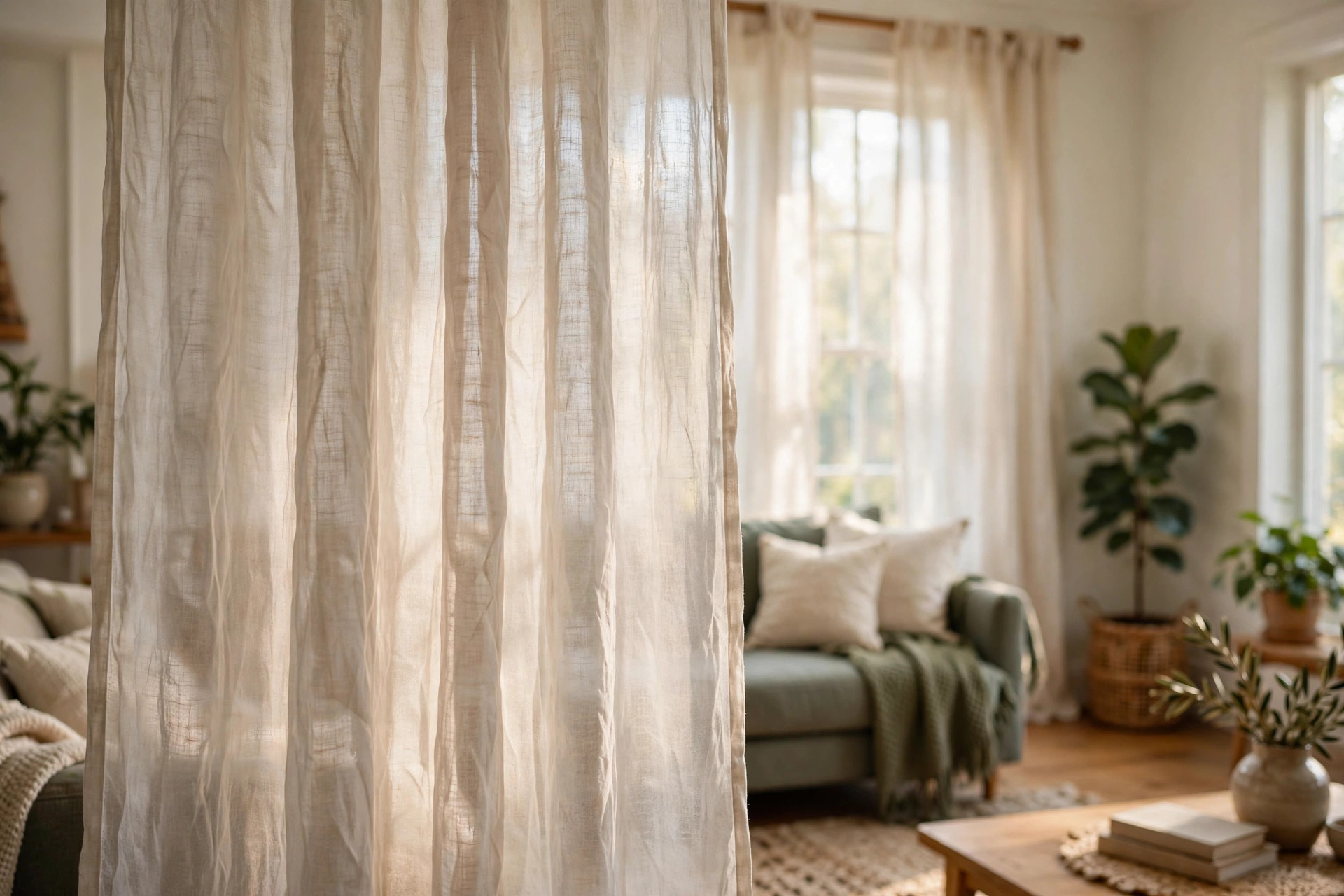
Sheer linen curtains sell on looks. The fabric is thin. It lets daylight pass through. It softens the view without closing the room off. Homes that want a bright, calm mood often choose them. But the same words, “sheer linen curtains,” appear on products of very different quality. Some panels are true linen, spun from flax fiber. Others are linen-look, made from cotton or polyester with a linen feel. A few mix both. When you compare prices across the USA, you are often comparing very different things.
A price comparison keeps you honest. It forces you to look past the label and study the details. How wide is the panel. How long. What is the true fiber content. Which finish did the maker use. Once you compare like with like, the right choice becomes clear. You avoid overpaying for a cheap panel. You also avoid buying a panel so cheap that it will not last a single season.
The curtain market also shifts with the season. Spring and summer bring sales, since stores push window goods when daylight hours grow long. Fall brings clearance lines. Knowing this rhythm helps you time your purchase. A good comparison is not only about finding the lowest number. It is about finding fair value at the right time.
What to Look for Before You Compare: Sheer Linen Curtains Price Comparison Usa
Start with the fabric itself. True linen comes from the flax plant. It has a soft, slightly uneven texture that many people love. It breathes well and drapes with a relaxed look. Linen blends mix flax with cotton or a small share of synthetic fiber. They cost less. They resist wrinkles a bit better. Polyester sheers with a linen look cost the least of all. They feel smooth. They wash easily. They do not have the same hand feel as true linen. When you see a price, check the tag. A price of twelve dollars for a “linen” panel usually means a linen-look fabric. A panel of true linen often starts around thirty dollars and climbs from there.
Next, study the size. Sheer curtains sell by panel. Most panels measure between 52 and 54 inches wide. Lengths run from 63 inches up to 120 inches. For a neat, gathered look, buy panels whose combined width is about twice the width of your window rod. Tall windows need the longest panels. A long panel uses more cloth, so it costs more. Always compare price per panel at the same size. A thirty-dollar panel at 108 inches long may be a better buy than a twenty-dollar panel at 63 inches, once you do the math.
Look at the header style. A rod pocket slides straight onto the rod. A tab top has fabric loops. A grommet top uses metal rings. Grommets and tabs often cost a few dollars more per panel. They hang in smooth, even folds. They also open and close with ease.
Check the finish of the edges. A well-made panel has tight, even side hems. The bottom hem should be wide enough to give weight, so the curtain hangs straight. Loose threads and crooked hems signal rushed work. They also signal a short life. Weight matters for sheer fabric. Light panels flutter in a draft. A panel with a slightly heavier bottom hem drapes better.
Color counts too. White, ivory, and natural flax shades cost the least. Dyed colors cost a little more. Deep or unusual tones cost the most. If you want navy blue velvet curtains for a dramatic room, expect a higher price than for a plain ivory sheer. Sheers and heavy velvet sit in different price worlds, so compare them only for style ideas, not for cost.
Finally, think about the set. Most homes need at least two panels per window. A price tag that looks low for one panel can add up fast when you need four. Always total the full job before you decide.
Types and Options on the Market
Sheer linen curtains come in a few clear groups. Each group has its own price band.
True linen sheers. These use flax fiber, often in a loose plain weave. They feel crisp at first. They soften with washing. They bring a natural, slightly rough texture to the room. Prices in the USA usually run from about thirty to ninety dollars per panel, depending on size and brand. Hand-loomed or small-batch lines can reach one hundred and fifty dollars per panel.
Linen-cotton blends. The cloth mixes flax with cotton. The blend keeps much of the linen look but softens the fabric and cuts the cost. These panels often sell from twenty to fifty dollars. They suit buyers who want the linen style on a tight budget.
Linen-look polyester. The fabric is all synthetic. It mimics the texture of linen with a fine weave. It resists fading. It washes without trouble. Panels often cost between eight and twenty-five dollars. They work well in rental homes or rooms that get hard use.
Ready-made versus custom. Ready-made panels come in fixed sizes. They cost less. Custom panels are cut to your exact width and length. They cost more, often double or triple the ready-made price. Custom makes sense for odd windows or a formal look. For most homes, ready-made serves well.
Layered sets. Some shoppers pair sheers with a privacy layer. A budget friendly window film privacy tint on the glass can add daytime privacy behind the sheer fabric. A thermal window film privacy tint can also cut heat on sunny glass. These extras add cost, but they let the sheer curtain do its real job, which is to soften light and dress the room.
Pairing ideas also help. Many buyers place sheers beside heavier drapes for night privacy. If you live in a hot region, energy efficient blackout roller shades for Florida homes show how a second layer can block glare and heat. The same logic works anywhere. Sheers for the day, a second layer for the night.
Cost and Price: A USA Price Comparison
Here is how the market looks across the United States, panel by panel. These bands reflect what major home stores, online shops, and curtain specialists charge in 2026.
| Panel type | Typical size | Price per panel | |—|—|—| | Linen-look polyester sheer | 52 x 84 in | $8 to $25 | | Linen-cotton blend sheer | 52 x 84 in | $20 to $50 | | True linen sheer | 52 x 84 in | $30 to $90 | | True linen sheer, long | 52 x 108 in | $45 to $120 | | Custom true linen panel | made to measure | $100 to $300 |
A full window usually needs two panels. So a linen-look set for one window might total sixteen to fifty dollars. A true linen set for a tall window might total ninety to two hundred and forty dollars. Whole-home projects multiply fast. Eight windows in true linen can reach one to two thousand dollars.
Where you shop changes the price. Big-box home stores carry wide ranges. Home Depot and Lowe’s stock both budget and mid-range lines. IKEA sells simple linen-style sheers at low prices, though sizes and colors are limited. Target offers trend-driven lines at fair cost. Wayfair lists hundreds of options, but prices move often, so check the final total with shipping. Specialty shops such as Blinds.com focus on window coverings and often include measuring help in the price. Advice sites like HGTV and Bob Vila review styles and brands, which helps you judge whether a higher price buys real quality.
Shipping can change the math. Online sellers sometimes price a panel low and charge high shipping. Add the shipping cost to each panel before you compare. Sales tax also differs by state. A panel that costs forty dollars in one state may cost forty-three in another.
Watch for bundle deals. Some sellers price a set of two panels below the cost of two singles. Check the bundle math. A “set of two” at fifty-five dollars beats two singles at thirty dollars each.
Care and Upkeep
Sheer linen needs gentle care. The cloth is fine. Harsh washing can tear it. Most makers suggest machine washing in cold water on a gentle cycle, with mild soap. Do not use bleach. Bleach weakens flax fiber and turns white linen yellow over time.
Hang panels to dry or use a low heat setting. Take them out of the dryer while still slightly damp. Hang them at once. The weight of the damp cloth pulls out wrinkles. Iron on low heat if you want a crisp finish. Many owners skip the iron. They like the soft, lived-in look.
Dust settles on sheers. Shake panels outdoors once a month. Vacuum them with a soft brush head if you cannot take them down. Pets and sun cause most damage. Cats may claw at the fine weave. Strong sun fades dyed linen over several years. Lining or a second layer helps the panels last longer.
Store spare panels folded in a clean, dry box. Keep them away from damp basements. Linen can grow musty in wet air.
Safety
Curtains hang near windows, and windows bring two main risks. The first is fire. Keep sheers away from candles, heaters, and stoves. Sheer fabric catches fast. Never place an open flame near a curtain. The second risk is cords. Some sheer panels or their hardware use cords or loops. Keep all cords out of the reach of small children and pets. Cut looped cords or fit them with a breakaway device. The Consumer Product Safety Commission offers guidance on window covering safety and cord hazards. It is worth a read before you hang any new curtain.
When you buy, check for care labels and any safety notes. If a panel lacks a label, ask the seller. A reputable seller will answer. A seller who will not answer may be selling below standard.
Frequently Asked Questions
How many panels do I need for one window? For a standard window with a rod about 60 inches wide, buy two panels of 52 to 54 inches each. The combined width gives a full, gathered look. For a wide or tall window, add a third panel.
Are true linen sheers worth the extra cost? For many buyers, yes. True linen drapes in a way that synthetics cannot copy. It also lasts longer with good care. If your budget is tight, a linen-cotton blend gives much of the look for less. If the room gets hard use, linen-look polyester may be the smart pick.
Do sheer linen curtains give privacy at night? No, not on their own. Sheers glow with light after dark. Anyone outside can see shapes through them. Pair sheers with a night layer, such as opaque drapes or a blind, when you need privacy after sunset.
How long do sheer linen curtains last? With gentle washing and no hard sun, true linen sheers can last eight to twelve years. Linen-look polyester often lasts five to eight years. Blends fall between. Sun and harsh detergents shorten the life of all three.
Can I wash sheer linen curtains at home? Yes. Use cold water, a gentle cycle, and mild soap. Skip bleach and hot dryers. Hang the panels while damp to smooth wrinkles. Check the care label first, since some lined panels need dry cleaning.
What is a fair price for a pair of true linen sheer panels? For a common size like 52 by 84 inches, a fair USA price runs from about sixty to one hundred and eighty dollars for the pair. Long panels cost more. Custom panels cost much more. Use this band as your yardstick when you compare.
A Short Final Word
A smart sheer linen curtains price comparison usa wide rests on three habits. Compare like with like, panel size to panel size and fiber to fiber. Total the full cost, including shipping and tax. Buy from sellers you can reach if something goes wrong. The cheapest panel is not always the best buy. The dearest is not always the best either. The best buy is the panel that fits your window, suits your room, and stands up to daily life at a price you can defend.
References
Blinds.com. (n.d.). Window blinds, shades, and shutters. https://www.blinds.com Bob Vila. (n.d.). Home improvement advice. https://www.bobvila.com HGTV. (n.d.). Home and garden ideas. https://www.hgtv.com IKEA. (n.d.). Home furnishings. https://www.ikea.com Lowe’s. (n.d.). Home improvement products. https://www.lowes.com Target. (n.d.). Retail store. https://www.target.com The Home Depot. (n.d.). Home improvement products. https://www.homedepot.com U.S. Consumer Product Safety Commission. (n.d.). Product safety information. https://www.cpsc.gov Wayfair. (n.d.). Furniture and home goods. https://www.wayfair.com
Was this guide helpful?

About Robert Taylor
The My Garden US editorial team writes practical, in-depth home and garden guides for American homeowners — tested advice, no fluff.
You May Also Like
Top Rated Moroccan Pattern Curtains for Southern States
September 20, 2026 0 views
Best Curtain Cleaning Services Near Me: A Plain Guide
March 29, 2026 0 views
Valances for Windows: A Price Comparison Guide for USA Shoppers
September 11, 2026 0 views