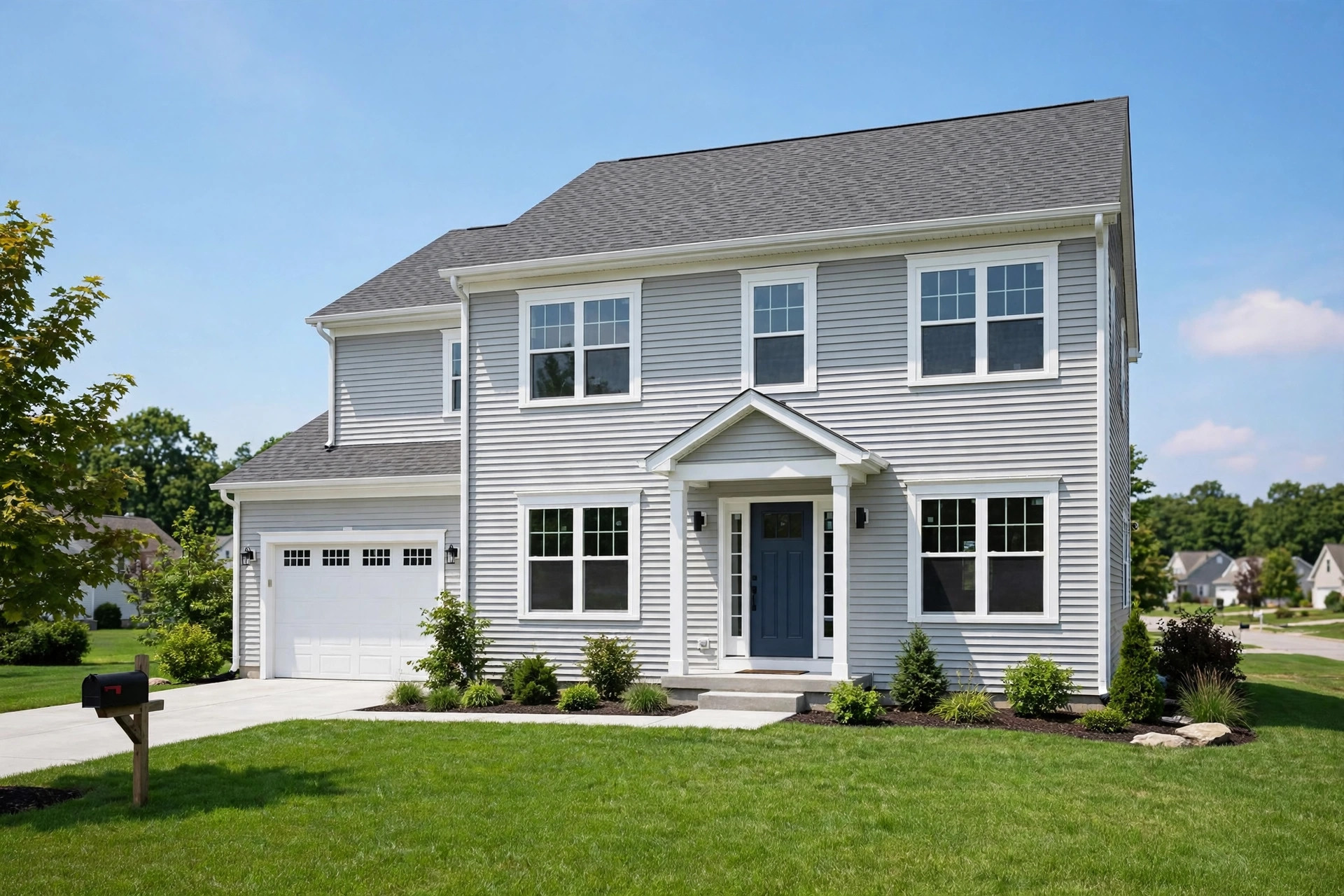

A set of top rated vinyl siding installation reviews can save you money and worry. Siding is the skin of your house. It keeps rain out and heat in. When a crew installs it well, the job lasts for decades. When they rush the work, panels buckle, joints leak, and color fades in a few short years.
That is why reviews matter so much. A five-star rating tells you very little by itself. You need to read what past customers wrote about the crew, the price, and the workmanship. This guide shows you how to read those reviews with care. It also walks through types of vinyl siding, typical costs, upkeep, and safety. By the end, you will know how to pick an installer you can trust.
Why It Matters
New siding is one of the largest jobs a homeowner will buy. A full house can cost as much as a used car. The panels protect the wood walls behind them. They block wind-driven rain and stop cold air from reaching the sheathing. Good siding also keeps warm air inside in winter and hot air outside in summer. That can lower your fuel bills.
Curb appeal is the second reason. Old, cracked siding drags down the look of the whole street. Fresh siding can make a twenty-year-old house look almost new. Real estate agents say that siding replacement often pays back a large share of its cost at resale time. Buyers trust a home with new skin.
Workmanship decides whether you get any of these gains. Vinyl panels must hang loose on the wall so they can expand in heat and shrink in cold. Nails set too tight cause oil-canning and waves. Panels cut too short leave gaps where water enters. Flashing around windows and doors must be right, or water will rot the wood behind it. Photo guides from This Old House show what correct nailing and flashing look like.
Reviews reveal what brochures never show. One homeowner may praise a crew for neat corners and a clean yard. Another may report that the crew showed up late three days in a row and left trim unfinished. When many reviews tell the same story, that story is likely true. A pattern of late starts, hidden fees, or sloppy trim is a clear signal to look elsewhere.
How to Read Installation Reviews: Top Rated Vinyl Siding Installation Reviews
Read Beyond the Stars
Star ratings are only the start. Open the written reviews and look for detail. A useful review names the crew leader, describes the timeline, and states the final price against the estimate. It tells you whether the yard was swept clean each night. It says whether the installer returned to fix small problems.
Check the dates. A company with fifty old reviews and nothing new in two years may have changed hands or lost its best crew. Fresh reviews tell you how the firm works today. Also look at how the company answers bad reviews. A calm, specific reply that offers to fix the issue is a good sign. Silence or angry replies are not.
Photos add weight. Many reviewers post before and after shots. Study the corners, the joints around windows, and the bottom edge of the siding. Straight courses and tight trim point to careful work. Also weigh the source of the review. Sites that verify purchases carry more trust than open forums where anyone can post.
Watch for These Warning Signs
Some patterns should stop you cold. A burst of short five-star reviews in a single week can mean the company paid for praise or asked only happy customers to post. Vague reviews that say “great job” and nothing more add little value. Reviews that mention pressure to sign on the spot are a red flag.
Watch the money details. Demands for full payment before the job starts are risky. Standard practice is a deposit of one third or less, with the balance due when the work is done and you are satisfied. Reviews that describe large price jumps from the written estimate deserve a hard look.
License and insurance come up often in the best reviews. Happy customers sometimes note that the crew posted the permit card in the window. Unhappy ones may report that the installer used day labor with no training. If reviews never mention a license, ask the company directly and check with your state board.
Types of Vinyl Siding
Standard Panels
Standard horizontal lap siding is the most common choice in America. It is the classic look of clapboard, built in vinyl. Panels run eight to twelve inches wide and lock together with a nail hem. It costs less than most options and comes in dozens of colors. Large vinyl producers such as CertainTeed publish full product lines so you can compare thickness and warranties. If you are also weighing other cladding styles, our guide to brick veneer siding walks through costs and buyer tips.
The best vinyl siding brands make panels with a thicker profile, around 0.046 inches or more. Thicker panels resist hail dents and hold their shape in heat. When you read top rated vinyl siding installation reviews, note which brands the reviewers chose. Names that appear again and again in happy reviews tend to be safe picks.
Insulated Siding
Insulated siding adds a foam backing molded to the back of each panel. The foam fills the gap between the panel and the wall. This raises the R-value, which is a measure of insulation strength. It also makes the siding feel more solid and less hollow when you tap it.
Reviews of insulated siding often mention quieter rooms and steadier indoor temperatures. The price runs higher than standard panels. For homes with thin walls, the added comfort can be worth the cost. If you want a tougher cladding altogether, see our top rated fiber cement siding panels guide, and compare fiber cement makers such as James Hardie. Make sure the installer has trained on this product, since it handles differently than hollow-back panels.
Shakes and Scallops
Shake and scallop panels copy the look of hand-split wood shingles. They give gables, dormers, and porch peaks a crafted look. Many homeowners mix shakes in the gables with lap siding on the main walls. This adds charm without the upkeep of real wood.
These decorative panels take more skill to install. Each piece must be spaced for expansion, and courses must stay level across the wall. When you scan top rated vinyl siding installation reviews, look for customers who chose shakes or scallops. Their comments tell you whether the crew had the craft to handle fancy profiles. Homeowners who like the shake look in real wood can also read our energy efficient cedar shake siding buying guide.
Cost and Price
Vinyl siding installation cost varies by home size, region, and product grade. For a typical American home of about 1,600 square feet of wall area, a full tear-off and new install often runs between eight and fifteen thousand dollars. Smaller ranch homes can cost less. Large two-story homes with many corners can cost more.
Several factors move the price. Removing old siding adds labor and disposal fees. Bad wood under the old skin must be repaired, which adds material and time. Foam-backed panels cost more than standard ones. Decorative shakes, wide trim, and custom colors also raise the total.
Get three to five written bids. Each bid should list the brand and product line, the square footage, the scope of tear-off, the trim package, and the warranty terms. When you study vinyl siding installers near me in review sites, compare their prices against this range. Retailers like The Home Depot and Lowe’s also publish siding project guides that can ground your budget. A bid far below the pack may mean thin panels, rushed labor, or missing trim.
Timing can help. Crews often offer lower prices in late fall and winter when demand slows. Ask about seasonal discounts, but never let a low price excuse sloppy references. A cheap job done poorly costs more than a fair job done right.
Care and Upkeep
Vinyl siding needs little care, but it is not care-free. Wash the walls once a year with a garden hose and a soft brush. Use mild soap and water. Start at the bottom and work up so dirty streaks do not run over clean areas. Rinse from the top down.
Avoid strong pressure washers. High pressure can drive water behind the panels and loosen the nail hem. It can also leave stripes in the finish. If you hire a washer, choose one who knows siding and uses low pressure. Check for green mold on north-facing walls, which stay damp. A gentle scrub with a bleach-and-water mix removes it.
After storms, walk the house and look for loose or cracked panels. Wind can pop a panel out of its lock. Most panels snap back into place with a simple zip tool that siding suppliers sell. Family Handyman and The Spruce both walk through this repair step by step. Keep mulch, soil, and woodpiles a few inches below the bottom edge of the siding. Trapped moisture invites rot in the wood behind the panels.
Safety
Siding work involves ladders, scaffolds, and power tools. A safe crew sets ladders on firm ground, ties off scaffolds, and wears eye and hearing protection. Ask the company about its safety record. Reviews sometimes praise crews that kept the yard fenced and the walkways clear.
Older homes add a special hazard. Houses built before 1978 may have lead paint under the old siding. Federal rules require certified firms to test for lead and use safe work practices when they disturb painted surfaces. Ask your installer about lead certification if your home is old.
Insurance protects you. A proper contractor carries general liability and workers’ compensation. If a worker falls from a ladder on your property and the firm has no coverage, the claim may land on you. Good reviews often mention that the office sent proof of insurance before work began. Always ask for the certificate and call the insurer to confirm it is current.
Frequently Asked Questions
How long does vinyl siding installation take?
Most full-house jobs take one to two weeks. A small ranch may finish in five days. A large home with tear-off, repairs, and fancy trim can take three weeks. Weather delays are common, so ask the crew how they handle rain days.
How much does vinyl siding installation cost?
A typical job runs between eight and fifteen thousand dollars for an average American home. Final cost depends on wall area, product grade, tear-off, and local labor rates. Always get written bids that spell out every line item.
Can vinyl siding go over old siding?
Sometimes. Building codes in many areas allow new vinyl over one layer of old siding. The old surface must be flat, sound, and dry. Rotten spots must be repaired first. Many installers prefer a full tear-off so they can inspect the wall and add house wrap.
How do I know if a siding installer is licensed?
Ask for the license number, then check it with your state or county board. Confirm that the name on the license matches the company on your contract. Reviews that mention permits and inspections are a good sign the firm works within the rules.
How long does vinyl siding last?
Quality vinyl siding often lasts twenty-five to forty years. Sun exposure is the main enemy. Dark colors fade faster in hot climates. A skilled install with room for expansion helps the panels reach the long end of that range.
A Final Word
Top rated vinyl siding installation reviews are a tool, not a verdict. Read them slowly. Look for detail, photos, and patterns across many customers. Buying guides from Bob Vila can help you compare installer questions and product grades. Match the review stories against the types of siding and costs in this guide. Then interview three firms, check licenses, and get everything in writing. A patient buyer almost always ends up with a job that looks good and lasts.
References
Bob Vila. (n.d.). Home improvement advice. https://www.bobvila.com CertainTeed. (n.d.). Building materials and exterior products. https://www.certainteed.com Family Handyman. (n.d.). DIY home repair and maintenance. https://www.familyhandyman.com James Hardie. (n.d.). Fiber cement siding and exterior products. https://www.jameshardie.com Lowe’s. (n.d.). Home improvement products. https://www.lowes.com The Home Depot. (n.d.). Home improvement products. https://www.homedepot.com The Spruce. (n.d.). Home and garden advice. https://www.thespruce.com This Old House. (n.d.). Home renovation guidance. https://www.thisoldhouse.com
Was this guide helpful?

About Jennifer Lee
The My Garden US editorial team writes practical, in-depth home and garden guides for American homeowners — tested advice, no fluff.
You May Also Like

Best Paver Walkway Installation Near Me: How to Find a Local Pro
February 5, 2026 0 views
Best Garage Door Replacement for Homeowners: What to Know Before You Buy
February 16, 2026 0 views
Top Rated Outdoor Security Cameras With Free Shipping
July 13, 2026 0 views