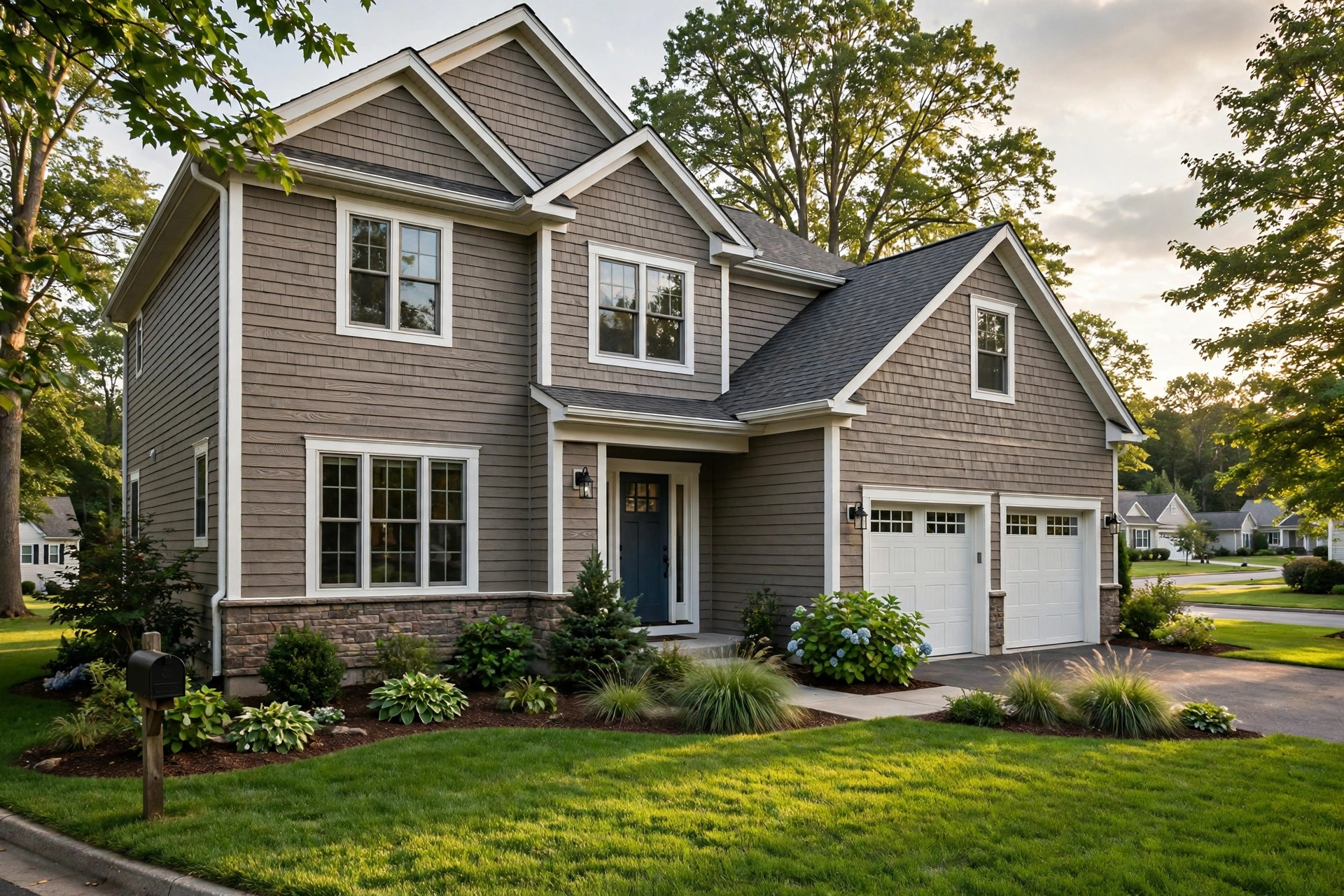
Buying new siding is one of the largest decisions a homeowner makes about the outside of a house. This top rated fiber cement siding panels buying guide was written to make that decision simpler. Fiber cement siding panels have grown in favor across the United States for good reason. They look like wood. They resist fire, rot, and insects. And they hold paint far longer than wood does. In the pages below you will learn which panels earn the best marks, what features matter most, what they cost, and how to keep them in good shape for years.
Why Fiber Cement Siding Panels Matter
The skin of a house does more work than most people see. It sheds rain. It blocks wind. It guards the frame against sun and storm. When that skin fails, water gets in. Repair bills follow.
Fiber cement is made from sand, cement, and cellulose fibers. The mix is pressed into boards and panels and cured in a kiln. The result is a hard, heavy panel that does not feed termites and does not burn like wood. Insurance companies in some states treat homes with fiber cement siding with favor, and some owners see lower premiums.
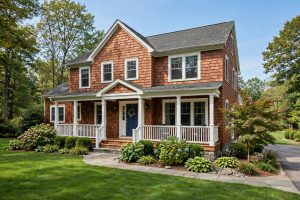
The look is another reason for its rise. Modern panels are cut with deep grain patterns that copy cedar boards, shingles, or smooth stucco. From the curb, most visitors cannot tell the difference between fiber cement and painted wood. The difference shows up twenty years later, when the wood house needs new siding and the fiber cement house needs only a fresh coat of paint.
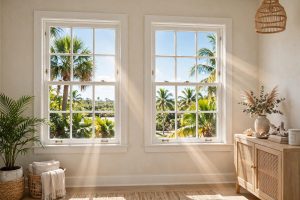
Fiber cement also suits most parts of the country. It stands up to Gulf Coast humidity, to Midwest hail, and to the dry heat of the Southwest. Some makers offer special lines for cold climates, and some panels are sold pre-finished with baked-on color. If you live where winter runs long, you may want to pair new siding with new vinyl replacement windows as part of one full exterior update.
What to Look for When You Buy: Top Rated Fiber Cement Siding Panels Buying Guide
Not all panels are made to the same standard. Keep these points in mind as you shop.
Thickness and weight. Good panels are at least five-sixteenths of an inch thick. Thicker boards resist impact better and lay flatter on the wall. Weight matters too. A dense panel is usually a strong panel.
Finish options. Panels come primed, pre-painted, or raw. Primed panels are the most common and cost the least. Pre-painted panels carry a factory finish with a long warranty, often fifteen to twenty-five years against peeling. Raw panels are rare at the retail level and are best left to pros.
Texture choices. Wood grain is the classic look. Smooth panels suit modern homes. Some lines copy board-and-batten, stucco, or shingle patterns. Pick the texture that fits the style of your house and your street.
Warranties. Top makers back their panels with thirty- to fifty-year warranties against defects. Paint warranties are shorter and separate. Read the fine print. Many warranties require proper installation, which brings us to the next point.
Installer skill. Fiber cement is heavy and brittle. It must be cut with the right blade, nailed to the right studs, and flashed with care around windows and doors. Ask any crew you hire how many fiber cement jobs they have finished. A maker such as James Hardie lists trained contractors on its site. CertainTeed offers similar resources for its siding lines.
Code and fire ratings. If you live near wildfire country or in a city with strict fire codes, ask about the panel’s fire rating. Most fiber cement panels carry a Class A fire rating, the highest level for building materials. Guides from This Old House explain what these ratings mean for a home.
Types of Fiber Cement Siding Panels
Fiber cement siding comes in a few basic forms. Each has its own strengths.
Lap siding. This is the most common form. Long horizontal boards overlap like wood clapboard. It fits ranch homes, farmhouses, and colonials. It is the easiest form to find and the least costly to install.
Shingle panels. These copy cedar shakes. They suit cottages, bungalows, and coastal homes. Some makers sell them as single pieces and some as panels with several courses built in.
Vertical panels and board-and-batten. Vertical lines give a home a taller look. Board-and-batten is a farmhouse favorite. Panels with built-in battens speed up the work.
Stucco-look panels. These carry a sand or swirl texture and suit stucco-style homes in warm states. They give the stucco look without the stucco upkeep.
Trim and soffit pieces. Makers sell matching trim boards, corner pieces, and soffit panels. Using the maker’s own trim keeps the finish and warranty uniform. Family Handyman has plain guides on cutting and fastening fiber cement trim.
Top Rated Brands and Lines
A handful of names lead the field. Here is what buyers report about each.
James Hardie. The best-known name in fiber cement. Its HardiePlank lap siding, HardieShingle siding, and HardiePanel vertical siding set the standard. The ColorPlus pre-finished line carries a fifteen-year finish warranty. Reviewers praise the deep grain and the wide dealer network. It is also the priciest mainstream option.
CertainTeed. Its WeatherBoards fiber cement line wins marks for value. Panels come in a broad range of colors and textures. The warranty runs thirty years on the product. Buyers who want a step down in price from the top brand often land here.
Nichiha. Known for thick architectural panels with bold, modern textures. Its panels are popular on contemporary homes and on commercial buildings. The finish options run from wood grain to smooth concrete looks.
Allura. Sold through many lumberyards and the big home stores. Allura offers lap, shingle, and panel forms with a solid fifty-year warranty on some lines. It is a good mid-price pick.
Regional and store brands. Both Home Depot and Lowe’s stock fiber cement siding from the makers above and from value lines. Prices at the big stores can be lower, but stock and color choices vary by region.
Rating sites such as Consumer Reports, Bob Vila, and The Spruce publish updated siding reviews each year. Check their current scores before you buy, since product lines change. For design ideas, HGTV shows fiber cement homes in many styles.
Cost and Price
Fiber cement siding is a mid-range choice. It costs more than vinyl and less than brick or stone.
Material cost. Expect to pay about five to fourteen dollars per square foot for the panels alone, depending on brand, finish, and texture. Pre-finished panels sit at the high end of the range.
Installed cost. With labor, most American homes run between ten and twenty dollars per square foot installed. A two-thousand-square-foot wall area can total twenty thousand to forty thousand dollars. Complex shapes, tall walls, and old siding removal add to the bill.
What drives the price. Pre-finished color costs more than primer. Shingle and panel forms cost more than lap. Steep or tall walls slow the crew. And skilled fiber cement crews charge more than general siding crews, because the work is harder.
Long-term value. Fiber cement holds its value well at resale. It needs paint only every fifteen to twenty-five years, while wood needs paint every five to seven. When you spread the cost over the life of the siding, it often beats cheaper options. Keep your quotes in writing and compare at least three crews.
How to Choose the Right Panel for Your Home
Start with your house. A brick colonial wants a different look than a cedar cabin. Drive your street and note which siding looks right on homes like yours.
Next, think about climate. In wet states, pick panels with strong moisture resistance and make sure the crew flashes every joint. In cold states, ask about freeze-thaw ratings. In fire zones, lean on Class A panels and non-combustible trim.
Then think about color. Pre-finished panels offer factory colors with long warranties, and the color goes on even and smooth. Site-painted primed panels offer any color you want but need paint sooner. Dark colors on south-facing walls can fade faster, so ask about fade ratings.
Match the small details too. New siding looks best with trim, lighting, and entry details that fit. Many owners finish the job with fresh house number plaques and new porch lights. If your home sits in the South, outdoor wall lanterns for southern states pair well with the deep grain of fiber cement.
Finally, get the install in writing. A good contract names the brand, the product line, the color, the thickness, the flashing method, and the warranty terms. It also states who repairs the landscaping and who hauls the waste.
Care and Upkeep
Fiber cement is low care, not no care. A little attention keeps it sound for decades.
Washing. Wash the siding once a year with a garden hose and a soft brush. A mild soap helps on dirty spots. Keep pressure washers at low settings and hold the wand well back, or you may drive water behind the panels.
Paint. Factory finishes last fifteen to twenty-five years. Primed panels painted on site need new paint every twelve to fifteen years. Use one hundred percent acrylic exterior paint made for fiber cement.
Caulk and joints. Check the caulk around windows, doors, and trim every year. Re-caulk cracks and gaps before water gets in. Leave the small factory gaps between panels open as the maker directs, since they allow for movement.
Ground clearance. Keep at least six inches between the bottom of the siding and the soil or mulch. Siding that sits in dirt wicks up water and can fail early.
Gutters. Clean gutters route water away from the walls. Overflowing gutters splash the siding and stain the finish. Good gutters are cheap insurance for costly siding.
Safety
Fiber cement is safe once it is on the wall. The risk lies in cutting it. The dust from cutting contains silica, which can harm the lungs if breathed in large amounts over time.
Pros should cut outdoors, wear a proper dust mask, and use a dust-collecting saw or shears. Homeowners should stay clear of cutting areas and keep children and pets away. If you plan to do the work yourself, read the maker’s safety sheet first and follow every step. Never dry-sweep the dust. Use a wet mop or a vacuum with a proper filter.
On the wall, fiber cement adds a layer of fire safety. Its Class A rating means it resists flame spread better than wood or vinyl. That matters in fire-prone areas and in tight city lots where houses stand close together.
Frequently Asked Questions
How long does fiber cement siding last? With proper install and care, fiber cement siding lasts fifty years or more. The panels themselves often outlive the paint. Many makers offer fifty-year product warranties, which is among the longest in the siding trade.
Is fiber cement better than vinyl siding? Each has its place. Fiber cement looks more like wood, resists fire better, and holds paint longer. Vinyl costs less up front and needs no paint, but it can crack in cold and melt near heat. Most buyers who plan to stay in a home for twenty years or more pick fiber cement.
Can fiber cement siding be painted? Yes. Primed panels are made to be painted on site. Pre-finished panels can also be repainted when the factory finish wears out. Use high-quality acrylic exterior paint and follow the maker’s prep steps.
Does fiber cement siding add value to a home? It often does. Appraisers and buyers view it as a premium material. It boosts curb appeal and signals low future upkeep, both of which help at sale time.
How much does it cost to side a typical house? For a two-thousand-square-foot wall area, most jobs run between twenty thousand and forty thousand dollars installed. Prices move with brand, finish, region, and the skill of the crew. Always get three written quotes.
Can I install fiber cement siding myself? It is possible for a skilled do-it-yourselfer, but it is hard work. The panels are heavy, brittle, and dusty to cut. Mistakes in flashing cause leaks. Most makers tie their warranties to proper install, so many owners hire a pro and save their energy for paint and trim.
A Short Final Word
Fiber cement siding panels earn their top ratings the honest way. They protect the house, they look like wood, and they ask little in return. Buy from a known maker, pick the texture and finish that suit your home, and hire a crew with real fiber cement experience. Do that, and this top rated fiber cement siding panels buying guide will have done its job: a home that stands strong and looks sharp for decades to come.
References
Bob Vila. (n.d.). Home improvement advice. https://www.bobvila.com CertainTeed. (n.d.). Building materials and exterior products. https://www.certainteed.com Consumer Reports. (n.d.). Product reviews and ratings. https://www.consumerreports.org Family Handyman. (n.d.). DIY home repair and maintenance. https://www.familyhandyman.com HGTV. (n.d.). Home and garden ideas. https://www.hgtv.com James Hardie. (n.d.). Fiber cement siding and exterior products. https://www.jameshardie.com Lowe’s. (n.d.). Home improvement products. https://www.lowes.com The Home Depot. (n.d.). Home improvement products. https://www.homedepot.com The Spruce. (n.d.). Home and garden advice. https://www.thespruce.com This Old House. (n.d.). Home renovation guidance. https://www.thisoldhouse.com
Was this guide helpful?

About Lisa Anderson
The My Garden US editorial team writes practical, in-depth home and garden guides for American homeowners — tested advice, no fluff.