
Introduction
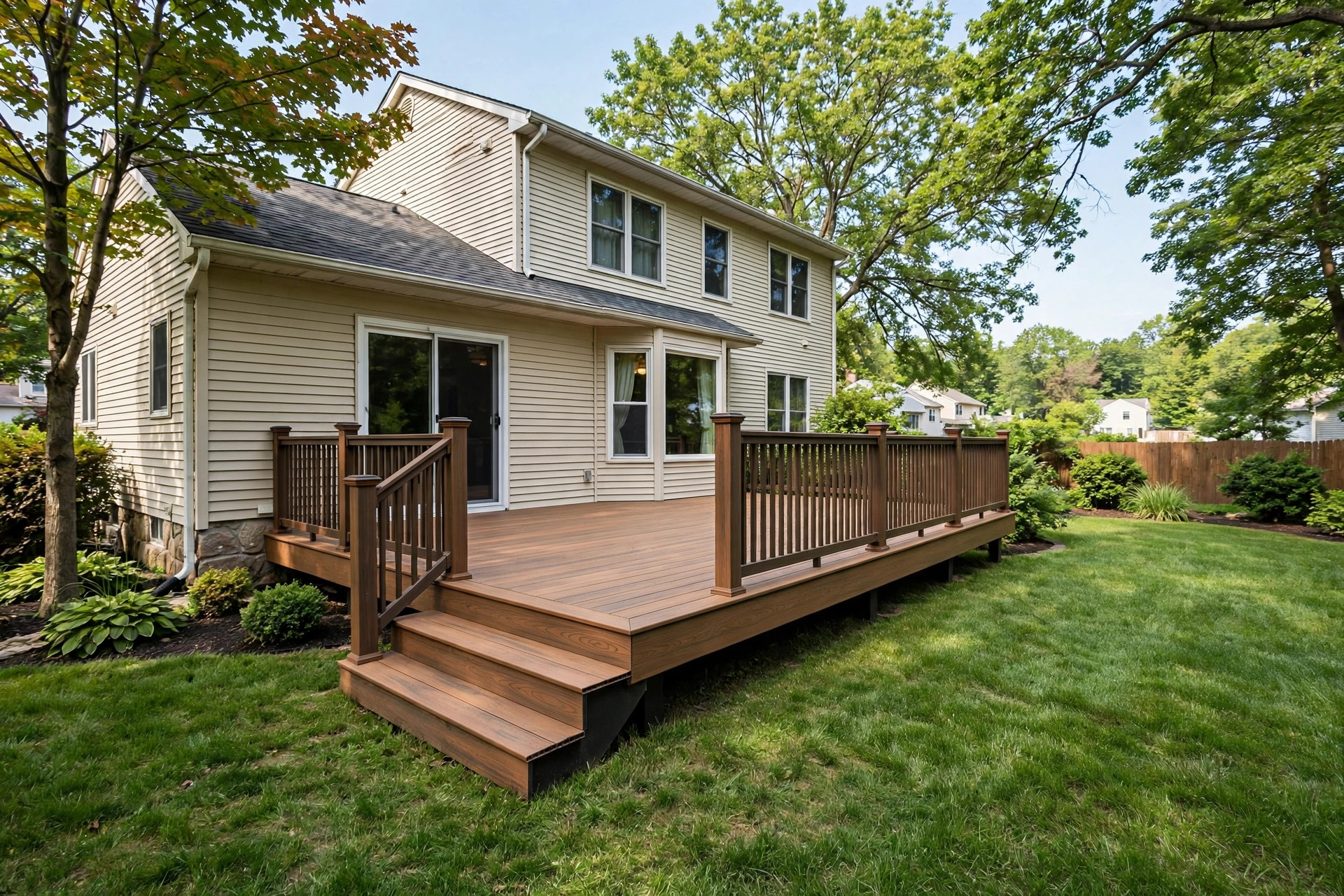
A wood deck brings warmth to a yard. Rain, sun, and snow slowly wear it down. Boards crack in the heat. Nails rise in the cold. Stain peels every two or three years. Many owners grow tired of this cycle. They want a deck that looks good with less work. Weather resistant composite decking materials for sale offer a clear answer. These boards blend wood fiber with plastic. The mix resists rot, insects, and water. It keeps its shape through hot summers and cold winters. This guide explains what composite decking is and how to shop for it. It covers types, prices, upkeep, and safety. It also answers the questions that buyers ask most often. By the end, you will know how to pick boards that fit your home, your budget, and your climate. Whether you plan to build a new deck or replace an old one, the facts below will help you buy with confidence.
Why Weather Resistance Matters: Weather Resistant Composite Decking Materials for Sale
An outdoor deck takes a beating. Sun bleaches the surface. Rain soaks into the boards. Snow piles up in winter. Ice forms in the gaps. Plain wood swells and shrinks with each change. Over time it warps, cracks, and rots. A weather resistant board fights this damage. Composite decking does not soak up water the way wood does. It resists the mold and mildew that grow in damp spots. It stands up to the freeze and thaw cycles that split soft wood.
This matters most in harsh climates. Homes near the coast face salt spray and humid air. Homes in the north face deep snow and ice. Homes in the south face strong sun and heavy storms. Homes in the desert face wide swings between hot days and cold nights. Each climate breaks wood in its own way. A weather resistant deck handles all of them better. The boards keep their strength year after year. They do not splinter, so bare feet stay safe.
There is a money reason too. A deck that lasts twenty-five years costs less per year than a wood deck that needs full replacement in twelve. Fewer repairs mean fewer calls to a contractor. Less staining means fewer weekends lost to upkeep. For busy families, the gain is real. A clean deck also lifts the look of the whole yard. It can add value when the home is sold. Buyers notice outdoor space. A solid deck can help a sale move faster. It can set a home apart from others on the street.
What to Look For When You Choose
Not all composite boards are built the same. Smart buyers study a few key facts before they buy. Start with the cap. Most modern boards carry a polymer cap over the core. The cap blocks stains, scratches, and fading. Capped boards cost more, but they keep their looks longer. Uncapped boards cost less and may stain from food or grease.
Next, study the core. The core mixes recycled plastic with wood fiber or mineral dust. A dense core keeps boards from sagging between joists. Ask the maker for the span rating. The span rating tells how far apart joists can sit. A strong core also keeps screws from pulling out.
Read the warranty with care. Strong brands offer twenty-five years or more against rot, splinter, and fade. Some warranties cover fade only in certain colors. Others limit claims in the first years. Some require the deck to be built to their rules. Read the fine print before you spend.
Think about heat. Dark boards absorb sun and can burn bare feet. Light colors stay cooler. If the deck faces the midday sun, pick a light tone. Ask for a sample board. Lay it in full sun and touch it at noon. That simple test tells more than any chart.
Ask about fasteners. Hidden clip systems leave a smooth surface with no visible screws. They cost more than face screws but look clean. Some systems work only with boards from the same maker. Check that the clips fit the board profile you pick.
Check the fire rating. In dry regions, a Class A fire rating adds safety. Some boards earn this rating. Others do not. If your county has fire rules for decks, bring the rating sheet to the permit office.
Finally, look at traction. Wet boards can be slick. Ask the maker about wet slip tests. Guides at The Spruce explain deck materials in plain terms, and This Old House shows how pro crews frame and finish decks step by step.
Types of Composite Decking Materials
Three main types sit on the market. Capped composite is the most common. It pairs a wood-plastic core with a tough polymer shell. The shell resists stains and sun fade. Most brands sell capped boards as their standard line. They come in many colors and grain patterns. This is the type most shoppers mean when they search for weatherproof composite deck boards.
Hollow core boards weigh less and cost less. They use less material in each board. They suit decks that carry normal loads. They may feel less solid underfoot. They work well for low platforms and ground level patios.
Solid core boards feel more like wood. They weigh more and cost more. They suit busy decks and homes near water. They also suit stairs, where a solid feel matters. They resist dents from dropped tools and furniture.
Surface styles differ too. Grain boards copy the look of real wood. They hide small scratches well. Smooth boards suit modern homes with clean lines. Multi tone boards blend two or three shades. They look more natural than flat color. Wide boards need fewer seams across the deck. That gives a calm, open look.
Color choice is wide. Grays suit modern homes. Browns suit classic homes. Reds and whites suit coastal styles. Makers such as Trex and TimberTech show full color lines and planning tools on their homepages. Buyers who compare pressure treated lumber decking prices often find that composite costs more up front but less over time.
Cost and Price Guide
Composite decking costs more than plain wood at the store. Boards alone often run five to twelve dollars per square foot. Plain wood runs two to six dollars per square foot. Labor adds a large share. A full deck job with framing, boards, railings, and labor can run twenty to forty-five dollars per square foot. A small deck may cost eight thousand dollars. A large deck with stairs and rails can pass twenty thousand.
Several facts move the price. Capped boards cost more than uncapped boards. Hidden fasteners cost more than face screws. Railings, stairs, and lighting add cost. Wide boards and special colors can cost more. The shape of the deck matters. Curves and angles take more labor and more waste.
Region matters too. Labor rates differ across the country. Coastal cities often charge more than rural towns. Season matters. Spring demand can push prices up. Winter sales can bring them down. Buy boards in the off season if you can store them dry.
The long view changes the math. Wood needs stain every two or three years. Each job costs money or a full weekend. Composite needs only soap and water. Over twenty-five years, the total cost can be close. In wet climates, composite can cost less in the end. Big stores such as The Home Depot and Lowe’s list deck board prices online. Local lumber yards can match those prices on full kits. Get quotes that break out boards, fasteners, railings, and labor. That makes it easy to compare. Home owners who plan a full yard project may also look at pergola installation kits to shade the new deck.
Care and Upkeep
Composite decks ask for little care. Sweep them often. Leaves and dirt can trap moisture on the surface. Wash the deck twice a year with warm water and mild soap. A soft brush lifts grime. Rinse with a garden hose. Keep the pressure washer on a low setting. High pressure can scar the cap and void the warranty.
Clean spills soon. Food grease can mark uncapped boards. Move planters now and then. Trapped water under pots can leave rings. Put pot feet under planters so air can flow. Trim plants back so air moves under the deck. Clear gutters so water does not spill onto the boards.
In winter, push snow off with a plastic shovel. Metal edges can scratch the cap. Deicing salt is safe on most boards, but rinse it off in spring. Do not use sand. It grinds into the surface. Check the frame once a year. Look for soft spots on joists and posts. Tighten loose screws. Replace cracked boards before the damage spreads. Family Handyman walks through simple deck upkeep tasks. Bob Vila offers seasonal checklists for outdoor structures.
Safety
Most deck failures come from the frame, not the boards. The ledger board ties the deck to the house. Old nails can pull loose over time. Through bolts or lag screws hold far better. Have a pro check the ledger before you lay new boards on an old frame. This step is vital for low maintenance decking in wet climates, where old wood frames rot faster.
Railings should stand at least thirty-six inches high under most codes. Balusters should sit close enough that a small child cannot slip through. Stairs need solid stringers and even risers. Uneven steps cause trips. Add a handrail on both sides of wide stairs.
Wet leaves make any deck slick. Keep the surface clean in fall. Add lights near steps so they show at night. Pick a light board color in hot climates to protect bare feet. In fire prone regions, ask about Class A rated boards. Building product makers such as James Hardie and CertainTeed publish technical guides on exterior materials. Home owners who repair trim and eaves may also need weather resistant soffit and fascia work to keep water off the deck frame.
Frequently Asked Questions
How long does composite decking last? Most capped composite decks last twenty-five to thirty years. Many makers back this with long warranties. Sun, rain, and snow wear the surface slowly. Good care adds years to the life of the deck. The frame may need work before the boards do.
Can composite boards go on an old wood frame? Yes, if the frame is sound. Have a contractor check the joists, posts, and ledger first. The frame must be level and free of rot. Composite boards can weigh more than wood. The frame must carry the load. Replace any weak members before you start.
Does composite decking get hot in the sun? Yes, it can. Dark colors absorb heat and can burn bare feet. Light colors stay cooler. Some lines use cool touch surface technology. Test a sample board in full sun before you buy. Shade sails and pergolas help too.
Is composite decking slippery when wet? It can be, like any smooth surface. Grain boards grip better than smooth boards. Keep the deck free of leaves and algae. Moss makes the surface slick. Ask the maker about wet traction test results before you choose.
Can I paint or stain composite decking? Paint and stain do not stick well to capped boards. Most makers warn against it. Painting can void the warranty. Pick the color you want at the store. The cap keeps that color for years without new coats.
Where can I buy composite decking boards online? Many home owners now buy composite decking boards online from large home stores and specialty deck suppliers. Compare board prices, shipping fees, and return rules. Order samples first. A small sample board shows the true color and grain.
A Final Word
A deck should be a place of rest, not a source of chores. Weather resistant composite decking materials for sale give home owners a way to build once and enjoy for decades. The boards cost more up front. They pay back in saved weekends and fewer repairs. Shop with care. Compare caps, cores, warranties, and colors. Get quotes from more than one source. Then build a deck that stands up to every season.
References
Bob Vila. (n.d.). Home improvement advice. https://www.bobvila.com CertainTeed. (n.d.). Building materials and exterior products. https://www.certainteed.com Family Handyman. (n.d.). DIY home repair and maintenance. https://www.familyhandyman.com James Hardie. (n.d.). Fiber cement siding and exterior products. https://www.jameshardie.com Lowe’s. (n.d.). Home improvement products. https://www.lowes.com The Home Depot. (n.d.). Home improvement products. https://www.homedepot.com The Spruce. (n.d.). Home and garden advice. https://www.thespruce.com This Old House. (n.d.). Home renovation guidance. https://www.thisoldhouse.com TimberTech. (n.d.). Composite and PVC decking. https://www.timbertech.com Trex. (n.d.). Composite decking and outdoor living. https://www.trex.com
Was this guide helpful?

About Jennifer Lee
The My Garden US editorial team writes practical, in-depth home and garden guides for American homeowners — tested advice, no fluff.
You May Also Like

Professional Grade Exterior Lighting Fixtures for California Apartments
January 13, 2026 0 views
Budget Friendly Exterior House Painting Services Near Me: How to Get a Quality Job for Less
September 30, 2026 0 views
Budget Friendly Pressure Treated Lumber Decking for Sale: A Homeowner Guide
January 21, 2026 0 views