
Every home needs one. A clogged toilet is a problem that will not wait. It happens late at night. It happens on a holiday morning. It happens when guests are in the next room. The right plunger turns a bad moment into a small chore. The wrong plunger turns it into a flood and a phone call to a plumber.
That is why our best plunger for toilets reviews 2026 usa roundup matters. Shoppers in the United States have more choices than ever. Flange plungers. Bell plungers. Accordion plungers. Rubber, plastic, and high-end models with drip trays and wall holders. Prices run from a few dollars to more than forty. Some models work fast and hold a seal. Others bend, slip, and splash water where you do not want it.
This guide reviews the best plunger for toilets options sold in the USA in 2026. It explains the types, what to look for, and how to use one the right way. It also covers costs, care, and safety. Read it now, so you are ready before the next clog.
Why the Right Plunger Matters
A toilet clog is one of the most common plumbing problems in American homes. Most clogs sit in the bowl or in the short bend just below it, called the trapway. A plunger works by pushing and pulling water. The pressure breaks the clog loose. No chemicals. No tools that can scratch the bowl. Just simple physics.
A weak plunger cannot build pressure. The cup folds. The seal breaks. Water splashes over the rim. A good plunger seals tight around the drain hole. It holds firm under force. It clears the clog in a few strokes. That difference is worth real money.
Many homeowners also reach for a plunger first when a bathroom sink or tub drains slow. That is fine. But a toilet plunger and a sink plunger should not be the same tool. Keep one for each. Mark them so no one mixes them up.
What to Look for When You Choose a Plunger: Best Plunger for Toilets Reviews 2026 Usa
Not all plungers are built the same. Here is what separates a good one from a cheap one.
Cup Shape
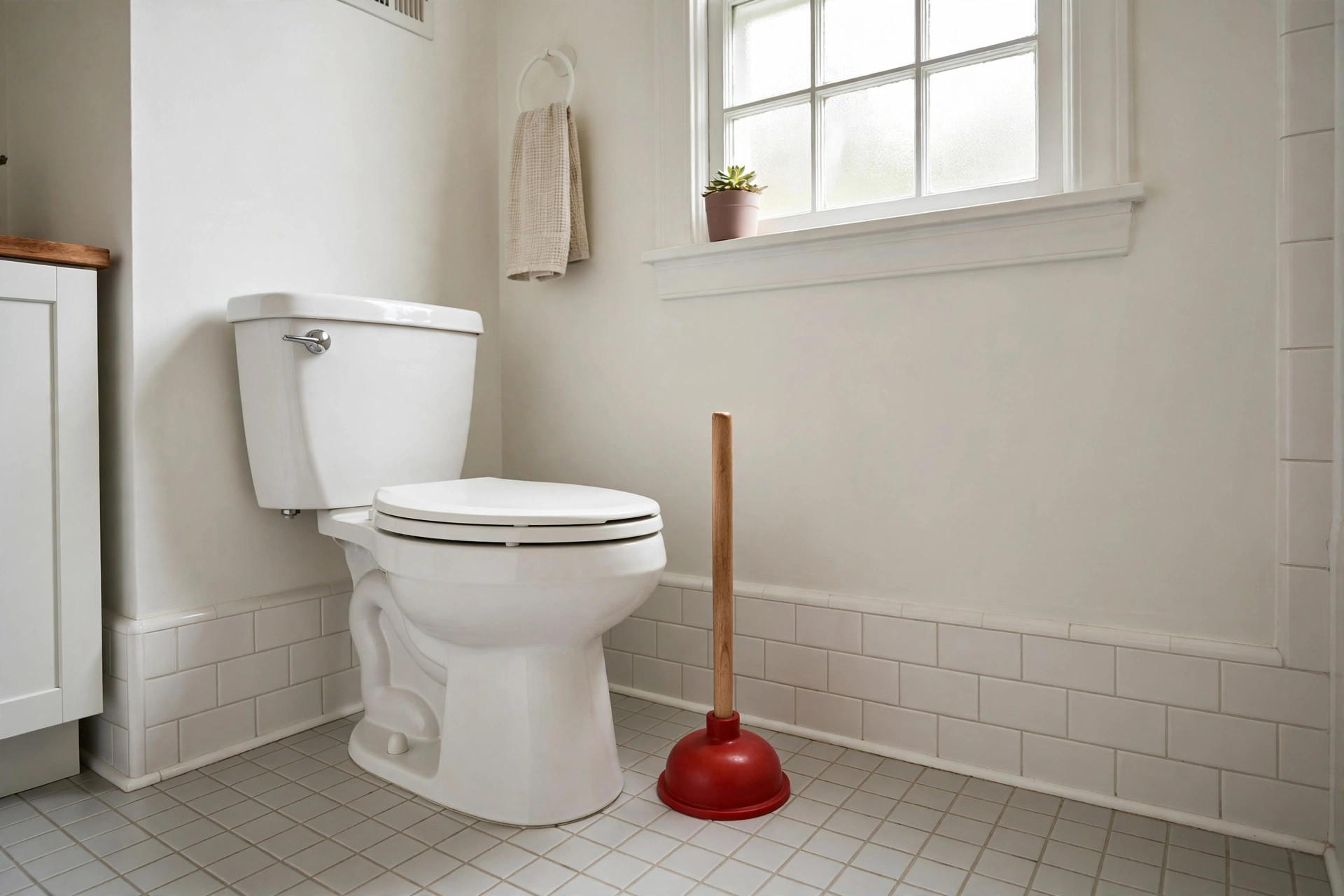
The shape of the cup decides how well it seals. A flat-bottom cup, called a bell or sink plunger, works on flat drains. It does a poor job on a toilet. Toilets need a cup with a flange, which is a fold-out rubber lip. The lip fits inside the toilet drain hole. It seals tight. It builds strong pressure. For toilets, always pick a flange plunger.
Cup Material
Natural rubber is the classic choice. It stays flexible for years. It holds its shape in cold water. Plastic and PVC cups cost less. They work, but they wear out faster. They can crack in cold garages or basements. If you want one plunger that lasts, choose thick rubber.
Handle Length and Grip
A longer handle keeps your hands away from the bowl. Look for handles of 18 inches or more. Wood handles are cheap and strong. Plastic handles resist water damage. Some models have a shaped grip for wet hands. A steady grip means steady pressure.
Drip Tray and Holder
Some plungers come with a drip cup or a wall holder. This keeps the wet cup off the floor. It keeps germs in one place. It is worth the extra dollars if the plunger sits out in a visible bathroom.
Seal and Firmness
Push the cup flat with your hand in the store or read reviews about it. The rubber should bend without folding flat. A cup that folds under light force will fail under real force. Stiff but flexible is the goal.
For general plumbing know-how and repair tips, many American homeowners turn to the guides at Family Handyman.
Types of Plungers Reviewed in 2026
Our best plunger for toilets reviews 2026 usa research looked at every common type sold in the United States. Here is how each one works.
Flange Plunger
This is the standard toilet plunger. The rubber cup has a fold-out lip that seals the curved toilet drain. It builds the strongest pressure of any common type. Most plumbers keep one in the truck. For almost every home, this is the one to buy.
Bell Plunger
The bell plunger has a round, dome-shaped cup with a flat bottom. It seals well on sinks, tubs, and showers. It seals poorly on toilets. Buy one for the bathroom sink. Do not buy it as your toilet plunger.
Accordion Plunger
The accordion plunger is made of hard plastic with a ribbed body. You push it into the bowl and compress it like a bellows. It can move a lot of water. Some people find it works very well. Others find it hard to seat and easy to splash. It costs more than a basic flange plunger.
Beehive Plunger
The beehive plunger has a tall, tapered rubber cup shaped like a beehive. It fits older toilets with small drain openings and newer toilets with larger ones. It is a good choice if you have more than one toilet of different ages.
Toilet Auger
This is not a plunger at all. It is a hand crank with a coiled cable that feeds into the bowl. It breaks up or pulls out clogs that sit deeper in the trapway. A plunger fails when the clog is too deep or too solid. That is when an auger earns its keep. Read more in our toilet auger vs plunger comparison.
Retailers such as The Home Depot and Lowe’s carry all five types in most stores, so you can handle them before you buy.
How We Review: What the 2026 USA Picks Have in Common
For this roundup of the best plunger for toilets reviews 2026 usa, we judged each model on five points: seal quality, cup strength, handle comfort, drip control, and price. The top picks share the same traits.
First, they use thick natural rubber cups that hold a seal on the first try. Second, the handles are long enough to keep hands dry. Third, they come with or fit a drip tray. Fourth, they cost between ten and thirty dollars. Plungers under five dollars often fold and fail. Plungers over forty dollars add style but not much more force.
One honest finding: no single plunger clears every clog. Deep clogs, hardened paper, and objects dropped in the bowl may need an auger or a plumber. A good plunger handles the normal clogs, which are most of them.
How to Plunge a Toilet the Right Way
Many people plunge too fast and too hard. The right method takes patience.
First, stop the water. Take the tank lid off and close the flapper if the bowl keeps rising. Or turn off the valve behind the toilet.
Second, set the cup in the bowl. Let the rubber warm up in the water for a minute. Warm rubber seals better than cold rubber.
Third, seat the flange in the drain hole. Push gently until water covers the cup. This keeps air out and builds pressure in the water.
Fourth, push and pull with slow, firm strokes. Push down, then pull up hard. Keep the seal against the bowl. Ten to fifteen strokes is normal. Fast jabbing breaks the seal and splashes.
Fifth, flush once and watch. If the water drains well, the clog is gone. If it rises, wait a few minutes and try again. Two or three rounds clear most clogs.
Clean the plunger after use. Rinse it in the bowl with a flush of clean water. Add a little bleach to the drip tray. Let it dry before you store it.
The U.S. Environmental Protection Agency offers household water safety guidance that is worth reading alongside any bathroom repair.
Cost and Price Guide
A basic flange plunger costs five to ten dollars at most American stores. A mid-range rubber plunger with a drip tray costs twelve to twenty dollars. Premium models with designer holders or extra-long handles run twenty-five to forty dollars.
A toilet auger costs twenty to fifty dollars for a home model. A plumber visit for a simple clog runs one hundred to two hundred fifty dollars in most United States markets. One good plunger can pay for itself with a single avoided service call.
Buy a spare. Keep one plunger by each toilet. They wear out slowly, but they do wear out. Replace a plunger when the rubber cracks or the cup no longer holds a seal.
For more on household repair budgeting, This Old House publishes clear cost guides for common fixes.
Care and Upkeep
A plunger is a simple tool, but it needs basic care.
Rinse it after every use. Store it in a drip tray or hang it on a hook. Keep it out of direct sun, which dries rubber and makes it crack. Check the cup each year. If it feels stiff or shows cracks, replace it.
Wooden handles can soak up water and rot. Wipe them dry after use. If a wood handle splinters, sand it smooth or buy a new plunger. Plastic handles need less care but can bend under hard force.
Never share a toilet plunger with a sink or a food drain. Buy one for each job. Label them with a marker.
What Paper You Use Matters Too
Toilet paper plays a large role in clogs. Thick paper and too much of it cause more clogs than any plunger can fix. Homes with septic tanks face this most. Special paper that breaks down fast saves a lot of trouble. Read our guide to septic safe toilet paper reviews before you stock up.
Wipes are the other cause. Many wipes are sold as flushable. Plumbers across the country say they are not. They do not break down like paper. They cause clogs and sewer backups. Throw wipes in the trash, not in the toilet.
Manufacturers of toilets and bathroom fixtures, including Kohler, Moen, and Delta Faucet, design bowls for paper only. Follow that rule and your plunger will have far less work to do.
Safety Tips
Plunging is safe when you follow a few rules.
Wear rubber gloves. Toilet water carries germs. Keep children and pets out of the bathroom while you work.
Do not use chemical drain cleaners before you plunge. The chemicals can splash on your skin and eyes. If you already poured a cleaner, wait a full day before plunging, and wear eye protection.
Do not flush again and again while the bowl is full. Each flush can push water over the rim. Fix the clog first, then flush.
Keep a small towel and a bucket nearby. If water does splash, clean it up at once with a disinfectant. Wash your hands well when you finish.
If you rent your home, tell the landlord about repeat clogs. A toilet that clogs every week may have a deeper drain problem. That is the landlord’s repair, not yours.
FAQ: Common Questions About Toilet Plungers
Which plunger works best on a toilet?
A flange plunger works best on a toilet. Its fold-out rubber lip seals the curved drain hole. It builds stronger pressure than a bell or sink plunger. This is the top pick in every serious best plunger for toilets reviews 2026 usa roundup.
How much should I spend on a plunger?
Spend twelve to twenty dollars for a good rubber flange plunger with a drip tray. Cheaper models often fold and fail. More costly models add style but little extra force. A spare for a second bathroom can be a basic ten-dollar model.
When should I use an auger instead of a plunger?
Use an auger when the plunger fails after two or three tries. The clog may sit deep in the trapway or be a solid object. An auger reaches where a plunger cannot. See our toilet auger vs plunger comparison for a full side-by-side guide.
Can I plunge a sink with my toilet plunger?
Do not. Use a separate bell plunger for sinks and tubs. Mixing tools moves germs from the toilet to the sink. A bell plunger also seals better on flat drains. Sinks can clog from grease and hair; our guide on how to unclog garbage disposal safely covers one common kitchen case.
How long does a plunger last?
A good rubber plunger lasts three to five years with normal use. Sunlight, cold, and harsh cleaners shorten its life. Replace it when the cup cracks, stiffens, or stops sealing.
What if the water rises to the rim and will not stop?
Shut off the valve behind the toilet at once. Do not flush again. Plunge carefully, or call a plumber if you are unsure. If water reaches the floor, clean and disinfect it the same day.
Family Handyman has step-by-step bathroom repair photos that many homeowners find useful for a first repair.
A Short Final Word
A plunger is the smallest, cheapest tool in the house. It is also the one you will reach for in a hurry. Buy a good rubber flange plunger now. Keep one by every toilet. Learn the slow, firm stroke. Then the next clog will be a ten-minute chore instead of a bad day.
The 2026 USA market offers strong choices at fair prices. Pick thick rubber, a long handle, and a drip tray. Skip the cheapest models. Skip the fancy ones too. The middle of the range is where the best value sits.
For water quality questions that touch the whole home, Aquasana publishes plain-language guides on filtration options.
References
Aquasana. (n.d.). Water filtration systems. https://www.aquasana.com Delta Faucet. (n.d.). Kitchen and bathroom faucets. https://www.deltafaucet.com Family Handyman. (n.d.). DIY home repair and maintenance. https://www.familyhandyman.com Kohler. (n.d.). Bathroom and kitchen fixtures. https://www.kohler.com Lowe’s. (n.d.). Home improvement products. https://www.lowes.com Moen. (n.d.). Faucets and plumbing fixtures. https://www.moen.com The Home Depot. (n.d.). Home improvement products. https://www.homedepot.com This Old House. (n.d.). Home renovation guidance. https://www.thisoldhouse.com U.S. Environmental Protection Agency. (n.d.). Protecting human health and the environment. https://www.epa.gov
Was this guide helpful?

About Lisa Anderson
The My Garden US editorial team writes practical, in-depth home and garden guides for American homeowners — tested advice, no fluff.
You May Also Like
WaterSense Toilet Rebates Near Me 2026
October 2, 2026 0 views
Burst Pipe Repair Cost Near Me: 2026 Prices and What to Expect
April 27, 2026 0 views
Waterfall Bathroom Faucet Pros Cons: An Honest USA Guide
March 23, 2026 0 views