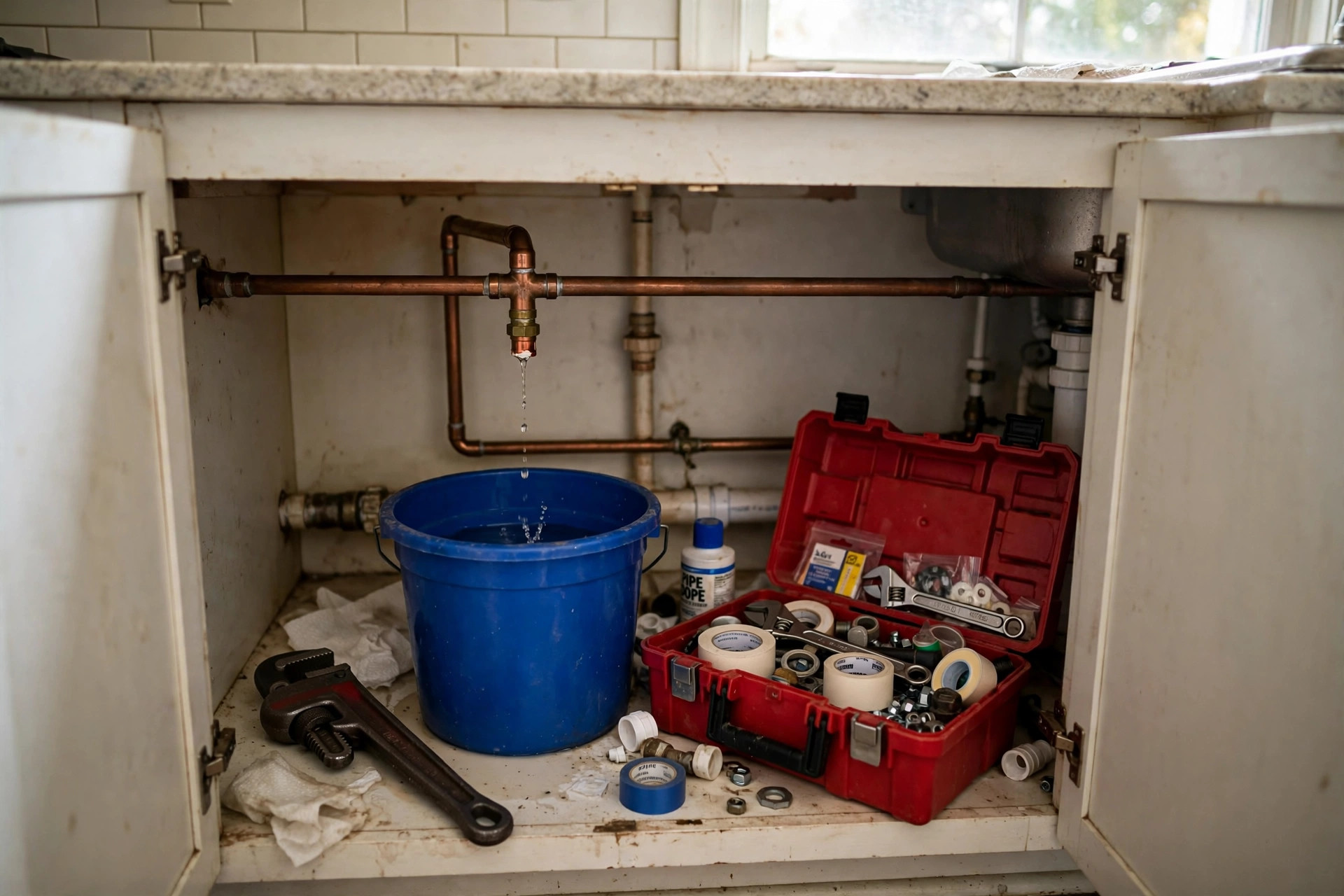

Water does not wait for business hours. A pipe can burst at two in the morning. A drain can back up on a holiday. When that happens, most people reach for a phone and search for an emergency plumber near me 24 hour cost. The first question is simple. How much will it cost to get help right now? This guide answers that question in plain terms. It covers typical fees, what drives the price up or down, and how to keep the bill as low as possible when every minute counts.
Why Speed Matters in a Plumbing Emergency
Water damage grows fast. A small leak can soak drywall, warp floors, and feed mold within a day or two. A burst pipe can pour dozens of gallons per hour into a home. The longer water runs, the higher the repair bill climbs. That is the main reason a 24 hour plumber exists. The service fee is not only for the fix. It is for stopping damage now instead of paying for walls and floors later.
Fast action also protects health. Standing water mixes with dirt, waste, and chemicals. Sewage backup is worse. It can carry bacteria that make people sick. Shutting off water and calling for help right away limits exposure. Guides from This Old House explain why a quick response matters more than a cheap one in these cases.
What Counts as a True Plumbing Emergency: Emergency Plumber near Me 24 Hour Cost
Not every plumbing problem needs a midnight call. Some can wait until morning. Knowing the difference saves money.
A burst or badly leaking pipe is an emergency. Water spreads through ceilings and walls. A sewer backup is an emergency too. It can push waste into tubs, sinks, and floor drains. A gas smell near a water heater is an emergency, though you should call the gas company or fire department first. No hot water is rarely an emergency unless it risks a frozen pipe or a flooded heater tank.
A slow drain, a dripping faucet, or a running toilet can usually wait. The leak is small and the damage is slow. For those jobs, a regular daytime appointment costs far less than an after-hours visit. When you compare a plumber hourly rate near me 2026 usa, daytime rates are always the baseline to measure against.
How to Choose an Emergency Plumber
Panic leads to bad choices. A calm checklist keeps the cost down and the quality up.
Check License and Insurance
Ask if the plumber is licensed and insured before you agree to anything. A license shows the plumber passed state tests. Insurance protects you if the work causes more damage. Unlicensed work may cost less up front, but it can void home insurance claims. The extra safety is worth the price.
Ask About Response Time
A 24 hour plumber should give a clear arrival window. Ask how long the wait will be. Ask if the fee changes based on the hour. Some companies charge one flat emergency fee. Others add a surcharge for nights, weekends, and holidays. Clear answers now prevent a shock on the bill later.
Read Reviews Quickly
You do not have time for deep research at 3 a.m., but a quick check helps. Look at recent reviews on the company website or a trusted review site. Look for mentions of honest pricing and clean work. A pattern of complaints about surprise charges is a red flag. Finding a reliable plumber ahead of time is even better. Save a trusted number in your phone before trouble starts.
Types of Emergency Plumbing Services and Their Prices
Different jobs carry different price tags. Knowing the common ranges keeps you from overpaying.
A burst pipe repair is one of the most common emergency calls. The plumber cuts out the broken section and fits a new piece of pipe. Typical cost runs from 150 to 500 dollars, depending on the pipe location and material. Pipes inside walls cost more because the wall must be opened and patched.
Drain and sewer emergencies cost more. A simple clog cleared with a snake may run 150 to 300 dollars. A main sewer line blockage can run 300 to 600 dollars or more, especially if a camera inspection is needed. Root damage or a collapsed line can push costs into the thousands.
Water heater failures often strike without warning. A leaking tank needs fast shutoff and often replacement. Emergency water heater replacement can cost 1,000 to 2,500 dollars or more, depending on the tank size and type. A repair to a valve or thermostat is cheaper, often 150 to 400 dollars.
An overflowing toilet or a failed wax seal usually costs 150 to 350 dollars for an emergency visit. The fix is often quick once the plumber arrives. Parts from suppliers like The Home Depot or Lowe’s keep the hardware cost low, though you pay for the speed of the visit.
Cost and Price: What You Will Pay
The emergency plumber near me 24 hour cost is built from a few parts. Understanding each part helps you read any quote.
Most companies charge a call-out or dispatch fee. This covers the trip to your home. It often runs 75 to 150 dollars, and it may be higher on holidays. On top of that comes the hourly rate. Emergency hourly rates often run 100 to 250 dollars, compared with 75 to 150 for a normal daytime visit. Many companies instead quote a flat fee per job, which is easier to understand.
Parts add to the total. A new valve, a section of pipe, or a wax ring adds 20 to 150 dollars. A new faucet from a maker like Moen or Delta Faucet can add more, but quality parts last longer. A full toilet from Kohler may be needed if the old one is cracked beyond repair.
Several factors push the price up. Night and holiday hours add a surcharge of 50 to 100 percent over daytime rates. Hard-to-reach pipes add labor time. Water damage that needs cleanup adds cost. Your city matters too. Labor rates run higher in large metro areas than in small towns.
Several factors bring the price down. Some companies waive the call-out fee if you accept the repair. Getting two quotes, even quickly, can reveal an overpriced bid. Asking for a flat quote before work starts locks in the price. Payment by cash or check sometimes earns a small discount.
For comparison, planned upgrades are far cheaper per hour of labor. If you are thinking about long-term water quality, a whole house water filtration cost installed is a scheduled daytime project, not an emergency one, and the labor math shows it.
Care and Upkeep: Preventing the Next Emergency
The cheapest emergency call is the one you never make. Basic care cuts the risk of a midnight flood.
Know where your main water shutoff valve is. Test it twice a year to make sure it turns. In a burst pipe, shutting off water in the first minute can save thousands. Family Handyman offers simple step-by-step guides for finding and testing shutoff valves.
Insulate pipes in cold areas. Basements, crawl spaces, and exterior walls are the danger zones. Foam sleeves are cheap and easy to fit. Keep cabinet doors open under sinks during hard freezes so warm air reaches the pipes.
Watch water pressure. High pressure strains pipes, joints, and valves. A pressure gauge costs a few dollars and screws onto a hose bib. Normal home pressure sits between 40 and 60 psi. If yours runs higher, a pressure regulator pays for itself.
Treat water quality as part of maintenance. Hard water builds scale inside pipes and heaters. Sediment wears valves. A treatment system from a company like Aquasana can reduce buildup and extend the life of pipes and fixtures. The U.S. Environmental Protection Agency also publishes guidance on safe drinking water and household water care.
Have the water heater serviced once a year. Flush sediment from the tank. Check the anode rod. A heater that gets care lasts 10 to 15 years. One that is ignored often fails suddenly, and sudden failure is what brings the emergency plumber to your door at midnight.
Safety Rules During a Plumbing Emergency
Safety comes before savings. Water and electricity are a dangerous mix.
If water is near outlets, switches, or the breaker box, do not step into it. Shut off power to the wet area at the breaker if you can do so from a dry spot. If you cannot, stay out of the water and wait for help.
Shut off the water source. Use the fixture valve first. If it is stuck, use the main shutoff. Move valuables and rugs out of the water path. Open drains can help move water out, but never use a wet vacuum near standing water without checking it is rated for the job.
Sewage backup needs extra care. Keep children and pets away. Wear rubber gloves and boots if you must be near it. Do not try to clean a large backup yourself. A professional has the pumps and protective gear for the job. After the repair, dry the area fully within 48 hours to stop mold. Porous materials soaked by sewage usually need to be thrown out, not cleaned.
If you smell gas, leave the house at once. Do not flip switches. Call the gas company or 911 from outside. A plumber handles pipes, not gas leaks, until the area is declared safe.
FAQ
How much does an emergency plumber near me 24 hour cost on average?
Most emergency visits run 150 to 500 dollars for common repairs. The call-out fee is usually 75 to 150 dollars, and emergency hourly rates run 100 to 250 dollars. Big jobs like sewer line repair or water heater replacement can cost 1,000 dollars or more.
Do emergency plumbers charge more at night and on weekends?
Yes, in most cases. Night, weekend, and holiday calls often add a surcharge of 50 to 100 percent over the normal daytime rate. Some companies use one flat emergency fee no matter the hour. Always ask about the surcharge before the plumber starts work.
Should I try to fix a burst pipe myself before calling?
You should shut off the water right away. That step is safe and saves damage. Beyond that, most people should wait for a professional. A bad repair on a pressurized pipe can fail again within hours and cause more damage than the first leak.
How fast can an emergency plumber usually arrive?
Most 24 hour plumbers promise arrival within one to two hours in metro areas. Rural areas may take longer. Ask for a time window when you call. If the first company cannot come soon, call a second one.
Will my home insurance cover emergency plumbing costs?
It depends on your policy. Sudden damage, like a burst pipe, is often covered. Slow leaks that went unfixed for months are often not covered. Damage from flooding may need separate flood insurance. Call your insurer as soon as the emergency is under control.
How can I lower the cost of an emergency plumber visit?
Ask for a flat quote before work starts. Ask if the call-out fee is waived with the repair. Compare two quick quotes when possible. Shut off the water first so the job is smaller. Join a maintenance plan, since some companies give members lower emergency rates.
A Final Word
The emergency plumber near me 24 hour cost feels high in the moment. It is the price of speed, skill, and a visit at an hour when most people sleep. The bill is easier to accept when you know the parts: a call-out fee, an emergency hourly rate, and parts. Shut off the water fast, ask for a flat quote, and keep a trusted plumber’s number saved. Those three habits turn a crisis into a manageable repair.
References
Aquasana. (n.d.). Water filtration systems. https://www.aquasana.com Delta Faucet. (n.d.). Kitchen and bathroom faucets. https://www.deltafaucet.com Family Handyman. (n.d.). DIY home repair and maintenance. https://www.familyhandyman.com Kohler. (n.d.). Bathroom and kitchen fixtures. https://www.kohler.com Lowe’s. (n.d.). Home improvement products. https://www.lowes.com Moen. (n.d.). Faucets and plumbing fixtures. https://www.moen.com The Home Depot. (n.d.). Home improvement products. https://www.homedepot.com This Old House. (n.d.). Home renovation guidance. https://www.thisoldhouse.com U.S. Environmental Protection Agency. (n.d.). Protecting human health and the environment. https://www.epa.gov
Was this guide helpful?

About Sarah Mitchell
The My Garden US editorial team writes practical, in-depth home and garden guides for American homeowners — tested advice, no fluff.
You May Also Like
Best Water Softener for City Water USA: A Practical Buying Guide
February 11, 2026 0 views
Best Water Softener for Well Water USA: A Complete Buyer Guide
May 24, 2026 0 views
Rain Barrel With Filter Kit Reviews USA: A Homeowner’s Guide
July 6, 2026 0 views