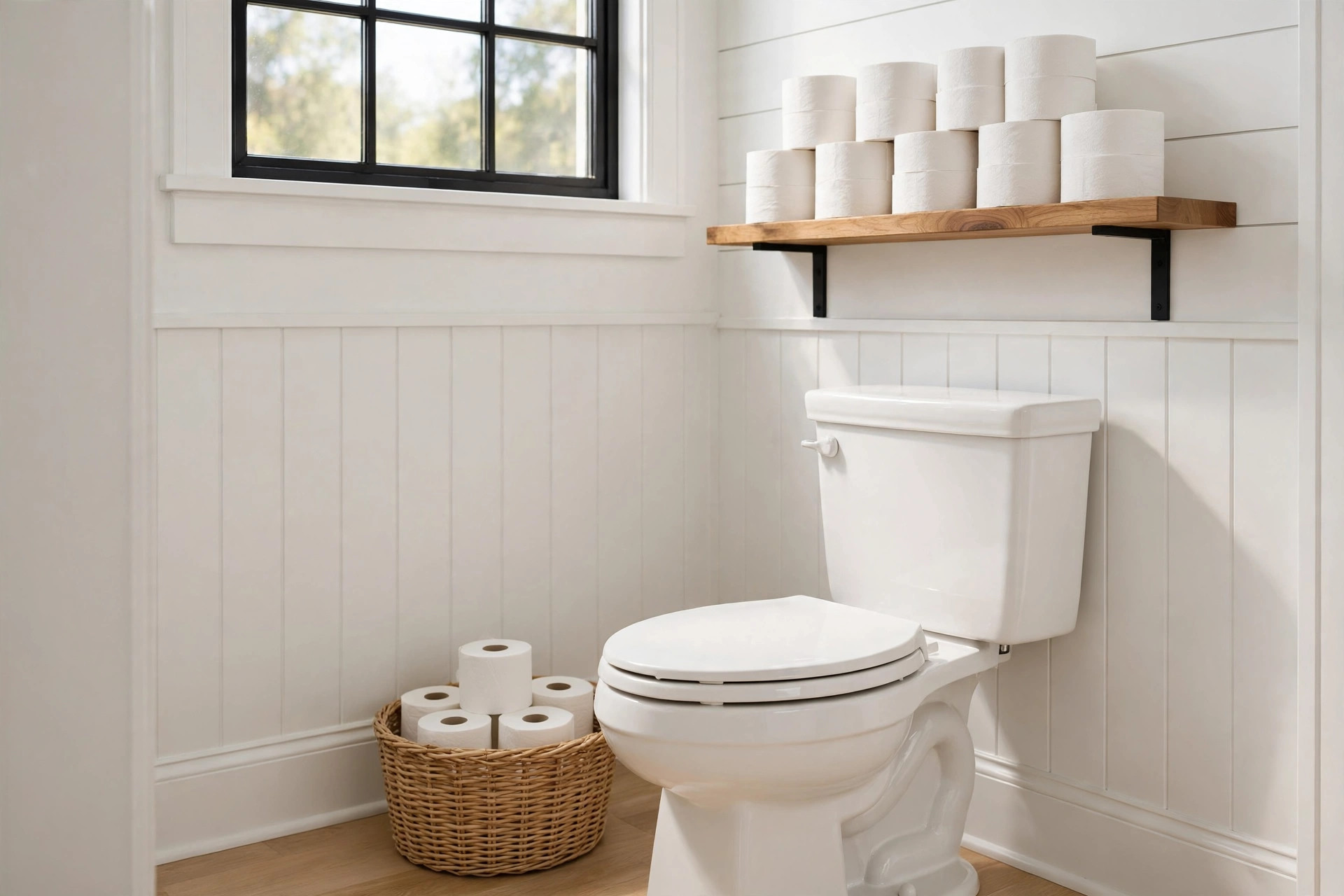

Many homes in the United States use a septic system instead of a city sewer. If you live in one of these homes, you should read septic safe toilet paper reviews USA before you buy your next pack. The wrong toilet paper can clog your tank and pipes. A bad clog can cost you thousands of dollars in repairs. The right toilet paper breaks down fast in water. It keeps your system running well. This guide will help you understand the reviews, pick a brand that fits your budget, and protect your septic tank for years to come.
Why Septic Safe Toilet Paper Matters
A septic system is a small waste treatment plant on your property. Waste water flows from your home into a buried tank. Solid waste sinks to the bottom and forms sludge. Grease and oil float to the top and form scum. Water in the middle flows out to a drain field in the soil. Tiny germs in the tank break down the solids over time.
Toilet paper enters the tank with every flush. Regular thick toilet paper can be slow to break apart. When it fails to break down, it adds to the sludge layer. A thick sludge layer fills the tank too fast. Then solids can escape into the drain field. This can plug the soil. A plugged drain field can fail. Repair or replacement of a drain field can cost five to twenty thousand dollars.
Fast dissolving toilet paper breaks into tiny pieces soon after it gets wet. It moves through the pipes with ease. It settles and breaks down in the tank without adding much bulk. This is why septic safe toilet paper reviews USA matter to rural homeowners, farm families, and anyone with a private septic system. A small change in the bathroom can protect a very large investment in your yard.
Septic systems also serve some small towns and older neighborhoods. Even homes on city sewers can benefit. Old pipes and low flow toilets work best with paper that falls apart fast. The Environmental Protection Agency offers plain facts about how septic systems work and how to care for them. You can read their guides at Environmental Protection Agency before you make any changes to your home.
What to Look for When You Choose: Septic Safe Toilet Paper Reviews Usa
Not every roll that says “septic safe” on the wrapper is a good pick. Reviews in the USA test many brands in real homes. Here is what the tests look at, and what you should check on the shelf.
How Fast It Dissolves
The single most important trait is dissolve speed. Reviewers test this at home. They place a few sheets in a glass of water. They stir the water and watch the clock. Good septic paper starts to fall apart in less than a minute. It turns into a soft pulp in a few minutes.
Paper that holds its shape after five minutes of stirring is a poor choice for septic tanks. It may feel nice in the hand, but it acts the same way inside your pipes. It stays whole. It can catch on pipe joints and rough spots. Over months, it builds up.
Ply Count and Softness Balance
Ply count means the number of layers in each sheet. One ply paper is thin. It dissolves fast. It is often the safest choice for septic systems. Two ply paper is softer. It costs more. It can still work well if it is made to break down fast.
Many septic safe toilet paper brands in the USA offer two ply paper that passes dissolve tests. The best reviews rate both one ply and two ply products. They note which ones stay soft and which ones feel rough. A paper can be soft enough for daily comfort and still dissolve fast. You do not always have to give up comfort.
Labels and Claims You Can Trust
Look for clear words on the pack. “Septic safe” and “safe for septic systems” are the terms to find. Some brands add test proof, such as lab results or tank test notes. Watch out for vague claims like “gentle formula” with no mention of septic systems. Those claims tell you nothing about how the paper acts in a tank.
Reviews in the USA also check for extra chemicals. Dyes, perfumes, and lotions add to the load in your tank. Plain white paper with no added scent is the best pick. It is also kinder to skin.
Types and Options on the Market
The market for septic safe toilet paper has grown wide. Here are the main types you will find in stores and in septic safe toilet paper reviews USA.
Single Ply Septic Paper
Single ply is the classic pick for septic tanks. It is thin. It dissolves fast. It is often the least costly option per roll. Many plumbing experts list it as the safest default. The main downside is comfort. It can feel rough. It can also tear during use. Families with young children may need to use more sheets per visit, which partly offsets the cost savings.
Two Ply Septic Paper
Two ply septic paper tries to give you softness and safety together. Makers use shorter fibers that pull apart fast in water. Reviews show a wide gap between brands. Some two ply products dissolve nearly as fast as one ply. Others stay thick and whole. This is why reading reviews matters so much. Never trust a thick feel alone. Test it yourself with the water glass method.
Recycled Septic Paper
Recycled paper is made from used paper stock. It is a good choice for the environment. Most recycled brands dissolve well because the fibers are already short. Reviews praise them for low cost and wide availability. Some users note a rougher feel and a slightly gray color. If that does not bother you, recycled paper is one of the best value picks for septic homes.
Bamboo Toilet Paper
Bamboo paper is a newer option in the USA. Bamboo grows fast and needs little water. Makers market it as a green pick. Most bamboo brands carry a septic safe label. Reviews give mixed results on dissolve speed. Some brands pass the water glass test with ease. Others act more like premium thick paper. Prices run higher than standard brands. If you want bamboo, check reviews for that exact brand before you buy in bulk.
You can compare prices and read product details at large home stores. Home Depot and Lowe’s both stock several septic safe brands and list customer ratings online. Makers of bathroom fixtures such as Moen, Kohler, and Delta Faucet also publish helpful guides about water use and plumbing care that go well with a septic safe routine.
Cost and Price
Price is a real factor for every household. Here is what you can expect to pay in the USA.
Single ply septic paper often costs between five and eight dollars for a pack of twelve large rolls. Two ply septic safe brands often run between ten and sixteen dollars for twelve rolls. Recycled brands sit in the low to middle range. Bamboo brands are the priciest, often twenty dollars or more for twelve rolls.
To compare fairly, check the price per sheet or per square foot. Packs list total sheets on the wrapper. A cheap pack with small rolls may cost more per use than a pricier pack with large rolls. Reviews often do this math for you.
Think about the big picture too. A septic tank pump out costs three hundred to six hundred dollars. A drain field repair can cost thousands. Spending a few extra dollars per month on paper that dissolves fast is cheap insurance. Many homeowners find that the best toilet paper for septic systems pays for itself by stretching the time between pump outs.
Watch for sales at warehouse clubs and drug stores. Buying in bulk cuts the cost per roll. Just test one pack first. Buy a large case only after you confirm the brand dissolves fast in your water glass test.
Care and Upkeep for Your Septic System
Toilet paper is only one part of septic care. These habits keep your whole system healthy.
Pump your tank on schedule. Most tanks need pumping every three to five years. A home with many people may need it more often. A service pro can measure sludge and scum levels and tell you when pumping is due. Guides from This Old House explain the pumping process in plain terms.
Never flush anything but human waste and toilet paper. Wet wipes are the worst offender. Even wipes marked “flushable” do not break down like toilet paper. They are a leading cause of septic clogs. Also keep out paper towels, cotton balls, dental floss, and feminine products. Put them in the trash.
Spread out your water use. Long showers, many loads of laundry, and a dishwasher running all at once can flood the tank. Give the tank time to settle between heavy water uses. Fix leaky faucets fast. A single dripping tap can add hundreds of gallons to your tank each month. Water treatment firms like Aquasana note that steady, moderate water use helps every part of a home water system work better.
Protect your drain field. Do not drive or park cars over it. Do not plant deep rooted trees near it. Keep rain water drainage away from the area. The soil in the drain field does the final cleaning of the water. If the soil gets packed down or soaked, it cannot do its job.
Keep records. Write down each pump out date, each repair, and each product change. Good records help a service pro spot trends. They also help when you sell the home. Buyers like to see a well kept septic history.
For step by step repair and upkeep advice, many homeowners trust Family Handyman. Their plumbing articles cover pipes, tanks, and drains in simple language.
Safety Notes
Septic safe paper is gentle, but a few safety points still apply.
Choose unscented paper when you can. Added perfumes and lotions can irritate skin. They also add chemicals to your tank that the germs must work through. Plain paper is the safest for both people and tanks.
Store extra rolls in a dry place. Damp paper can grow mold. A closed cabinet or a lidded bin in the bathroom works well. Keep bulk packs off a damp garage floor.
Teach children what can go in the toilet. Young kids may flush toys, wipes, or whole rolls of paper. A short talk and a trash can next to the toilet can prevent a costly service call.
If someone in the home has a skin condition or allergy, pick a brand with no dyes and no added lotion. The simplest paper is often the kindest to sensitive skin.
Related home water topics can help you care for the whole system. See our guide on the best water softener for city water usa if hard water is a problem in your home, our notes on the best under sink filter for apartments usa for cleaner drinking water, and our review of the best sump pump for crawl space usa to keep ground water away from your foundation.
Frequently Asked Questions
What makes toilet paper septic safe?
Septic safe toilet paper is made to break apart fast in water. It uses short fibers that separate soon after flushing. This keeps the paper from building up in the tank or clogging the drain field. The pack should state “septic safe” clearly.
Is one ply or two ply better for septic tanks?
One ply dissolves fastest and is the safest default. Two ply can work well if it is made with fast breaking fibers. Always test a two ply brand with the water glass method before you switch. Many septic safe toilet paper reviews USA rate specific two ply brands as safe, so you do not have to guess.
Can I use regular toilet paper with a septic system?
You can, but it is risky. Regular thick paper breaks down slowly. Over time it adds to sludge and raises the chance of clogs. If your tank is small or your drain field is old, the risk is higher. Septic safe paper costs only a little more and gives much better protection.
How do I test toilet paper at home?
Put three or four sheets in a glass of water. Stir with a spoon. Time how long the paper takes to fall apart. Good septic paper starts to break in under a minute and turns to pulp in a few minutes. Paper that stays whole after five minutes is a poor pick.
Do “flushable” wipes work with septic systems?
No. Most wipes do not break down like toilet paper. They cause clogs in pipes and tanks. Plumbers and septic pros rank wipes as one of the top causes of service calls. Throw wipes in the trash, even if the pack says flushable.
How often should I pump my septic tank?
Most homes need pumping every three to five years. Large families and small tanks need it more often. Ask your service pro to measure sludge levels at each visit. Regular pumping plus fast dissolving paper is the best way to avoid big repair bills.
Final Word
The reviews agree on the main point. The best toilet paper for septic systems is the paper that falls apart fast in water. Brand names matter less than dissolve speed, plain ingredients, and a clear septic safe label. Test any new brand at home with a glass of water. Pair good paper with smart habits: pump on schedule, flush only waste and paper, and spread out water use. These small steps protect your tank, your yard, and your wallet. A little care in the bathroom today can save you a very large bill tomorrow.
References
Aquasana. (n.d.). Water filtration systems. https://www.aquasana.com Delta Faucet. (n.d.). Kitchen and bathroom faucets. https://www.deltafaucet.com Family Handyman. (n.d.). DIY home repair and maintenance. https://www.familyhandyman.com Kohler. (n.d.). Bathroom and kitchen fixtures. https://www.kohler.com Lowe’s. (n.d.). Home improvement products. https://www.lowes.com Moen. (n.d.). Faucets and plumbing fixtures. https://www.moen.com The Home Depot. (n.d.). Home improvement products. https://www.homedepot.com This Old House. (n.d.). Home renovation guidance. https://www.thisoldhouse.com U.S. Environmental Protection Agency. (n.d.). Protecting human health and the environment. https://www.epa.gov
Was this guide helpful?

About Lisa Anderson
The My Garden US editorial team writes practical, in-depth home and garden guides for American homeowners — tested advice, no fluff.
You May Also Like
Handheld Bidet Sprayer Installation Guide for USA Homes
February 7, 2026 0 views
How Often to Change RO Filters: A Complete USA Guide
June 25, 2026 0 views
Best Water Softener for Well Water USA: A Complete Buyer Guide
May 24, 2026 0 views