
Clean drinking water matters in every home. Many families buy bottled water. Others use pitcher filters. Both cost money over time. Both make waste. A reverse osmosis system offers a better path. It cleans tap water at the sink. It removes most dissolved solids. It takes out lead, fluoride, chlorine taste, and many other unwanted things.
The best tankless reverse osmosis system usa models do this job without a bulky storage tank. Older systems kept a large tank under the sink. The tank held filtered water. It took up space. It could also grow stale water if left unused. Tankless systems skip the tank. They filter water on demand. You turn the faucet and fresh water flows. This guide explains what these systems are, how they work, what to look for, and what they cost in the United States.
Why Tankless Systems Matter
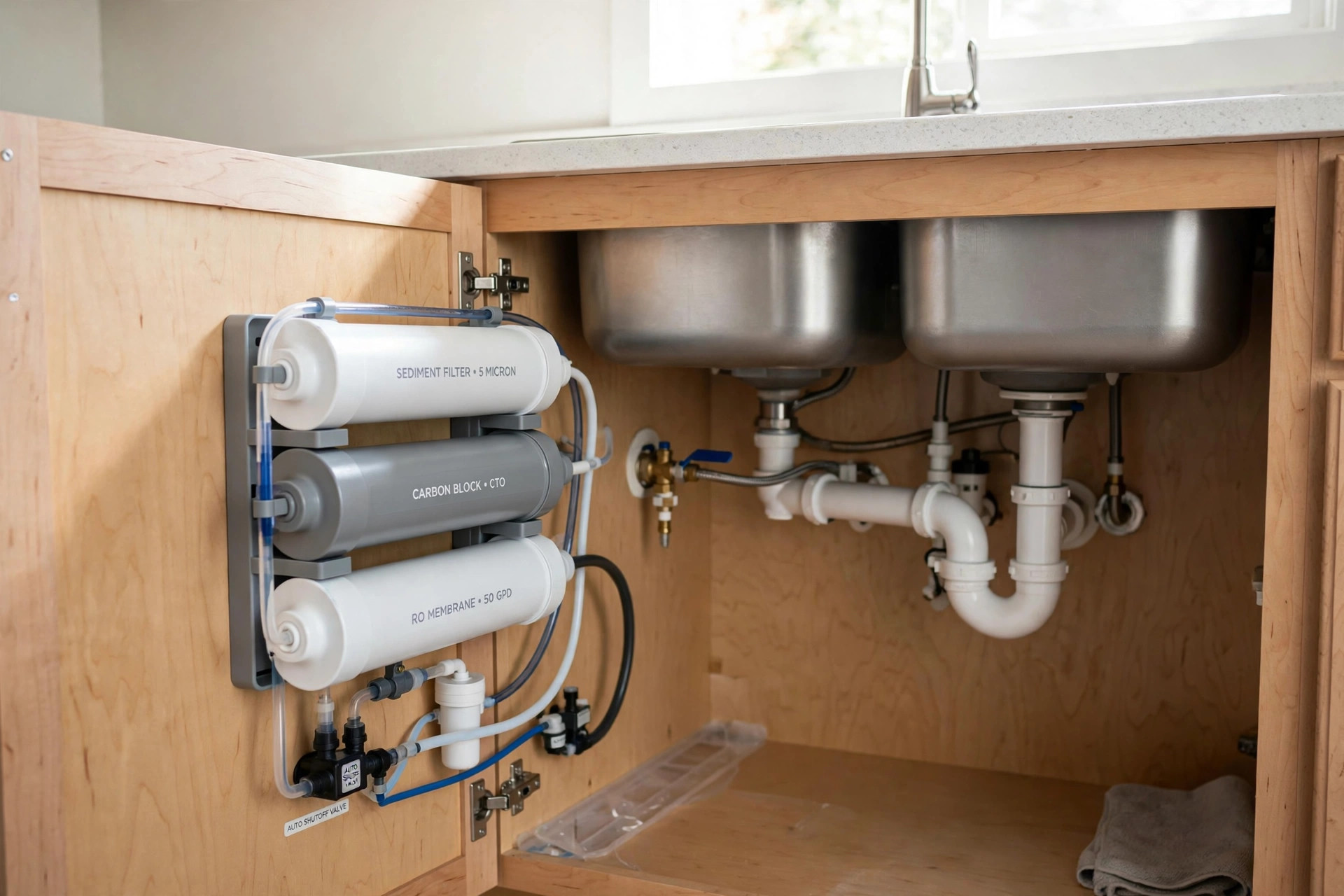
Space under a kitchen sink is valuable. Most homes store cleaning bottles, a trash bin, and plumbing pipes there. A traditional reverse osmosis tank can eat half of that space. Tankless designs free it up. They are slim. They mount to the cabinet wall. The difference is clear the first time you open the cabinet.
Freshness is another gain. Water that sits in a tank can lose its crisp taste. Tankless systems make each glass fresh. The water passes through the filters only when you need it. Many owners say the taste is better. It is also safer from a hygiene view. Less standing water means fewer chances for bacteria to grow.
Waste water is a third point. Reverse osmosis always sends some water to the drain. That is how it flushes away the contaminants. Older tank systems could waste three or four gallons for each gallon of clean water. Many new tankless models waste far less. Some reach a ratio near one to one. That saves water and lowers the water bill.
How Tankless Reverse Osmosis Works: Best Tankless Reverse Osmosis System Usa
Reverse osmosis is a simple idea. Water is pushed through a very fine membrane. The membrane blocks most dissolved particles. Clean water passes through. Dirty water goes to the drain. The process removes a wide range of contaminants. These include lead, arsenic, nitrates, fluoride, sodium, and many pesticides. It also removes the chlorine taste that city water often carries.
The Stages of Filtration
Most systems use three or four stages. The first stage is a sediment filter. It catches rust, sand, and dirt. The second stage is a carbon filter. It removes chlorine and bad taste and odor. The third stage is the reverse osmosis membrane. This is the heart of the system. It blocks up to 99 percent of dissolved solids. Some systems add a final carbon polish filter. That step makes the water taste fresh.
Why Tankless Is Different
Tankless systems use a strong pump. The pump pushes water through the membrane fast. This speed makes a storage tank unnecessary. The system can fill a glass in seconds. A flow meter often controls the pump. It runs only when the faucet opens. When the faucet closes, the pump stops. This on-demand design saves energy too. Nothing runs while you sleep.
Many tankless models also include smart features. A small display may show filter life. Some units beep or flash when a filter needs changing. These features help owners who forget dates. They take the guesswork out of maintenance.
What to Look for When You Choose
Shopping for the best tankless reverse osmosis system usa wide can feel confusing. Many brands make bold claims. Focus on the facts below. They matter more than marketing words.
Water Flow Rate
Flow rate tells you how fast water comes out. It is measured in gallons per day. A good tankless system makes 400 to 800 gallons per day. That sounds like a lot. In real terms, it fills a glass in a few seconds. A family of four needs at least 400 gallons per day. Larger families or heavy cooks may want 600 or more. A slow system will frustrate you. Check this number first.
Waste Water Ratio
The drain ratio tells you how much water goes to waste. A ratio of 1:1 means one gallon of waste for one gallon of clean water. A ratio of 2:1 wastes twice as much. Lower is better. Modern tankless systems often reach 1:1 or even better. The drinking water standards set by the federal government do not cover waste ratios. But saving water is good for your bill and for the planet.
Filter Life and Cost
Filters wear out. Sediment and carbon filters may last six to twelve months. The membrane may last two to three years. Check the replacement cost before you buy. Some brands sell cheap systems with costly filters. Add up three years of filter costs. Then compare. The true cost of ownership often decides which unit is the best deal.
Size and Fit Under the Sink
Measure your cabinet before you order. Most tankless units are compact. But pipes and garbage disposals take space too. Leave room for filter changes. You need to twist filters out and in. A cramped cabinet makes this hard. Most makers list the unit height, width, and depth. Write your cabinet numbers down. Compare before you buy.
Certifications
Look for third-party testing. NSF International tests water filters in the United States. Its marks show that a product does what it claims. Common marks include NSF/ANSI 42 for taste and NSF/ANSI 58 for reverse osmosis. A system with these marks has passed real lab tests. Independent product testing groups also review water filters. Their reports can help you compare brands.
Types and Options You Will Find
Tankless reverse osmosis systems come in a few styles. The basic style has three stages. It suits most city water. It removes the common contaminants. The price is moderate. Many homes need nothing more.
A four-stage style adds a remineralization filter. Reverse osmosis removes minerals along with contaminants. Some people miss the taste of minerals. A remineralization stage adds back calcium and magnesium. It can also raise the pH slightly. This style costs more. It suits those who like the taste of spring water.
A high-flow style serves large homes. It may produce 800 gallons per day or more. It fills pots fast. It suits families who cook a lot. It also suits homes with two kitchens. The price is higher. The filters are larger.
Some systems add ultraviolet light. UV kills bacteria and viruses. This helps homes on well water. City water is already disinfected. Well water may not be. If your water comes from a well, test it first. Then decide if UV is worth the extra cost.
When you compare styles, it helps to read reverse osmosis system under sink reviews from American buyers. Real owner reports show how a unit performs after a year of daily use.
Cost and Price in the USA
Tankless reverse osmosis systems cost more than pitcher filters. They cost less than many whole-house systems. In the United States, prices run from about 200 dollars to 700 dollars. Basic three-stage units sit near the low end. High-flow or multi-feature units sit near the high end.
Installation adds cost if you hire a plumber. A plumber may charge 150 to 300 dollars for the job. Many owners install the unit themselves. The job takes one to two hours with basic tools. Makers include clear manuals. Online DIY plumbing guides also walk through the steps.
Yearly filter costs run 80 to 200 dollars. The membrane is the costly part. It lasts years, so the yearly average stays fair. Compare this with bottled water. A family that buys two cases a week spends over 500 dollars a year. The system pays for itself in one to two years. After that, it saves money.
If your needs go beyond drinking water, you might also look at a whole house water filter system for every tap in the home. Those systems treat all incoming water. They cost more. They solve different problems, like hard water spots and dry skin.
Installation: What to Expect
Most tankless systems install under the kitchen sink. The kit includes the filter unit, a dedicated faucet, tubing, and fittings. You connect the unit to the cold water line. You add a drain saddle to the sink drain pipe. You mount the small faucet on the sink or countertop. Then you flush the system and check for leaks.
You need a few tools. A wrench, a drill, and a bucket cover most jobs. The cold water shutoff valve must work. If your valve is old and stuck, replace it first. A home improvement buying guide can help you pick the right fittings and valves for the job.
Renters should ask the landlord first. The install drills a small hole for the faucet. Some landlords allow it. Others do not. A countertop model may be an option for renters. It needs no drilling. It costs more and takes counter space.
Care and Upkeep
Tankless systems need little care. The main task is filter changes. Follow the maker schedule. Do not stretch filter life too far. Old filters let contaminants through. They also slow the flow. Mark the change dates on a calendar. Or use the smart alerts if your unit has them.
Wipe the unit now and then. Check the tubing for kinks. A kinked tube slows water. It can also wear out and leak. Look under the sink every few months. A small drip caught early is a small fix. A drip found late can ruin a cabinet floor.
Sanitize the system once a year. Some makers sell a sanitize kit. The process takes about thirty minutes. It keeps the water path clean. Homes on well water should do this more often. Well water carries more bacteria than city water.
Keep a spare set of filters on hand. When the alert sounds, you can change them at once. Ordering takes days. Running on dead filters for a week is not wise. Spare filters cost less when bought in a pack.
Safety Notes
Reverse osmosis water is safe to drink. The process is used worldwide. It is approved for home use in the United States. The water is very pure. It will not harm healthy adults or children.
One note concerns mineral intake. The system removes calcium and magnesium. These minerals also come from food. A normal diet covers the gap. If you worry, choose a remineralization model. Or eat mineral-rich foods like greens and nuts.
Another note concerns the drain connection. The waste line must have an air gap. This stops dirty drain water from flowing back into the clean system. Most kits include an air gap faucet. Do not skip this part. It is a health rule in many states. Federal water guidance explains why backflow prevention matters in home plumbing.
Pair the system with a good kitchen faucet. A quality faucet lasts longer and drips less. Makers like Moen, Kohler, and Delta Faucet sell faucets that fit well with under-sink filter setups. A matching finish makes the sink area look clean.
Frequently Asked Questions
How long does a tankless reverse osmosis system last?
The unit itself can last ten to fifteen years. Filters need regular changes. The membrane needs changing every two to three years. Pumps and electronics may need service after many years. Good care extends the life. Buy from a brand with a strong warranty. Five years of coverage is a good sign.
Does it remove fluoride from water?
Yes. Reverse osmosis removes most fluoride. Lab tests show removal rates above 90 percent. This matters to families who want fluoride-free water for children. If you want fluoride kept in, reverse osmosis is not the right choice. A simple under sink water filter with carbon only will keep fluoride while improving taste.
How much water does it waste?
It depends on the model. Older designs wasted three gallons per gallon of clean water. Modern tankless models waste much less. Many reach a 1:1 ratio. A few reach even better. Check the spec sheet before you buy. The ratio is usually printed there.
Can I install it myself?
Most owners can. The job needs basic tools and care. Read the manual fully first. Watch one install video if you are unsure. If your plumbing is old or unusual, hire a plumber. A bad connection can flood a cabinet. Home improvement advice sites show what good under-sink plumbing looks like.
Does tankless mean no waiting for water?
Almost. The pump starts when you open the faucet. Water flows in one to two seconds. There is no tank to refill. You never run out of filtered water during cooking. This is the main comfort gain over tank systems.
Is the water too pure to drink?
No. Very pure water is safe. Some people find it tastes flat. A remineralization filter fixes the taste. Your body gets minerals from food, not mainly from water. Doctors do not warn against drinking reverse osmosis water.
A Final Word
The best tankless reverse osmosis system usa shoppers can buy is the one that fits their home, their water, and their budget. Measure your space. Test your water. Compare flow rates and waste ratios. Count the true yearly cost. Then choose. A good system gives years of clean, fresh water at the turn of a tap. It cuts plastic waste. It saves money over bottled water. For most American kitchens, it is a sound upgrade.
References
Consumer Reports. (n.d.). Product reviews and ratings. https://www.consumerreports.org Delta Faucet. (n.d.). Kitchen and bathroom faucets. https://www.deltafaucet.com Family Handyman. (n.d.). DIY home repair and maintenance. https://www.familyhandyman.com Kohler. (n.d.). Bathroom and kitchen fixtures. https://www.kohler.com Moen. (n.d.). Faucets and plumbing fixtures. https://www.moen.com The Home Depot. (n.d.). Home improvement products. https://www.homedepot.com This Old House. (n.d.). Home renovation guidance. https://www.thisoldhouse.com U.S. Environmental Protection Agency. (n.d.). Protecting human health and the environment. https://www.epa.gov
Was this guide helpful?

About James Carter
The My Garden US editorial team writes practical, in-depth home and garden guides for American homeowners — tested advice, no fluff.
You May Also Like
Stainless Steel Sink Gauge Comparison Guide
January 19, 2026 0 views
Jetted Tub vs Soaking Tub Comparison USA: A Simple Guide for Homeowners
May 27, 2026 0 views
Low Well Water Pressure Solutions for Homes
February 24, 2026 0 views