A tidy bed edge changes the whole look of a yard. Grass stops creeping into the flowers. Mulch stays where it belongs. The line between lawn and bed looks sharp and clean. Many gardeners spend hours each season keeping beds neat, and the tool they use makes all the difference. The best garden tool for edging beds is not the same for every yard. A small flower bed needs a different tool than a long fence line. This guide explains the main types, what to look for, what they cost, and how to use them safely.
Why a Clean Edge Matters
A bed edge is more than a pretty line. It holds mulch in place during rain. It keeps grass roots from moving into the bed. It gives the yard a planned, cared-for look that visitors notice at once. Without a good edge, beds blur into the lawn over a few weeks of growth.
Good edges also help plant health. Grass competes with flowers and shrubs for water and food. A cut edge breaks the grass root mat and stops it from stealing moisture from the bed. Many gardeners find that beds with clean edges need less weeding.
A proper edging tool makes the work fast. A spade can cut an edge, but it takes effort and the line often comes out wavy. Tools made for edging cut deeper and straighter with less work. For anyone who keeps beds every year, the right tool pays for itself in saved time.
What to Look for When You Choose: Best Garden Tool for Edging Beds
Picking the best garden tool for edging beds starts with knowing your yard. These points will guide the choice.
Bed size and length. A short edge around one bed calls for a hand tool. A long edge along a driveway or fence calls for power. Measure the total length you plan to edge. This number decides how much effort the job will take.
Soil type. Hard clay needs a sharper, stronger blade. Loose sandy soil cuts easily with almost any tool. Rocky soil calls for a heavy blade that will not bend or chip.
Your strength and comfort. Hand edgers need a good push from the legs and back. Powered trimmers are lighter in the arms but vibrate and make noise. Choose a tool you can hold and use for the full job without strain.
Edge style. A straight vertical cut works well for most beds. A curved, natural edge suits cottage gardens. Some tools cut deeper and hold a trench shape better than others.
Budget. Manual tools cost much less than powered ones. Think about how often you will edge. Once or twice a year makes a hand tool a fine buy. Monthly edging may justify a powered trimmer.
Blade quality. Look for hardened steel blades. They hold an edge longer and resist rust. A cheap soft blade dulls fast and makes the work harder.
Types of Edging Tools
Several tool types serve this task. Each has a place in the garden.
Half-Moon Edger
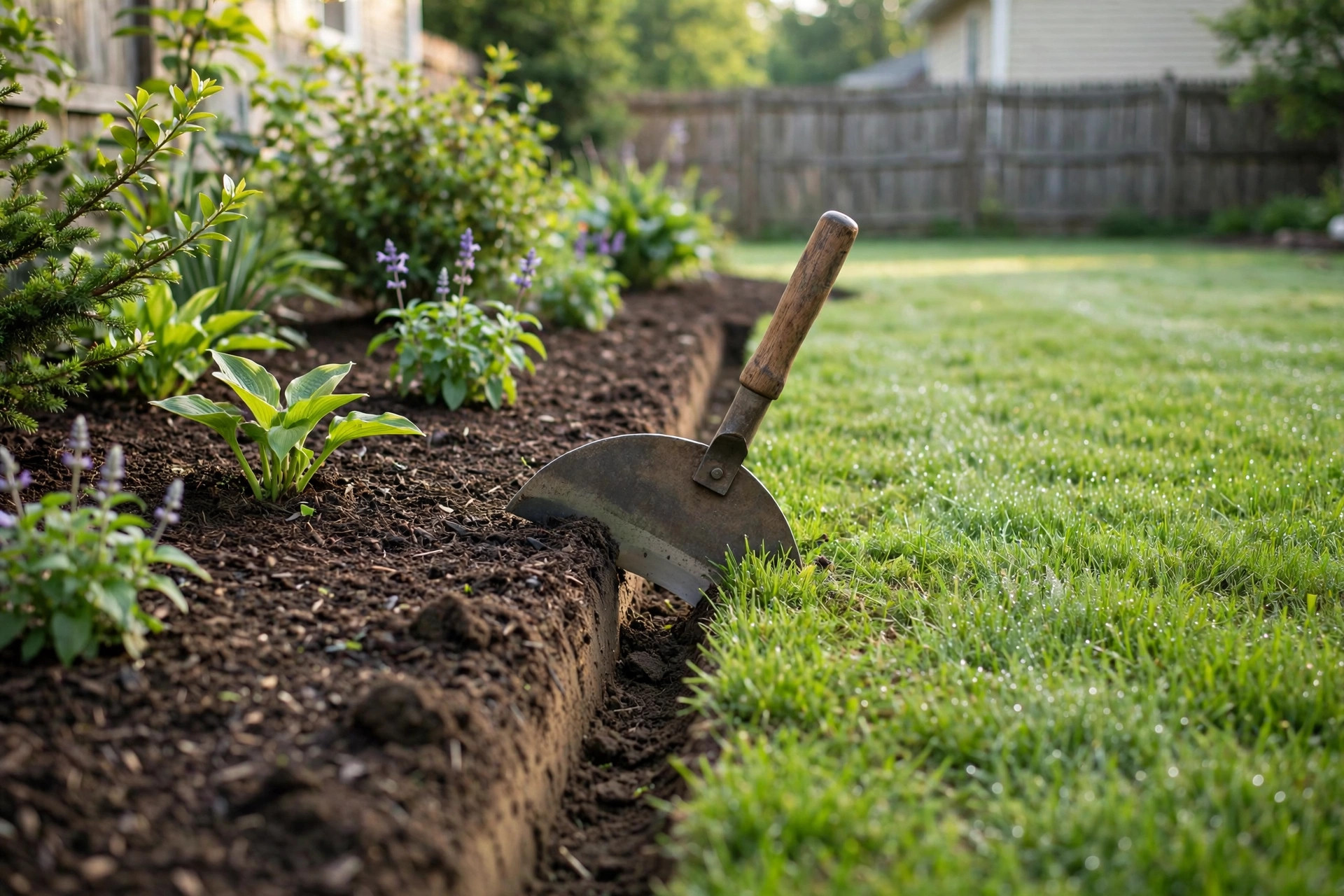
The half-moon edger is a simple manual tool. It has a half-circle steel blade on a long handle. You step on the top of the blade to push it into the soil, then rock it to cut. It makes a deep, clean, vertical cut along beds.
This tool suits gardeners who want a crisp line and do not mind the work. It costs little and lasts many years. It works best in soft to medium soil. In hard clay, it takes real effort, and the blade may need sharpening often.
The half-moon edger is often named as the best garden tool for edging beds by traditional gardeners. It cuts a trench that mulch sits in neatly, and the line it leaves is sharp and straight.
Rotary Edger
A rotary edger has a small star-shaped wheel that rolls along the edge. It cuts a groove as it moves. Some models are manual; others are powered by gas or batteries. Manual rotary edgers need a strong push but give a smooth line.
Rotary edgers work well on flat edges next to walks and drives. They are less suited to curves and tight corners. The groove they leave is shallow, so you may need to repeat the pass each season.
Edging Shears
Edging shears look like long-handled scissors. They trim grass that hangs over the bed edge. They do not cut soil or dig a trench. They are a finishing tool, best used after a deeper edge has been cut.
Shears are light and easy to use. They suit small beds and gardeners who want a quiet tool. For overgrown edges, though, shears are slow and tiring.
Spade or Edging Shovel
A flat spade or a special edging shovel can cut a bed edge. You drive the blade down in a straight line and lift out the soil strip. This method is cheap because most gardeners already own a spade.
The result depends on the hand of the user. A careful gardener can make a fine edge. The work is slow along long runs, and the line can wander. An edging shovel, with its flat square blade, does the job better than a round-point spade.
String Trimmer with Edging Head
A string trimmer turned to its side trims grass along the edge. Some trimmers have a wheel and a guide for edging. This is a powered tool, good for long edges and quick touch-ups.
It trims grass well but does not cut a deep soil line. For a sharp, lasting edge, gardeners often cut the soil line once with a hand tool, then keep it neat with the trimmer through the season.
Powered Lawn Edger
A powered lawn edger has a metal blade that spins and cuts a clean line in soil and turf. Gas, corded electric, and battery models exist. This tool makes fast work of long, straight edges.
It costs more and needs care: fuel, cords, or charged batteries, plus blade sharpening or replacement. It is noisy. For a homeowner with a lot of edging, it can still be the best garden tool for edging beds because of the time it saves.
How to Choose for Your Yard
Match the tool to the task. For a single small flower bed, a half-moon edger or a sharp spade is enough. For beds that run along a walk, a rotary edger or a string trimmer keeps the line tidy. For a whole property with many beds, a powered edger pays off.
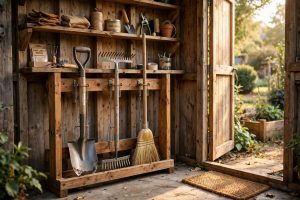
Think about storage too. Manual tools hang on a wall and need no fuel or charge. Powered tools need a dry shed and space for fuel or batteries. If you garden in a small space, a simple hand tool is easier to keep.
Read product reviews from independent testing groups before you buy. Sites such as Consumer Reports test garden tools for cut quality and comfort, and guides on The Spruce compare popular edgers side by side. Retailers like The Home Depot and Lowe’s list real owner reviews that reveal how a tool holds up after a season of use.
Brand makers such as Fiskars and Corona sell half-moon and rotary edgers with steel blades, while Gardener’s Supply carries a range of bed-care tools. For how-to advice, Bob Vila and Family Handyman publish step-by-step edging guides, and Burpee offers bed-care tips for flower and vegetable beds.
Cost and Price Range
Prices vary by type and quality. Manual tools are the cheapest way to start.
A half-moon edger usually costs between 25 and 50 dollars. A rotary hand edger costs about the same. Edging shears run from 20 to 40 dollars. These tools have no running cost beyond a file for sharpening.
A battery string trimmer with an edging guide costs from 100 to 250 dollars. A corded powered edger starts near 70 dollars. A gas powered edger can cost 150 to 300 dollars or more. Gas models add fuel and oil costs. Battery models add the cost of extra batteries for long jobs.
For most home gardeners, a hand tool under 50 dollars handles the job well. A powered tool makes sense when the edging is long or frequent. If you edge once each spring, the cheap tool is the smart buy.
Care and Upkeep
Clean the blade after each use. Soil and sap left on steel cause rust. Wipe the blade with a rag, and wash it if the soil is wet. Dry it well before storage.
Sharpen the edge once or twice a season. A sharp blade cuts with less force and leaves a cleaner line. Use a flat file and follow the original angle of the blade. Wear gloves while you sharpen.
Oil the moving parts on rotary and powered tools. Check the maker guide for what oil to use. Store tools in a dry place, hung off the ground. A coat of light oil on a hand tool blade keeps rust away over winter.
For battery tools, keep batteries charged but cool. For gas tools, drain the fuel before long storage. A clean, sharp, dry tool starts each spring ready to work.
Safety Tips
Wear sturdy shoes when you edge. A blade can slip in hard soil. Steel-toe boots are best, but any closed shoe protects the feet better than sandals.
Wear gloves to guard against blisters and sharp edges. Safety glasses protect the eyes from flying soil and small stones. Powered tools throw debris, so glasses are a must.
Mark buried lines before you dig a deep edge. Call the local utility marking service if you plan to cut deeper than a few inches near the house. Keep children and pets away while you work with powered tools.
Read the maker guide for any powered tool. Know where the off switch is before you start. Never lift a spinning blade from the soil while it is running. Work at a steady pace and take breaks. Edging is hard on the back, so stretch before and after.
FAQ
How deep should a bed edge be? A depth of 4 to 6 inches holds the line well. This cuts through grass roots and gives mulch a trench to sit in. Deeper edges suit beds next to strong grass.
How often should I edge my beds? Most beds need a full re-cut once each spring. Touch up the line once or twice in summer with a trimmer or shears. Beds near fast grass may need more care.
Can I use a spade instead of an edging tool? Yes. A flat spade cuts a serviceable edge. It takes more time and care to keep the line straight. If you already own a spade, try it before you buy a special tool.
What is the best garden tool for edging beds with curved shapes? A half-moon edger follows curves well because you place each cut by hand. A string trimmer also works on curves. Powered blade edgers prefer straight runs.
Do I need a powered tool for a small yard? No. A small yard is the perfect place for a hand tool. A half-moon edger cuts a clean edge in minutes on a short bed, with no noise or fuel.
How do I keep the edge neat between full re-cuts? Run a string trimmer or edging shears along the line every few weeks. Pull mulch back into the bed after rain. This keeps the line sharp with little effort.
A Short Final Word
The best garden tool for edging beds is the one that fits your yard, your soil, and your strength. A half-moon edger suits small and medium beds at a low price. A powered edger suits long runs and saves hours. Keep the blade sharp, the line deep, and the edges will reward you all season. For more bed ideas, see these related guides: garden edging ideas for vegetable beds, best garden hand rake for small beds, and drip irrigation kit for raised beds.
References
Bob Vila. (n.d.). Home improvement advice. https://www.bobvila.com Burpee. (n.d.). Seeds, plants, and gardening supplies. https://www.burpee.com Consumer Reports. (n.d.). Product reviews and ratings. https://www.consumerreports.org Corona Tools. (n.d.). Garden and landscape tools. https://www.corona-tools.com Family Handyman. (n.d.). DIY home repair and maintenance. https://www.familyhandyman.com Fiskars. (n.d.). Garden and cutting tools. https://www.fiskars.com Gardener’s Supply Company. (n.d.). Gardening tools and supplies. https://www.gardeners.com Lowe’s. (n.d.). Home improvement products. https://www.lowes.com The Home Depot. (n.d.). Home improvement products. https://www.homedepot.com The Spruce. (n.d.). Home and garden advice. https://www.thespruce.com
Was this guide helpful?

About James Carter
The My Garden US editorial team writes practical, in-depth home and garden guides for American homeowners — tested advice, no fluff.