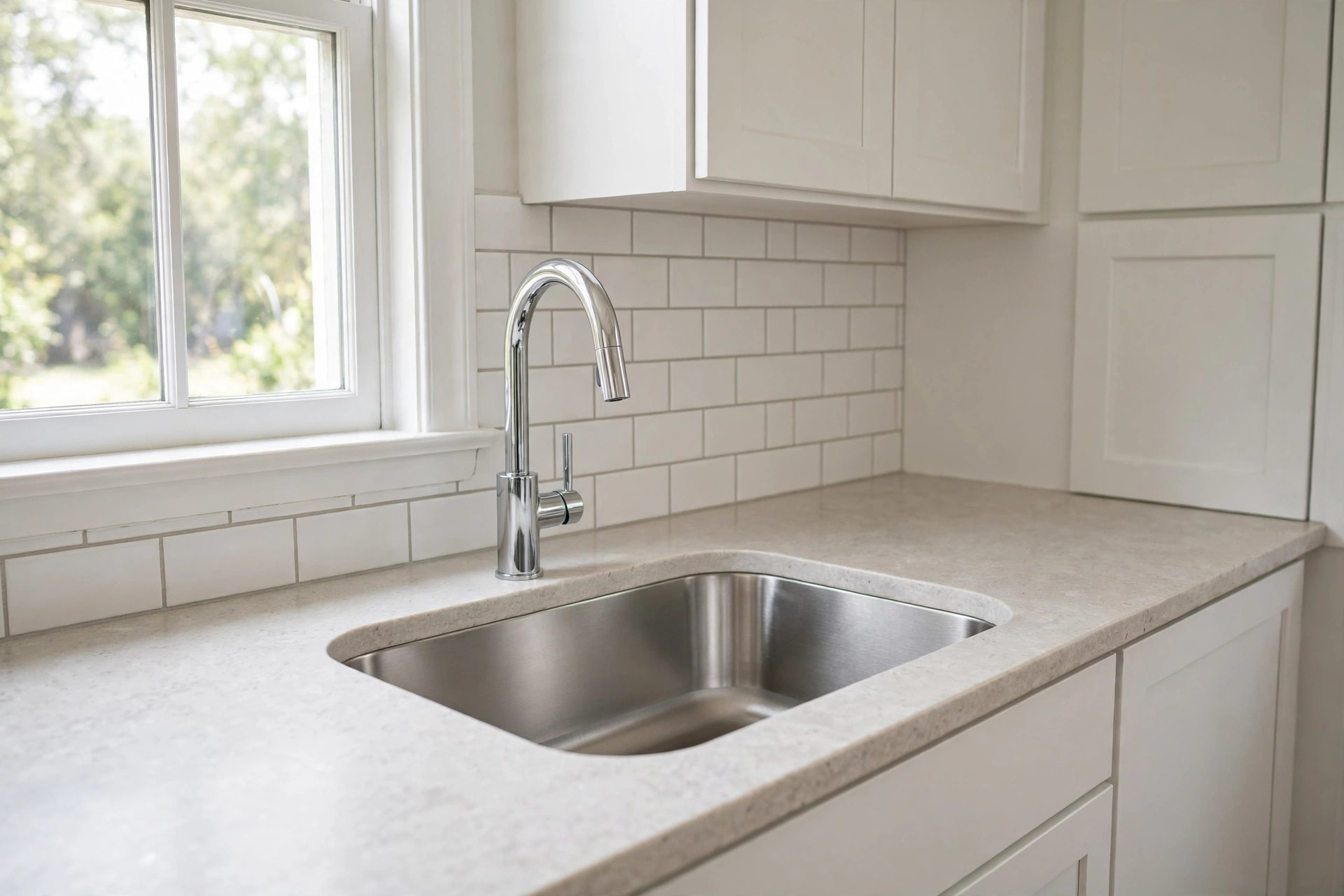

A good kitchen sink sees more use than almost any other fixture in the house. It holds dishes, washes produce, and takes hot pots straight from the stove. An undermount stainless sink sits below the countertop, so the counter edge drops clean into the basin. That clean look is why so many home owners choose it when they remodel. If you are asking about undermount stainless sinks where to buy usa, this guide will walk you through the main buying choices, the stores and web shops that carry them, and the facts you should know before you spend your money.
Why the Choice of Sink Matters
The sink sets the tone for the whole kitchen. A top mount sink has a visible rim that rests on the counter. Dirt can catch under that rim. An undermount sink has no rim on top. You can sweep crumbs from the counter straight into the basin. That small change makes daily cleanup faster.
Stainless steel suits busy kitchens. It stands up to heat, takes heavy pots, and does not chip like enamel. It also costs less than copper or fireclay. A well made stainless sink can serve for twenty years or more. For these reasons, home owners who search for undermount stainless sinks for sale usa often settle on stainless as the best balance of price and strength.
The undermount design does ask more of the countertop. The sink hangs below, so the counter material must hold the weight. Stone, quartz, and solid surface counters work well. Thin laminate counters are a poor match. Before you buy, check what kind of countertop you have.
What to Look For When You Shop: Undermount Stainless Sinks Where to Buy Usa
Steel Gauge and Quality
Gauge tells you how thick the steel is. Lower numbers mean thicker steel. A 16 gauge sink feels solid and dulls the sound of running water. An 18 gauge sink is the common mid range choice and serves most homes well. A 20 gauge sink is thinner and may show dents over time. Look for 304 grade stainless steel. That grade resists rust and stands up to kitchen acids from lemons, vinegar, and tomatoes.
Size and Bowl Shape
Measure the base cabinet before you shop. A common single bowl sink is 30 inches wide, but kitchens vary. Take the cabinet opening width, depth, and height with a tape measure. Leave room for the faucet and for the drain pipes below.
Single bowl sinks give you one large space. They fit big roasting pans and sheet trays. Double bowl sinks split the work into two sides, one for washing and one for rinsing. Some models add a low divide that keeps the two sides open at the bottom. Think about how you wash dishes. A family that fills pots will prize the single bowl. A cook who soaks vegetables may prefer two bowls.
Finish and Sound Control
Brushed finishes hide small scratches better than polished ones. Most undermount stainless sinks come with a brushed or satin finish. Sound pads or a spray coating on the underside cut noise. Heavier sinks with full undercoating run quieter. If your kitchen opens to a living area, sound control is worth the extra cost.
Drain and Extras
Many sinks sell the strainer, grid, and cutting board as extras. A bottom grid keeps pots from scratching the basin floor. A fitted cutting board turns the sink into a work station. Check what comes in the box before you compare prices. Two sinks at the same price may not include the same parts.
Types of Undermount Stainless Sinks
Stores group these sinks by bowl count and by how they are made.
– Topmount style in undermount form: Some sellers list a sink as a top mount model that can also mount below. Check the edge. A true undermount sink has a flat, clean lip that sits flush against the underside of the counter. – Handmade or fabricated sinks: Welded from sheet steel, these have sharp inside corners and a thick feel. They look modern and cost more. – Drawn or stamped sinks: Pressed from one sheet, these have soft rounded corners. They cost less and clean with less effort. – Farmhouse or apron front: The front face shows below the counter edge. These need a special base cabinet and often a pro to set them.
A buying guide for undermount stainless sinks can help you compare these forms side by side before you visit a store.
Where to Buy Undermount Stainless Sinks in the USA
The question of undermount stainless sinks where to buy usa has many good answers. The right seller depends on your budget, your timeline, and how much help you need.
Big Box Home Stores
Large home centers carry the widest stock you can see in person. The Home Depot and Lowe’s both list dozens of undermount stainless models on their web sites, and most stores keep the popular sizes on the shelf. You can look at the finish, lift the sink to feel the gauge, and take it home the same day. Staff can also order sizes the store does not keep. The Home Depot web site lets you filter by gauge, bowl count, and width, which saves a trip. Lowe’s offers a similar range and often runs sales around spring remodeling season.
Appliance and Kitchen Makers
Some buyers prefer to shop with the same brand that made their range or dishwasher. GE Appliances sells kitchen fixtures that match its appliance lines, and its site shows how each sink pairs with other pieces. Whirlpool keeps a kitchen section on its site with sinks and matching hardware. Bosch is known for quiet dishwashers, and its site covers kitchen design ideas that can guide your sink choice. Shopping by brand makes it easier to match the sink finish to nearby appliances.
Independent Reviews and Advice
Before you pick a model, it pays to read independent tests. Consumer Reports rates kitchen sinks on noise, scratch resistance, and stain control, and its reports can narrow a long list to a few safe bets. The Spruce keeps a library of how to guides and product roundups for kitchen fixtures. Bob Vila’s site explains the trade offs of undermount mounting for first time remodelers. This Old House walks through sink installation on its site with photos that show what the pro sees from below the counter. The Energy Star site is not about sinks, but its guidance on water use can help you pick a faucet that pairs well with your new basin.
Local Showrooms and Plumbers
A local kitchen showroom lets you compare brands the big stores skip. You can also ask the staff about lead time, since some sizes ship in two days and some take six weeks. A trusted plumber is another good source. Many plumbers sell the sinks they install and stand behind the work. Ask for the model number and the full price, parts and labor, before you agree.
Price Ranges You Can Expect
A basic 18 gauge single bowl sink may cost between 150 and 300 dollars. A 16 gauge model from a known brand often runs 300 to 600 dollars. Handmade welded sinks and large farmhouse models can pass 800 dollars. Installation by a pro adds 200 to 500 dollars, more if the plumbing must move. Undermount stainless sinks buying online can be cheaper, but check the return policy. A sink that arrives dented is only a good deal if the seller will replace it fast.
Cost and Price Factors
Price moves with gauge, brand, bowl count, and extras. A 16 gauge single bowl sink from a top brand costs more than a 20 gauge double bowl from a value brand. Grids, strainers, and cutting boards add 50 to 150 dollars if sold apart. Delivery fees can add up for heavy models.
Think about the countertop too. Undermount sinks need solid stone or quartz counters. If your counter is laminate, you may need a new counter before the sink can go in. That cost can be larger than the sink itself. A guide to quartz countertop installation shows what that part of the project involves.
Watch for package deals. Some stores bundle a sink, faucet, and disposal at a lower price than the parts sold alone. Spring and fall sales bring the best discounts. Floor models and open box sinks can cut the price by a third, but check for dents and make sure all clips and templates are in the box.
Installation Basics
Most home owners hire a pro for undermount sinks. The sink must hang level and seal tight against the counter. A bad seal leaks, and a leak rots the cabinet floor. The steps are simple to list but need care to do well.
1. The counter gets a cutout that matches the sink template. 2. The sink is set in place from below and held with clips or a support frame. 3. Silicone seals the joint between the sink lip and the counter. 4. The drain and the faucet connect, and the plumber tests for leaks.
Let the silicone cure for a full day before you run water. If you mount the sink yourself, read the maker guide twice and dry fit the sink before you apply sealant. A helper makes the job much easier, since the sink is heavy and awkward to hold overhead.
Care and Upkeep
Stainless steel asks for little, but it repays kind treatment. Rinse the sink after each use. Wipe it dry with a soft cloth to stop water spots. Clean with warm water and a mild dish soap. A paste of baking soda takes off dull film. For hard water marks, a cloth damp with white vinegar works well.
Avoid steel wool and harsh bleach. Steel wool scratches the finish and can leave bits that rust. Bleach can stain the steel if it sits too long. Do not leave cast iron pans in the sink overnight. The iron can mark the steel. Use the bottom grid to keep pots off the basin floor.
A sink that sees daily care keeps its shine for years. If scratches appear, a non abrasive stainless cleaner and a soft pad can blend light marks. Deep dents from a dropped pot are harder to fix and are the main reason to choose a thicker gauge at the start.
Safety
Sink installation has a few real risks. Cut stone edges are sharp, so wear work gloves. Silicone fumes need fresh air, so open a window. Under the sink, the drain trap and the disposal wiring demand care. Turn off power to the disposal at the breaker before you touch wires. If the job calls for moving pipes or wiring, call a licensed pro. Hot water lines can scald, so test the water before you finish the job.
Keep the area below the sink dry and clear. A slow drip can sit for months and ruin the cabinet. Check the joints with a dry hand after the first week. A small towel under the trap will show a drip as a damp spot long before damage spreads.
FAQ
Can any countertop take an undermount sink?
No. The sink hangs from the counter, so the counter must be strong and thick. Stone, quartz, and solid surface counters work well. Laminate and thin tile counters are poor choices for undermount sinks.
What gauge is best for an undermount stainless sink?
A 16 gauge sink is the strongest common choice and runs quieter. An 18 gauge sink serves most homes well at a lower price. A 20 gauge sink is thin and may dent, so it suits light use and tight budgets.
Do undermount sinks cost more to install?
Yes, in most cases. The sink must be set from below and sealed with care, and the counter cutout must be exact. Expect to pay 200 to 500 dollars for a pro install, more if plumbing moves.
Where can I see the sink in person before I buy?
Large home centers keep popular models on display, and kitchen showrooms show a wider range. Feeling the gauge and the finish in person helps you pick with more trust than photos alone.
Should I buy the faucet from the same seller?
It helps but is not required. Buying the sink and faucet together can save money in a bundle, and it makes the finishes match. Just check that the faucet hole count fits the sink or the counter.
How long does an undermount stainless sink last?
A well made 304 grade sink can last twenty years or more with simple care. Thick gauge, sound pads, and daily rinsing all add years to its life.
A Final Word
The search for undermount stainless sinks where to buy usa ends with a simple plan. Know your cabinet size and your countertop type. Pick a 16 or 18 gauge sink in 304 grade steel. Compare prices at big box stores, brand sites, and local showrooms. Read a few independent tests before you commit. Then hire a careful installer or take the job on with patience and the right sealant. Done well, an undermount stainless sink will serve your kitchen for decades and make daily cleanup a little easier every single day.
References
Bob Vila. (n.d.). Home improvement advice. https://www.bobvila.com Bosch. (n.d.). Home appliances. https://www.bosch-home.com Consumer Reports. (n.d.). Product reviews and ratings. https://www.consumerreports.org ENERGY STAR. (n.d.). Energy efficient products. https://www.energystar.gov GE Appliances. (n.d.). Kitchen and home appliances. https://www.geappliances.com Lowe’s. (n.d.). Home improvement products. https://www.lowes.com The Home Depot. (n.d.). Home improvement products. https://www.homedepot.com The Spruce. (n.d.). Home and garden advice. https://www.thespruce.com This Old House. (n.d.). Home renovation guidance. https://www.thisoldhouse.com Whirlpool. (n.d.). Home appliances. https://www.whirlpool.com
Was this guide helpful?

About Robert Taylor
The My Garden US editorial team writes practical, in-depth home and garden guides for American homeowners — tested advice, no fluff.
You May Also Like

French Door Refrigerators Reviews Buying Guide USA
May 2, 2026 0 views
Kitchen Pantry Cabinets: A Guide for American Homes
February 19, 2026 0 views
Kitchen Island Hanging Lights: How to Find the Best Deals Near You
February 20, 2026 0 views