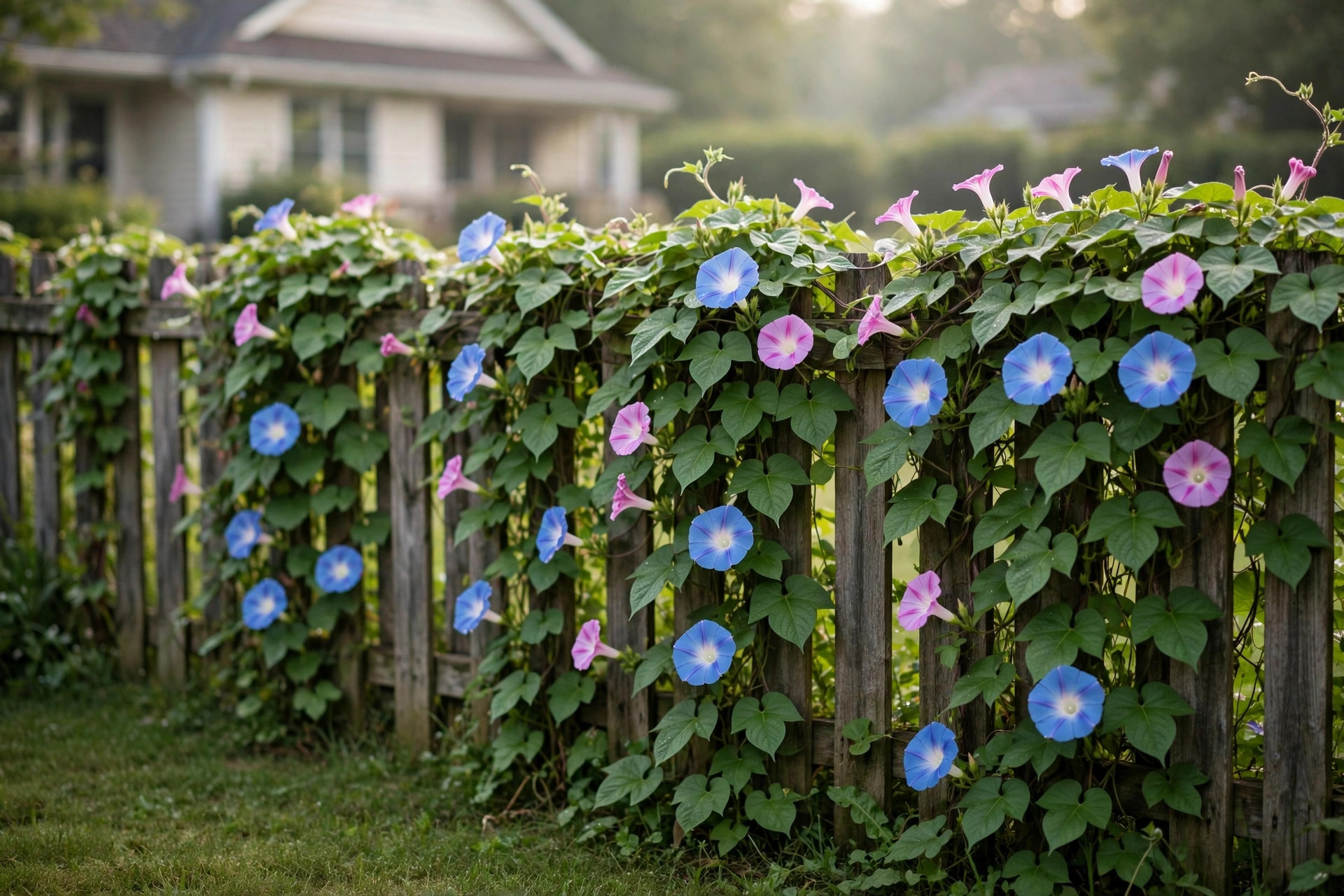

Morning glory seeds USA online deals catch the eye of many home gardeners each spring. The blossoms open at dawn in shades of blue, purple, pink, and white. The vines climb fences, trellises, and mailboxes with little help. A gardener can cover a whole fence with color by midsummer. Online sellers in the United States compete hard for this business. That competition brings lower prices, wider choice, and free shipping offers. It also brings risk. Old seed, vague variety names, and inflated discount claims are common in cheap listings. This guide explains how to read the listings, compare real prices, and plant the seed well once it arrives.
Why Morning Glory Seeds Are Worth the Trouble
Morning glories rank among the easiest flowering vines a home gardener can grow. The plants ask for full sun and ordinary soil. They need no rich fertilizer. In fact, too much fertilizer grows leaves at the cost of flowers. Once the vines start climbing, they move fast. A vine can reach ten or twelve feet in a single season. The trumpet-shaped flowers open early each morning and close by midday. The show runs from summer into fall.
Gardeners in the United States prize morning glories for speed. Few other flowers turn bare wood into a living wall in one season. The vines hide chain-link fences and soften plain walls. Hummingbirds and bees visit the blossoms through the day. Many old garden books from the early twentieth century describe morning glories as a standby for beginners. A packet of seed, a sunny spot, and a place to climb are all the plant demands.
Buying online has changed how gardeners shop for these seeds. Local garden centers stock only a few varieties. Online sellers list dozens. Prices run lower online because sellers ship from large warehouses and avoid store rent. Seasonal sales in late winter and early spring push prices lower still. A gardener who shops around can buy three or four packets for the price of one store packet. The trade-off is trust. Online, the buyer cannot see or touch the seed. So the buyer must learn to read the listing with care.
How to Choose Morning Glory Seeds Online: Morning Glory Seeds Usa Online Deals
Good seed shopping is mostly careful reading. The listing tells nothing by itself. A serious seller gives details. A careless seller hides behind vague words. When you look at morning glory seeds USA online deals, read each listing the way a careful shopper reads a label.
Check the Packet Date and Seed Count
Fresh seed matters more than price. Morning glory seed keeps its power for a few years, but germination falls with age. The best listings state the seed count and the season the seed was packed. Look for phrases like “packed for 2026” or “100 seeds per packet.” A listing that says only “morning glory seeds, cheap” gives you nothing to judge. Reputable seed houses such as Burpee’s online seed catalog routinely print seed counts and packing seasons on their pages. Expect the same from any seller who wants your order.
Also note the test date if the seller gives one. Large seed companies test germination in their labs. Some report the rate. A rate above 80 percent is strong for morning glory. If no rate appears, treat the deal with caution. The discount means little if half the seeds never sprout.
Look at the Variety Name
“Morning glory” covers many plants. The common garden type is Ipomoea purpurea. The famous blue “Heavenly Blue” belongs to Ipomoea tricolor. The red “Cardinal Climber” is a different species again, Ipomoea quamoclit. Each grows and looks different. A good listing names the exact variety or species. A vague listing that says only “mixed morning glory” may still grow fine, but you cannot know which colors you will get.
When the variety name appears, you can look up its habits. Gardening Know How’s growing guides describe common morning glory types and their care. A five-minute search tells you the flower color, the vine length, and the bloom time. That knowledge turns a blind purchase into an informed one.
Compare the True Price Per Packet
Online deals often shout about percent discounts. “Save 50 percent” sounds good. The honest number is the price per seed. Divide the packet price by the seed count. A two-dollar packet with 50 seeds costs four cents per seed. A five-dollar packet with 200 seeds costs two and a half cents per seed. The bigger packet is the better deal even though its price looks higher.
Watch shipping costs too. A one-dollar packet with four dollars of shipping costs five dollars. Some sellers fold shipping into the price and call it free. Others sell seed cheaply and charge steep postage. Add shipping before you compare. Our broader morning glory seeds buying guide walks through price math in more detail.
Types and Options You Will See in Online Listings
Online seed shops in the United States sort morning glory seed into a few clear groups. Each group suits a different gardener.
Named Varieties
“Heavenly Blue” is the most famous morning glory in America. Its sky-blue trumpets with white throats have filled seed catalogs for decades. “Grandpa Ott” bears deep purple-red flowers. “Scarlett O’Hara” shows bright red blooms. “Pearly Gates” opens white. Named varieties cost a little more than mixes. They deliver a known color and a known habit. Park Seed’s seed listings and Gurney’s catalog pages both carry long-standing named varieties with full growing notes.
Mixed Color Packs
Mixed packs blend several varieties in one packet. They cost less per seed than named packets. They suit gardeners who want a rainbow effect on a fence or trellis. The mix usually leans toward blue and purple, with some pink and white. Read the mix description before buying. Some mixes include only three colors. Others include six or more. If the listing gives the share of each color, the seller is honest and the mix is planned rather than random.
Bulk and Value Bags
Bulk bags hold hundreds or thousands of seeds. They target gardeners who plant long rows or cover large banks. The price per seed drops sharply in bulk. The risk is storage. Seed keeps best in a cool, dry, dark place. A bulk bag opened and shut many times takes in moist air. If you buy bulk, plan to plant most of it in one season. Share the rest with friends. Bulk deals also appear on general garden marketplaces, so compare them against the morning glory seeds for sale listings before you decide.
Cost and Price: What Online Deals Really Mean
Morning glory seed is cheap by nature. Typical online prices in the United States run from about one dollar to about six dollars per packet, depending on variety and count. Named varieties sit at the top of that range. Mixes sit near the bottom. Bulk bags may cost fifteen to thirty dollars but hold enough seed for years of planting.
Real deals appear at predictable times. Late winter, around February and March, brings early-season sales as sellers clear old stock and introduce new packs. Late spring brings clearance sales on leftover packets. Prices drop because the selling season is short.
Some “deals” are less honest. A seller may claim a seed packet retails for twelve dollars and offer it for three. No garden center charges twelve dollars for a morning glory packet. The “regular price” is invented. Ignore the percent sign. Compare the actual price per seed with two or three other sellers. The Spruce’s seed-buying articles advise the same habit for all garden purchases: compare real prices, not advertised savings.
Shipping deserves its own math. Many seed sellers charge a flat shipping fee around four to six dollars. That fee makes a single packet expensive. It makes five packets reasonable. Plan one order that covers the whole garden season. Add vegetable and flower seed to the same cart. The flat fee spreads across the whole order. Some sellers offer free shipping above a set order total, often near thirty-five dollars. Two or three packets of morning glory seed plus a few vegetable packets can reach that mark.
Also consider the cost of failure. A one-dollar packet that sprouts poorly wastes the planting season. A three-dollar packet from a tested source that sprouts well is cheaper in the end. Seed quality is part of the price. The Old Farmer’s Almanac planting resources remind gardeners that timing and seed vigor decide the harvest more than the brand name on the packet.
Care and Upkeep After You Plant
Buying the seed is only the start. Morning glories reward simple, steady care.
Plant after the last frost date in your area. The seeds like warm soil. Cold, wet soil rots them. Nick each seed with a nail file or soak it overnight in room-temperature water. This step softens the hard seed coat and speeds sprouting. Sow the seeds about a quarter inch deep and one foot apart where they will grow. Morning glories dislike transplanting, so sow in place.
Water the bed after sowing and keep it moist until the seedlings appear, usually within a week. After that, water during dry spells. The vines climb by twining. Give them strings, a trellis, or a fence within reach. They will find it on their own. Do not feed them rich fertilizer. A light mulch of compost in spring is enough. Too much nitrogen grows a jungle of leaves with few flowers.
Deadheading is not required, but it helps. Morning glories drop spent flowers on their own. If you remove the seed pods before they ripen, the plant puts energy into new blooms. Leave some pods if you want the vine to self-sow next year. One warning: in warm climates, morning glories reseed freely and can become weedy. Pull unwanted seedlings in spring. Monrovia’s plant care library and White Flower Farm’s growing advice both note this self-sowing habit and how to manage it.
At season end, pull the vines down after frost kills them. Compost the dead vines if they show no disease. Save seed from your favorite flowers if you wish. Let a few pods dry on the vine, then store the seed in a paper envelope in a cool drawer. Label it with the variety and the year.
Safety Notes for Homes With Children and Pets
Morning glory seeds contain compounds that can cause nausea and other ill effects if eaten in quantity. The seeds are the main concern, not the flowers or leaves. This fact belongs in every honest buying guide. Store seed packets out of reach of small children. Do not let children play with the seeds as if they were beads. Teach older children that garden seeds are not food.
Pets rarely eat the seeds, but dogs that chew garden plants may sample them. If a pet eats a large number of seeds, call a veterinarian. Proven Winners’ plant information pages and similar nursery references list toxicity notes for garden plants, and it is wise to check such notes before planting any new vine near play areas.
These cautions should not frighten gardeners away. Millions of American gardens grow morning glories safely each year. Simple storage and a word of warning to the family are enough. The flowers themselves pose no risk from touch or smell.
Frequently Asked Questions
When should I order morning glory seeds online? Order in late winter or early spring. Sellers stock fresh packets then, and early orders arrive well before planting time. If you missed the window, many sellers still ship into early summer, and morning glories grow fast enough to bloom from a June sowing in most states.
How long do morning glory seeds stay good? Kept cool and dry, the seeds stay usable for three to four years. Germination drops a little each year. For the strongest sprouting, plant seed packed for the current season. If you use older seed, sow a few extra seeds to make up for the lower sprout rate.
Why did my morning glory seeds not sprout? The usual causes are cold soil, planting too deep, or old seed. The hard seed coat also slows water entry. Nicking or soaking the seed before sowing solves most failures. If the soil is below sixty degrees, wait for warmer weather. Our notes on local morning glory seed deals also cover how store age affects freshness.
Can I grow morning glories in pots? Yes. Choose a pot at least twelve inches wide and deep. Fill it with ordinary potting mix. Set a small trellis or a few bamboo stakes in the pot for the vine to climb. Water when the top inch of mix feels dry. Pots dry faster than garden beds, so check them in hot weather. One or two plants per pot is enough.
Do morning glories come back every year? Most garden morning glories are annuals. Frost kills the vine. But they often drop seed that sprouts the next spring on its own. In warm regions this self-sowing can be heavy. In cold regions you may need to sow fresh seed each year.
A Short Final Word
Morning glory seeds USA online deals give American gardeners a fine chance to buy good seed at low prices. The method is simple. Read the listing. Check the date and the count. Name the variety. Divide price by seed count. Add shipping. Then plant in warm soil, give the vine something to climb, and hold back the fertilizer. By midsummer the fence will carry trumpets of blue and pink that open with the dawn. Shop with care, plant with confidence, and enjoy the show.
References
Burpee. (n.d.). Seeds, plants, and gardening supplies. https://www.burpee.com Gardening Know How. (n.d.). Gardening guides and plant care. https://www.gardeningknowhow.com Gurney’s Seed & Nursery Co. (n.d.). Seeds, plants, and garden supplies. https://www.gurneys.com Monrovia. (n.d.). Plants for home gardens. https://www.monrovia.com Park Seed. (n.d.). Seeds, plants, and gardening supplies. https://www.parkseed.com Proven Winners. (n.d.). Plants and gardening inspiration. https://www.provenwinners.com The Old Farmer’s Almanac. (n.d.). Gardening calendars and advice. https://www.almanac.com The Spruce. (n.d.). Home and garden advice. https://www.thespruce.com White Flower Farm. (n.d.). Plants, bulbs, and garden supplies. https://www.whiteflowerfarm.com
Was this guide helpful?

About Sarah Mitchell
The My Garden US editorial team writes practical, in-depth home and garden guides for American homeowners — tested advice, no fluff.
You May Also Like
Air Plants Bulk American Homes Guide: Buying, Choosing, and Keeping Them Green
June 4, 2026 0 views
Peat Pots Seedlings USA Online Deals: A Plain Guide for Home Gardeners
August 23, 2026 0 views
Peat Pots for Seedlings in California Homes: A Complete Guide
June 11, 2026 0 views