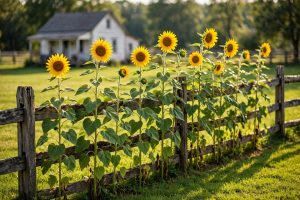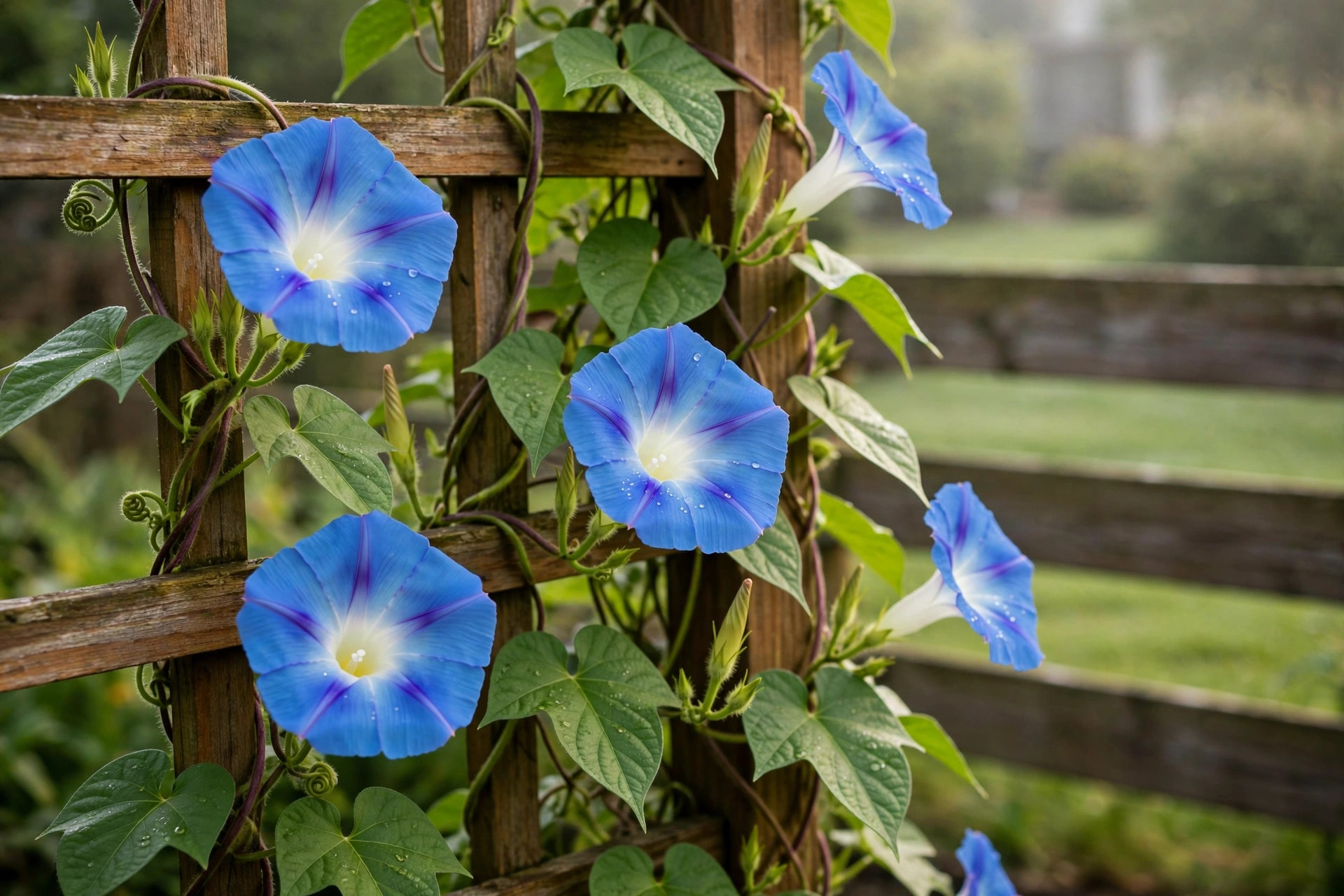

The search for morning glory seeds deals near me starts in many kitchens across the country. A gardener sits at the table with a cup of coffee. The seed racks at the store are empty. The last frost date is near. The wish is simple: blue flowers on a fence by July. That wish does not have to cost much. Morning glory seed is one of the least expensive seeds in the garden world. With a little patience and a little knowledge, a full packet can be bought for the price of a newspaper. This guide explains where to look, what to check, and how to save money. It is written for the home gardener who wants good seed at a fair price.
Why Morning Glories Matter to the Home Garden
The morning glory is an old friend of the American garden. It grows fast. It asks for little. In a single season it can cover a fence, a trellis, or an ugly chain-link wall with green leaves and trumpet flowers. The flowers open at dawn. They close by noon in hot weather. Each day brings a new set of blooms.
Gardeners value the plant for more than looks. A row of morning glories can shade a hot patio. It can give privacy along a back fence. It can turn a bare mailbox post into a small tower of color. Few plants give so much show for so little money. A packet of seed costs less than a gallon of gas. The plants need no special soil. They need no special feeding. They need sun and a little water.
The plant also fits busy lives. Once the seeds are in the ground, the vine does most of the work. It climbs on its own. It finds its own way up. A gardener who works long hours can still enjoy a wall of bloom by late summer. For these reasons, morning glory seeds usa online deals draw thousands of searches each spring. But the best bargains are often close to home.
Where to Look for Morning Glory Seeds Deals Near Me
The first place to check is the local garden center. In March and April, seed racks stand near the front door. Morning glory packets sit beside sunflowers and zinnias. Prices at these racks are often fair. Local shops sometimes mark down packets at the end of the season. A packet that cost two dollars in April may cost fifty cents in June.
The big chain stores are the next stop. Their garden departments carry seed from large national brands. Watch for store-brand packets. These cost less than the brand names and often come from the same seed lots. A wise shopper compares the seed count on the back of each packet. Two packets at the same price may hold different amounts of seed.
Mail-order seed companies serve the whole country. Many run spring sales with free shipping on small orders. Burpee, a major American seed house, lists morning glory varieties each year. Park Seed and Gurney’s do the same. Buying direct can beat store prices when a sale lines up with free shipping. Their catalogs also teach a lot about each variety.
Nurseries that grow their own plants may sell seed in bulk bins. A scoop of seed from a bin costs far less per seed than a paper packet. Ask the staff if they sell in bulk. Some shops only offer bulk seed to local customers who ask.
Seed swaps and garden clubs are hidden treasures. Many towns have a seed library at the public library. Members take seed for free and return seed in the fall. Garden club meetings often include a swap table. A handful of morning glory seed costs nothing there. The seed may come from a neighbor’s own vines. Such seed is already proven in the local soil and climate.
Online marketplaces list seed from small growers. Prices can be low. Care is needed here. Read the seller reviews. Ask when the seed was harvested. Old seed loses its power to sprout.
Clearance sales give the deepest discounts. In late June, stores clear the seed aisle to make room for fall goods. Discounts of fifty percent or more are common. Seed bought then keeps well in a cool, dry jar until next spring. Planning ahead saves the most money of all.
What to Check on the Packet
A low price means little if the seed is poor. The back of the packet tells the truth. Read it before buying.
First, look for the pack date or the sell-by date. Seed houses print a season code on the packet. Seed from last season is fine. Seed from two seasons back is a risk. Morning glory seed keeps its sprouting power for several years when stored dry. Still, fresh seed is the safer buy.
Second, check the germination rate. Some packets print a test date and a sprout rate. A rate above seventy percent is good. Below fifty percent, walk away unless the price is almost nothing.
Third, read the variety name. “Heavenly Blue” is the classic sky-blue type. “Scarlett O’Hara” gives red flowers. “Grandpa Ott” gives deep purple. The packet should name the variety clearly. A packet that says only “mixed colors” may still be fine, but the named types give a more certain result.
Fourth, count the seeds. Some packets list the seed count or the packet weight. A large packet at a low price is a true bargain. A small packet at the same price is not. Compare cost per seed when the numbers are printed.
Fifth, look for seed treatment notes. Some seeds are coated with a fungicide. The packet will say so. Untreated seed is better for gardens near wells and for gardeners who prefer a natural approach.
Guides from The Spruce and Gardening Know How give more detail on reading seed packets. Both sites serve home gardeners with plain advice.
Common Types Worth Knowing
Not all morning glories are the same. A few types stand out in American gardens.
Heavenly Blue is the best known. Its flowers are large and clear sky blue with a white throat. It climbs ten to fifteen feet in a season. It blooms from midsummer to frost. Seed for this type is easy to find and cheap.
Scarlett O’Hara is the red answer to Heavenly Blue. Its flowers are wine red with a darker throat. It grows with the same speed and ease.
Grandpa Ott is an old heirloom. Its flowers are deep violet with a red star at the center. Seed savers have kept this type alive for generations. Packets cost a little more, but the color is worth it.
Moonflower is the night cousin. Its large white blooms open at dusk and fill the air with scent. It is often sold beside morning glory seed. A trellis with morning glories for the day and moonflowers for the night gives round-the-clock bloom.
Dwarf types suit small spaces. “Minibar Rose” and similar compact types grow two to three feet tall. They fit pots and window boxes. Their seed costs a bit more per packet, so watch for sales.
Growers such as Monrovia and White Flower Farm sell named varieties with clear descriptions. Their notes help a buyer pick the right type the first time. For those who enjoy seed starting in a broader sense, this heirloom vegetable seeds american homes guide covers the same careful packet reading for kitchen gardens.
Cost and Price Guide
Morning glory seed ranks among the cheapest garden seeds. A standard packet holds twenty to fifty seeds. Regular prices run from one dollar to four dollars. Store brands sit at the low end. Named heirloom types sit at the high end.
Bulk buying cuts the cost further. Some farm stores sell morning glory seed by the ounce. An ounce holds hundreds of seeds and may cost five to eight dollars. That is enough seed for a whole fence line and for sharing with neighbors.
Deals near home beat deals far away once shipping is counted. A two-dollar packet online with four dollars shipping is no bargain. A three-dollar packet at the corner store is cheaper in the end. Always add the shipping cost before comparing prices.
Timing matters. Prices are highest in early spring when demand peaks. They fall by midsummer. The lowest prices appear in fall clearance. A gardener who buys this fall for next spring pays the least. Store the seed in a sealed jar in a cool closet. It will keep its strength.
Coupons and store loyalty programs add small savings. Many garden centers send spring coupons by mail or email. Buying several packets at once may earn a bulk discount at local shops.
Planting and Care in Plain Steps
Morning glory seed has a hard coat. The seed sprouts faster if the coat is nicked. Rub each seed lightly with sandpaper. Then soak the seeds in warm water overnight. This simple step can cut the wait for sprouts by several days.
Plant after the last frost. The soil should feel warm to the hand. Cold soil rots the seed. A rule of thumb: plant when tomato plants go out. Push the seed half an inch deep. Space the seeds six inches apart along a fence or trellis.
Water the row well after planting. Keep the soil damp, not soaked, until the sprouts show. Sprouts appear in five to fourteen days. Thin the young plants to one foot apart. Crowded vines give fewer flowers.
Give the vine something to climb from the start. A string, a wire, or a trellis works. The young vine winds around anything thin. Once it finds the support, it climbs on its own. Vines grow fast in warm weather and can add several inches a day.
Feed lightly or not at all. Rich soil and heavy feeding grow leaves at the cost of flowers. A poor soil often gives the best bloom. This is one of the few garden plants that prefers to be left hungry.
Water during dry spells. An inch of water a week is enough. Mulch around the base holds moisture and keeps weeds down. Deadheading is not needed. The plant drops its spent flowers on its own.
The Old Farmer’s Almanac prints last-frost dates and planting calendars for every region. Checking the date for your town takes a minute and prevents lost seed. Research from the National Institute of Food and Agriculture also supports simple, low-input gardening methods that suit this plant well.
Safety Notes Every Gardener Should Know
Morning glory plants are lovely, but their seeds need respect. The seeds contain compounds that can cause serious illness if eaten. Keep seed packets out of reach of small children. Teach children not to chew the seeds. Store bulk seed in labeled jars on a high shelf.
Pets need the same care. Dogs that chew plants may dig up and eat the seeds. If a pet eats morning glory seed, call the veterinarian at once. Fast action matters.
Some states list certain morning glory types as weeds. In warm states, the vines can escape the garden and climb over native plants. Check with the local extension office before planting large areas. In most northern states, frost kills the plant each year, so it causes no lasting trouble.
Wear gloves when handling treated seed. Wash hands after planting. These are small habits that keep gardening safe and pleasant.
Frequently Asked Questions
When is the best time to buy morning glory seeds near me?
The widest choice appears in early spring. The lowest prices appear in summer clearance and fall sales. Buy early for choice. Buy late for savings. For planting next year, fall clearance gives the best morning glory seeds deals near me in most towns.
How long does morning glory seed stay good?
Kept cool and dry, the seed sprouts well for three to five years. Keep it in a sealed jar away from heat. A paper packet in a damp garage loses strength fast. A glass jar in a closet keeps it strong.
Can I grow morning glories in pots?
Yes. Use a pot at least twelve inches wide and deep. Give the pot a small trellis or a few bamboo stakes. Dwarf types suit pots best, but full-size types work too. Water pots more often than garden soil.
Why did my seeds fail to sprout?
Cold soil is the most common cause. Seed planted before the soil warms will rot. Old seed is the next cause. Hard seed coats slow things too. Nick and soak the seed next time, and wait for warm weather.
Are morning glories hard to control?
In warm climates, they reseed freely. Pull young volunteers in spring where they are not wanted. Do not let the vines set seed near wild areas. In cold climates, winter ends the problem each year.
Do morning glories need full sun?
Yes. They bloom best with at least six hours of direct sun each day. In shade, the vines grow long and leafy but give few flowers. Pick the sunniest fence you have.
A Final Word
The hunt for morning glory seeds deals near me is a pleasant one. The seed is cheap. The plant is easy. The reward is a summer of blue trumpets at dawn. Check the local racks in spring. Watch the clearance bins in summer. Buy ahead in fall. Read the packet. Plant after frost. Then stand back and watch the vine do the rest. Few garden bargains give so much joy for so little money. Those who enjoy filling the home with green life may also like reading about a monstera plants sale for california homes for indoor color that lasts all year.
References
Burpee. (n.d.). Seeds, plants, and gardening supplies. https://www.burpee.com Gardening Know How. (n.d.). Gardening guides and plant care. https://www.gardeningknowhow.com Gurney’s Seed & Nursery Co. (n.d.). Seeds, plants, and garden supplies. https://www.gurneys.com Monrovia. (n.d.). Plants for home gardens. https://www.monrovia.com National Institute of Food and Agriculture. (n.d.). Agricultural research and extension. https://www.nifa.usda.gov Park Seed. (n.d.). Seeds, plants, and gardening supplies. https://www.parkseed.com The Old Farmer’s Almanac. (n.d.). Gardening calendars and advice. https://www.almanac.com The Spruce. (n.d.). Home and garden advice. https://www.thespruce.com White Flower Farm. (n.d.). Plants, bulbs, and garden supplies. https://www.whiteflowerfarm.com
Was this guide helpful?

About James Carter
The My Garden US editorial team writes practical, in-depth home and garden guides for American homeowners — tested advice, no fluff.
You May Also Like
Fiddle Leaf Figs USA Online Deals: How to Buy the Best Trees for Less
June 19, 2026 0 views
Lavender Seed Packets Reviews Buying Guide USA: How to Choose Seeds That Truly Sprout
May 8, 2026 0 views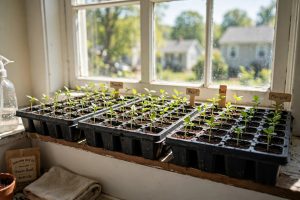
Seed Starting Trays Reviews Buying Guide USA
June 7, 2026 0 views