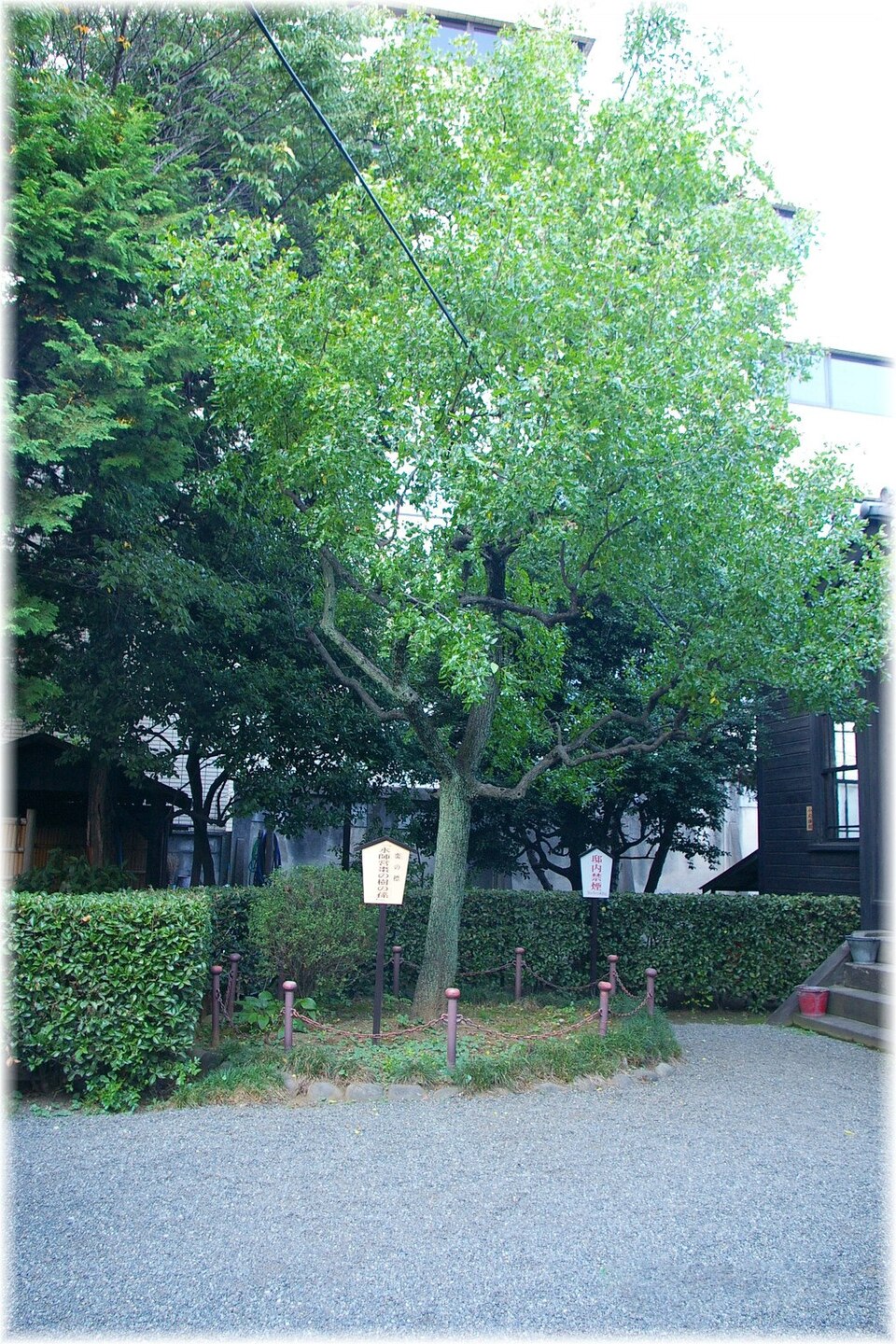
The jujube is the fruit tree for gardeners who forget to water. It survives drought, heat, poor soil, and neglect that would kill lesser trees - then produces sweet fruit that tastes like a cross between a date and an apple. Common across Asia for thousands of years, it is still oddly rare in American gardens, which is a shame. If you want to learn how to grow jujube, the news is good: plant it in sun, water it the first year, and then mostly leave it alone.
Table of Contents
Table of Contents
Jujube (Ziziphus jujuba) is hardy in zones 5 through 9. It needs a long, hot growing season for the fruit to ripen fully - in cool, short summers the fruit may never sweeten properly. Expect the first real harvests two to three years after planting a grafted tree. Once established, a jujube can live and fruit for decades with almost no care.

Photo: Wikimedia Commons
Choosing a Tree
When it comes to how to grow jujube, getting the details right makes all the difference.

Many homeowners find that how to grow jujube is easier than they expected once they know the basics.
Buy a grafted tree of a named variety - grafted trees fruit years sooner than seedlings and the fruit quality is guaranteed. Varieties differ in fruit size, shape, and sweetness; some are best eaten fresh, others dry superbly. Ask the nursery which varieties ripen reliably in your climate, since a variety that sweetens in a long hot season may disappoint where summers are short. Gardenia.net carries variety descriptions worth reading.
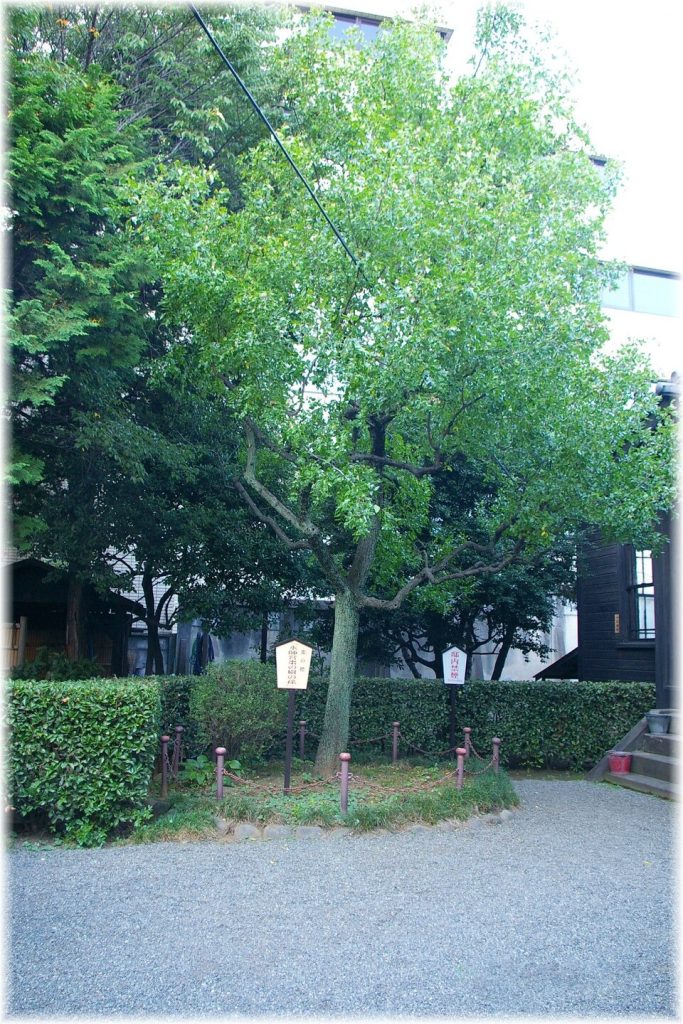
Jujubes are self-fertile, so one tree fruits alone - though planting a second variety can improve yields through cross-pollination. The trees are naturally small, usually 15 to 25 feet, with an attractive zigzag branching habit and glossy leaves. Some varieties carry thorns on young wood, so ask before you buy if thorns matter to you. The Missouri Botanical Garden plant finder describes the tree's ornamental character alongside its fruiting needs.
Buy bare-root trees for spring planting, while dormant. A healthy one-year graft establishes fastest and soon outgrows a larger, more expensive tree that suffered transplant shock.
When and How to Plant
Many homeowners find that how to grow jujube is easier than they expected once they know the basics.
The key to how to grow jujube is choosing the right approach for your space and budget.
Plant in spring while the tree is still dormant, about the time of your last spring frost. Check your zone's dates on our planting calendar to time it. Spring planting gives roots the whole warm season to establish - important for a tree that will soon be asked to survive on rainfall alone.
Dig a hole twice as wide as the root spread but no deeper than needed to set the graft union a couple of inches above the soil line. Backfill with native soil - jujube is not fussy, and heavily amended holes can discourage roots from venturing outward. Water deeply at planting and mulch with three to four inches of wood chips, keeping mulch back from the trunk. Stake only if the site is very windy; jujubes develop strong root systems fast.
Space trees 15 to 20 feet apart. They tolerate almost any soil - sand, clay, alkaline, poor - as long as it drains. Truly, the jujube's soil tolerance is legendary; it fruits in ground where other fruit trees merely survive. If your soil is a swamp, though, even jujube objects - plant on a mound.
Soil and Sun
The key to how to grow jujube is choosing the right approach for your space and budget.
With a little planning, how to grow jujube can fit even a busy schedule.
Full sun - the more the better. Jujube wants heat: hot summers sweeten the fruit, and sunny sites ripen it earliest. Eight hours of direct sun is the practical minimum for good crops. In marginal climates with short summers, plant against a south-facing wall where reflected heat buys extra ripening time.
Soil: well-drained sandy or loamy soil is ideal, but jujube tolerates poor, alkaline, and droughty ground that defeats other fruits. It does not need rich soil - in fact, overly rich, pampered soil can produce rank vegetative growth at the expense of fruit. A yearly mulch of organic matter is all the feeding most trees ever need. If your soil is extremely poor sand, the mulch and a little compost at planting are plenty. For guidance on working with difficult soils, Clemson Cooperative Extension and University of Minnesota Extension both publish practical advice.
Watering and Feeding: The Art of Neglect
With a little planning, how to grow jujube can fit even a busy schedule.
Before you start, it helps to understand how how to grow jujube works in real homes.
Water deeply at planting and through the first growing season - even a tough tree needs water to establish roots. After that, back off dramatically. Established jujubes are extremely drought-tolerant; in most climates they thrive on rainfall alone. Overwatering mature trees is one of the few ways to hurt them - soggy soil invites root problems this tree never evolved to handle.
In very dry regions, a deep watering once a month during fruit development improves fruit size, but the tree survives without it. Drip irrigation is ideal if you irrigate at all - water at the drip line, not the trunk.
Feed little or never. A yearly mulch of compost or wood chips supplies all the nutrition a jujube needs. Nitrogen fertilizer pushes leafy growth and can actually reduce fruiting, so skip the fertilizer bag. This is genuinely a plant-it-and-forget-it tree once established. The Old Farmer's Almanac orchard guides and the Clemson HGIC both list jujube among the lowest-maintenance fruit trees for home growers.
Pruning and Suckers
Before you start, it helps to understand how how to grow jujube works in real homes.
A good plan for how to grow jujube saves time, money, and frustration.
Jujube needs almost no pruning - one of its great virtues. The fruit forms on current-season wood, so pruning never removes the crop the way it can with some fruits. Each winter, simply remove dead wood, crossing branches, and any damaged limbs. That is the entire pruning program for most trees.
Watch for suckers. Jujubes sucker from the roots, especially when roots are disturbed, and an unmonitored tree can become a thicket. Remove suckers promptly unless you want a grove - or unless you want free new trees, since suckers transplant easily in dormancy.
If you do want to expand, winter is the time. Dig suckers with as much root as possible while the tree is dormant and transplant them like bare-root trees. They establish fast since they are already adapted to your soil. Some gardeners deliberately maintain a small jujube grove from suckers - the trees are small enough that three or four fit where one apple tree would go, and the combined harvest is generous. Just keep the grove's edges mowed or the suckers will keep marching outward year after year. If your tree is grafted, remove any suckers emerging below the graft union; those are rootstock, not your fruiting variety.
The tree's natural form is attractive - gnarled, zigzag branches with shiny foliage - so resist the urge to over-prune into some formal shape. Let it be itself.
Jujube fits the low-care home orchard alongside figs and American persimmons - all tough, drought-tolerant fruits that thrive on benign neglect.
Harvest: Wait for the Wrinkle
A good plan for how to grow jujube saves time, money, and frustration.
For most people, how to grow jujube comes down to a few smart choices.
Here is the key to jujube flavor: wait. The fruit goes through stages - green, then yellow-green, then glossy red-brown, then wrinkled like a date. Pick at the wrinkled stage for the sweetest, most date-like flavor. Fruit picked glossy-red is crisp and apple-like but far less sweet; the magic happens as it wrinkles on the tree.
Harvest from late summer into fall, checking the tree every few days at peak. The fruit hangs well without spoiling, so there is no rush - let each fruit reach its peak. Eat fresh out of hand, or dry the wrinkled fruit for winter; dried jujubes keep for months and taste remarkably like dates. They also cook into teas, porridges, and desserts in the Asian tradition.
Expect the first real harvests two to three years after planting. Young trees often drop fruitlets while establishing - normal, not a problem. Production builds steadily; a mature tree can yield heavily.
Drying is the traditional way to keep the harvest. Spread wrinkled fruit on screens in a warm, airy spot for a week or two until fully dry, then store in jars - they keep for months at room temperature and taste remarkably like dates. Dried jujubes simmer into teas and soups in the Asian tradition, and they are excellent chopped into oatmeal or baked goods. Fresh fruit also freezes well; freeze wrinkled fruit on trays, then bag. Few homegrown fruits store with so little effort.
Troubleshooting
For most people, how to grow jujube comes down to a few smart choices.
If you are new to how to grow jujube, start with the simplest option and build from there.
Fruit never sweetens: Short, cool summers. Choose the earliest-ripening variety you can find and plant in the hottest microclimate you have - against a south wall.
Fruitlets dropping: Normal on young trees. On mature trees, drought during fruit set can cause drop - a deep watering helps.
Suckers everywhere: Root disturbance or just the tree's nature. Remove promptly; mow around the tree to keep them down.
No fruit at all: The tree may be too young, or a late frost killed the flowers. Jujube blooms late, which usually dodges frost - one of its advantages.
Thorns on young wood: Normal for some varieties. They diminish as wood ages. Wear gloves when pruning. The USDA PLANTS Database documents the species, and the USDA National Agricultural Library indexes jujube cultivation references. UF IFAS Gardening Solutions covers it for warm-climate growers.
References
If you are new to how to grow jujube, start with the simplest option and build from there.
When it comes to how to grow jujube, getting the details right makes all the difference.
Missouri Botanical Garden. (n.d.). Ziziphus jujuba. https://www.missouribotanicalgarden.org/
Clemson University Cooperative Extension Service. (n.d.). Uncommon fruits for the home garden. https://hgic.clemson.edu/
Old Farmer's Almanac. (n.d.). Growing jujube. https://www.almanac.com/
Many homeowners find that how to grow jujube is easier than they expected once they know the basics.
When it comes to how to grow jujube, getting the details right makes all the difference.
Was this guide helpful?

About My Garden US
The My Garden US editorial team writes practical, in-depth home and garden guides for American homeowners — tested advice, no fluff.
You May Also Like
Seed Starting Trays Deals Near Me: Where to Find the Best Prices
April 22, 2026 14 views
How to Grow Lettuce: Crisp Leaves, No Bolting
October 8, 2026 44 views
Sunflower Seed Packs for Florida Homes: A Complete Growing Guide
February 14, 2026 22 views