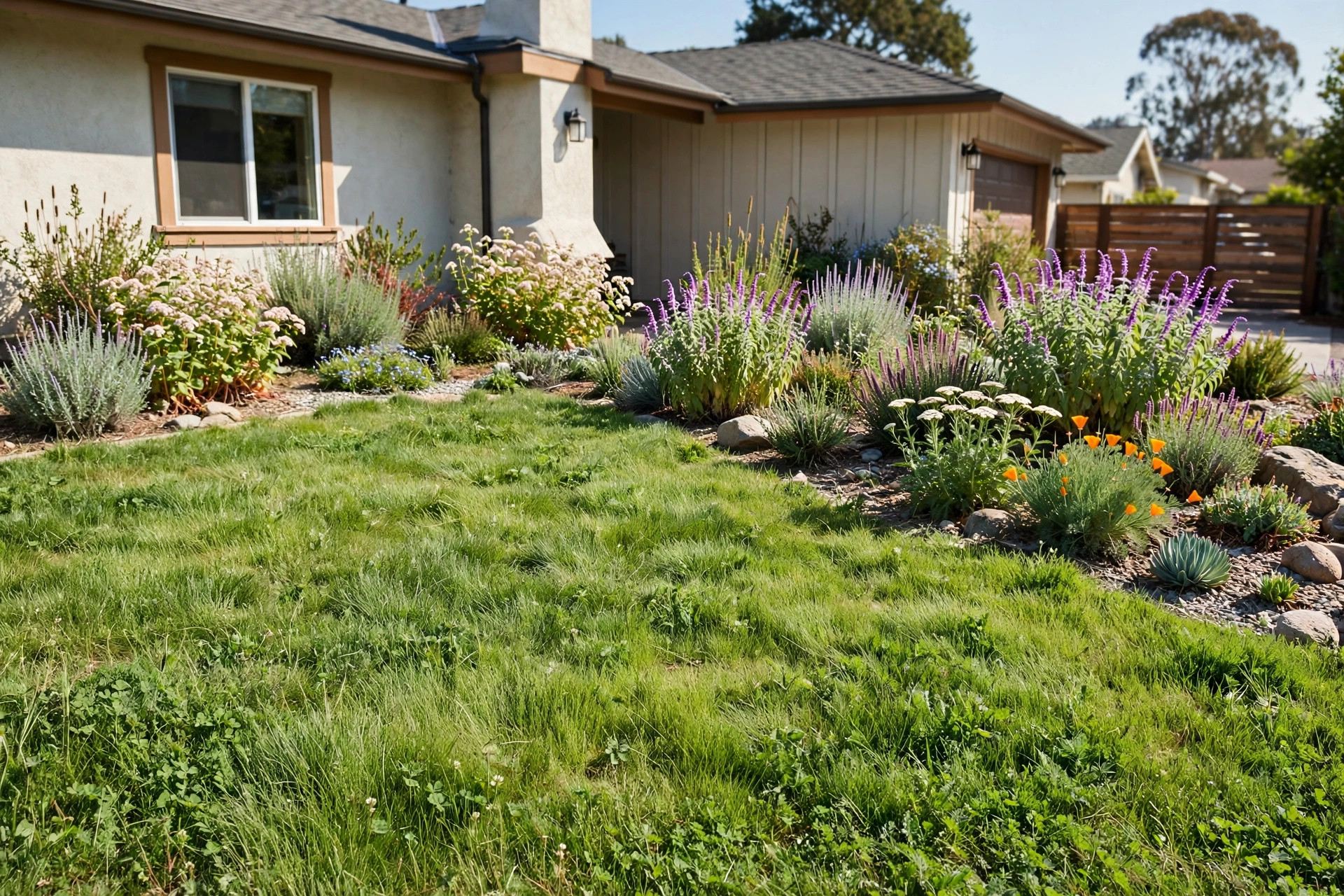

Lawns take a beating in California. Summers run hot and dry. Rains come late, or they do not come at all. Many homeowners watch their lawns turn brown by July and ask what they did wrong. The answer is often simple. They planted the wrong grass. The search for native grass seed California homes USA owners can trust begins with a different idea: plant what already wants to grow here.
Native grasses belong to this land. They rose from California soil long before lawns were a fashion. They know the heat. They know the dry months. They need far less water than the cool-season grasses shipped in from wetter places. A yard planted with native seed can stay green with a fraction of the water. It also feeds bees, birds, and butterflies. This guide walks you through why it matters, what to buy, how to plant, and how to keep it healthy year after year.
Why Native Grass Makes Sense in California
Water is the main reason. A classic lawn of Kentucky bluegrass or tall fescue can drink fifty inches of water a year in the Central Valley. Native grasses such as buffalo grass or blue grama can thrive on fifteen to twenty inches. That gap shows up on the water bill. In cities with watering rules, it also keeps you on the right side of the law.
Roots are the second reason. Native grasses drive roots deep into the soil, sometimes three feet or more. Deep roots find moisture long after the surface has dried. They also hold the soil in place on slopes and prevent washout in winter storms. A deep-rooted yard is tougher in every season.
Wildlife is the third reason. Native grasses shelter ground-nesting birds and give seeds to finches and quail. Their flowers and stems feed insects that pollinators need. When you plant natives, your yard joins a local food web instead of standing apart from it.
There is also a quiet reason: time. Once set, native lawns need less mowing, less fertilizer, and fewer chemicals. They are not no-work lawns. But they ask less of you than a thirsty imported lawn does.
What to Look for When You Buy Native Grass Seed: Native Grass Seed California Homes Usa
Not every bag with the word native on it is worth your money. Seed shopping takes a careful eye. Use a trusted native grass seed buying guide only as a start; the real check happens on the label.
Check the Seed Label
The label is a legal document on a seed bag. Read it the way you would read a contract. Look for the grass variety names, the germination rate, and the test date. A germination rate above eighty percent is good. A test date older than a year means the seed may be weak.
Look at the weed seed content. It should read near zero. California has enough weeds already. Also check for filler. Some cheap bags carry half filler by weight. You pay for seed, so you want seed.
Make sure the bag names grasses suited to California. Terms like California native, drought tolerant, or low water use are good signs. If the bag only lists cool-season grasses with no mention of drought, put it back on the shelf.
Match the Grass to Your Yard
California is not one climate. The coast is cool and foggy. The valleys are hot. The deserts are hotter. The mountains are cold in winter. A grass that loves Sacramento may fail in San Diego.
Ask three questions about your yard. How much sun does it get? How much water will you give it? How will you use it? A play yard for kids needs tougher grass than a show lawn. A slope needs grass that roots fast and holds soil. Match the species to the answers, and the lawn will nearly take care of itself.
Local advice helps a lot here. Garden columns at The Spruce and planting calendars at The Old Farmer’s Almanac break down timing by region. For California-specific plant lists, nurseries such as Monrovia publish what works in each zone.
Common Types of Native Grass for California Lawns
Several native grasses do well as lawns or meadow lawns. Each has its own look and habits. Here are the ones most California homeowners plant.
Buffalo Grass
Buffalo grass is a warm-season native of the plains that also suits inland California. It grows low and thick. It stays soft underfoot. It needs little water once it roots, and it mows well at two to three inches. In winter it goes brown in cold areas, then greens up in spring. For a hot valley yard, it is a top pick.
Blue Grama
Blue grama is a tough, fine-textured grass with seed heads that curl like tiny flags. It handles heat, poor soil, and long dry spells. Left unmowed, it forms a pretty meadow. Mowed, it makes a neat low lawn. It pairs well with wildflower seed mixes in a casual front yard, though you can buy it alone as seed.
California Fescue
California fescue is a true native bunch grass. It forms soft clumps of blue-green blades. It likes the coast and the foothills best. It tolerates shade better than most natives, which makes it useful under oaks and along fences. It needs little water but looks best with a deep drink now and then.
Purple Needlegrass
Purple needlegrass is the state grass of California. It grows in tall, graceful clumps with long seed awns that shine purple in the light. It is more meadow than lawn. Homeowners who want a natural look plant it in drifts and mow paths through it. It feeds wildlife and asks for almost nothing.
Creeping Wildrye
Creeping wildrye spreads by roots and fills bare ground fast. It handles clay soil and winter wet, which suits the Sacramento Valley and the Bay Area. It can be mowed like a lawn or left tall. It is a good fix for a yard with drainage problems.
Cost and Price: What You Will Spend
Native grass seed costs more per pound than common lawn seed. Expect to pay roughly twenty to sixty dollars per pound for quality native blends, depending on the species and the mix. A standard lawn mix may cost under ten dollars a pound. The sticker shock is real, but the math favors natives over time.
A thousand square feet of lawn needs about two to four pounds of native seed. So the seed for an average yard runs about forty to two hundred dollars. The savings come later. A native lawn can cut summer water use by a third or more. It needs less fertilizer and fewer pest treatments. Over five years, most homeowners come out ahead.
Watch for rebates. Many California water agencies pay homeowners to replace thirsty lawns with low-water planting. Some programs cover seed, plants, or mulch. Check your local water district before you buy. The rebate can cover most of the seed cost.
When you compare prices, compare pure live seed, not just bag weight. Pure live seed means the share of the bag that is living seed of the named grass. A cheap bag with low pure live seed is no bargain. Reputable sellers such as Burpee and Park Seed list full label details, and Gurney’s notes which species suit dry regions.
How to Plant and Care for Native Grass Seed
Planting native grass is not hard, but timing and soil prep decide the result. Follow these steps and give the seed a fair start.
Prepare the Soil
Good soil beats good seed. Start by clearing the old lawn or weeds. You can strip sod, smother it with cardboard for a month, or spray and wait. Do not till deeply; tilling wakes up buried weed seeds.
Loosen the top two inches with a rake. Native grasses like soil that drains but holds some moisture. If your soil is hard clay, mix in an inch of compost. If it is pure sand, compost helps there too. Test the pH if you can. Most natives like a pH between six and seven and a half.
Level the ground and rake it smooth. Roll it lightly or walk over it to firm the seedbed. Seed needs firm contact with soil to sprout.
Sow the Seed
The best planting window for most of California is fall, from September through November. Fall rains help the seed, and cool weather lets roots grow before summer heat. Spring planting works too, but you must water more through the first summer.
Split the seed into two halves. Spread one half walking north to south, the other walking east to west. This cross pattern gives even cover. A hand spreader works for small yards; a broadcast spreader suits large ones.
Cover the seed lightly. A thin dusting of soil or compost, no more than a quarter inch deep, is enough. Then press it down with a roller or your feet. Water gently right after planting so the seed settles in.
Water and Upkeep
New seed needs steady moisture. Water lightly once or twice a day until the grass is two inches tall. Then cut back slowly. By the second month, water deeply but less often. Deep watering trains roots to go down.
Once the lawn is set, most native grasses need water only every one to two weeks in summer, and little or none in winter. Watch the grass, not the calendar. If blades fold or lose color, water deeply. If they stand tall and green, leave the hose alone.
Mow high. Set the blade at three to four inches for most natives. Tall blades shade the soil, hold moisture, and crowd out weeds. Leave the clippings on the lawn; they feed the soil as they rot. Fertilize lightly once a year in fall, or not at all. Too much nitrogen makes weak, thirsty growth.
Practical how-to articles at Gardening Know How and Better Homes & Gardens walk through seeding steps with photos. For water-wise yard ideas backed by research, the U.S. EPA and USDA NIFA publish guides on cutting outdoor water use.
Safety for Pets, Kids, and the Land
Native grass lawns are among the safest yards you can grow. Most native grasses carry no toxic compounds. They need fewer pesticides and herbicides, which means fewer chemicals where kids and pets play. That alone is a strong reason to switch.
Two cautions still apply. First, some native grasses grow sharp seed awns in summer. Purple needlegrass awns can irritate a dog’s ears, nose, or paws. If your dog roams the yard, mow before seed heads harden, or choose awn-free species like buffalo grass.
Second, buy seed from clean sources. Poor seed can carry weed seeds, including invasive species that harm local land. Stick to sellers who publish test results. Plant lists from Proven Winners and White Flower Farm mark which plants are native and non-invasive, which helps you avoid problem species.
Fire safety matters in California too. Dry grass burns. Keep a mowed green zone of at least thirty feet around the house in fire country. Mow native meadows before the dry season peaks. A short, watered lawn near the house is a fire buffer, not a fire risk.
Frequently Asked Questions
How long does native grass seed take to sprout? Most native grasses sprout in seven to twenty-one days when soil is moist and warm. Buffalo grass and blue grama are on the faster end. Some natives sleep through the first season and fill in the second year. Be patient. A native lawn builds roots first and top growth second.
Can I mix native grass seed with my current lawn? You can overseed, but results are mixed. Old thirsty grasses often outgrow the natives when water is high. For the best result, remove the old lawn and start fresh. If you must overseed, cut water back so the natives have a fair chance.
Does native grass stay green all year? Warm-season natives go brown or tan in winter in cold areas. Cool-season natives like California fescue stay greener through winter. No lawn stays perfect all year. A tan winter lawn is resting, not dead. It greens up when warmth returns.
Where can I find native grass seed for sale near me? Local native plant nurseries are the best source. They sell seed grown from local stock, which fits your area best. Online sellers also ship across the state. When you shop native grass seed for sale listings, check that the species suit your zone and that the label shows a recent test date.
How much water does a native lawn really need? After the first year, most native lawns need about half the water of a standard lawn. In mild coastal areas, winter rain may be enough. Inland, plan on deep watering every week or two in summer. Exact needs depend on your soil, your grass, and your heat.
Will a native lawn handle foot traffic? Buffalo grass and creeping wildrye handle regular play well. Bunch grasses like purple needlegrass do not like heavy traffic. For a play yard, pick a spreading species and mow it like a lawn. For a look-but-don’t-walk meadow, bunch grasses are fine.
A Short Final Word
A lawn should fit its place. In California, that means grass that loves sun, sips water, and roots deep. Native grass seed gives California homes a lawn that works with the climate instead of against it. The seed costs a bit more up front. The planting takes a weekend. The payoff is a yard that stays green on less water, feeds local wildlife, and asks less of you every year after. Start with the right species for your yard, read the label, plant in fall, and water deep and seldom. Your lawn, your wallet, and your water district will all thank you.
References
Better Homes & Gardens. (n.d.). Home and garden ideas. https://www.bhg.com Burpee. (n.d.). Seeds, plants, and gardening supplies. https://www.burpee.com Gardening Know How. (n.d.). Gardening guides and plant care. https://www.gardeningknowhow.com Gurney’s Seed & Nursery Co. (n.d.). Seeds, plants, and garden supplies. https://www.gurneys.com Monrovia. (n.d.). Plants for home gardens. https://www.monrovia.com National Institute of Food and Agriculture. (n.d.). Agricultural research and extension. https://www.nifa.usda.gov Park Seed. (n.d.). Seeds, plants, and gardening supplies. https://www.parkseed.com Proven Winners. (n.d.). Plants and gardening inspiration. https://www.provenwinners.com The Old Farmer’s Almanac. (n.d.). Gardening calendars and advice. https://www.almanac.com The Spruce. (n.d.). Home and garden advice. https://www.thespruce.com U.S. Environmental Protection Agency. (n.d.). Protecting human health and the environment. https://www.epa.gov White Flower Farm. (n.d.). Plants, bulbs, and garden supplies. https://www.whiteflowerfarm.com
Was this guide helpful?

About Lisa Anderson
The My Garden US editorial team writes practical, in-depth home and garden guides for American homeowners — tested advice, no fluff.
You May Also Like
Daffodil Bulb Packs USA Online Deals: A Full Buying Guide
February 19, 2026 0 views
Morning Glory Seeds for Florida Homes: A Complete Growing Guide
February 1, 2026 0 views
Seed Starting Trays for Sale USA: A Plain Guide for American Gardeners
February 15, 2026 0 views