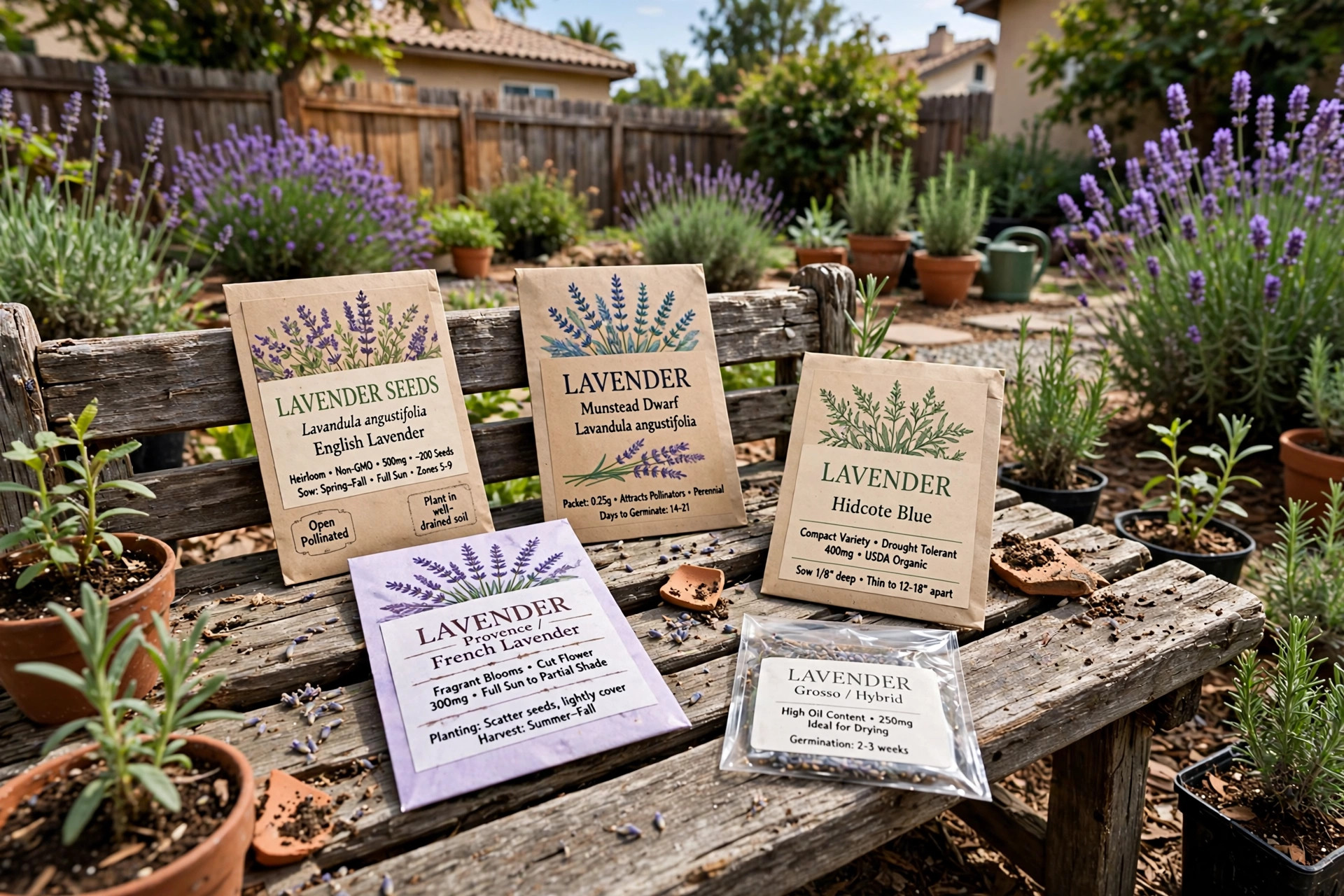
Many California gardeners want lavender in their yards. The plants smell sweet. The flowers look fine. The bushes live long. Yet few people grow lavender from seed. Most buy plants in pots. Seed packets cost less. They give more plants for the same money. They also let a gardener try many kinds at once.
This guide explains lavender seed packets for California homes in plain words. It covers why lavender fits the state, what to look for on a packet, which kinds grow well from seed, what they cost, and how to sow and care for them. It also answers common questions and gives safety notes.
Why Lavender Suits California Homes
California has mild winters and dry summers in most areas. Lavender loves that pattern. The plant comes from the dry hills of the Mediterranean. It wants full sun and soil that drains fast. It does not want wet feet in winter.
Most parts of California give lavender what it needs. Coastal zones from San Diego to San Francisco stay mild year round. Inland valleys get hot summers, which lavender also likes. Even mountain towns can grow hardy kinds if they choose the right type.
Lavender fits the water rules too. Once settled, it needs little water. That matters in a state where droughts come often. A lavender border can cut a water bill. It also helps bees. Honeybees and native bees visit the flowers from spring to fall.
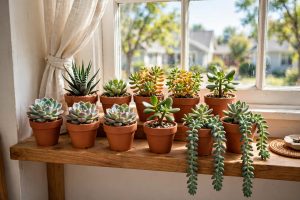
For homeowners who also keep indoor plants like snake plants, lavender adds a bridge between the house and the yard. It looks good along walkways. It smells good near doors and windows.
What to Look For in a Seed Packet: Lavender Seed Packets California Homes Usa
Not all seed packets are the same. A good packet tells the gardener what is inside. Here is what to check before buying.
The Species and Variety Name
The packet should name the species in Latin. The common garden kinds are Lavandula angustifolia, Lavandula x intermedia, and Lavandula stoechas. True English lavender is Lavandula angustifolia. It is the most fragrant. The hybrid Lavandula x intermedia grows larger and gives more oil. Spanish lavender, Lavandula stoechas, has showy top petals and does well in mild California winters.
The Pack Date and Germination Rate
Seeds lose strength over time. A packet stamped with the current year is best. Many packets also print a germination rate. A rate of 60 percent or higher is fair for lavender. Seed houses like Burpee and Park Seed print clear dates and rates on their packets.
The Seed Count
Lavender seed is small. A packet may hold 50 to 200 seeds. For a home garden, 50 seeds is plenty. Most gardeners will not need hundreds of plants. Check the count so you do not buy more than you can use.
Organic and Non-Treated Seeds
Some gardeners want seeds that have no chemical treatment. Packets may carry an organic seal. Others are simply untreated. Both are fine for home use. The National Institute of Food and Agriculture offers plain facts about seed standards and home gardening research.
Types of Lavender to Grow From Seed
Some lavenders grow true from seed. Others do not. This point matters most.
English lavender (Lavandula angustifolia) grows well from seed. Varieties such as Munstead and Hidcote are old favorites. They come up fairly true to type. They stay compact. They give strong scent.
Hybrid lavandin (Lavandula x intermedia) does not grow true from seed. The seedlings vary. Many growers start lavandin from cuttings instead. Seed packets of lavandin exist, but the results are mixed. For a neat hedge, cuttings or nursery plants are a safer choice.
Spanish lavender (Lavandula stoechas) grows from seed and blooms in the first year in mild climates. It is a good pick for Southern California and the warm coast. Its flowers look different, with rabbit-ear tops that come in purple, pink, and white.
French lavender (Lavandula dentata) also grows from seed. It likes the warmest parts of the state. It is less hardy in cold inland valleys.
For more planting ideas, see our guide to heirloom vegetable seeds for Florida homes for how seed packets differ by crop and region.
Cost and Price
Lavender seed packets are cheap. Most packets sell for one to six dollars in the United States. A packet of English lavender seed often costs about three dollars. Fancy or rare varieties may cost five or six dollars.
Compare that with nursery plants. A one-gallon lavender plant in California often sells for eight to fifteen dollars. One seed packet can give twenty or more plants. The saving is clear.
There are hidden costs. Seed starting needs trays, soil mix, and light. A bag of seed-starting mix costs about five dollars. A heat mat helps but is not required in warm California homes. Even with these costs, seeds stay far cheaper than buying dozens of plants.
Mail-order seed houses sometimes charge shipping. Many, such as Gurney’s and White Flower Farm, offer free shipping over a set order total. Buying seed with other garden supplies can keep costs down.
How to Sow and Grow Lavender From Seed
Lavender seed needs patience. It is slow to wake up. Some seeds take two to four weeks to sprout. A few take longer. Do not give up early.
Start Indoors
In most of California, start seeds indoors in late winter. February or March works well. Use a clean seed tray and a light seed-starting mix. Do not use heavy garden soil.
Spread the seeds on the surface. Press them lightly into the mix. Lavender seed needs light to sprout, so do not bury it deep. A thin dusting of mix or vermiculite is enough.
Water gently with a spray bottle. Keep the mix moist but not wet. Cover the tray with a clear lid or plastic wrap to hold moisture. Place it in a warm spot near 70 degrees. A sunny windowsill works in most California homes.
Check daily. Once seedlings show two true leaves, remove the cover. Give them strong light. A south-facing window or a simple shop light works.
Give Cold Treatment If Needed
Some lavender seed sprouts better after a cold spell. This is called stratification. Put the seed packet in the refrigerator for two to four weeks before sowing. The cold tells the seed that winter has passed. Not all kinds need this step, but it helps English lavender.
Move Seedlings Outdoors
When seedlings are three to four inches tall and the weather is mild, move them outside. Harden them off first. Set the tray outside for a few hours each day for a week. Bring it in at night. This slow change keeps tender plants from shock.
Plant in full sun. Pick a spot that gets at least six hours of direct sun each day. Lavender hates shade. It grows weak and flops over without enough light.
Prepare the Soil
Dig a hole twice as wide as the root ball. Mix the native soil with coarse sand or small gravel if it is heavy clay. Many California soils are clay. Lavender roots rot in clay that stays wet.
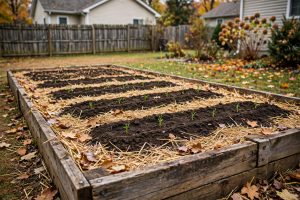
The soil should drain in minutes, not hours. A simple test helps. Dig a hole six inches deep. Fill it with water. If the water drains within an hour, the spot is fine. Raised beds also work well and are easy to build. Monrovia and Proven Winners publish plain guides on soil and planting depth for shrubs like lavender.
Space plants 18 to 24 inches apart for English lavender. Space lavandin 24 to 36 inches apart. Good air flow cuts disease.
Watering New Plants
Water new plants once or twice a week for the first summer. Soak the root zone. Then let the soil dry before watering again. In the second year, cut back. Mature lavender in California often needs water only every two to three weeks in summer, and none in winter where rain falls.
Mulch with gravel or coarse sand, not bark. Bark holds moisture against the stems. Gravel keeps the crown dry and reflects heat, which lavender likes.
Care and Upkeep
Lavender is easy once it is settled. A few simple tasks keep it strong for ten years or more.
Prune once a year. Cut back about one third of the plant in late summer after bloom, or in early spring. Never cut into old bare wood. The plant may not regrow from old stems.
Deadhead spent flowers if you want a tidy look. Cut the flower stalks back to the leaves. This can bring a second, smaller bloom in fall.
Feed lightly. Lavender needs little food. Too much fertilizer makes soft growth with weak scent. A thin layer of compost in spring is enough. Do not use strong chemical feeds.
Watch for root rot. This is the main killer. It comes from too much water or poor drainage. If a plant turns gray and soft at the base, it is likely rot. Pull it out. Fix the drainage. Plant a new one.
Pests are few. Aphids may visit new growth. A strong spray of water knocks them off. Spittlebugs make foam on stems but do little harm. In warm California gardens, good air flow keeps most trouble away.
For year-round garden planning, Gardening Know How and The Old Farmer’s Almanac give month-by-month notes that suit many California zones.
Safety
Lavender is safe for most homes. The plant is not poisonous to people. The oil is strong and should not be eaten in large amounts. Keep essential oil bottles away from small children.
For pets, lavender is listed as mildly toxic to dogs and cats if eaten in quantity. Most pets leave the plant alone because of the strong scent. Still, watch curious puppies. The American Society for the Prevention of Cruelty to Animals keeps a plant list that pet owners can check.
In the garden, lavender poses no fire spark risk, but dry plants burn. In fire-prone California areas, keep lavender trimmed and watered near the house. Do not let dead thatch build up inside the plant. Many gardeners in fiddle leaf fig growing guides for California homes learn the same lesson about dry indoor and outdoor plants.
Wear gloves when pruning large bushes. The stems can be rough on bare hands. Wash hands after handling seed-starting chemicals if you use them, though plain seed needs none.
Frequently Asked Questions
How long do lavender seeds take to sprout? Most sprout in 14 to 28 days. Some take up to 40 days. Keep the soil moist and warm near 70 degrees. Do not throw the tray away too soon.
Can I sow lavender seed straight in the garden? Yes, in mild parts of California. Sow in early spring after the last frost risk. Press seeds into prepared soil. Water gently. Birds may eat some seed, so indoor starting gives better results.
Which lavender is best for Southern California heat? Spanish lavender and French lavender take heat well. English lavender also grows in the south if it gets afternoon shade and good drainage. Lavandin grows large and handles heat once settled.
Do lavender plants come back every year? Yes. Lavender is a perennial shrub. In California it stays green all year. It can live 10 to 15 years with good care. Replace old woody plants when they stop blooming well.
Why did my seedlings die after sprouting? The most common cause is damping off, a fungus that kills seedlings at the soil line. It comes from wet soil and poor air flow. Use clean mix, water from below if you can, and give light air movement. The Spruce gardening section explains damping off in plain terms.
How many plants will one packet give me? A packet of 50 seeds with 60 percent germination gives about 30 seedlings. After losses, expect 20 or more good plants. That is enough for a long border.
A Final Word
Lavender seed packets are a small buy with a large payoff for California homes. Pick a variety that fits your zone. Check the packet date. Sow indoors in late winter. Give the plants sun and sharp drainage. Prune once a year. In return you get years of scent, color, and bees in the garden, all from a packet that cost a few dollars.
References
ASPCA. (n.d.). Pet care and animal welfare resources. https://www.aspca.org Burpee. (n.d.). Seeds, plants, and gardening supplies. https://www.burpee.com Gardening Know How. (n.d.). Gardening guides and plant care. https://www.gardeningknowhow.com Gurney’s Seed & Nursery Co. (n.d.). Seeds, plants, and garden supplies. https://www.gurneys.com Monrovia. (n.d.). Plants for home gardens. https://www.monrovia.com National Institute of Food and Agriculture. (n.d.). Agricultural research and extension. https://www.nifa.usda.gov Park Seed. (n.d.). Seeds, plants, and gardening supplies. https://www.parkseed.com Proven Winners. (n.d.). Plants and gardening inspiration. https://www.provenwinners.com The Old Farmer’s Almanac. (n.d.). Gardening calendars and advice. https://www.almanac.com The Spruce. (n.d.). Home and garden advice. https://www.thespruce.com White Flower Farm. (n.d.). Plants, bulbs, and garden supplies. https://www.whiteflowerfarm.com
Was this guide helpful?

About Lisa Anderson
The My Garden US editorial team writes practical, in-depth home and garden guides for American homeowners — tested advice, no fluff.