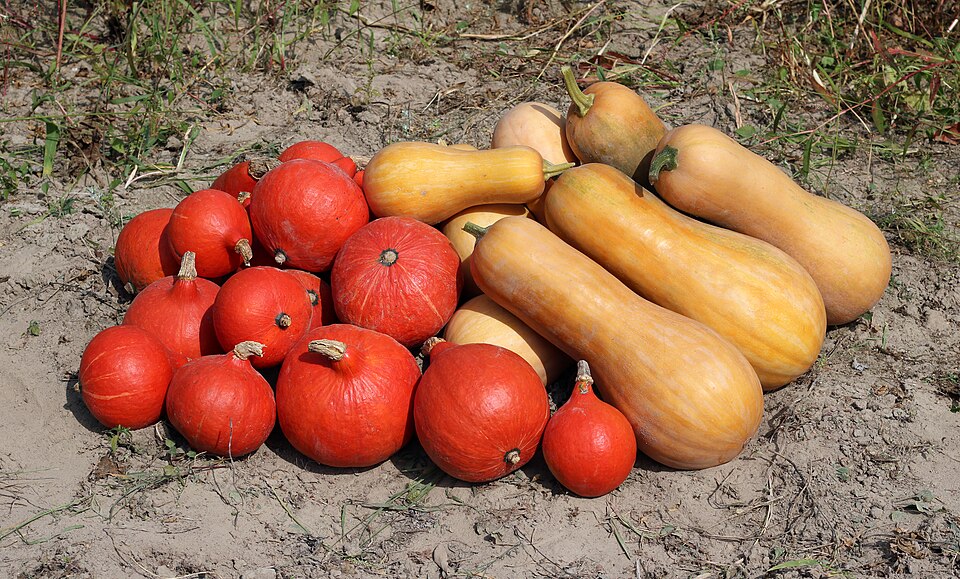
Winter Squash (Cucurbita maxima) is a vegetable that earns its keep. Hardy in zones 3 to 11, it wants full sun and rich, well-drained soil. Give vines room to roam or trellis smaller types. Cure harvested squash in the sun 1-2 weeks for longer storage. Get those basics right and the plant does the rest.
What follows is the complete season, step by step: varieties, planting dates by zone, soil and water, seasonal care, and harvest. Gardenia also carries a solid growing profile for winter squash as a second opinion.
Winter Squash earns its bed. The return is a fast payoff by garden standards: roughly 80 to 110 days from planting to harvest. Few other plantings turn a packet of seed into this much food or color this quickly. Gardeners in zones 3 through 11 can grow it outdoors without heroics. Needs 80+ frost-free days; marginal in zone 3 without an early variety.

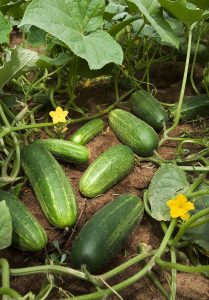
Photo: Wikimedia Commons
At a Glance
- Botanical name: Cucurbita maxima
- Type: Vegetable
- USDA zones: 3 to 11
- Sun: Full sun
- Soil: Rich, well-drained soil
- Water: Deep weekly watering
- Spacing: 36 inches (3 feet) apart
- Planting depth: 1 inch deep
- Days to maturity: 80 to 110 days
- How to start: Start indoors or sow directly
Choosing a Variety
Butternut is the all-purpose winner — sweet, easy to peel, and stores for months. Acorn is quick to mature for short seasons. Spaghetti squash gives pasta-like strands. Delicata has edible skin and needs no peeling. Kabocha is dense and sweet for roasting. Bush types fit small gardens; most need room to roam. In short seasons, count your frost-free days and choose varieties that mature within them. Cure and store properly and one planting feeds you through winter. Our guide to growing zucchini pairs well with this one if you are planning the bed. Compare variety descriptions at the Clemson Home and Garden Information Center before you buy seed.
When and How to Plant
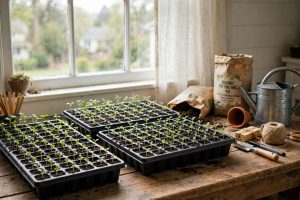
Plant at the wrong time and winter squash sulks; plant at the right time and it takes off. Start seeds indoors about 3 weeks before your last spring frost.
Move transplants outside about 2 weeks after your last spring frost, once nights stay reliably warm. Sow seed directly about 2 weeks after your last spring frost, once the soil has warmed.
Do not guess your frost dates — check your USDA zone planting dates on our planting calendar and work backward from there. The Almanac’s planting calendar gives a second reference.
Set plants 36 inches (3 feet) apart with seed or crowns 1 inch deep, in ground loosened a good 8 inches down. Tight spacing starves plants of air and light. Needs 80+ frost-free days; marginal in zone 3 without an early variety. The Old Farmer’s Almanac has more on timing winter squash by region.
Soil and Sun
Two things decide how your winter squash performs: light and ground. Give it full sun, and plant in rich, well-drained soil. Compost — 2 to 3 inches mixed into the bed — is the single best amendment for almost any soil.
Do not plant in a low spot where water stands after rain; roots rot there. Raised beds solve most drainage sins. The Missouri Botanical Garden covers soil prep for winter squash in plain detail.
Watering and Feeding
Winter squash does best with deep weekly watering. Water early in the day so leaves dry by nightfall, and aim the hose at the base — wet foliage invites half the diseases in this guide’s troubleshooting section.
Container plants dry out far faster than garden beds — check pots daily in summer heat. In the ground, mulch 2 to 3 inches deep to even out moisture. See the Gardenia for watering schedules by region.
Fertilizer is seasoning, not the meal. A bed enriched with compost at planting, plus one light feeding mid-season, carries winter squash through. Too much nitrogen gives leaves instead of the harvest you actually want.
Care Through the Season
Once established, winter squash runs on routine. Water deeply at the base, keeping leaves dry to discourage powdery mildew, and mulch once vines run. Guard against squash vine borers by wrapping lower stems with foil or row cover early, and crush squash bug eggs found under leaves. Reduce watering as fruits mature to concentrate flavor. A weekly walk-through to check water, weeds, and pests keeps small issues small.
And do not skip this: give vines room to roam or trellis smaller types. cure harvested squash in the sun 1-2 weeks for longer storage. Simple, free, and effective — the best kind of garden advice. For a neighboring planting, see our guide to growing sweet corn. For pest ID with photos, the Gardenia guides are hard to beat.
Keep a simple garden log: planting date, variety, weather quirks, what worked. Next season that notebook is worth more than any new product, because your own yard’s history beats generic advice every time.
Season by Season
A simple seasonal rhythm keeps winter squash productive. Spring — Start seeds indoors about 3 weeks before your last spring frost. Move transplants outside about 2 weeks after your last spring frost, once nights stay reliably warm. Sow seed directly about 2 weeks after your last spring frost, once the soil has warmed. Work compost in early and harden seedlings before transplanting. Summer — consistent water, a fresh mulch layer, and a weekly pest check; harvest promptly and often. Fall — final pickings, then cleanup: In mild-winter areas, a late planting can carry the harvest into cool weather; elsewhere, finish up before hard frost. Compost what is healthy and mulch the bare ground. Winter — plan, order, and maintain. In winter, rest: clean tools, order seed early for the best selection, and sketch next year’s bed plan while the garden sleeps.
Harvest
Harvesting winter squash well is a skill worth learning: pick at peak ripeness, handle gently, and store correctly, and the harvest lasts far longer.
Harvest when rinds are hard enough to resist a fingernail dent and stems have dried, cutting with a few inches of stem attached. Cure in a warm sunny spot for 1 to 2 weeks to harden skins for storage, then keep cool and dry for months. Pro tip: unripe or uncured squash rots in storage, so never rush the harvest or skip curing. Pair this planting with our guide to growing cucumbers and the two harvests will overlap nicely. The University of Minnesota Extension covers harvest handling for winter squash in more depth.
Storing and Preserving the Harvest
Eat fresh first — nothing you preserve will beat winter squash picked at peak. Refrigerate what you cannot use right away; most vegetables hold several days to two weeks chilled. For the surplus, freezing is the simplest path: blanch cut pieces briefly in boiling water, plunge into ice water, drain well, and pack in freezer bags with the air pressed out. Frozen vegetables keep their quality for months and go straight into cooked dishes. Canning suits the harvest glut too — high-acid foods like tomatoes are safe in a water bath, but low-acid vegetables must go through a pressure canner; never guess at this, since botulism is odorless. Root types such as carrots store for months in a cool, humid spot, packed in damp sand. Label every bag or jar with the variety — by midwinter every frozen bag looks identical, and the label is the difference between a planned meal and a mystery.
Troubleshooting
Vine borers and squash bugs, as with zucchini. Powdery mildew late in the season — harvest before it ruins storage quality. Rotting in storage means fruit was not cured or the rind was not hard — cure properly. Poor fruit set comes from too few pollinators. The USDA PLANTS database problem guides cover these issues with photos, which helps when words fall short.
Frequently Asked Questions
How long does winter squash take to grow?
About 80 to 110 days from planting to harvest, depending on variety and weather. Warm seasons and good soil hit the early end of that range.
Can I grow winter squash in containers?
Yes, in a roomy container — think 5 gallons or larger with drainage holes. Compact varieties do best in pots. In-ground plants still outperform pots, but a sunny patio works fine.
What is the hardest part of growing winter squash?
Give vines room to roam or trellis smaller types. Cure harvested squash in the sun 1-2 weeks for longer storage. Master that one point and most other problems never show up.
When should I plant winter squash?
Work backward from your frost dates: Start seeds indoors about 3 weeks before your last spring frost. Move transplants outside about 2 weeks after your last spring frost, once nights stay reliably warm. Sow seed directly about 2 weeks after your last spring frost, once the soil has warmed. Check your USDA zone planting dates on our planting calendar to pin down your exact window.
References
University of Minnesota Extension. (n.d.). Growing winter squash in home gardens. https://extension.umn.edu/
Clemson Cooperative Extension. (n.d.). Winter Squash. Home & Garden Information Center. https://hgic.clemson.edu/
Old Farmer’s Almanac. (n.d.). Planting calendar. https://www.almanac.com/planting-calendar
U.S. Department of Agriculture. (n.d.). Cucurbita maxima. PLANTS database. https://plants.usda.gov/home
Was this guide helpful?

About My Garden US
The My Garden US editorial team writes practical, in-depth home and garden guides for American homeowners — tested advice, no fluff.