Table of Contents
Table of Contents
- Choosing a Variety
- When and How to Plant
- Timing your sowing
- Spacing, depth, and days to harvest
- Soil and Sun
- Light needs
- Building good soil
- Watering and Feeding
- Watering routine
- Feeding
- Care Through the Season
- Companions and Placement
- Harvest
- Troubleshooting
- Through the Seasons
- Spring
- Summer
- Fall and Winter
- Quick Answers
- Using the Harvest
- Keep Growing
- References
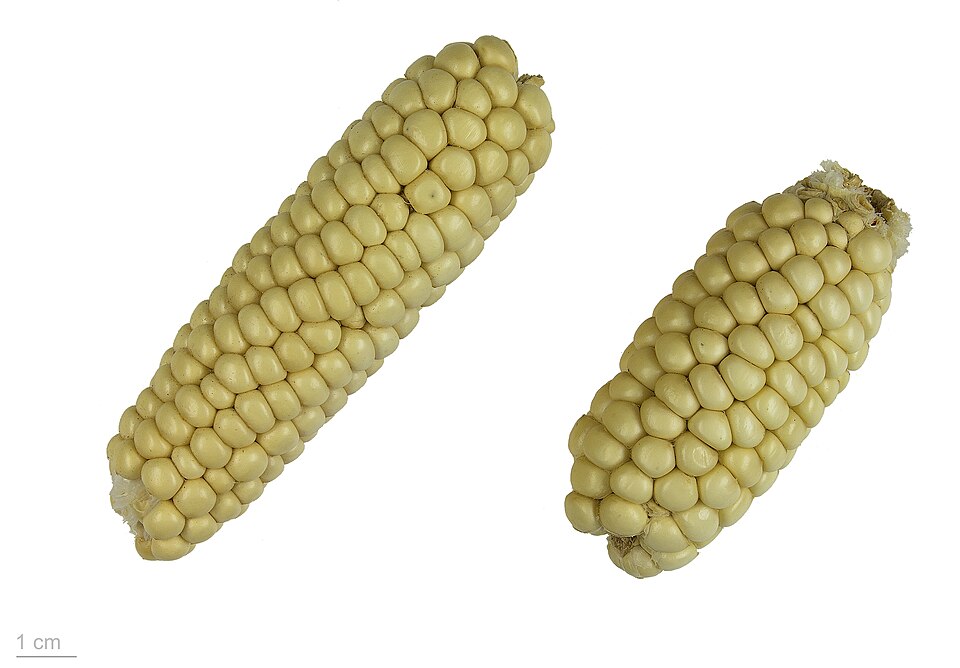
Photo: Wikimedia Commons
Nothing from a store tastes like corn picked an hour ago - the sugars start turning to starch the moment the ear leaves the stalk, which is why homegrown corn ruins store corn forever. Sweet corn is a grass that wants heat, rich soil, and company: it is wind-pollinated, so a lone row sets half-empty ears while a block sets full ones. Learning how to grow sweet corn means unlearning the tidy single-row habit and planting a chunky block instead, then feeding and watering generously. The USDA PLANTS entry for Zea mays confirms its warm-season, heavy-feeding nature.
This guide covers block planting, the nitrogen schedule, silking-stage watering, earworm defense, and the milky-kernel harvest test. For a quick botanical overview, see the USDA PLANTS entry for Zea mays.
Choosing a Variety
When it comes to how to grow sweet corn, getting the details right makes all the difference.

Many homeowners find that how to grow sweet corn is easier than they expected once they know the basics.
Choose by sweetness type. Old-fashioned sugary (su) types like Golden Bantam have classic corn flavor but convert sugar to starch fast - pick and cook immediately. Sugar-enhanced (se) types stay sweet for days off the stalk and are the best all-round choice for home gardens. Supersweet (sh2) types are candy-sweet and hold for a week, but need warm soil to germinate and taste less corny to some. Never plant different types side by side; cross-pollination makes supersweets starchy. The Old Farmer's Almanac guide to sweet corn explains isolation distances. For short seasons, pick an early variety maturing in about 70 days; main-season types need up to 100. Plant one variety per block and stagger blocks two weeks apart for a long harvest.
When and How to Plant
Many homeowners find that how to grow sweet corn is easier than they expected once they know the basics.
The key to how to grow sweet corn is choosing the right approach for your space and budget.
Timing your sowing
Sweet Corn goes straight into the ground where it will grow - it does best sown in place. Sow about 2 weeks after your last spring frost, wait until the soil is warm to the touch - corn sulks in cold ground. Sow 1.5 inches deep, then thin or space seedlings to about 12 inches apart. Crowded plants stay small and invite disease, so give them the room the packet calls for.
Spacing, depth, and days to harvest
From sowing to harvest takes roughly 70 to 100 days, so you can count forward from your planting date and know about when to start watching. Stagger plantings two weeks apart for a longer season, but keep blocks of the same variety together to avoid cross-pollination oddities.
Watch the soil, not the calendar. A thermometer reading beats any date, and sowing into ground that is ready matters more than sowing on a particular day. Mark new rows clearly; every garden grows a mystery row by midsummer.
Frost-date charts from a ZIP-code planting calendar help if you are new to reading your zone.
Soil and Sun
The key to how to grow sweet corn is choosing the right approach for your space and budget.
With a little planning, how to grow sweet corn can fit even a busy schedule.
Light needs
It wants full sun - six to eight hours of direct light a day. Less than that and growth turns leggy and yields fall off.
Building good soil
The soil recipe is simple: nitrogen-rich, fertile soil. A generous digging-in of compost at planting time fixes most imperfect soils.
Hardy in zones 3 through 11, it fits most of the country. If you garden at the cold edge of the range, a sheltered microclimate near a wall buys you a few degrees of safety.
A two-inch mulch of straw or shredded bark does triple duty: it conserves water, suppresses weeds, and moderates soil temperature. Keep mulch a finger's width from stems to prevent rot.
Soil testing labs listed through the University of Minnesota Extension can confirm your pH before you plant.
Watering and Feeding
With a little planning, how to grow sweet corn can fit even a busy schedule.
Before you start, it helps to understand how how to grow sweet corn works in real homes.
Watering routine
It drinks heavily in warm weather. Mulch thickly to cut evaporation, then water deeply when the top inch of soil dries.
Feeding
Corn is one of the heaviest feeders in the garden: side-dress with nitrogen when plants are knee-high and again at tasseling. Go light on fertilizer. Compost worked in at planting plus a mid-season mulch feeding will carry it; overfeeding causes more problems than it solves.
Morning watering is the rule: leaves dry fast in rising sun, denying fungal diseases the damp nights they love. Drip irrigation or a soaker hose waters roots without wetting leaves at all.
Irrigation basics from Clemson's Home & Garden Information Center apply to all of these schedules.
Care Through the Season
Before you start, it helps to understand how how to grow sweet corn works in real homes.
A good plan for how to grow sweet corn saves time, money, and frustration.
Through the season, water deeply, especially during silking and ear fill - drought then means missing kernels at the ear tip, the classic disappointment. Side-dress with nitrogen when plants are knee-high and again as tassels emerge; corn's appetite is legendary. Hill a little soil against the stalks to anchor them against wind. Watch for corn earworms: a drop of mineral oil on the silks after pollination deters them, and Bt spray handles serious infestations. Raccoons love ripe corn as much as you do, so fence the patch or accept sharing - UF/IFAS Gardening Solutions has wildlife notes for Southern growers. Keep the block weeded early; once the canopy closes, weeds give up.
Companions and Placement
A good plan for how to grow sweet corn saves time, money, and frustration.
For most people, how to grow sweet corn comes down to a few smart choices.
Sweet Corn shares the vegetable bed happily with Green Beans, Potato, and Tomato - all want the same sunny, fertile ground and similar watering. Think in families when you plan: follow heavy feeders like corn with light feeders like beans, which return nitrogen to the soil, and never plant the same family in the same bed two years running. Good air flow between rows matters as much as good neighbors; crowded beds stay damp and disease follows damp. Tuck quick crops like radishes between slow ones to use every inch, and keep a path wide enough for a wheelbarrow - you will thank yourself at harvest time.
Harvest
For most people, how to grow sweet corn comes down to a few smart choices.
If you are new to how to grow sweet corn, start with the simplest option and build from there.
The test is famous: when silks turn brown and dry, peel back the husk a crack and pierce a kernel with your thumbnail. Milky juice means ready; clear juice means wait; doughy means you waited too long. Ears feel plump and blunt-tipped when filled out - the Missouri Botanical Garden plant finder describes the same check. Pick in the cool of the morning and get ears into cold water or the pot fast, because sugars convert to starch within hours at room temperature. Twist ears downward to snap them off cleanly. Expect one to two ears per stalk on most varieties; the second ear ripens a few days after the first.
Troubleshooting
If you are new to how to grow sweet corn, start with the simplest option and build from there.
When it comes to how to grow sweet corn, getting the details right makes all the difference.
Half-empty ears mean poor pollination - the block was too small or a windstorm hit during silking; plant bigger blocks next time. In extreme heat you can even hand-pollinate by shaking tassels over silks. Worms in the ear tips are corn earworms; the damage is cosmetic if you just cut off the tip, and oiled silks prevent most of it. Yellow striping on leaves signals nitrogen hunger - side-dress immediately. The USDA National Agricultural Library indexes extension guides on corn pests. Lodged (blown-over) stalks usually right themselves; hill soil against them and resist the urge to stake every plant. Stunted, purple-tinged seedlings were planted in cold soil; replant when it warms.
Through the Seasons
When it comes to how to grow sweet corn, getting the details right makes all the difference.
Many homeowners find that how to grow sweet corn is easier than they expected once they know the basics.
Spring
Spring is for preparation and planting. Loosen the bed, mix in compost, and get sweet corn in the ground when the soil - not the calendar - says ready. Label every row at planting time; by midsummer all seedlings look alike. Water new plantings gently but thoroughly, and mulch once they are a few inches tall to lock in the spring moisture.
Summer
Through summer, keep the water steady and the harvest coming. Sweet Corn does its heaviest work in the warm months, so do not let weeds steal its water or let pests build up unnoticed. Mulch keeps roots cool when the sun is fierce. Sow succession crops in gaps as early plantings finish - bare summer soil is a wasted opportunity and a weed invitation.
Fall and Winter
As the season winds down, harvest the last of the sweet corn before hard frost, then clear the bed. Compost disease-free foliage and trash the rest. A blanket of shredded leaves over the empty bed protects the soil all winter. Order next year's seed early - popular varieties sell out by planting time.
Quick Answers
Many homeowners find that how to grow sweet corn is easier than they expected once they know the basics.
How long until I can harvest sweet corn?
About 70 to 100 days from sowing to harvest under good conditions - count forward from your planting date to know when to start watching.
Where will sweet corn grow?
Zones 3 through 11. Inside that range it is hardy and reliable; outside it, grow as an annual or in containers.
Does sweet corn need full sun?
Full sun. Give it the sunniest spot you have; shade-grown plants disappoint.
What spacing does sweet corn need?
About 12 inches apart. Crowding stunts plants and invites disease, so give each one its room - the harvest is bigger, not smaller, for the space.
Using the Harvest
The rule is simple: pick it, cook it, eat it - every hour off the stalk costs sweetness. Boil or grill within the hour for the full experience, and try it Mexican street-corn style with lime, chili, and cheese. Cut kernels off the cob for freezing; blanch first and they keep beautifully. Stripped cobs simmer into a sweet corn stock that elevates chowders and risottos. Leftover grilled corn goes into salads, salsas, and succotash. Plant enough for the freezer and you will be eating summer in the depths of winter - nothing store-bought comes close. Browse more plant profiles at Gardenia.net's plant profiles for ideas.
Keep Growing
How to grow sweet corn, boiled down: plant a block, not a row; feed it like it is hungry, because it is; water through silking; pick at the milky stage and cook fast. Do that and you will understand why gardeners bother. For sowing dates, check your USDA zone planting dates and fill the summer garden around it with our guides to how to grow green beans, how to grow potatoes, and how to grow tomatoes - corn's classic warm-season companions.
References
- Old Farmer's Almanac. (n.d.). Growing sweet corn in home gardens. https://www.almanac.com/
- U.S. Department of Agriculture. (n.d.). Sweet Corn (Zea mays) plant profile. https://plants.usda.gov/home
- University of Minnesota Extension. (n.d.). Growing sweet corn in home gardens. https://extension.umn.edu/
- Clemson University Cooperative Extension. (n.d.). Home & Garden Information Center. https://hgic.clemson.edu/
Was this guide helpful?

About My Garden US
The My Garden US editorial team writes practical, in-depth home and garden guides for American homeowners — tested advice, no fluff.