Table of Contents
Table of Contents
- Choosing a Variety
- When and How to Plant
- Timing your sowing
- Spacing, depth, and days to harvest
- Soil and Sun
- Light needs
- Building good soil
- Watering and Feeding
- Watering routine
- Feeding
- Care Through the Season
- Companions and Placement
- Harvest
- Troubleshooting
- Through the Seasons
- Spring
- Summer
- Fall and Winter
- Quick Answers
- Using the Harvest
- Keep Growing
- References
Photo: Wikimedia Commons
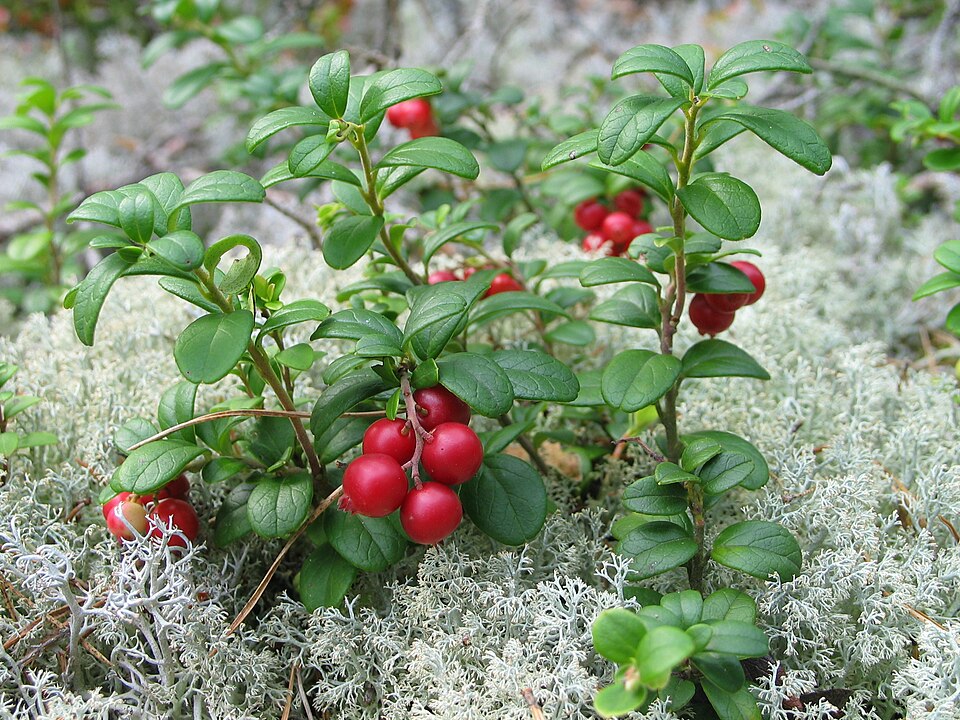
Lingonberries are Scandinavia's beloved berry - tart, bright red, and so full of natural preservatives they keep for weeks in the fridge without any fuss. The plants are low evergreen groundcovers that look handsome year-round, fruiting up to twice a year in cool climates. They are cousins of blueberries and just as fussy about soil: acidic, acidic, acidic. Get the pH right and they are nearly carefree; get it wrong and they sulk.
Learning how to grow lingonberries means thinking like a blueberry grower - peat, pine needles, no lime - and being patient while the slow-growing plants knit into a mat. The USDA PLANTS entry for Vaccinium vitis-idaea confirms its northern, acid-soil nature. This guide covers soil prep, planting, mulching, and the long, easy harvest. For a quick botanical overview, see the USDA PLANTS entry for Vaccinium vitis-idaea.
Choosing a Variety
When it comes to how to grow lingonberries, getting the details right makes all the difference.

Many homeowners find that how to grow lingonberries is easier than they expected once they know the basics.
Plant two varieties for the best yield, though lingonberries are partly self-fertile - a partner bush noticeably increases the crop. European-bred types like Koralle and Red Pearl are the standards, selected for heavier fruiting; they are the ones most American nurseries carry. Buy small potted plants rather than seed; named varieties come true only from cuttings or divisions. The Old Farmer's Almanac guide to lingonberries notes the double-crop habit: a summer crop on old wood and a fall crop on new growth in cool regions. Space plants twelve to eighteen inches apart as an edible groundcover - they spread slowly into a weed-smothering evergreen mat that fruits.
When and How to Plant
Many homeowners find that how to grow lingonberries is easier than they expected once they know the basics.
The key to how to grow lingonberries is choosing the right approach for your space and budget.
Timing your sowing
Lingonberry is almost always planted from nursery stock, bare-root plants, or divisions rather than seed. Set plants out around your last spring frost, about a week after it, when the soil is workable and warming. Plant at the same depth the plant grew in its pot, firm the soil gently, and water it in well.
Spacing, depth, and days to harvest
The first season is mostly about roots and establishment; the real payoff begins in the second season, so plant with patience.
Nursery plants establish fastest when set out on a cloudy day or in the evening, giving roots a night to settle before facing sun. Water them in deeply - the first watering is the most important one.
Frost-date charts from a ZIP-code planting calendar help if you are new to reading your zone.
Soil and Sun
The key to how to grow lingonberries is choosing the right approach for your space and budget.
With a little planning, how to grow lingonberries can fit even a busy schedule.
Light needs
Full sun is ideal, but light afternoon shade is fine and even welcome in hot regions.
Building good soil
The soil recipe is simple: acidic (ph 4.5-5.5), well-drained soil. A generous digging-in of compost at planting time fixes most imperfect soils.
It is rated for zones 2 to 7. Outside that range, treat it as an annual or grow it in containers you can move with the seasons.
A two-inch mulch of straw or shredded bark does triple duty: it conserves water, suppresses weeds, and moderates soil temperature. Keep mulch a finger's width from stems to prevent rot.
Soil testing labs listed through the University of Minnesota Extension can confirm your pH before you plant.
Watering and Feeding
With a little planning, how to grow lingonberries can fit even a busy schedule.
Before you start, it helps to understand how how to grow lingonberries works in real homes.
Watering routine
Keep the soil evenly moist but not soggy. An inch of water a week, from rain or the hose, is the usual target.
Feeding
Feed with an acid-forming fertilizer for azaleas or blueberries, lightly, in spring; never use lime or wood ash near them. Go light on fertilizer. Compost worked in at planting plus a mid-season mulch feeding will carry it; overfeeding causes more problems than it solves.
Morning watering is the rule: leaves dry fast in rising sun, denying fungal diseases the damp nights they love. Drip irrigation or a soaker hose waters roots without wetting leaves at all.
Irrigation basics from Clemson's Home & Garden Information Center apply to all of these schedules.
Care Through the Season
Before you start, it helps to understand how how to grow lingonberries works in real homes.
A good plan for how to grow lingonberries saves time, money, and frustration.
Through the season, water regularly; lingonberries hate drying out but also hate waterlogging, so steady moisture in well-drained acidic soil is the target. Refresh the pine-needle mulch each year to hold acidity and smother weeds - weed carefully by hand, since the roots are shallow and tear easily. No real pruning is needed; just remove dead patches. Few pests trouble them, though root rot strikes in heavy soil, so drainage is everything. Be patient: they establish slowly, and the University of Minnesota Extension notes that acid-loving berries take a season or two to settle. Never lime the bed or toss wood ash on it; one careless application can undo years of acid-building.
Companions and Placement
A good plan for how to grow lingonberries saves time, money, and frustration.
For most people, how to grow lingonberries comes down to a few smart choices.
Grow lingonberries with Blueberry, Cranberry, and Honeyberry in a dedicated fruit area with full sun and room to work around each plant. Pruning is the recurring job in any fruit planting - learn the cuts for each type and do them yearly, since neglected wood means neglected crops. Keep the patch weeded and mulched; grass competing at the roots steals water and nutrients. Plan for birds from the start with netting or a shared-harvest mindset. Harvest often and process promptly; fruit waits for no one.
Harvest
For most people, how to grow lingonberries comes down to a few smart choices.
If you are new to how to grow lingonberries, start with the simplest option and build from there.
Berries ripen to bright red and keep for weeks refrigerated thanks to natural benzoic acid - no other home berry stores so well fresh. Harvest by hand or with a berry rake, and know that flavor improves after cool weather; early berries are tarter. They are classic for sauces, jam, and juice, where their tartness shines against rich foods - the Missouri Botanical Garden plant finder notes their traditional use with game and winter dishes. Freeze the surplus on trays; they freeze beautifully. Once the mat is established, expect reliable crops for many seasons with almost no work - this is a plant-it-and-pick-it berry.
Troubleshooting
If you are new to how to grow lingonberries, start with the simplest option and build from there.
When it comes to how to grow lingonberries, getting the details right makes all the difference.
Yellow leaves with green veins mean the pH is too high - iron chlorosis, the classic acid-lover complaint. Test the soil and amend with sulfur or peat; the USDA National Agricultural Library carries extension guides on acidifying soil. Plants that stall in summer heat are telling you the climate is marginal; above zone 7, lingonberry burns out no matter what you do. Mushy crowns point to waterlogged soil - rebuild the bed with better drainage. Sparse fruiting on a single variety improves dramatically with a second variety planted nearby. And if weeds are winning, thicken the pine-needle mulch rather than hoeing, which damages the shallow roots.
Through the Seasons
When it comes to how to grow lingonberries, getting the details right makes all the difference.
Spring
Spring is the busiest fruit season: prune before bud break, top-dress with compost, and mulch the root zones. Set out new plants early so roots establish before heat. Hang bird netting before fruit colors - once birds find the crop, netting is a rescue, not a plan.
Summer
Summer means water, netting, and harvest. Keep fruiting plants evenly watered - drought during fruit swell costs size and flavor. Pick at peak ripeness and process promptly; fruit waits for no one. After harvest, prune out spent wood where the type calls for it, and keep up with weeds.
Fall and Winter
In fall, clean up fallen fruit to break pest cycles, and do the dormant pruning each type needs. Mulch root zones after the ground cools. Winter is for planning and ordering - new bushes planted in early spring establish fastest. Sharpen pruners; spring comes fast.
Quick Answers
How long until I can harvest lingonberries?
The first season is about establishment; expect the real harvest to begin in the second season. Perennials reward patience.
Where will lingonberries grow?
Zones 2 through 7. Inside that range it is hardy and reliable; outside it, grow as an annual or in containers.
Does lingonberries need full sun?
Full sun to part shade. A little afternoon shade is welcome where summers run hot.
What spacing does lingonberries need?
About 12 inches apart. Crowding stunts plants and invites disease, so give each one its room - the harvest is bigger, not smaller, for the space.
Using the Harvest
The classic use is lingonberry sauce - tart, bright, and the traditional partner for rich meats, pancakes, and winter dishes. Cooked with sugar into jam, the berries' natural preservatives make it keep remarkably well. Their juice, sweetened lightly, is refreshing over ice, and the berries freeze perfectly for year-round use. Fold them into muffins and quick breads where cranberries would go, or dry them like raisins for trail mix. Because fresh berries keep for weeks refrigerated, there is no rush to process the harvest - pick, refrigerate, and cook at leisure. Browse more plant profiles at Gardenia.net's plant profiles for ideas.
Keep Growing
How to grow lingonberries comes down to acid soil, steady moisture, and patience: treat them like blueberries, mulch with pine needles, and let the evergreen mat do its slow work. For planting dates, check your USDA zone planting dates and grow them with their acid-loving relatives - our guides to how to grow blueberries, how to grow cranberries, and how to grow honeyberries share the same peat-and-pine-needle playbook.
References
- U.S. Department of Agriculture. (n.d.). Lingonberry (Vaccinium vitis-idaea) plant profile. https://plants.usda.gov/home
- University of Minnesota Extension. (n.d.). Growing lingonberries in home gardens. https://extension.umn.edu/
- Clemson University Cooperative Extension. (n.d.). Home & Garden Information Center. https://hgic.clemson.edu/
- Old Farmer's Almanac. (n.d.). Growing lingonberries in home gardens. https://www.almanac.com/
Was this guide helpful?

About My Garden US
The My Garden US editorial team writes practical, in-depth home and garden guides for American homeowners — tested advice, no fluff.
You May Also Like
How to Grow Asparagus: A 20-Year Bed
November 11, 2026 6 views
How to Stratify Native Wildflower Seeds Before Sowing
November 3, 2026 17 views
Garlic Bulbs Planting Buying Guide USA: How to Choose and Grow Seed Garlic
February 11, 2026 26 views