Table of Contents
Table of Contents
- Choosing a Variety
- When and How to Plant
- Timing your sowing
- Spacing, depth, and days to harvest
- Soil and Sun
- Light needs
- Building good soil
- Watering and Feeding
- Watering routine
- Feeding
- Care Through the Season
- Companions and Placement
- Harvest
- Troubleshooting
- Through the Seasons
- Spring
- Summer
- Fall and Winter
- Quick Answers
- Using the Harvest
- Keep Growing
- References
Photo: Wikimedia Commons
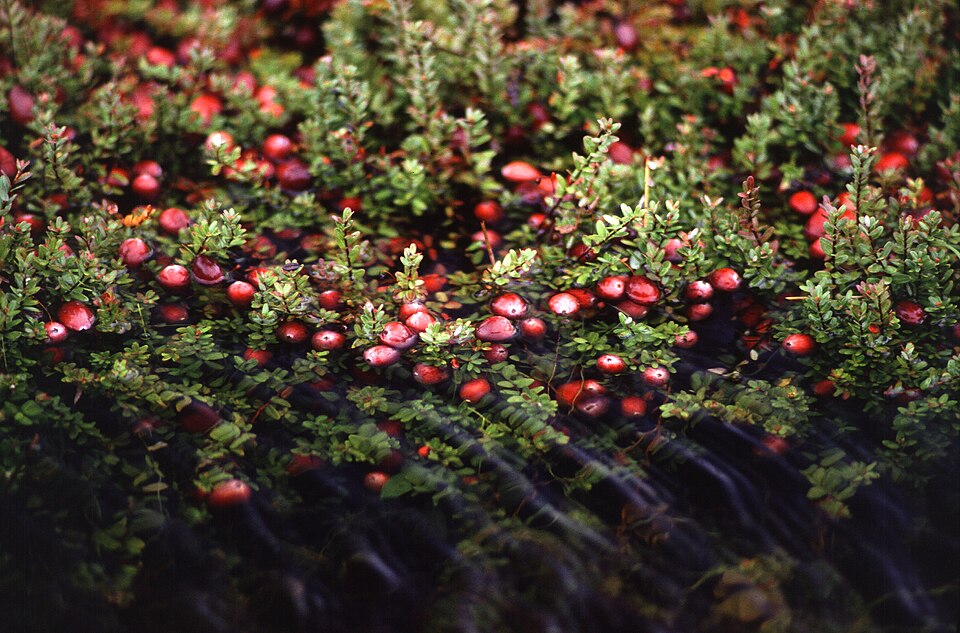
Cranberries are the great American bog fruit, and yes, you can grow them at home - no flooded commercial bog required. A small bed built like a shallow bowl of acidic, sandy peat stays moist enough for the low, spreading vines, which knit into an evergreen fruiting mat. The berries keep for months in the fridge and freeze perfectly, so a 4-by-8-foot bed can cover a household's sauce needs. Learning how to grow cranberries is mostly a construction project: get the acid-moist bed right and the plants nearly care for themselves.
The USDA PLANTS entry for Vaccinium macrocarpon confirms its bog-native, acid-demanding nature. This guide covers building the bed, planting, watering, pests, and the famous bounce test. For a quick botanical overview, see the USDA PLANTS entry for Vaccinium macrocarpon.
Choosing a Variety
When it comes to how to grow cranberries, getting the details right makes all the difference.

Many homeowners find that how to grow cranberries is easier than they expected once they know the basics.
Named varieties like Stevens, Ben Lear, and Pilgrim are selected for large berries and heavy crops; Stevens is the all-round reliable choice for home beds. Buy rooted cuttings or small potted plants - cranberries are not grown from seed by home gardeners. The Old Farmer's Almanac guide to cranberries notes that one variety is enough, since the flowers are self-fertile. Plant twelve inches apart; the runners will knit into a solid mat within two to three seasons. Order from a nursery that sells to home growers rather than commercial operations, so you get reasonable quantities.
When and How to Plant
Many homeowners find that how to grow cranberries is easier than they expected once they know the basics.
The key to how to grow cranberries is choosing the right approach for your space and budget.
Timing your sowing
Cranberry is almost always planted from nursery stock, bare-root plants, or divisions rather than seed. Set plants out around your last spring frost, about a week after it, when the soil is workable and warming. Plant at the same depth the plant grew in its pot, firm the soil gently, and water it in well.
Spacing, depth, and days to harvest
The first season is mostly about roots and establishment; the real payoff begins in the second season, so plant with patience.
The day you plant matters less than the week after: keep new plants watered and mulched while roots knit into the surrounding soil. An overcast planting day gives them the gentlest possible start.
Frost-date charts from a ZIP-code planting calendar help if you are new to reading your zone.
Soil and Sun
The key to how to grow cranberries is choosing the right approach for your space and budget.
With a little planning, how to grow cranberries can fit even a busy schedule.
Light needs
It wants full sun - six to eight hours of direct light a day. Less than that and growth turns leggy and yields fall off.
Building good soil
The soil recipe is simple: acidic (ph 4.5-5.5), sandy, constantly moist soil. A generous digging-in of compost at planting time fixes most imperfect soils.
It is rated for zones 2 to 7. Outside that range, treat it as an annual or grow it in containers you can move with the seasons.
A two-inch mulch of straw or shredded bark does triple duty: it conserves water, suppresses weeds, and moderates soil temperature. Keep mulch a finger's width from stems to prevent rot.
Soil testing labs listed through the University of Minnesota Extension can confirm your pH before you plant.
Watering and Feeding
With a little planning, how to grow cranberries can fit even a busy schedule.
Before you start, it helps to understand how how to grow cranberries works in real homes.
Watering routine
Plan on real water here. A deep soaking that wets the root zone beats daily sprinkles, which only wet the surface.
Feeding
Feed lightly with acid-forming fertilizer; never lime or ash the bed. It is not a heavy feeder. Rich soil plus compost is enough - save the strong fertilizer for the hungriest vegetables.
Water in the morning so foliage dries by evening - wet leaves overnight invite disease. A rain gauge, or even a tuna can set out in the rain, tells you how much fell; adjust the hose accordingly.
Irrigation basics from Clemson's Home & Garden Information Center apply to all of these schedules.
Care Through the Season
Before you start, it helps to understand how how to grow cranberries works in real homes.
A good plan for how to grow cranberries saves time, money, and frustration.
Through the season, keep the soil wet but not flooded - the bed should feel like a wrung-out sponge at all times. Top-dress with sand every couple of seasons; the sand encourages the upright fruiting stems and smothers weeds. Weed by hand, since the shallow mat tears easily under tools. Watch for cranberry fruitworm and tipworm; a brief flooding of the bed is the traditional organic knockdown, and UF/IFAS Gardening Solutions covers bog-garden pest notes for Southern growers at the warm edge. Prune back runners that escape the bed to keep the mat contained. In winter, the evergreen vines need no protection in their hardy range - snow is the perfect mulch.
Companions and Placement
A good plan for how to grow cranberries saves time, money, and frustration.
For most people, how to grow cranberries comes down to a few smart choices.
Cranberry anchors the fruit patch alongside Blueberry, Lingonberry, and Honeyberry, which share its love of sun and well-fed soil. Plan fruit plantings for the long term: bushes and trees stay put for decades, so give each its mature footprint from day one. Netting is worth planning before you plant - birds find ripe fruit faster than any gardener. Underplant with shallow-rooted companions like strawberries or herbs to use the ground between bushes, and mulch the whole patch to hold moisture and suppress weeds. A fruit patch near the kitchen gets picked; a distant one feeds the birds.
Harvest
For most people, how to grow cranberries comes down to a few smart choices.
If you are new to how to grow cranberries, start with the simplest option and build from there.
Harvest when berries are deep red and bounce - the bounce test is real: ripe cranberries bounce like tiny superballs, and it is as fun as it sounds. Hand-pick for fresh eating; berries store for months refrigerated thanks to natural preservatives, a trait the Missouri Botanical Garden plant finder highlights. Freeze the surplus unwashed on trays, then bag them; they go straight from freezer to saucepan for sauce. Expect light crops for the first year or two while the mat establishes, then increasing yields. A small bed, well kept, genuinely feeds a family's holiday table.
Troubleshooting
If you are new to how to grow cranberries, start with the simplest option and build from there.
When it comes to how to grow cranberries, getting the details right makes all the difference.
Berries that never color up usually need more sun or a longer season - cranberries want full sun and cold winters, and struggle in zones 8 and warmer. Yellow, stunted vines point to pH too high; test and amend with sulfur and peat, never lime. The USDA National Agricultural Library carries extension guides on home cranberry culture. Weeds invading the mat are best pulled by hand after rain; mulch with sand to suppress them. If the bed dries out in summer, the vines brown at the tips - water deeply and consider edging the bed higher to hold moisture. Fruitworm-damaged berries show tiny entry holes; pick them off and flood the bed briefly in spring as prevention.
Through the Seasons
When it comes to how to grow cranberries, getting the details right makes all the difference.
Spring
In spring, finish pruning, feed with compost, and mulch every bush and tree. Plant new fruit while dormant for the strongest start. Watch blossoms during late frosts; a floating cover on a cold night can save the crop. Get supports and trellises in place before growth makes it difficult.
Summer
Through summer, cranberries need steady water most of all - inconsistent moisture splits fruit and drops blossoms. Net before berries color, harvest every few days at the peak, and freeze or process the surplus the same day. A deep mulch keeps roots cool and moist through heat waves.
Fall and Winter
After harvest, tidy the patch: remove fallen fruit, prune as needed, and mulch for winter. Cranberry is hardy in zones 2 to 7 - beyond that range, container growing or a sheltered microclimate is the answer. Order new varieties in winter for the best selection come spring.
Quick Answers
How long until I can harvest cranberries?
The first season is about establishment; expect the real harvest to begin in the second season. Perennials reward patience.
Where will cranberries grow?
Zones 2 through 7. Inside that range it is hardy and reliable; outside it, grow as an annual or in containers.
Does cranberries need full sun?
Full sun. Give it the sunniest spot you have; shade-grown plants disappoint.
What spacing does cranberries need?
About 12 inches apart. Crowding stunts plants and invites disease, so give each one its room - the harvest is bigger, not smaller, for the space.
Using the Harvest
Homemade cranberry sauce from your own berries - simmered with sugar and orange - will end the canned-jelly era in your house permanently. The berries freeze perfectly unwashed, straight from the bed to the freezer bag, ready for sauce all winter. Bake them into muffins, quick breads, and pies; chop them into chutneys; dry them for trail mix and salads. Fresh berries keep for months refrigerated, so there is no processing panic at harvest. Simmered with a little sugar and strained, they make a tart juice that mixes beautifully into drinks. Browse more plant profiles at Gardenia.net's plant profiles for ideas.
Keep Growing
How to grow cranberries at home: build the acid-moist bed, plant the vines, keep it wet, and bounce-test the harvest. It is more construction than gardening, and the payoff lasts decades. For planting dates, check your USDA zone planting dates and grow them with their fellow acid-lovers - our guides to how to grow blueberries, how to grow lingonberries, and how to grow honeyberries want the same peat-and-pine-needle treatment.
References
- U.S. Department of Agriculture. (n.d.). Cranberry (Vaccinium macrocarpon) plant profile. https://plants.usda.gov/home
- University of Minnesota Extension. (n.d.). Growing cranberries in home gardens. https://extension.umn.edu/
- Clemson University Cooperative Extension. (n.d.). Home & Garden Information Center. https://hgic.clemson.edu/
- Old Farmer's Almanac. (n.d.). Growing cranberries in home gardens. https://www.almanac.com/
Was this guide helpful?

About My Garden US
The My Garden US editorial team writes practical, in-depth home and garden guides for American homeowners — tested advice, no fluff.