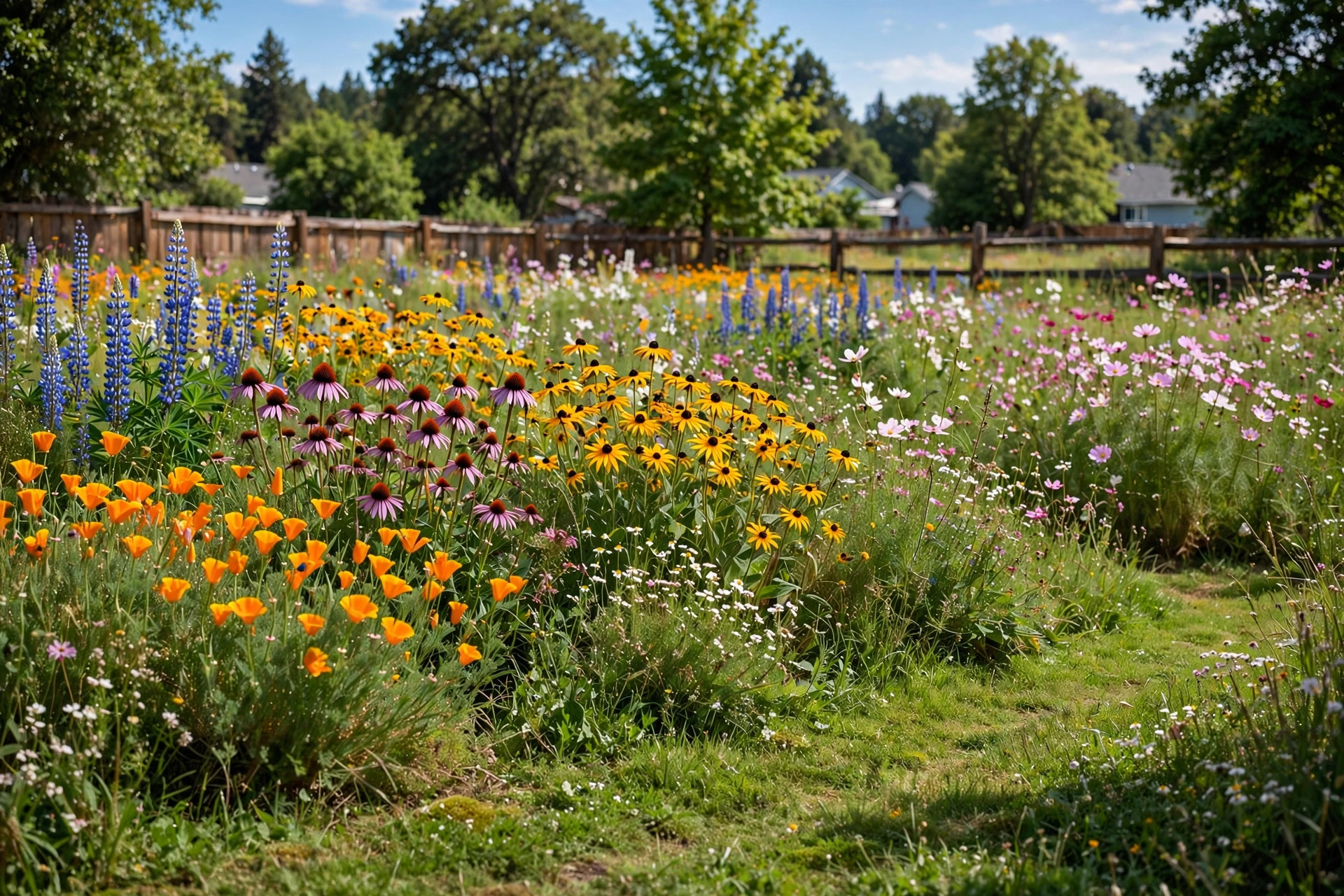

A patch of bare ground can become a meadow of color in a single season. The search for wildflower seed mixes USA online deals has grown in recent years, and for good reason. Seed mixes cost far less than nursery plants, and they cover large ground with little labor. Homeowners, schools, and even small farms now order seed by the pound over the internet and spread it across yards, roadsides, and field corners. The results are fields of poppies, coneflowers, black-eyed Susans, and lupines that ask for little water and less fuss.
Yet the internet is full of offers, and not all of them are equal. Some mixes contain good seed at a fair price. Others are mostly filler, dead seed, or kinds that will not grow where you live. A cheap packet that fails to sprout is no deal at all. This guide explains what wildflower seed mixes are, what to check before you buy, and how to judge the wildflower seed mixes USA online deals that fill the screen each spring.
Why Wildflower Seed Mixes Matter
A wildflower seed mix is a blend of flower seeds sold together in one bag or packet. Most mixes hold twenty to fifty kinds of seed. The makers pick kinds that bloom at different times, so the bed shows color from early summer to first frost. Some mixes are built for bees and butterflies. Others are built for dry ground, shade, or the cold north.
Wildflowers matter for more than looks. They feed bees, butterflies, and other insects that have lost much of their natural ground. A yard sown with native flowers can use less water than a lawn. It needs no weekly mowing and no chemical weed killer in most cases. Studies of pollinator gardens show that even small beds of flowers help local insect numbers rise again.
For the buyer, mixes are a simple path. Instead of buying ten packets one by one, you buy one bag. The work of mixing is done for you. When you find real wildflower seed mixes USA online deals, you can cover a quarter acre for the price of a few flats of bedding plants.
What to Look for Before You Buy: Wildflower Seed Mixes Usa Online Deals
Not every bag labeled “wildflower mix” holds what you want. Read before you click buy.
Check the Seed List
A good seller lists every kind of seed in the mix, usually by common name and Latin name. Look for names you know, such as echinacea, rudbeckia, gaillardia, coreopsis, and lupinus. Be wary of mixes that list only “wildflower blend” with no detail. A full seed list lets you check which kinds will grow in your state.
Also read the seed label for purity and germination rate. Honest sellers give the percentage of pure seed, the germination rate, and the weed seed content. A germination rate above 70 percent is sound. Weed seed should be under one percent, and noxious weeds should be zero. Federal and state seed laws in the United States require basic labeling, and a seller that hides the label is one to avoid.
Mind the Region
The United States has many climates, and no single mix fits them all. A mix made for the rainy Pacific Northwest will fail in hot Texas clay. Look for mixes labeled for your region: Northeast, Southeast, Midwest, Southwest, or West. Regional mixes cost a little more, but they sprout better and bloom longer. Many gardeners learn this lesson once and never forget it. A packet priced like a steal is dear if the flowers never come up.
If you are new to flower seed, the wildflower seed mixes buying guide usa walks through the basics of matching a mix to your ground.
Watch the Filler
Some cheap mixes are padded with filler: inert matter, chaff, or a large share of one cheap kind such as daisy seed. The label shows the share of each kind by weight. If one kind makes up half the bag, you are paying flower prices for one plain daisy. Better mixes spread the weight across many kinds.
Types of Wildflower Seed Mixes
Sellers offer several broad types. Pick the one that matches your land and your aim.
Annual Mixes
Annual mixes grow, bloom, and die in one year. They give the fastest color. Poppies, cosmos, baby’s breath, and bachelor buttons are common members. Annual mixes suit new beds and bare patches where you want results this summer. They cost less per pound than perennial mixes. Many of the best wildflower seed mixes USA online deals are on annual blends, sold in bulk in late winter and early spring.
Perennial Mixes
Perennial mixes hold flowers that live for years. Coneflowers, black-eyed Susans, blanket flowers, and wild lupines are the backbone. The first year shows little, often just green leaves. The second year brings the show. Perennial mixes cost more up front but pay back over time. They are the wise choice for a lasting meadow.
Regional and Native Mixes
Regional mixes use only flowers native to one part of the country. Native plants suit the local insects and need less water. They also avoid the risk of planting an aggressive kind from another land. If your aim is to help local wildlife, a regional native mix is the top pick.
Pollinator Mixes
Pollinator mixes are built for bees, butterflies, and hummingbirds. They hold flowers rich in nectar and pollen across the whole season. Milkweed for monarch butterflies is a common member. Schools and clubs often buy these mixes for garden projects. For readers who also keep houseplants, the guide to air plants bulk usa online deals covers bulk buying rules that work much the same way.
Low-Grow and Shade Mixes
Low-grow mixes stay short, often under two feet, and suit the front of beds or areas near sidewalks. Shade mixes hold flowers that tolerate trees and north walls. Both are specialty blends and cost more than plain annual mixes.
Cost and Price: Getting the Best Deals Online
Seed prices move with the season. The best wildflower seed mixes USA online deals usually appear in late winter, when sellers clear old stock before the new crop, and again in late fall, when demand drops. Buying in this off time can cut the price by a third or more.
Size matters. A one-ounce packet may cost five dollars, which works out to eighty dollars a pound. A one-pound bag of the same mix may cost thirty dollars. Bulk is almost always cheaper per ounce. For a large meadow, the five-pound and ten-pound bags are the true bargains. Check the coverage rate on the label. Most mixes cover 1,000 square feet per pound, but thin mixes need more.
Compare sellers on more than price. Shipping can eat the savings. Some shops ship free over a set amount, which makes a large order much cheaper. Watch for discount codes in spring garden catalogs. A few shops also offer loyalty points that add up over a season.
Be careful with auction sites and unknown sellers. Some sell old seed with weak germination. A deal is only a deal if the seed grows. Stick with established seed houses and garden shops that publish germination rates. Reader reviews help too, though a few bad reviews among many good ones are normal.
One more tip: join a local garden club or neighborhood group and buy together. A ten-pound bag split among five neighbors costs each person little and still covers a fine bed. This is the oldest trick in the seed world, and it still works.
How to Plant and Care for Wildflower Seeds
Buying the seed is half the job. Planting it well is the other half. Most wildflowers want full sun, six hours or more a day, and ground that is not rich. Rich soil grows weeds faster than flowers. Poor to average soil is best.
Prepare the bed in early spring or late fall. Remove the grass and weeds. You can smother grass with cardboard for a month, or dig it out by hand for small beds. Rake the ground to a fine, level surface. Mix the seed with sand or sawdust at a ratio of about four parts sand to one part seed. This helps you spread the seed evenly.
Scatter the seed by hand, then press it into the ground with the back of a rake or a lawn roller. Do not bury it deep. Most wildflower seed needs light to sprout and should sit near the surface. Water gently after planting, and keep the bed moist for the first four to six weeks. After that, most mixes need water only in long dry spells.
Fall planting works well in many states. Seed sown in late fall rests over winter and sprouts in spring. This is called frost seeding, and it suits perennial mixes best. Check your region’s advice before you try it.
Weeding matters in the first year. Learn what your seedlings look like, and pull the weeds around them. In the second year, the flowers will crowd most weeds out. Mow the bed once in late fall, after the flowers have dropped their seed, and leave the cut stems as winter shelter for insects.
If you also grow food plants, the habits carry over well. Many gardeners who order flower seed also read the heirloom vegetable seeds buying guide usa for their kitchen beds, since seed quality rules are much the same.
Safety Notes
Wildflower seed is safe to handle, but a few points are worth noting. Keep seed bags away from small children and pets. Some flower seeds, such as lupine and larkspur, are poisonous if eaten. Store seed in a cool, dry place in a sealed jar or bag. Heat and damp air kill germination.
Check your mix for invasive kinds. A flower that is a fine garden plant in one state can be a pest in another. Purple loosestrife and oxeye daisy have caused trouble in some regions. Buy regional mixes from trusted sellers to avoid this risk. If a mix lists a kind you do not know, look it up before you sow.
Wear gloves when you handle large amounts of seed and dust, and wash your hands after planting. These are small steps, but they keep a pleasant hobby safe.
Frequently Asked Questions
How much seed do I need for my yard?
Most wildflower mixes cover about 1,000 square feet per pound. Measure your bed in feet, multiply length by width, and divide by 1,000. A 20 by 25 foot bed needs about half a pound. When you buy, Burpee’s seed guide and similar pages list coverage rates for each mix, so check the number before you order.
When is the best time to order for the lowest price?
Late winter is the best time to hunt wildflower seed mixes USA online deals. Sellers discount last year’s stock before the new crop arrives. Late fall is the second-best window. Ordering early also means the seed is on hand when spring soil warms. The Almanac’s sowing calendar can help you time planting for your zone once the seed arrives.
Are cheap mixes from unknown sellers worth the risk?
Sometimes, but often not. Cheap seed with no germination rate on the label may be old stock that sprouts poorly. A packet at half price is no bargain if only a third of the seed grows. Trusted seed houses like Park Seed publish purity and germination numbers, and that honesty is worth a few extra dollars.
Can I mix two different seed blends together?
Yes, and many gardeners do. You can stir an annual mix into a perennial mix for first-year color while the perennials settle in. You can also add a pollinator blend to a regional mix. Planting tips on Gardening Know How explain how to blend mixes without over-seeding, which can crowd young plants.
Will wildflowers come back on their own each year?
Annuals reseed themselves if you leave the dead flowers standing until the seed drops. Perennials come back from their roots. After two or three years, a good meadow needs only a late-fall mowing. The Spruce’s meadow guides and White Flower Farm’s perennial notes both cover how to keep a wildflower bed going with little work.
Do I need to fertilize wildflowers?
No, in most cases. Wildflowers do best in plain soil. Fertilizer pushes fast weed growth and tall, weak flower stems. If your soil is very poor sand, a thin layer of compost at planting time is enough. Monrovia’s plant resources and Proven Winners’ garden guides both advise against heavy feeding for native flowers.
A Final Word
The hunt for wildflower seed mixes USA online deals is worth the effort. A little reading, a honest seed label, and a well-timed order can fill a whole yard with color for less than the price of a dinner out. Buy regional seed when you can, buy bulk when the ground is large, and plant in the right season. The bees will find you. Research from the USDA’s National Institute of Food and Agriculture shows that flower-rich ground supports the insects that farms and gardens depend on. That is a return no other deal can match.
References
Burpee. (n.d.). Seeds, plants, and gardening supplies. https://www.burpee.com Gardening Know How. (n.d.). Gardening guides and plant care. https://www.gardeningknowhow.com Monrovia. (n.d.). Plants for home gardens. https://www.monrovia.com National Institute of Food and Agriculture. (n.d.). Agricultural research and extension. https://www.nifa.usda.gov Park Seed. (n.d.). Seeds, plants, and gardening supplies. https://www.parkseed.com Proven Winners. (n.d.). Plants and gardening inspiration. https://www.provenwinners.com The Old Farmer’s Almanac. (n.d.). Gardening calendars and advice. https://www.almanac.com The Spruce. (n.d.). Home and garden advice. https://www.thespruce.com White Flower Farm. (n.d.). Plants, bulbs, and garden supplies. https://www.whiteflowerfarm.com
Was this guide helpful?

About Emily Rodriguez
The My Garden US editorial team writes practical, in-depth home and garden guides for American homeowners — tested advice, no fluff.
You May Also Like
How to Grow Bell Peppers: USA Gardener’s Guide
October 6, 2026 1 views
Dahlia Bulbs Bulk for Sale USA: How to Buy, Plant, and Enjoy Big Beds of Blooms
June 29, 2026 0 views
Garlic Bulbs Planting Reviews Buying Guide USA: A Complete 2026 Planting and Buying Guide
June 8, 2026 0 views