
Many homes hold items that need more care than a desk drawer can give. Passports, deeds, cash, jewelry, and spare keys all sit safer inside a locked box. A wall safe hides inside the wall itself. When it is closed and covered, a visitor may never know it is there. Choosing the best wall safe for home installation in the USA is not hard, but it does take some thought. The safe must fit the wall, hold what you own, and open in a way you trust. This guide walks through the main points in plain language so you can buy with care.
Why a Wall Safe Makes Sense
A wall safe offers two layers of defense. The first layer is the lock. The second layer is hiding. A thief who cannot find a safe cannot open it. That simple fact makes wall safes popular in American homes.
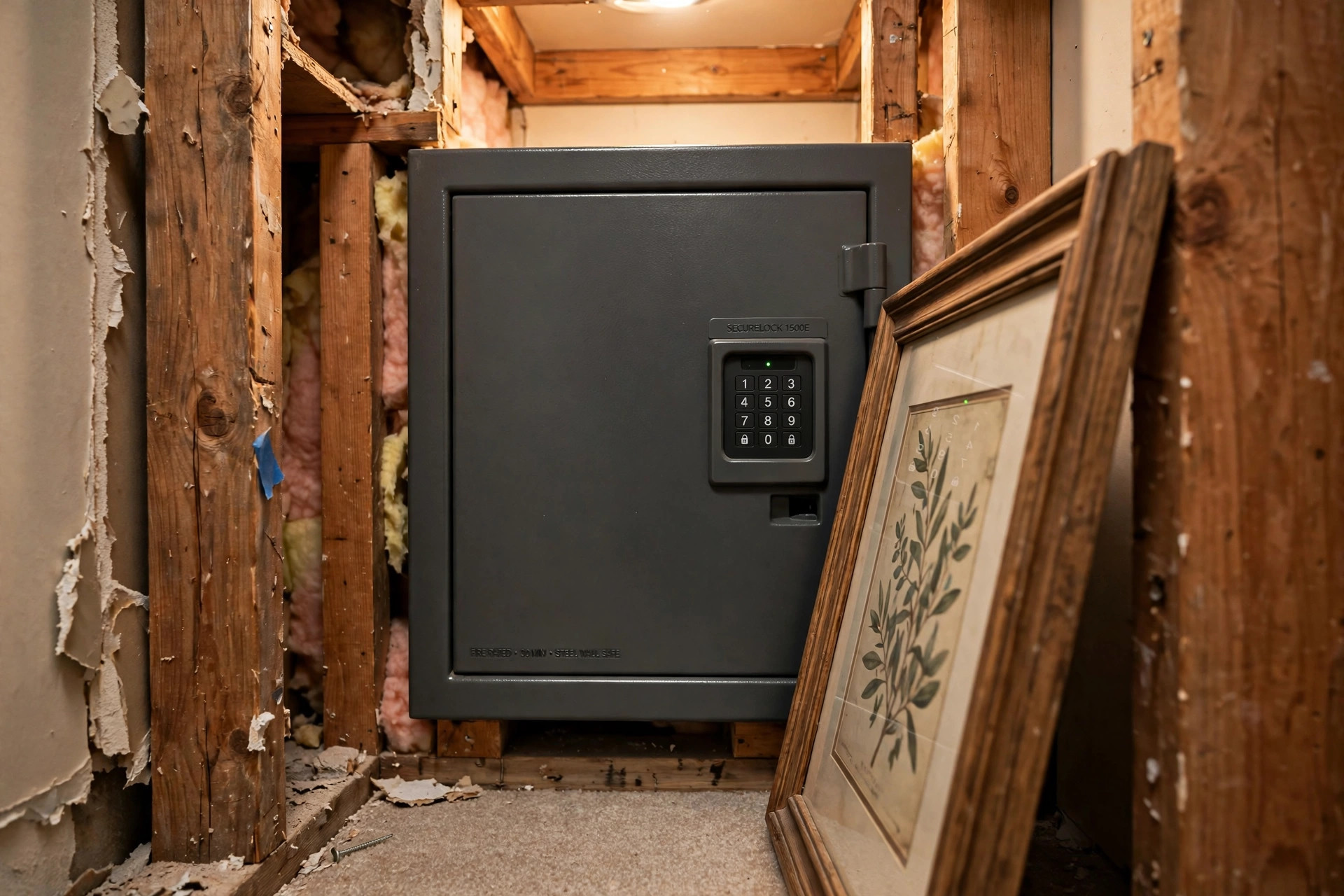
Floor safes hold more, but they show themselves. A portable lockbox can be carried away. A wall safe, fixed between two studs, is far harder to take. It also leaves your floor and closets free. Many owners place the safe in a bedroom closet or behind a framed print. Daily life goes on unchanged, and the valuables stay near.
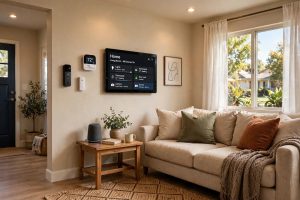
A wall safe also fits well with a full home security plan. Security cameras watch the doors and yard. A monitored alarm sounds when a window opens. The wall safe is the last stop. If a burglar slips past the other layers, the safe still guards the items that matter most. Reading general home security guides from major providers can help you see how each layer fits together. Providers such as ADT and SimpliSafe publish plain guides that explain how alarms, cameras, and locks work as a team.
What to Look for When You Choose One: Best Wall Safe for Home Installation Usa
Size and Depth
Measure first. Most wall safes fit between two wall studs, which stand 16 inches apart in most American homes. The standard depth runs from 3 to 6 inches. That suits papers, passports, cash, and small jewelry. It does not suit thick binders or bulky boxes.
List what you plan to store. Lay the items on a table. Measure the stack. Add a little room for growth. A safe that is too small leads to frustration. A safe that is too big costs more and is harder to hide.
Check the wall itself. Load-bearing walls and walls with pipes or wires inside are poor choices. An interior closet wall is often the best spot. It hides the safe and gives you a clear path to cut between the studs.
Lock Types
The lock is the heart of the safe. Each type has strengths and weak points.
A keyed lock is simple and cheap. It needs no batteries. But keys can be lost or copied. Keep a spare in a second safe place.
A dial combination lock is old and steady. It has no batteries and lasts for years. Opening it takes longer, and you must remember the code.
An electronic keypad opens fast with a short code. It runs on batteries. Most models have a backup key for dead batteries. This type is common in the best wall safe for home installation usa shoppers buy today.
A biometric lock opens with a fingerprint. It is the fastest option. It also costs more. The sensor may fail with wet or dusty fingers, so a backup method matters.
Think about who will use the safe. A dial may suit an older adult who dislikes gadgets. A keypad may suit a busy family that needs quick access. Choose the lock you will actually use without dread.
Fire and Water Ratings
Many wall safes are thin, and thin steel warms fast in a fire. If you store papers, look for a fire rating. A rating of one hour at 1700 degrees is common for small safes. True fire protection adds weight and cost.
Water is the second threat. A burst pipe or a storm can soak a wall cavity. Some safes list a water resistance rating. If yours does not, store papers in sealed bags inside the safe. Reviewers at Consumer Reports and PCMag often test and explain these ratings in their lab-based product guides, which can help you compare claims from different makers.
Types of Wall Safes
Basic Steel Wall Safe
This is the classic model. A steel box with a door, a lock, and a flange that covers the cut edges of the wall. It holds papers and small valuables. Prices start low. Security is modest but honest. It beats a drawer and most cheap lockboxes.
Hidden Wall Safe
A hidden wall safe wears a disguise. Some look like a wall clock. Others hide behind a vent cover or an electrical panel face. The disguise adds secrecy. The lock is the same as a basic model. These suit renters or anyone who wants an extra layer of trickery. If you are weighing this option, it helps to read about hidden wall safe installation cost usa so the disguise does not surprise your budget.
Fire-Rated Wall Safe
A fire-rated safe uses thicker walls and special fill to slow heat. It protects papers through a typical house fire. It is heavier and deeper, so check the stud depth before you buy. Many shoppers compare these models in fireproof safe for home reviews 2026 usa roundups before they settle on a wall model.
In-Wall Gun Vault
A gun vault is a wall safe with fast access and room for a firearm. It uses a biometric or keypad lock. It mounts at bed height. Gun owners should read child-safety rules with care. The U.S. Consumer Product Safety Commission publishes guidance on keeping children away from firearms and other home hazards, and every gun owner should follow it.
Document Wall Safe
A document safe is sized for letters, folders, and passports. Some have small trays or hooks. If papers are your main concern, a document-focused model may fit better than a general box. Our guide to the best home safe for documents reviews usa covers what document owners should check before they buy.
How Wall Safe Installation Works
Most handy owners install a wall safe in one afternoon. The steps are simple.
First, pick the wall. Find the studs with a stud finder. Mark two studs 16 inches apart. Check for wires and pipes with a detector. Turn off power to the wall if you are unsure.
Second, cut the opening. Trace the safe body on the wall. Cut just inside the lines with a drywall saw. Lift out the drywall piece. Clear any insulation in the bay.
Third, set the safe. Slide the body between the studs. The front flange should sit flat against the wall. Level it. Drive screws through the side holes into both studs. The screws do most of the security work, so use the longest screws the safe allows.
Fourth, test the lock. Open and close the door many times. Set your code or record your combination. Store the backup key somewhere else in the house.
Fifth, cover the opening. Hang a picture, a mirror, or a framed print over the safe. Leave enough room to swing the door. A full-swing door needs about 90 degrees of space.
If the wall has tile, plaster, or old wiring, hire a pro. A handyman or locksmith can finish the job in under two hours. Poor DIY cuts leave gaps that weaken the safe and look bad.
Cost and Price in the USA
Prices span a wide range. A basic keyed wall safe often costs between 60 and 150 dollars. A keypad model with a thicker door runs 150 to 350 dollars. A biometric or fire-rated model can cost 350 to 800 dollars or more. Installation by a pro adds 100 to 300 dollars, depending on the wall and the region.
Think of cost in three parts. The safe itself. The installation. The extras, such as a backup key copy, a dehumidifier pack, or a cover picture. Write all three down before you shop. A cheap safe with a bad lock costs more in worry than it saves in cash.
Sales cluster around holidays. Watch prices in November and around spring home-improvement season. Read fresh reviews before you buy. Tech and gear sites such as CNET and The Verge cover new security products each year, and their buyers guides can point you to models worth a closer look.
Care and Upkeep
A wall safe needs little care, but small habits keep it working.
Change electronic lock batteries once a year. Pick a date you remember, such as the start of spring. Write the date on a sticker inside the closet. Test the backup key at the same time.
Keep the inside dry. Wall cavities can hold damp air. A small silica pack absorbs moisture. Swap it every few months. If you see rust on the door edge, wipe it and add a fresh pack.
Open the door now and then. Locks that sit unused can grow stiff. Turn a dial monthly. Punch a keypad code every few weeks. If a biometric reader starts to miss, clean the sensor with a soft dry cloth and re-scan your finger.
Keep records elsewhere. Write the safe model, the code location hint, and the backup key spot in a sealed envelope. Give it to a trusted family member or a lawyer. If something happens to you, your family can still reach the papers.
If your safe connects to a smart home system, keep its software current. Smart locks and connected sensors belong to the same network as your other gear. News about that wider ecosystem, including the devices sold through the Google Store, can alert you to updates worth installing.
Safety Notes
A safe protects valuables, but it can also create risks if used poorly.
Never store the only copy of a will inside a home safe. Courts may seal the safe until they open the estate. Keep the original with your lawyer or in a bank box.
Do not share your code widely. Each person who knows the code doubles the risk. Give access only to people who truly need it.
Anchor matters more than steel. A heavy safe with weak screws is just a heavy box. Use long screws into both studs. If the safe has bolt holes in the back, use them too.
Plan for fire. A wall safe slows a thief, but thin models do not stop a long hot fire. Keep digital copies of key papers in a second place, such as a bank box or an encrypted drive with a trusted relative.
Keep children in mind. Curious hands love keypads. Teach children that the safe is off limits. Store the backup key where they cannot reach it. If you add cameras near entry points, video doorbell guides from Ring can help you pick a model that watches the hallway without invading daily life.
Frequently Asked Questions
Can I install a wall safe in any wall?
No. You need a wall with studs 16 inches apart and no pipes, wires, or vents in the bay. Interior closet walls work best. Exterior walls hold insulation and sometimes wiring, so check with a detector first.
How long does installation take?
A handy owner needs two to four hours, including measuring and patching. A pro usually finishes in under two hours. Old plaster walls take longer than modern drywall.
Are wall safes fireproof?
Most are not fully fireproof. They resist theft, not long fires. If fire protection matters, buy a model with a listed fire rating and accept the extra weight and cost.
What size wall safe do I need?
Measure your papers and valuables first. A 3 to 4 inch deep safe suits passports, cash, and jewelry. A 5 to 6 inch deep safe holds folders and small binders. Buy a little bigger than today’s needs.
Should I choose a keypad or a dial lock?
A keypad opens faster and suits daily use. A dial needs no batteries and lasts for decades. Pick the keypad for speed, the dial for simplicity, and a biometric reader for the fastest access of all.
Can a landlord stop me from installing one?
Often yes. Cutting into a wall changes the property. Renters should get written permission first. Some landlords allow it if you promise to patch the wall when you leave. A freestanding safe may be the safer legal choice for renters.
A Final Word
The best wall safe for home installation in the USA is the one that fits your wall, your budget, and your habits. Measure the space. Pick a lock you trust. Mount it to both studs with long screws. Cover it with a picture. Then use it every day. A safe that holds your papers only works if your papers are inside it. Take one afternoon, do the job right, and rest easier each night.
References
ADT. (n.d.). Home security and automation. https://www.adt.com CNET. (n.d.). Technology news and reviews. https://www.cnet.com Consumer Reports. (n.d.). Product reviews and ratings. https://www.consumerreports.org Google Store. (n.d.). Smart home devices. https://store.google.com PCMag. (n.d.). Technology product reviews. https://www.pcmag.com Ring. (n.d.). Smart home security devices. https://www.ring.com SimpliSafe. (n.d.). Home security systems. https://www.simplisafe.com The Verge. (n.d.). Technology news and reviews. https://www.theverge.com U.S. Consumer Product Safety Commission. (n.d.). Product safety information. https://www.cpsc.gov
Was this guide helpful?

About Emily Rodriguez
The My Garden US editorial team writes practical, in-depth home and garden guides for American homeowners — tested advice, no fluff.
You May Also Like
Smart Plug for Space Heater Safety Reviews
March 31, 2026 0 views
Best Smart Light Switch No Neutral USA: A Buyer’s Guide
July 20, 2026 0 views
Best Robot Mower for Half Acre Reviews USA: An Honest Guide
May 28, 2026 0 views