
Photo: Wikimedia Commons
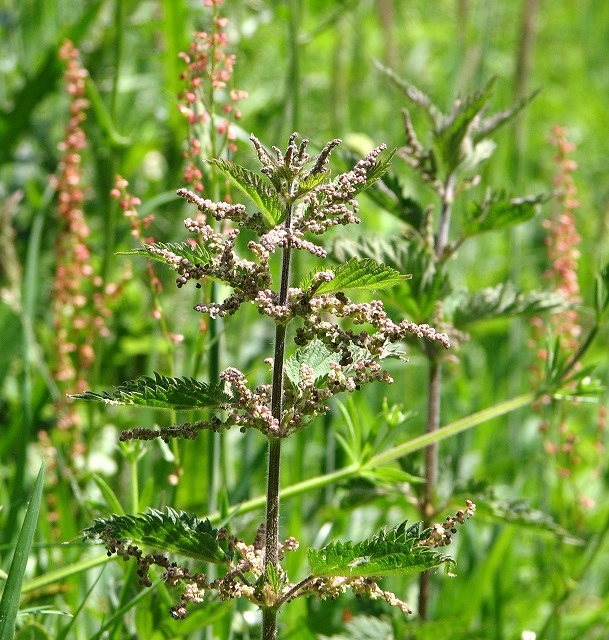
Stinging nettle is the plant everyone warns you about — and the spring green serious foragers prize most. Young shoots cook into a spinach-like green richer in iron and vitamins than most garden vegetables, make a classic soup, and dry into a nourishing tea. The sting is real but completely neutralized by cooking, drying, or steeping. Growing it on purpose means containing an aggressive spreader and harvesting with gloves and respect. Learning how to grow stinging nettle is about placement: a contained, out-of-the-way corner where it can be itself. The USDA PLANTS entry for Urtica dioica confirms its perennial, spreading nature. This guide covers contained planting, the glove protocol, harvesting young shoots, and keeping it from escaping. For a quick botanical overview, see the USDA PLANTS entry for Urtica dioica.
Choosing a Variety
Common stinging nettle, Urtica dioica, is the species to grow — the one with the hollow stinging hairs and the long foraging tradition. There are no named garden varieties; this is a wild plant you invite in on its own terms. Start from seed sown on the surface of moist soil, or from root divisions — the Old Farmer’s Almanac guide to nettles notes both establish readily. One contained bed, perhaps four by four feet, supplies a household’s spring greens; nettles are productive beyond expectation. Site it where bare legs never go: behind the shed, at the back of the lot, anywhere out of traffic.
When and How to Plant
Timing your sowing
Start stinging nettle indoors about 6 weeks before your last spring frost. Use small pots or cell packs and keep them warm and bright; stinging nettle resent having their roots disturbed, so pot up promptly if seedlings outgrow their cells. Move them into the garden about a week after your last spring frost, when nights have steadied. Seeds are tiny, so cover them only about 0.125 inch deep and keep the mix evenly moist until they sprout.
Spacing, depth, and days to harvest
From sowing to harvest takes roughly 90 to 120 days, so you can count forward from your planting date and know about when to start watching.
Harden off indoor-started seedlings over seven to ten days, lengthening their outdoor time gradually. Plants moved straight from windowsill to garden stall out, while hardened ones take off running.
Frost-date charts from a ZIP-code planting calendar help if you are new to reading your zone.
Soil and Sun
Light needs
Give it a spot with gentle morning sun and shelter from harsh afternoon rays; deep shade makes it lanky.
Building good soil
Plant in rich, moist, nitrogen-heavy soil. If your ground is heavy clay, plant a little high and mulch well; if it is sand, compost is your best friend.
Hardy in zones 3 through 10, it fits most of the country. If you garden at the cold edge of the range, a sheltered microclimate near a wall buys you a few degrees of safety.
Top the bed with compost and mulch at planting time. As the mulch decays it feeds the soil life that feeds your plants — the cheapest fertilizer program there is.
Soil testing labs listed through the University of Minnesota Extension can confirm your pH before you plant.
Watering and Feeding
Watering routine
Keep the soil evenly moist but not soggy. An inch of water a week, from rain or the hose, is the usual target.
Feeding
Nettles love nitrogen-rich soil; compost generously at planting. Go light on fertilizer. Compost worked in at planting plus a mid-season mulch feeding will carry it; overfeeding causes more problems than it solves.
Water in the morning so foliage dries by evening — wet leaves overnight invite disease. A rain gauge, or even a tuna can set out in the rain, tells you how much fell; adjust the hose accordingly.
Irrigation basics from Clemson’s Home & Garden Information Center apply to all of these schedules.
Care Through the Season
Through the season, keep the soil consistently moist for lush growth — nettles love damp, nitrogen-rich ground and sulk in dry poverty. Cut plants back hard several times a season to force tender regrowth; the first spring flush is the prime harvest, and cutting keeps young shoots coming. Nettles have few pests — indeed, they host butterflies, including peacock and red admiral caterpillars, so expect beautiful company. Always wear thick gloves and long sleeves when working among them; the sting is formic acid in tiny glass-like hairs, painful for hours. Confine the bed with buried edging, since it spreads aggressively by rhizomes — the Lady Bird Johnson Wildflower Center notes its enthusiastic colonization of rich, moist ground.
Companions and Placement
Grow stinging nettle with Yarrow, Dandelion, and Mint in a sunny bed close to the kitchen, where snipping is convenient. Most herbs want the same thing: sun, drainage, and regular cutting, which doubles as harvest and keeps growth tender. Flowers left standing feed pollinators — a few blooming herbs among the vegetables improve the whole garden. Keep invasive spreaders contained in pots or edged beds, and renew woody perennials every few years before they go leggy. A small, well-kept herb bed out-produces a large neglected one.
Harvest
Harvest the top four to six inches of young shoots with scissors, wearing gloves, before the plants flower — older growth turns coarse and develops gritty compounds. Cooking, drying, or steeping completely neutralizes the sting, so handle the harvest with tongs until it hits heat or the drying rack. The Missouri Botanical Garden plant finder confirms the edibility of properly prepared young shoots. Use like spinach: wilted with garlic, in soups, as a pasta filling. Dry leaves for tea in a dark, airy spot. The first spring shoots are the most tender and nutritious, so harvest heavily early and let later growth feed the butterflies.
Troubleshooting
Plants spreading beyond the bed are doing what nettles do — dig out runners in spring and sink deeper edging. The USDA National Agricultural Library‘s resources document its rhizomatous vigor; containment is a permanent job, not a one-time fix. Weak, yellow plants want richer, moister soil; top-dress with compost and water. If the sting seems worse some days, that is real — young spring growth stings hardest, so glove up accordingly. In zones 11 and warmer, summer heat stops the spring flush; treat it as a cool-season perennial there. Coarse summer growth is normal; cut it back hard and wait for the tender fall regrowth.
Through the Seasons
Spring
In spring, clean up winter damage, divide overgrown clumps, and refresh the mulch. New herb plants go in after frost danger passes. Take stock of what survived winter and replace losses early, while nurseries are fully stocked. A spring shearing of evergreen herbs encourages bushy new growth.
Summer
Through summer, harvest boldly and water as needed. Stinging Nettle is at its most potent now; cut in the morning after dew dries for the strongest oils. Keep aggressive spreaders in bounds with the shears, and deadhead before seed sets unless you want volunteers everywhere. A mid-summer cutback rejuvenates tired plants.
Fall and Winter
As cold approaches, harvest what you need, mulch the crowns of tender herbs, and move pots to shelter. Winter is for planning: sketch next year’s herb bed and order seed while selection is best. Stored dry and dark, this season’s harvest flavors the kitchen until spring.
Quick Answers
How long until I can harvest stinging nettle?
About 90 to 120 days from sowing to harvest under good conditions — count forward from your planting date to know when to start watching.
Where will stinging nettle grow?
Zones 3 through 10. Inside that range it is hardy and reliable; outside it, grow as an annual or in containers.
Does stinging nettle need full sun?
Part shade. A little afternoon shade is welcome where summers run hot.
What spacing does stinging nettle need?
About 12 inches apart. Crowding stunts plants and invites disease, so give each one its room — the harvest is bigger, not smaller, for the space.
Using the Harvest
Young nettle tops cook into the classic spring soup — simmered with potato and onion, blended smooth — and wilt like spinach with garlic and lemon. Dried leaves make a nourishing tea, best blended with mint. Blanch and freeze spring shoots for year-round greens. Beyond the kitchen, nettles make a potent liquid fertilizer: steep a bucket of leaves in water for two weeks (it smells awful) and dilute for the garden. Harvest with gloves, cook or dry the sting away, and a weed becomes one of the most nutritious greens you will ever eat. Browse more plant profiles at Gardenia.net’s plant profiles for ideas.
Keep Growing
How to grow stinging nettle: a contained damp corner, gloves always, harvest young shoots in spring, cook or dry the sting away. Respect the plant and it feeds you like few greens can. For planting dates, check your USDA zone planting dates and grow it near other wild-edged herbs — our guides to how to grow yarrow, how to grow dandelions, and how to grow mint share its vigorous spirit (and its need for boundaries).
References
- Old Farmer’s Almanac. (n.d.). Growing stinging nettle in home gardens. https://www.almanac.com/
- U.S. Department of Agriculture. (n.d.). Stinging Nettle (Urtica dioica) plant profile. https://plants.usda.gov/home
- Clemson University Cooperative Extension. (n.d.). Home & Garden Information Center. https://hgic.clemson.edu/
- Gardenia.net. (n.d.). Stinging Nettle plant profile. https://www.gardenia.net/
Was this guide helpful?

About My Garden US
The My Garden US editorial team writes practical, in-depth home and garden guides for American homeowners — tested advice, no fluff.
You May Also Like
Native Grass Seed Buying Guide USA: A Plain Guide for Homeowners
June 23, 2026 1 views
Peat Pots for Seedlings: How to Find the Best Deals Near You
September 28, 2026 0 views
Onion Sets Planting for Florida Homes Across the USA
June 30, 2026 1 views