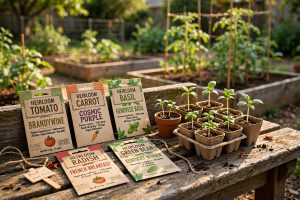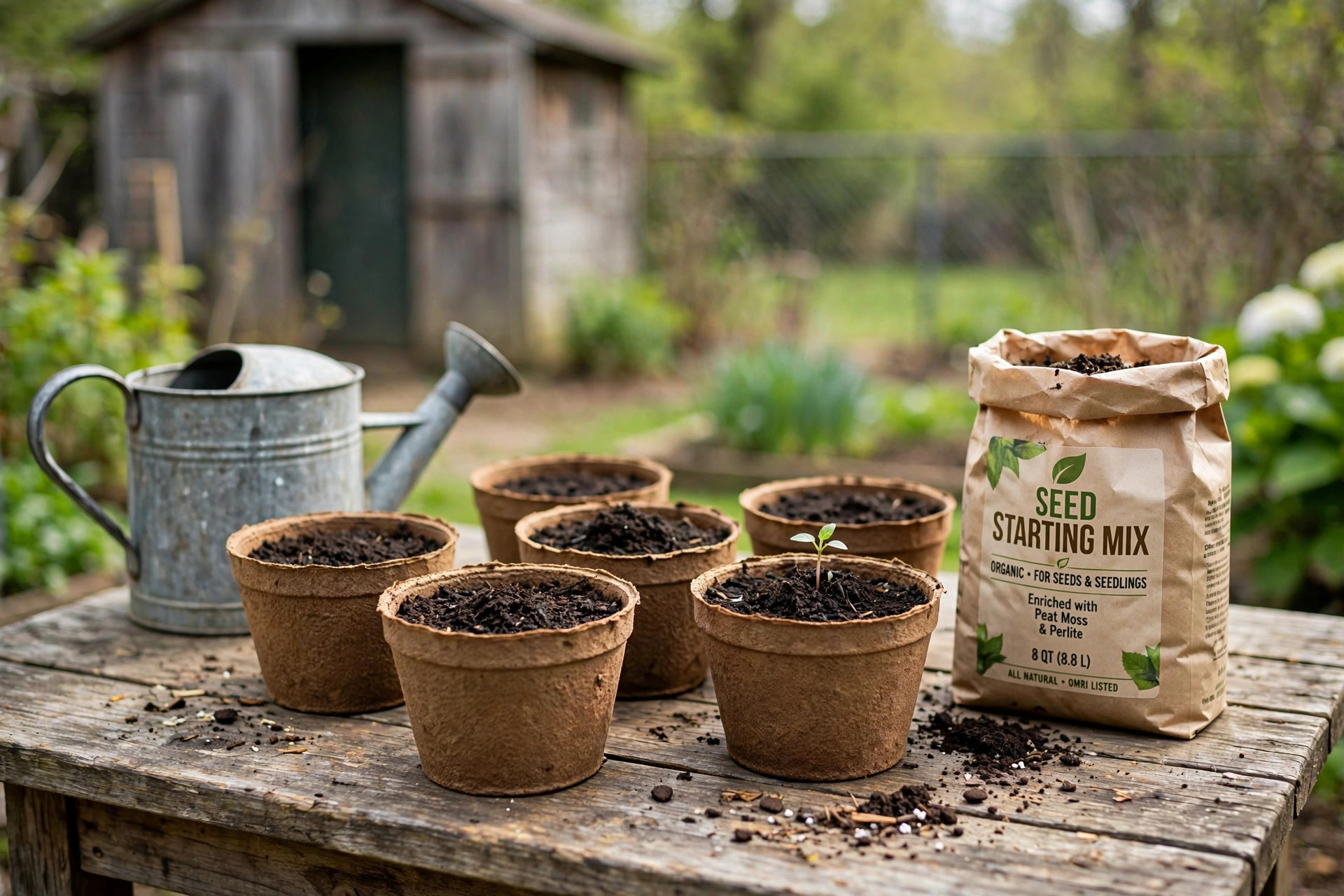

Many gardeners search for peat pots seedlings deals near me when spring draws close. They want to start seeds indoors at a fair price. Peat pots make the job easy. You sow the seed, grow the plant, and set the whole pot into the soil. The roots grow through the soft walls. There is no shock from transplanting. This guide will help you find good deals close to home. It will also help you choose the right size and type for your garden.
Why Peat Pots Matter for Seedlings
Peat pots are small containers made from pressed peat moss. Peat moss is a soft, brown material that holds water well. Gardeners have used peat pots for many years. They are simple. They are cheap. They do their work without fuss.
The main benefit is the transplant step. Young plants hate to have their roots pulled and torn. With a peat pot, you never pull the plant out. You dig a hole in the garden bed. You set the pot in the hole. You cover it with soil. The pot breaks down in the ground over a few weeks. The roots pass through the damp walls and spread into the earth. This gentle method suits tender plants like tomatoes, peppers, cucumbers, and squash. These plants often sulk after a rough move. In a peat pot, they keep growing without a pause.
Peat pots also help with timing. Many seeds need a long, warm start indoors. Tomatoes and peppers are good examples. In cold states, the outdoor season is too short for them. Peat pots let you start them six to eight weeks before the last frost. By the time the weather turns warm, you have strong young plants ready for the garden. A deal on a large pack of pots can save real money when you start dozens of seedlings each spring.
What to Look for When You Buy: Peat Pots Seedlings Deals near Me
Not all peat pots are the same. A good pot has thick, even walls. Thin walls fall apart before the plant is ready. Thick walls may be too tough for roots to pass through. The best pots strike a middle path. They hold their shape for six to eight weeks of indoor growing. Then they soften in the soil after planting.
Size matters too. Small pots dry out fast. A tiny pot may need water twice a day under warm grow lights. Larger pots hold more soil and more water. They give roots room to grow. For most vegetables, a pot that is two to three inches wide works well. For larger plants, choose a four-inch pot. Seeds that grow slowly, like peppers, do better in a larger pot from the start.
Check how the pots are packed. Some come as loose pots in a bag. Some come in strips that you tear apart. Strips are easy to handle. They also fit well in a seed starting tray. Loose pots give you more freedom to space them out. Choose the one that fits your table and your trays.
Also look at the peat itself. Some brands mix wood fiber into the peat. This can make the pot stronger. A few brands add plant food to the pot walls. This feeds the seedling in its early weeks. Read the label before you buy. A plain peat pot is fine for most uses. An enriched pot can help if your seed mix has no food in it.
Types of Peat Pots and Similar Choices
Garden stores sell several kinds of plantable pots. It helps to know the main types before you shop for deals.
Round Peat Pots
Round pots are the classic form. They come in many sizes, from one inch to six inches wide. A pack of fifty or one hundred round pots is a common sight in spring. They work well for tomatoes, peppers, herbs, and flowers.
Square Peat Pots
Square pots use space more neatly. They sit close together in a tray with no wasted gaps. A standard tray holds eighteen square pots with ease. Square pots suit gardeners who start many seedlings on a small table. They cost about the same as round pots in most stores.
Peat Strips and Pellets
Peat strips are rows of small connected pots. You tear off as many as you need. Peat pellets are small discs of pressed peat. You soak them in water and they swell into tiny pots with a net around them. Both are handy for very small seeds. They cost more per plant than plain pots, so they suit small batches.
Other Plantable Pots
Some pots are made from coconut fiber, paper, or cow manure. These serve the same purpose as peat pots. They let you plant the whole pot in the ground. Coconut pots last longer and resist mold better. Paper pots break down fastest. If you find a deal on these, they are worth a try. Many Www.gardeningknowhow.com explain how each type behaves in the soil.
Where to Find Deals Near You
Local deals are often the best deals. Start with the garden center at a nearby home store. Large chains bring in big pallets of peat pots each spring. Prices drop when the season is at its peak. Watch for sales in March and April. A pack that costs five dollars in February may cost three dollars in April.
Independent garden centers are worth a visit too. They may carry brands the big stores do not. Their staff often know which pots perform well in local soil. They may also match a lower price if you ask in a polite way. Building a habit of shopping there helps. Regular customers often hear about sales first.
Farm supply stores and co-ops sell peat pots in bulk. A bag of five hundred pots can cost far less per pot than a small pack. If you start a large garden each year, bulk buying is the cheapest path. You can also split a bulk bag with a friend or a neighbor. Both of you save money.
Online sellers also offer deals, even when you search for something near you. Many garden companies ship from warehouses in the United States. Www.burpee.com and Park Seed sell seed-starting supplies in many sizes. Gurney’s Seed & Nursery Co is another long-time garden supplier with spring sales. Compare the shipped price with the local store price. Sometimes the local store wins. Sometimes the online sale wins.
Do not forget end-of-season clearance. Stores clear out garden supplies in late spring. Peat pots that did not sell may drop to half price or less. Buy then for next year. Peat pots keep well if you store them in a dry place. A cool garage shelf or a dry basement corner will do.
Cost and Price
Peat pots are one of the cheapest garden supplies. A small pack of ten or twelve pots often costs two to four dollars. A pack of fifty usually costs five to nine dollars. A bulk bag of several hundred pots may cost twenty to forty dollars. The price per pot falls as the pack grows larger.
Watch for false savings. A very cheap pot may be too thin. It may crumble in your hand when wet. Then you must buy more pots or move the seedlings. That costs more in the end. A fair price for a strong pot beats a low price for a weak one.
Also count the hidden costs. Peat pots need seed starting mix, trays, and sometimes a heat mat or grow light. These add to the total. Plan your full budget before the season starts. A simple setup with pots, mix, and a sunny window can cost less than twenty dollars. That small sum can grow into hundreds of dollars of fresh food.
If you grow Burpee from seed, the savings grow larger. A packet of seeds costs a few dollars. It can yield dozens of plants. Store-bought seedlings cost three to five dollars each. Starting your own in peat pots can save a family a large sum each spring.
How to Use and Care for Peat Pots
Using peat pots is simple, but a few steps make the results much better.
First, soak the pots in warm water for a few minutes. Dry peat pulls water away from the soil. A quick soak stops this. It also softens the walls for young roots.
Next, fill each pot with damp seed starting mix. Do not pack it tight. Loose soil lets roots move with ease. Sow the seeds at the depth the packet advises. Most seeds need only a light cover of mix.
Set the pots in a tray with no holes, or on a waterproof surface. Water from the bottom when you can. Pour water into the tray and let the pots draw it up. This keeps the tops dry and cuts down on mold. Peat pots can grow a white or green film on their walls. This is usually harmless mold or algae. It fades when you ease up on watering and give the pots more air.
Give the seedlings light as soon as they sprout. A sunny south window works for a small batch. A simple shop light hung a few inches above the pots works for a larger batch. Keep the light on for fourteen to sixteen hours a day. Turn the tray each day so the plants grow straight.
Feed the seedlings when they have two sets of true leaves. Use a half-strength liquid plant food once a week. Many Gardening Know How give feeding plans for common vegetables.
About a week before moving plants outside, harden them off. Set the pots outdoors in shade for a few hours. Bring them in at night. Add more sun and more hours each day. This slow step keeps the plants from shock.
When you plant, tear off the rim of the pot if it sticks up above the soil line. A dry rim can wick water away from the roots. Set the pot so its top sits just below the soil surface. Water the bed well after planting.
Safety Notes
Peat pots are safe for home gardeners. The peat is a natural material. Still, take a few common-sense steps.
Wear a dust mask when you handle dry peat mix or many dry pots. Peat dust can irritate the nose and throat. Wetting the pots first keeps dust down.
Wash your hands after working with soil and pots. Soil can carry germs.
Keep small pots away from young children and pets. Dry peat can be a choking hazard for a small child.
Peat moss comes from peat bogs. Some gardeners worry about the effect of peat harvest on wild lands. If this concerns you, look for pots made from coconut fiber or recycled paper. These plantable pots work much like peat pots. Government and Www.nifa.usda.gov can help you learn more about soil and growing media choices.
FAQ
How long do peat pots last indoors?
Most peat pots hold their shape for six to eight weeks of indoor growing. Thin pots may start to soften sooner. Thick pots may last ten weeks or more. Start your seeds on time so the pots do not fall apart before planting day.
Can I plant the whole pot in the ground?
Yes. That is the main point of a peat pot. Dig a hole, set the pot in, and cover it with soil. The pot will break down in the ground. Tear off any rim that sticks up above the soil. Water well after planting.
Why is there white mold on my peat pots?
A white or green film on damp peat pots is common. It is usually harmless surface mold or algae. It grows where air is still and pots stay wet. Water less often, water from the bottom, and give the pots more air flow.
Are peat pots better than plastic pots?
Each has its place. Peat pots save you the transplant step. Plastic pots last for many seasons and cost less over time. If you start only a few plants, peat pots are simple and easy. If you start hundreds, reusable plastic trays may save money. Many gardeners use both.
Where is the cheapest place to buy peat pots near me?
Prices change with the season. In spring, large home stores and farm supply shops often have the lowest prices. End-of-season clearance can cut prices in half. Bulk bags from Gurney’s Seed & Nursery Co or local co-ops give the lowest cost per pot. Compare a few stores before you buy.
Can I reuse peat pots next year?
It is best not to reuse them. Old pots may carry plant disease from last season. They also weaken with age. New pots are cheap. Start each spring with fresh pots for the healthiest seedlings. If you want reusable pots, choose sturdy plastic trays instead.
A Final Word
Peat pots are a small item with a big job. They carry a seed from your kitchen table to your garden bed without a rough move. Good deals are easy to find if you shop at the right time. Check local stores in spring. Watch for clearance sales. Buy in bulk when you can. Pair your pots with good seed and good soil, and your garden will thank you.
For more ideas on what to grow, see our wildflower seed mix buying guide for color, or try heirloom vegetable seeds for food. A The Old Farmer’s Almanac from the Old Farmer’s Almanac will tell you when to start each crop in your area. Home gardening sites like Www.thespruce.com share free seasonal tips, and plant breeders like Www.provenwinners.com, nurseries like Www.whiteflowerfarm.com, and growers like Www.monrovia.com all publish free growing advice on their sites. With a little planning, your peat pots will hold the start of a fine garden season.
References
Burpee. (n.d.). Seeds, plants, and gardening supplies. https://www.burpee.com Gardening Know How. (n.d.). Gardening guides and plant care. https://www.gardeningknowhow.com Gurney’s Seed & Nursery Co. (n.d.). Seeds, plants, and garden supplies. https://www.gurneys.com Monrovia. (n.d.). Plants for home gardens. https://www.monrovia.com National Institute of Food and Agriculture. (n.d.). Agricultural research and extension. https://www.nifa.usda.gov Park Seed. (n.d.). Seeds, plants, and gardening supplies. https://www.parkseed.com Proven Winners. (n.d.). Plants and gardening inspiration. https://www.provenwinners.com The Old Farmer’s Almanac. (n.d.). Gardening calendars and advice. https://www.almanac.com The Spruce. (n.d.). Home and garden advice. https://www.thespruce.com White Flower Farm. (n.d.). Plants, bulbs, and garden supplies. https://www.whiteflowerfarm.com Www. (n.d.). Home and garden information. https://www
Was this guide helpful?

About Sarah Mitchell
The My Garden US editorial team writes practical, in-depth home and garden guides for American homeowners — tested advice, no fluff.
You May Also Like
Seed Starting Trays Deals Near Me: Where to Find the Best Prices
April 22, 2026 0 views
Morning Glory Seeds USA Online Deals: A Plain Guide to Buying Fresh Seed and Growing Bright Blooms
February 5, 2026 0 views
Wildflower Seed Mixes for Florida Homes: A Plain Guide for American Gardeners
January 21, 2026 0 views