Gardeners across the country search for heirloom vegetable seeds USA online deals each spring. They want old-time flavor without paying a high price. They want seed that breeds true from year to year. They want to order from home and have the packets arrive before planting time. This guide shows how to do all of that. It explains what heirloom seed is, which kinds to try, and how to spot a real deal online.
Why Heirloom Seeds Matter
Heirloom seeds carry the history of the American garden. These are open-pollinated varieties passed down for fifty years or more. Farmers and families saved them because they tasted good and grew well. Each packet holds a small piece of that past.
Flavor is the main reason people choose heirloom types. Many modern hybrids were bred for shipping and shelf life. Heirlooms were kept for the table. A Brandywine tomato tastes like summer itself. A Cherokee Purple brings a deep, rich flavor that few new types can match. If you cook at home, you will taste the difference at once.
Seed saving is another strong reason. Heirloom plants grow true from seed. You can save seed from your best plants and plant it again next year. That cuts your cost over time. It also lets you adapt a variety to your own soil and weather. After a few seasons, the seed becomes tuned to your garden.
Choice matters too. The seed catalog holds hundreds of heirloom kinds. You can find colors and shapes that never appear in stores. Striped tomatoes, purple carrots, and speckled beans all come from old seed lines. A home garden can grow what the market will not sell.
What “Heirloom” Means and What to Look For: Heirloom Vegetable Seeds Usa Online Deals
The word heirloom has no legal definition. Any company can print it on a packet. So you must read the details before you buy. A true heirloom is open-pollinated and at least fifty years old. It was not crossed with a different variety by a seed breeder in recent times.
Check the packet for the variety name and its story. Good sellers give the origin and the year it entered wide use. They list days to maturity and plant size. They note disease traits. If a packet gives no variety name, walk away. A vague label is a poor sign.
Look for the words “open-pollinated” on the packet. That tells you saved seed will grow true. The mark “F1” means a hybrid. Hybrid seed is fine to grow, but it will not breed true. Many gardeners keep both types. For deals on heirloom kinds, open-pollinated seed is what you want.
Germination rate is worth a look. Federal rules ask for a germination test date on most seed sold in stores. A rate of eighty percent or higher is good for most vegetables. Old seed loses vigor, so buy fresh seed each year for the best stand.
Seed count per packet also matters for price. One packet may hold twenty-five tomato seeds. Another may hold two hundred carrot seeds. Compare the cost per seed, not just the packet price. For a clear picture of the market, read our heirloom vegetable seeds buying guide before you place an order.
Popular Types of Heirloom Vegetables
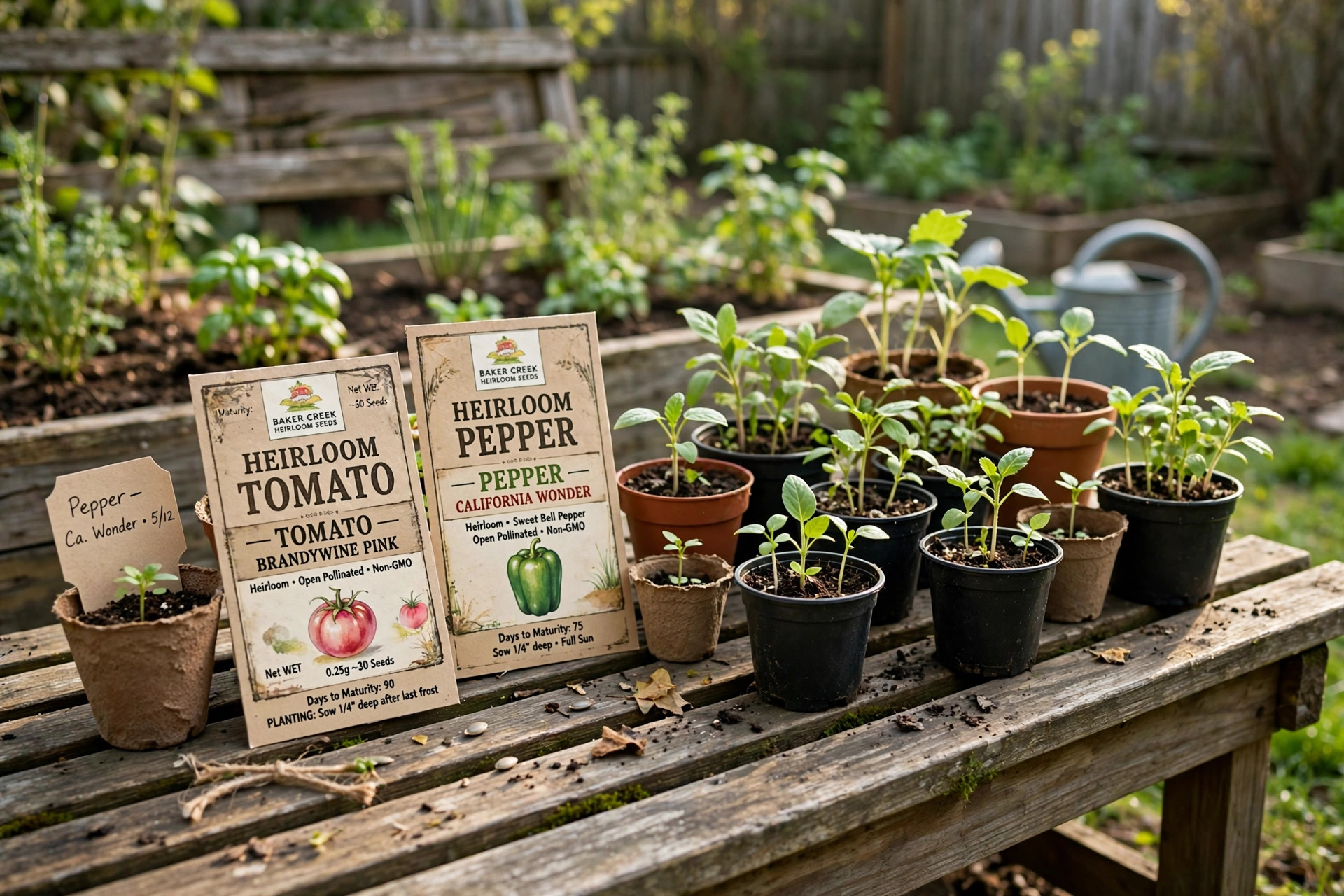
Tomatoes lead every heirloom list. Brandywine, Cherokee Purple, Mortgage Lifter, and Green Zebra are old favorites. They need full sun and warm soil. Start them indoors six to eight weeks before the last frost. Give them strong stakes or cages.
Peppers come next. California Wonder sweet peppers date back many decades. Cayenne and jalapeno types also have deep roots. Hot peppers need a long, warm season, so start them early indoors. Sweet types do well in most regions.
Beans are easy and cheap. Kentucky Wonder pole beans and Blue Lake types have fed families for generations. Direct sow after the soil warms. Beans fix nitrogen in the soil, which helps the crops that follow.
Squash and pumpkins round out the summer garden. Crookneck summer squash and Connecticut Field pumpkins are true classics. They need room to spread. One plant can cover ten feet of ground.
For cool weather, try lettuce, carrots, and peas. Black Seeded Simpson lettuce grows fast in spring and fall. Scarlet Nantes carrots grow sweet in loose soil. Alaska peas climb a short fence and give an early crop. Many of these pair well with organic herb seeds for a full kitchen garden.
How to Find the Best Online Deals
Start with the seed company websites themselves. Large American seed houses like Burpee, Park Seed, and Gurneys run spring sales each year. Sign up for their email lists. Early season coupons often cut ten to twenty percent off a first order.
Buy in the off season. Seed prices drop in late summer and fall. Companies clear stock before the new year. You can save a third or more on packets bought in September. Store them in a cool, dry place. A sealed jar in the refrigerator keeps most seed viable for years.
Look for bundle packs. Many sellers group five or six varieties into one kit. A tomato lover’s bundle or a salsa garden kit costs less than the same packets bought one by one. Check that you actually want every variety in the set before you order.
Compare shipping costs. A low packet price means little if shipping adds eight dollars to a small order. Some sites ship free over a set total. Others charge a flat rate. Group your order with a friend or buy your full season at once to spread the cost.
Watch for free shipping days. Seed companies hold these events in late winter. They announce them by email and on their home pages. Plan your variety list ahead of time so you can order fast when the sale opens.
Check garden forums and deal pages. Sites like The Spruce and Gardening Know How post seasonal buying guides. They note which sellers run sales and when. Reader comments often flag extra coupons that the stores do not advertise.
Buy from growers in your region when you can. Seed grown near your climate may perform better in your garden. Regional companies also tend to list honest germination data. The national brands still offer the widest choice, so use both.
What Heirloom Seeds Cost
Heirloom vegetable seed is one of the cheapest parts of gardening. Most packets cost between one and six dollars. A single packet plants a full row or more. The cost per plant often falls below ten cents.
Tomato and pepper packets run two to five dollars. Bean and pea packets cost less per seed because the seed is large and cheap to produce. Carrot and lettuce seed is tiny, so packets hold hundreds of seeds for two or three dollars.
Bulk seed saves money for large gardens. A quarter pound of bean seed plants a long row for a modest price. For most home gardeners, though, one packet per variety is enough. Fresh seed beats bulk seed that sits for years.
Deals and clearance sales can cut the price in half. End-of-season packets from good sellers are a fine buy. Check the germination test date. Seed from last year still grows well if it was stored in cool, dry conditions. If the date is more than two years old, buy fresh stock instead.
Factor in your time and the harvest. A three-dollar packet of tomato seed can yield fifty pounds of fruit. No store price can match that return. Even at full price, heirloom seed is a bargain for the food it produces.
Growing and Caring for Heirloom Vegetables
Start seed indoors for a head start. Use a clean seed tray and fresh starting mix. Plant at the depth shown on the packet, usually twice the width of the seed. Keep the soil moist but not soaked. A warm spot near seventy degrees speeds sprouting.
Give seedlings strong light. A sunny window often falls short. A simple shop light hung a few inches above the plants works well. Keep the lights on fourteen to sixteen hours a day. Move the light up as the plants grow.
Harden off plants before they move outside. Set them in shade for a few hours a day, then bring them in at night. Lengthen the time over a week. This step stops transplant shock and builds sturdy stems.
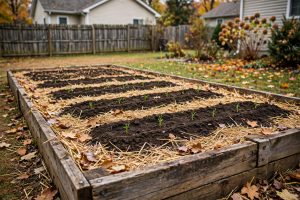
Plant in full sun with rich soil. Work compost into the top six inches before planting. Most vegetables need six to eight hours of direct sun. Space plants as the packet directs. Crowded plants invite disease.
Water at the base of the plant. Wet leaves spread blight and mildew. A soaker hose or a morning watering can works well. Mulch with straw to hold moisture and keep fruit clean.
Feed lightly. Too much nitrogen grows leaves at the cost of fruit. A balanced garden fertilizer at planting time is enough for most types. Side dress heavy feeders like tomatoes once midseason.
Save seed from your best plants. Let one or two fruits ripen fully on the vine. Dry the seed on a paper plate in a cool room. Store in a labeled envelope in a sealed jar. For planting dates by region, the Old Farmer’s Almanac gives frost dates and sowing calendars. Your state extension service, linked through USDA NIFA, also offers free local growing guides.
Safety Tips for Seed Buyers
Buy from known sellers. A real company lists a street address and a phone number. It answers email. It has reviews from real gardeners. Be wary of listings with no contact details.
Check treated versus untreated seed. Some seed is coated with fungicide. The packet must state this by law. If you want untreated seed for organic growing, read the label with care. Most heirloom packets are untreated, but check each one.
Store seed away from children and pets. Seed itself is not toxic, but packets are a choking hazard for small children. Keep them on a high shelf or in a locked box.
Wear gloves when handling seed-starting mix. The mix can hold dust and mold spores. A dust mask helps if you are sensitive. Wash your hands after planting.
Follow pesticide labels to the letter if you spray. Many home gardeners never spray at all. Hand picking pests and using row cover keeps most problems in check without chemicals.
Frequently Asked Questions
Are heirloom seeds better than hybrid seeds? Neither is better in every case. Heirlooms win on flavor and seed saving. Hybrids often win on disease resistance and uniform yield. Many gardeners grow both. Try heirlooms for taste and save seed from the ones you love.
How long do heirloom seeds stay good? Most vegetable seed stays viable for three to five years in cool, dry storage. Onion seed fades faster, often in one to two years. Tomato and cucumber seed can last six years or more. When in doubt, sow a few seeds on a damp paper towel to test them.
Can I save seed from grocery store vegetables? You can, but the result may differ from the parent. Store produce is often hybrid, so saved seed will not grow true. For reliable results, start with open-pollinated seed and save from your own garden plants.
When should I order seeds online? Order in January or February for the widest choice. Popular varieties sell out by March. Ordering early also beats the spring shipping rush. For fall crops, order by midsummer.
Do heirloom plants need special care? They need the same sun, water, and soil as other vegetables. Some old types resist disease less than modern hybrids. Good spacing, morning watering, and crop rotation keep them healthy. Start with easy types like beans and lettuce if you are new.
Where can I see what is in stock right now? Check current listings for heirloom vegetable seeds for sale and compare sellers. Large plant growers like Monrovia, Proven Winners, and White Flower Farm also sell garden plants and supplies that pair well with a seed order.
A Final Word
Heirloom vegetable seeds USA online deals reward the patient shopper. Buy early, buy off season, and compare the true cost with shipping. Start with a few proven varieties and save seed from the best. In a single season, a few dollars of seed can fill your table with flavors that stores cannot match.
References
Burpee. (n.d.). Seeds, plants, and gardening supplies. https://www.burpee.com Gardening Know How. (n.d.). Gardening guides and plant care. https://www.gardeningknowhow.com Gurney’s Seed & Nursery Co. (n.d.). Seeds, plants, and garden supplies. https://www.gurneys.com Monrovia. (n.d.). Plants for home gardens. https://www.monrovia.com National Institute of Food and Agriculture. (n.d.). Agricultural research and extension. https://www.nifa.usda.gov Park Seed. (n.d.). Seeds, plants, and gardening supplies. https://www.parkseed.com Proven Winners. (n.d.). Plants and gardening inspiration. https://www.provenwinners.com The Old Farmer’s Almanac. (n.d.). Gardening calendars and advice. https://www.almanac.com The Spruce. (n.d.). Home and garden advice. https://www.thespruce.com White Flower Farm. (n.d.). Plants, bulbs, and garden supplies. https://www.whiteflowerfarm.com
Was this guide helpful?

About Emily Rodriguez
The My Garden US editorial team writes practical, in-depth home and garden guides for American homeowners — tested advice, no fluff.