
The monstera plants sale reviews buying guide usa is the place to start if you want to buy a monstera plant with confidence. Sales are everywhere. Reviews are everywhere. Prices swing from a few dollars to well over one hundred. This guide will help you sort through the noise. You will learn what a healthy plant looks like, which types are worth your money, what fair prices are, and how to read seller reviews like a careful shopper. By the end, you will know exactly how to buy a monstera that will thrive in your home.
Why a Monstera Belongs in Your Home
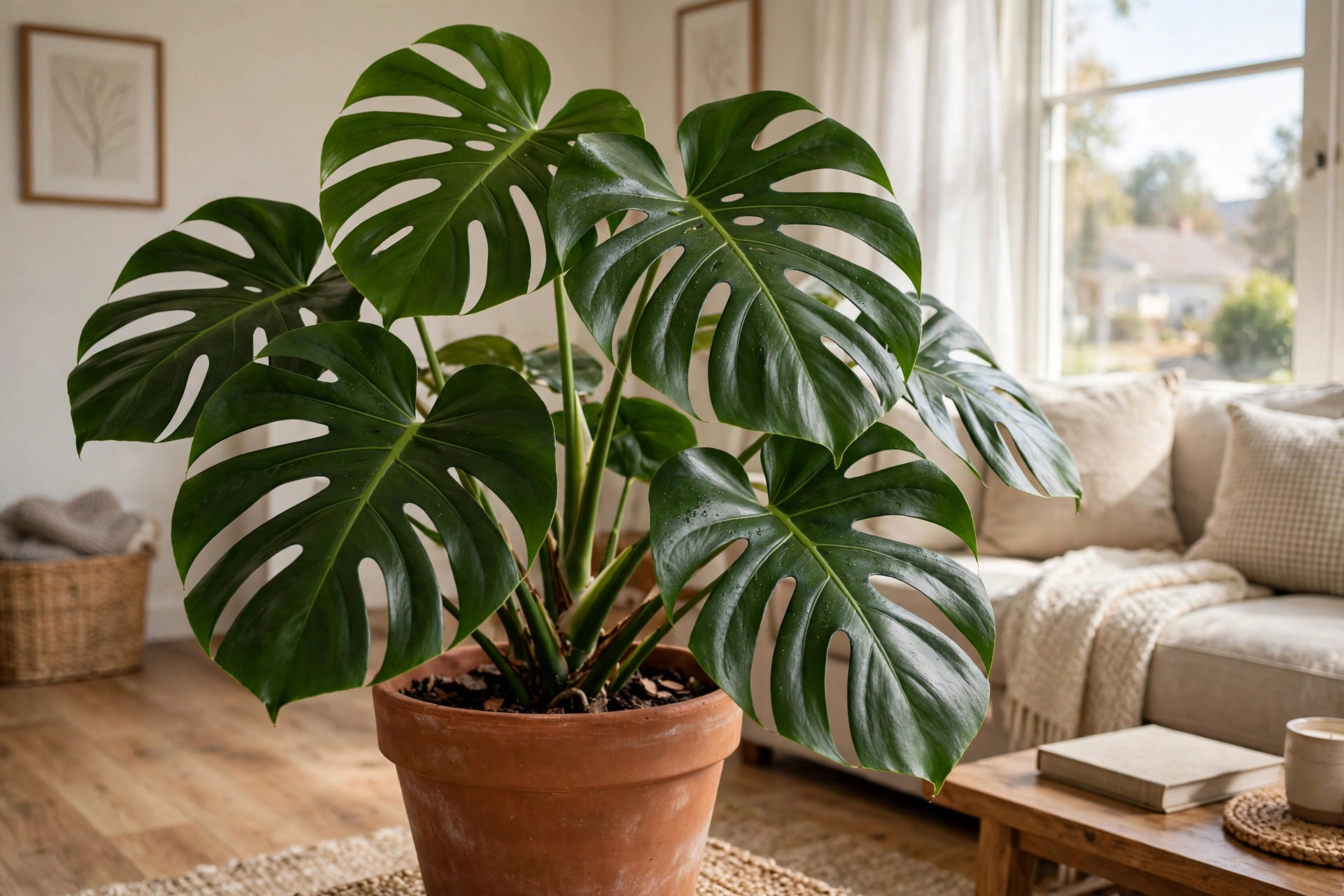
The monstera deliciosa is one of the most loved houseplants in America. Its large leaves split open as the plant grows. The cuts and holes give it a bold, sculptural look that few other indoor plants can match. A mature plant can fill a corner of a living room with deep green life. It needs only basic care. That mix of drama and ease is why sales of monstera plants keep growing year after year.
A monstera also grows well in ordinary homes. It does not need a greenhouse. It does not need mist machines or grow lights in most rooms. A bright spot near a window is enough. In return, it gives you years of steady growth. Many owners keep the same plant for a decade or more. When you buy one, you are buying a long-term member of the household.
The plant has a few quirks. The leaves start small and solid, then split as they mature. Young plants sold in stores often look plain. Do not let that worry you. The splits come with time and good light. Knowing this keeps you from overpaying for a “rare” young plant that is really just a common baby monstera.
What to Look For When You Buy: Monstera Plants Sale Reviews Buying Guide Usa
A careful look before you pay saves you trouble later. Whether you shop in a garden center or order through a sale online, the same checks apply.
The Leaves
Healthy leaves are firm, deep green, and clean. They should not have brown edges, yellow patches, or black spots. A few small marks on old leaves are normal. Large dead areas are not. Check the newest leaf. It tells you how the plant is doing right now. If the new growth looks strong, the plant is strong.
Variegated monsteras, with white or cream sections on the leaves, cost far more. Be extra careful with these. A pale leaf that is brown and soft is a leaf that is dying, not a leaf that is special.
The Roots
If you can, look at the roots. A seller who lets you see the roots is a seller you can trust. Healthy roots are light in color and firm. Dark, mushy roots mean root rot. Root rot is hard to fix and can kill the plant. Walk away from any plant with a sour smell coming from the pot. That smell means the roots are rotting.
Many online sellers now ship plants in clear nursery pots. That is a good thing. You can see the root ball through the plastic. A pot full of thick white roots is the best sign you can ask for.
The Seller
Read the seller reviews before you buy. Look for reviews with photos of the plant that arrived. A good seller ships fast, packs the plant well, and answers questions. Bad signs include many reports of broken leaves, dry plants, or no answer from the seller. Reviews from the last few months matter more than old ones. A store can change owners. A nursery can have a bad season. Recent reviews tell the current story.
A fiddle leaf fig buying guide makes many of the same points about checking leaves and roots, and the habits of a careful buyer carry over well to monstera shopping.
Types of Monstera You Can Buy
Not every plant sold as a monstera is the same species. Knowing the types keeps you from paying a rare-plant price for a common one.
Monstera Deliciosa
This is the classic. Big leaves, bold splits, steady growth. It is the best choice for most buyers. It is also the cheapest, because growers produce it in large numbers. If a sale lists a “monstera deliciosa” at a fair price, you are looking at the real thing. A snake plant indoor buying guide notes the same rule for popular plants: the standard form is almost always the best value.
Monstera Adansonii
This one has smaller leaves full of oval holes. People call it the Swiss cheese vine. It grows as a trailing or climbing plant and looks great on a shelf or a moss pole. It is a true monstera and usually costs about the same as a deliciosa. It is a fine pick if you want something different but still easy.
Split-Leaf Varieties and Look-Alikes
Some sellers use the word “split-leaf” loosely. A philodendron sold under a monstera name is not a monstera. Check the botanical name on the tag. If the tag says Monstera deliciosa, you have the right plant. If it says something else, the price should match what that plant really is. Honest sellers get this right. When you buy monstera plant online usa, the product page should show the botanical name clearly.
Prices and Costs
Prices for monstera plants swing wide. A small deliciosa in a four-inch pot often sells for ten to twenty dollars at a garden center. A large plant in a ten-inch pot can cost forty to eighty dollars. Rare forms with strong white variegation can sell for one hundred dollars or far more, even for small plants.
Sales drop prices in spring and around holidays. Online plant shops run sales through the growing season, from March to September. Do not let a low price rush you into a bad purchase. A cheap plant with root rot costs more in the end than a fair-priced healthy one. Compare the size of the pot, the number of leaves, and the quality of the growth before you compare the price.
Shipping adds cost to online orders. Live plants need heat packs in winter and fast shipping in summer. A good seller builds these costs into the price or states them plainly. Be wary of a very low plant price paired with very high shipping fees. The total is what matters.
How to Read Reviews and Plant Sale Listings
The words “sale” and “review” deserve a careful eye. A sale price means nothing if you do not know the usual price. Check the normal price for the same size and type at two or three other sellers before you decide that a deal is real. Many plant shops list a fake “was” price next to a normal price. A quick check of other stores will show you the truth.
Read reviews in full, not just the star count. A plant with five stars and no written review tells you little. Look for buyers who say how the plant arrived, how big it was, and how it grew after a month. Those details are worth more than a hundred silent stars.
Watch for patterns. One bad review about slow shipping may be bad luck. Twenty bad reviews about the same problem is a pattern. Walk away from sellers with patterns of dead plants, wrong plants, or no replies.
Photos from real buyers are gold. A seller can use stock photos that show perfect plants. A buyer photo shows what you will really get. Good sellers often repost buyer photos with pride. That is a sign of a shop that stands behind its plants.
The plant trade press and garden writers often cover how to judge nursery stock, and broad guides on houseplant care basics can sharpen your eye before you shop.
Care and Upkeep
A monstera is easy, but it is not carefree. Give it the right basics and it will reward you.
Light
Bright, indirect light is ideal. A spot near an east or north window works well. A south or west window works too, but keep the plant a few feet back from the glass. Direct afternoon sun burns the leaves and leaves brown patches. Too little light slows growth and stops new leaves from splitting. If your new leaves stay small and solid, the plant is asking for more light.
Water
Water when the top two inches of soil feel dry. Push your finger into the soil to check. In most homes, this means watering once every seven to ten days. Water fully so some drains out of the bottom of the pot. Never let the plant sit in a saucer of water. Monsteras hate wet feet. Yellow leaves are often the first sign of too much water.
Soil and Feeding
Use a loose, airy potting mix. A mix made for aroids or a standard indoor mix with added bark and perlite works well. The roots need air. Dense, soggy soil invites rot. Feed with a balanced liquid houseplant food once a month in spring and summer. Stop feeding in fall and winter, when growth slows.
Support
As the plant grows, it will want to climb. A moss pole or a simple trellis gives the aerial roots something to grip. Climbing plants grow larger leaves with deeper splits. Without support, the plant sprawls and the leaves stay smaller. Adding a pole is one of the cheapest ways to improve how your plant looks.
Detailed feeding and soil advice for tropical houseplants is widely covered in tropical plant growing guides, which are worth a look when you set up your plant.
Safety
Monstera plants are toxic if eaten. All parts of the plant contain compounds that can irritate the mouth and throat. This matters if you have small children or pets. Keep the plant where curious hands and mouths cannot reach it. Teach children that the plant is for looking, not for tasting.
Dogs and cats that chew the leaves can get sore mouths, drooling, and vomiting. If a pet eats part of a monstera, call your veterinarian. For general pet plant safety facts, the ASPCA plant safety list is a handy reference, and a pet-safe houseplant review can help you plan a mixed collection.
The plant is safe to touch. Only eating it is a problem. Wash your hands after repotting, as the sap can irritate sensitive skin.
Frequently Asked Questions
How fast does a monstera grow?
In good light, a monstera grows steadily from spring to fall. Expect several new leaves per month in the growing season. Growth slows in winter. A young plant can double in size in one good year. Proper light, water, and feeding make the biggest difference.
Why are my monstera leaves not splitting?
Young plants do not split. The splits come with maturity and good light. If a mature plant stops making split leaves, it usually needs more light. Move it closer to a bright window and give it time. The next few leaves will show the change.
Can I buy a monstera plant on sale online safely?
Yes, if you choose a trusted seller. Check recent reviews with photos. Make sure the seller ships live plants with heat packs in cold weather. Look for a clear return policy for damaged plants. Reputable mail-order nurseries, covered in mail-order nursery reviews, ship thousands of healthy plants every year.
What size pot should I buy?
Buy the plant in the pot it is growing in now. A four-inch pot is fine for a starter plant. A six-inch pot gives you a fuller plant sooner. Repot only when roots fill the pot, and go up just one or two inches in pot size. Too large a pot holds too much wet soil and risks root rot.
Are variegated monsteras worth the high price?
They are worth it only if you love the look and accept the risk. White sections of leaf cannot make food for the plant, so variegated plants grow slower and burn more easily. They also cost far more. Most buyers are happier with a healthy green deliciosa, which grows faster and costs a fraction of the price. Seasoned growers often compare notes on rare houseplant varieties before paying premium prices.
How long does a monstera live?
With basic care, a monstera can live for decades. It is a long-lived tropical plant. Many owners pass large plants to friends when they outgrow the space. Buy a healthy one now, and you may enjoy it for the rest of your plant-keeping life. Longevity notes for indoor tropical plants back this up.
A Short Final Word
Buying a monstera is simple when you know what to check. Look at the leaves and the roots. Read real reviews with real photos. Compare prices across a few sellers. Choose the type that fits your home and your budget. Then give your new plant bright light, careful water, and a little patience. The splits will come, and your monstera will reward you with years of green growth.
Related reading in this series includes a pothos plants bulk buying guide for another easy, forgiving houseplant, and general seed and bulb buying resources from the national agriculture extension network.
References
ASPCA. (n.d.). Pet care and animal welfare resources. https://www.aspca.org Burpee. (n.d.). Seeds, plants, and gardening supplies. https://www.burpee.com Gardening Know How. (n.d.). Gardening guides and plant care. https://www.gardeningknowhow.com Monrovia. (n.d.). Plants for home gardens. https://www.monrovia.com National Institute of Food and Agriculture. (n.d.). Agricultural research and extension. https://www.nifa.usda.gov Park Seed. (n.d.). Seeds, plants, and gardening supplies. https://www.parkseed.com Proven Winners. (n.d.). Plants and gardening inspiration. https://www.provenwinners.com The Old Farmer’s Almanac. (n.d.). Gardening calendars and advice. https://www.almanac.com White Flower Farm. (n.d.). Plants, bulbs, and garden supplies. https://www.whiteflowerfarm.com
Was this guide helpful?

About Emily Rodriguez
The My Garden US editorial team writes practical, in-depth home and garden guides for American homeowners — tested advice, no fluff.
You May Also Like
Snake Plants Indoor: Where to Buy in the USA
April 24, 2026 0 views
Daffodil Bulb Packs for Sale USA: How to Buy and Plant With Confidence
May 16, 2026 0 views
Air Plants Bulk American Homes Guide: Buying, Choosing, and Keeping Them Green
June 4, 2026 0 views